• Travel Photography
  • Commercial Work
  • Writing
  • Personal projects
  • Tear sheets & Case studies
  • About
Menu

Diana Jarvis

Travel photographer & writer specialising in sustainability.
  • Travel Photography
  • Commercial Work
  • Writing
  • Personal projects
  • Tear sheets & Case studies
  • About

SHETLAND Islands

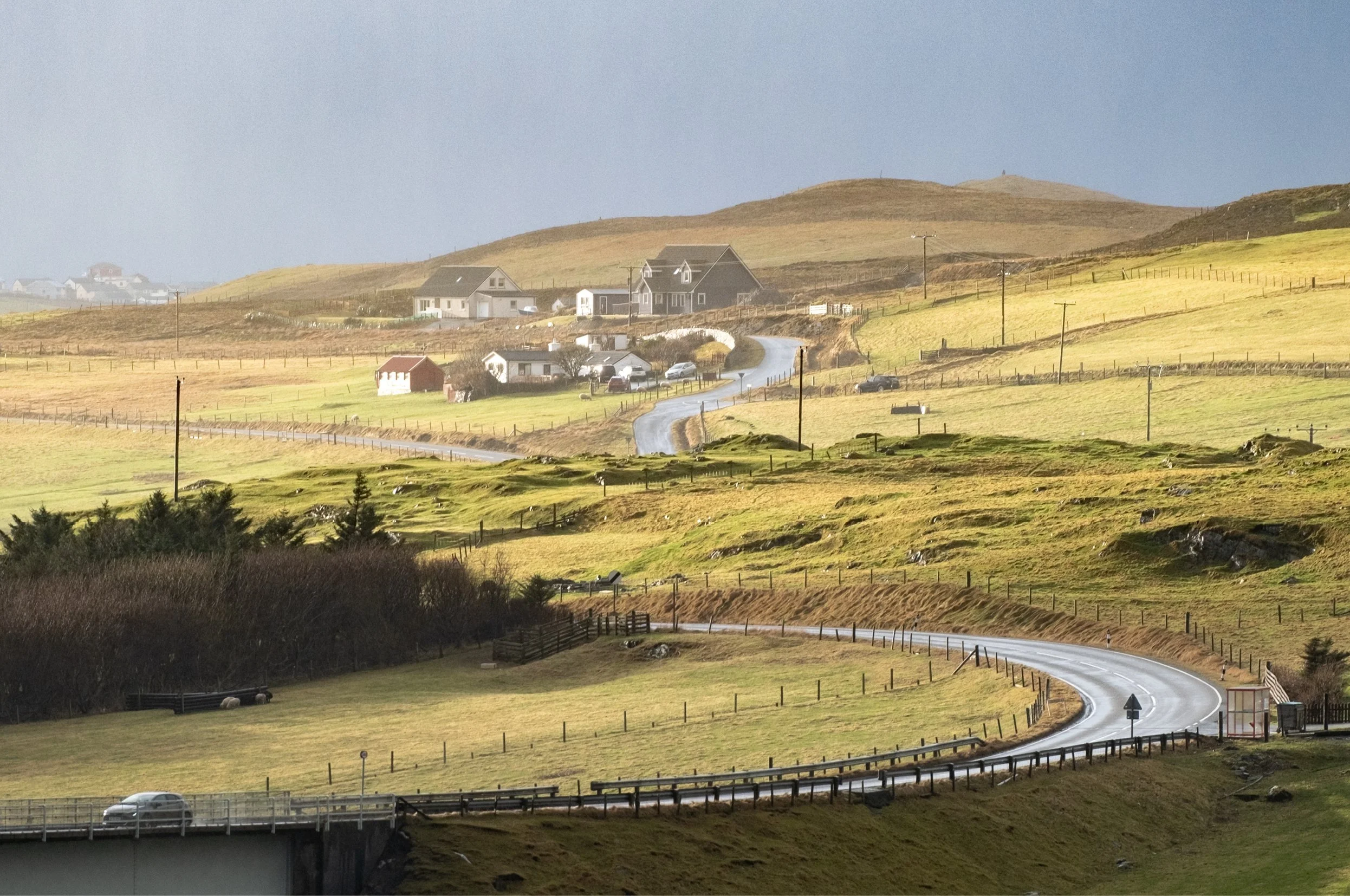
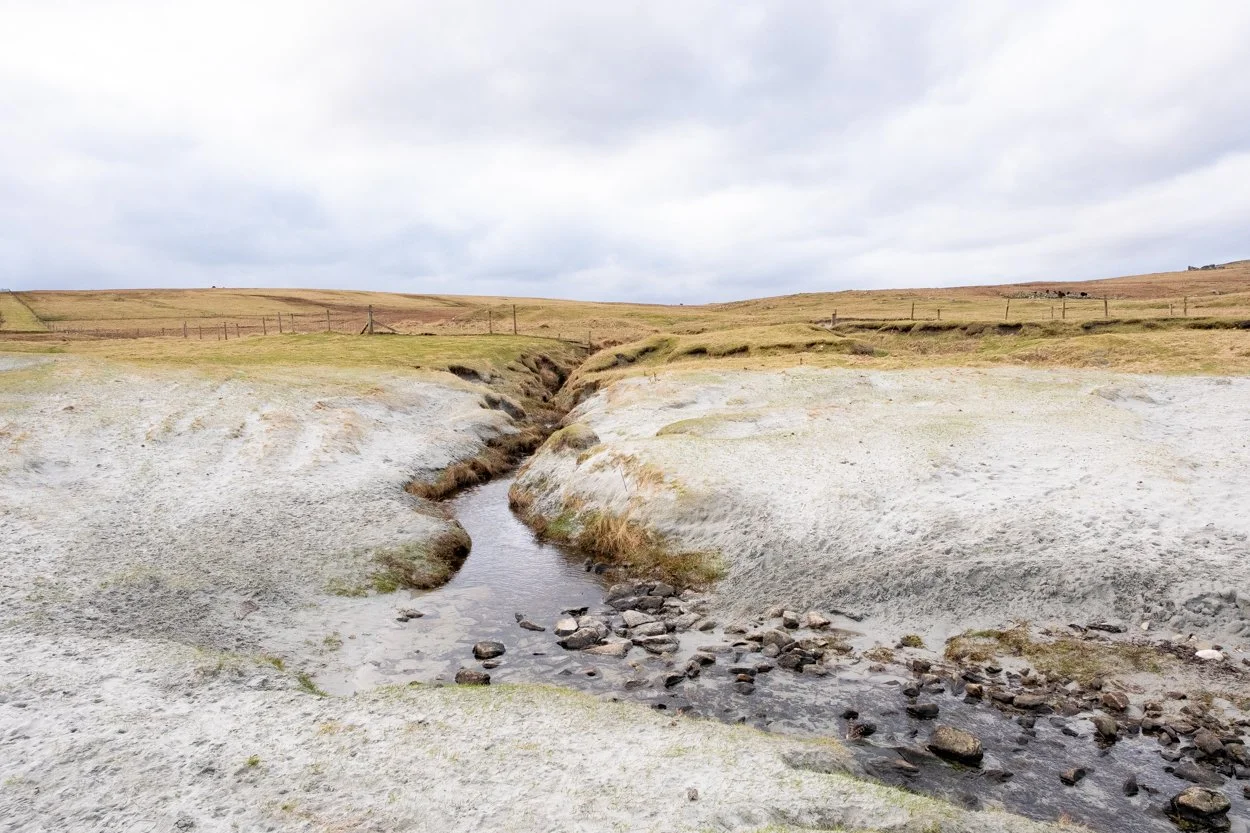
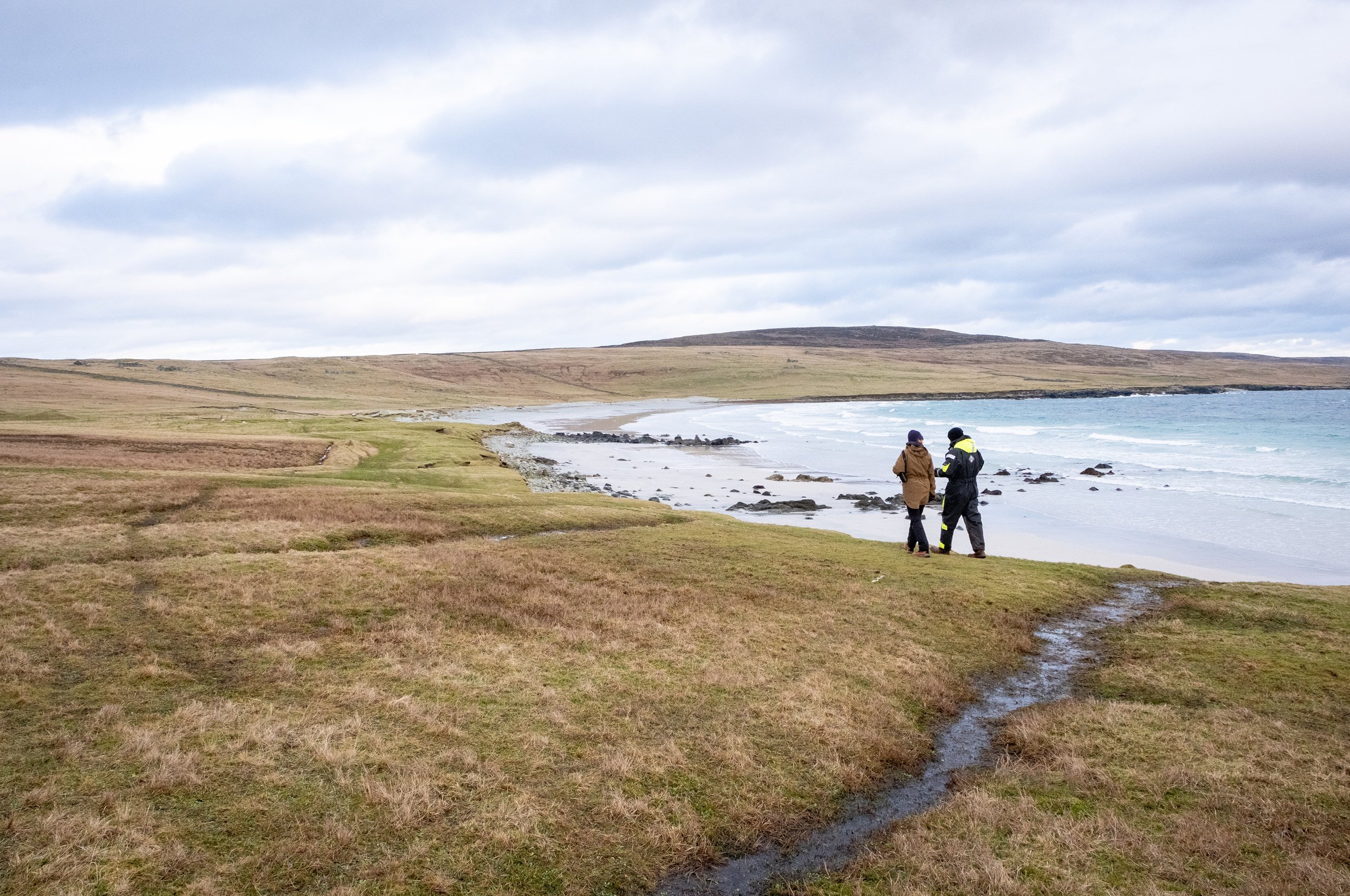
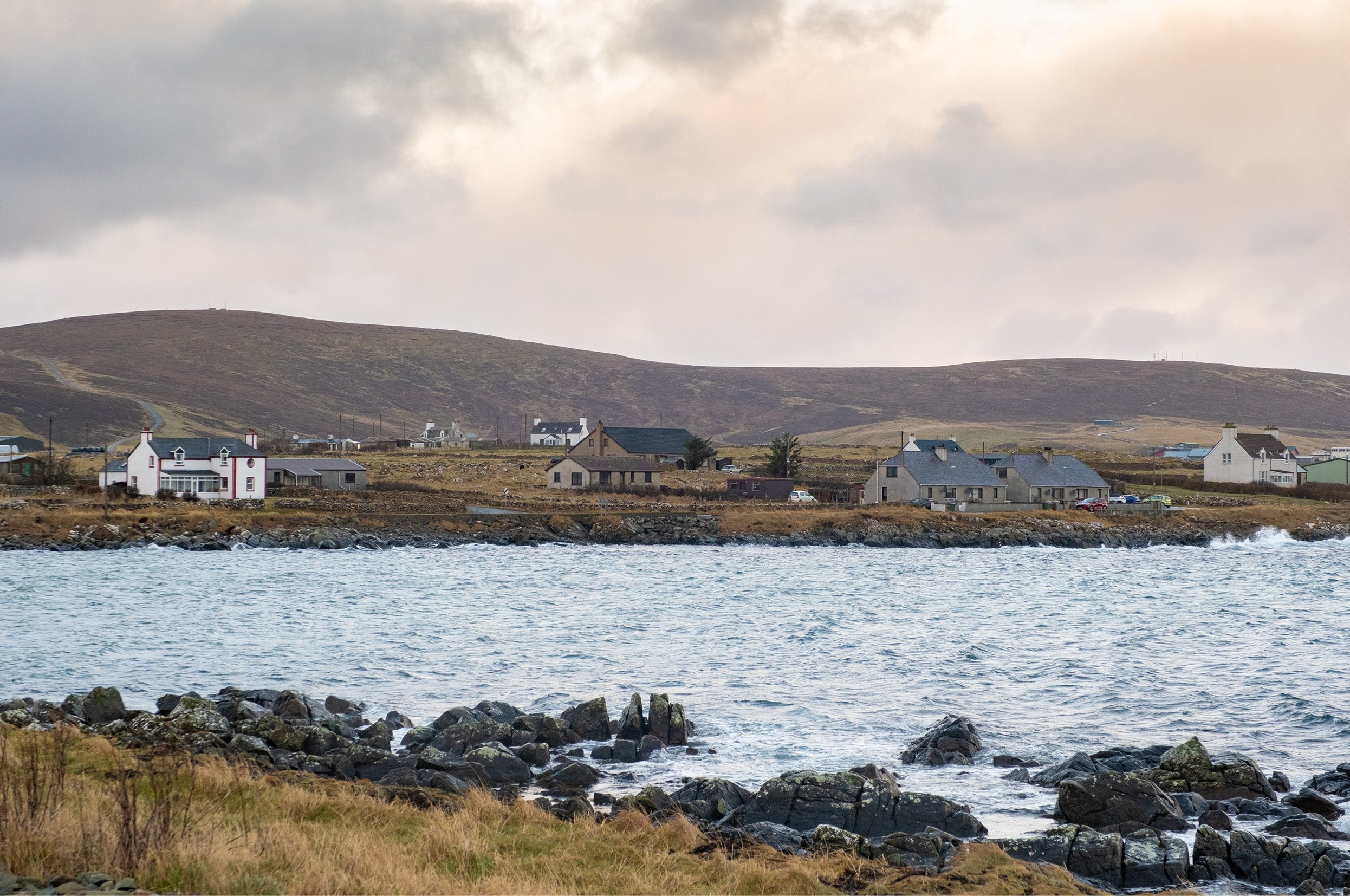
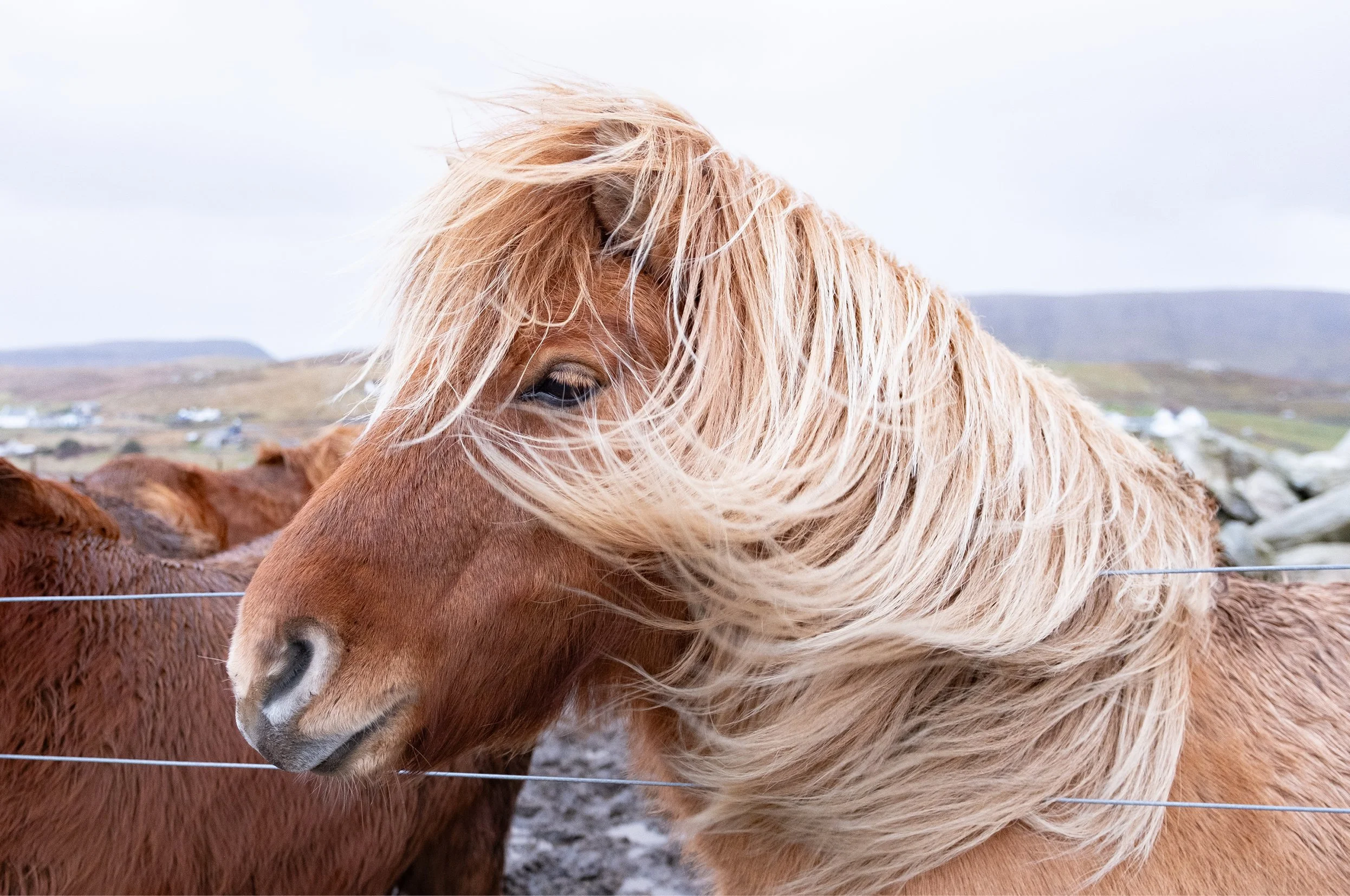
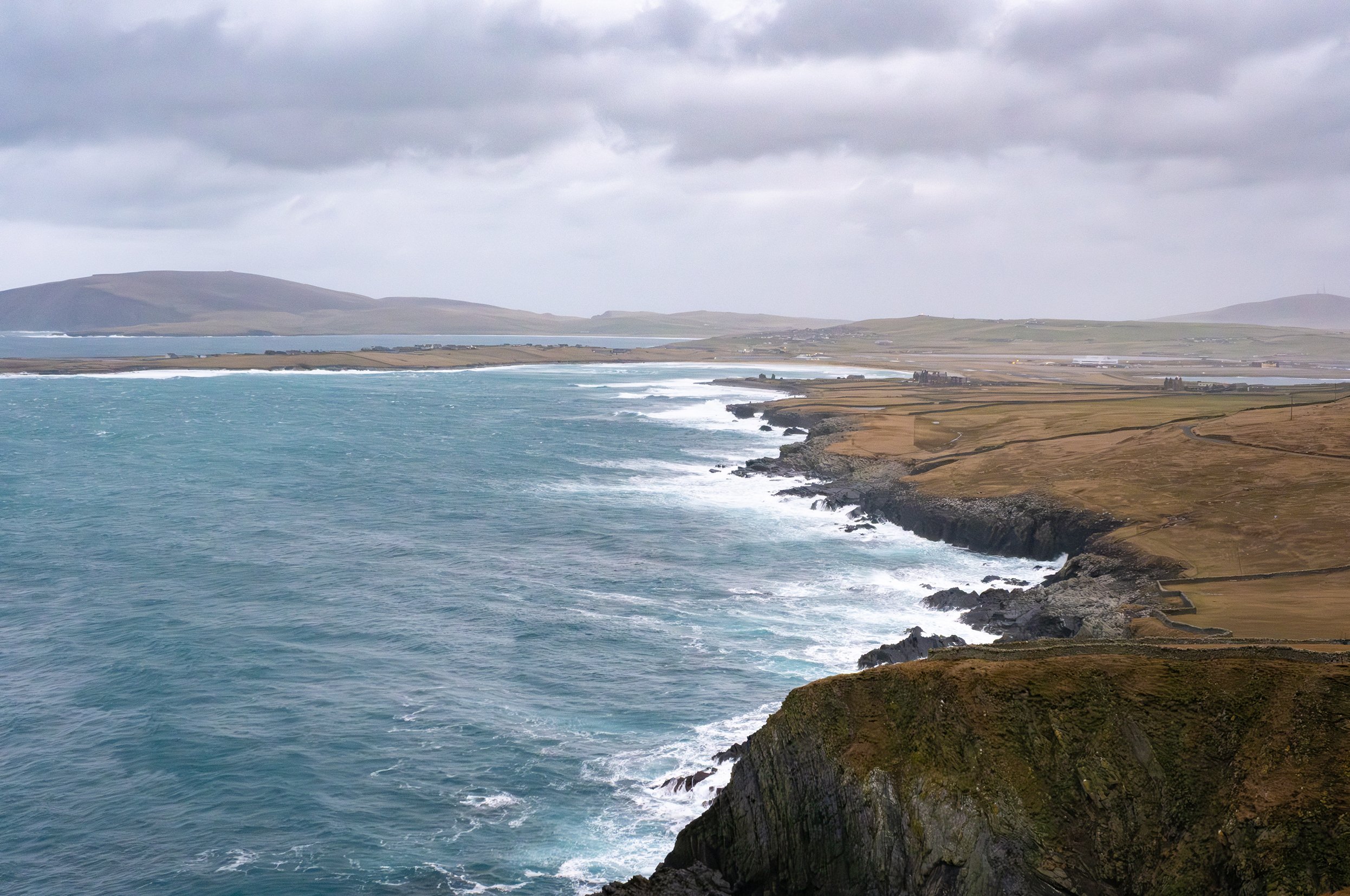
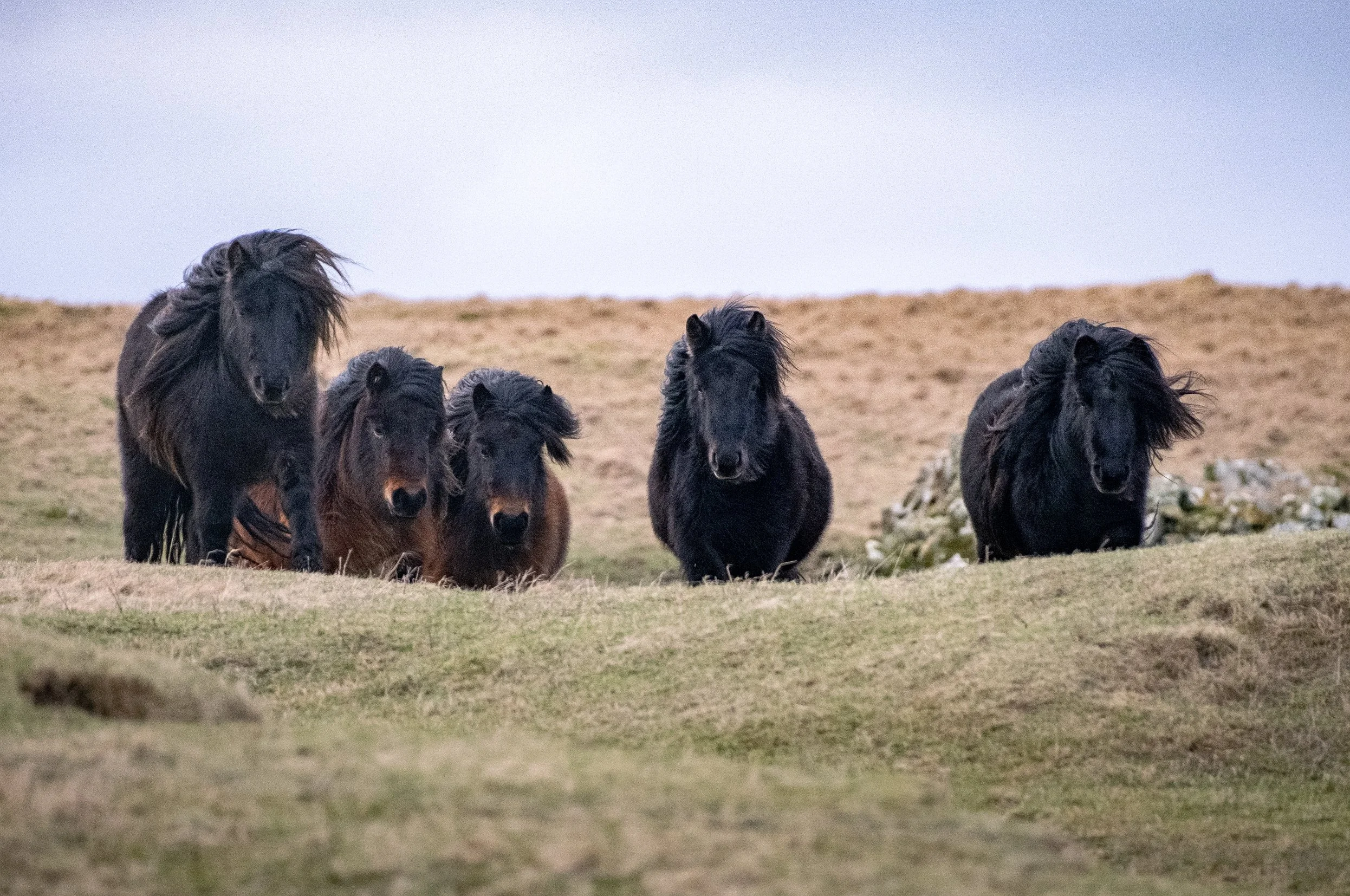
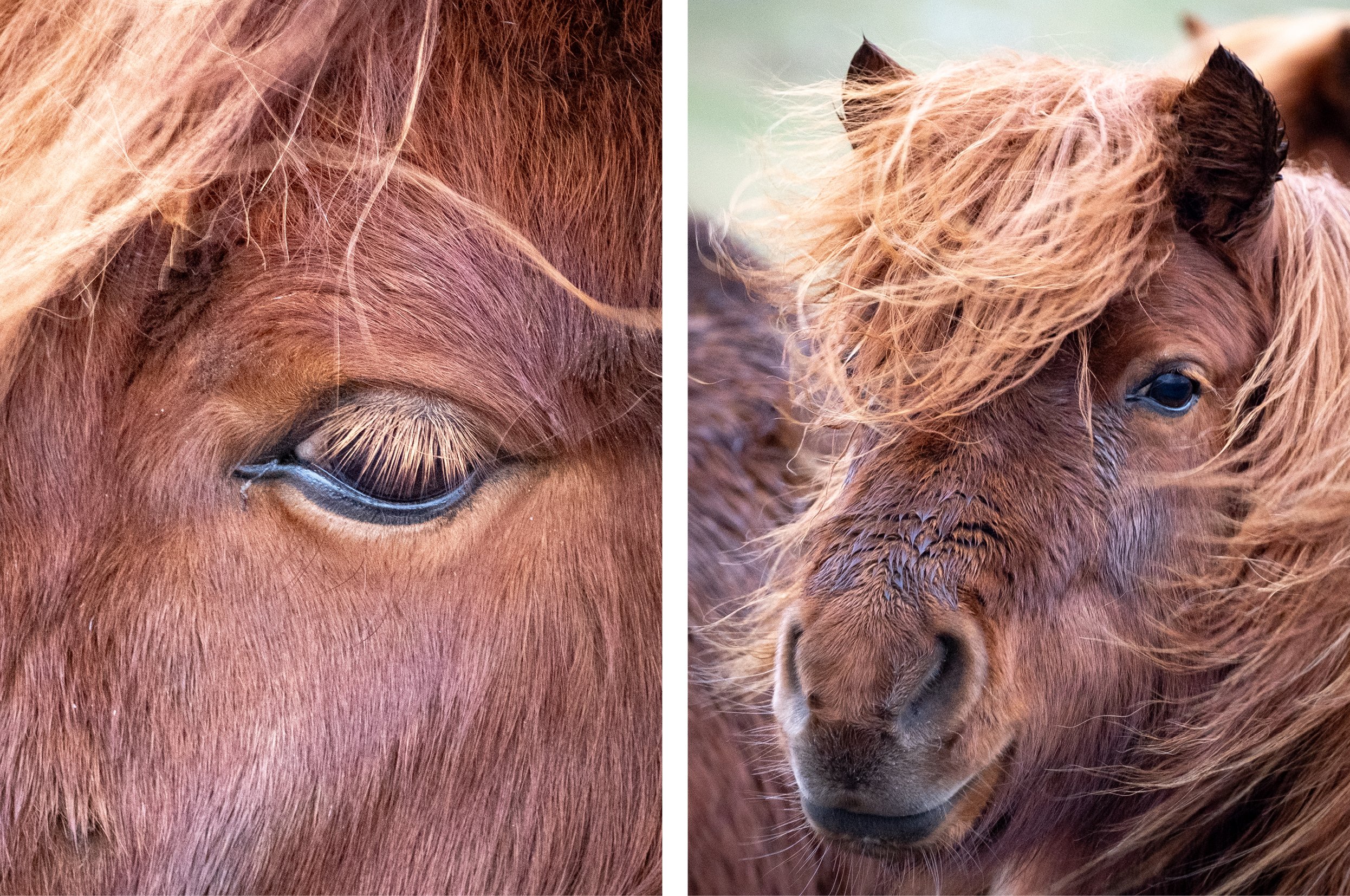
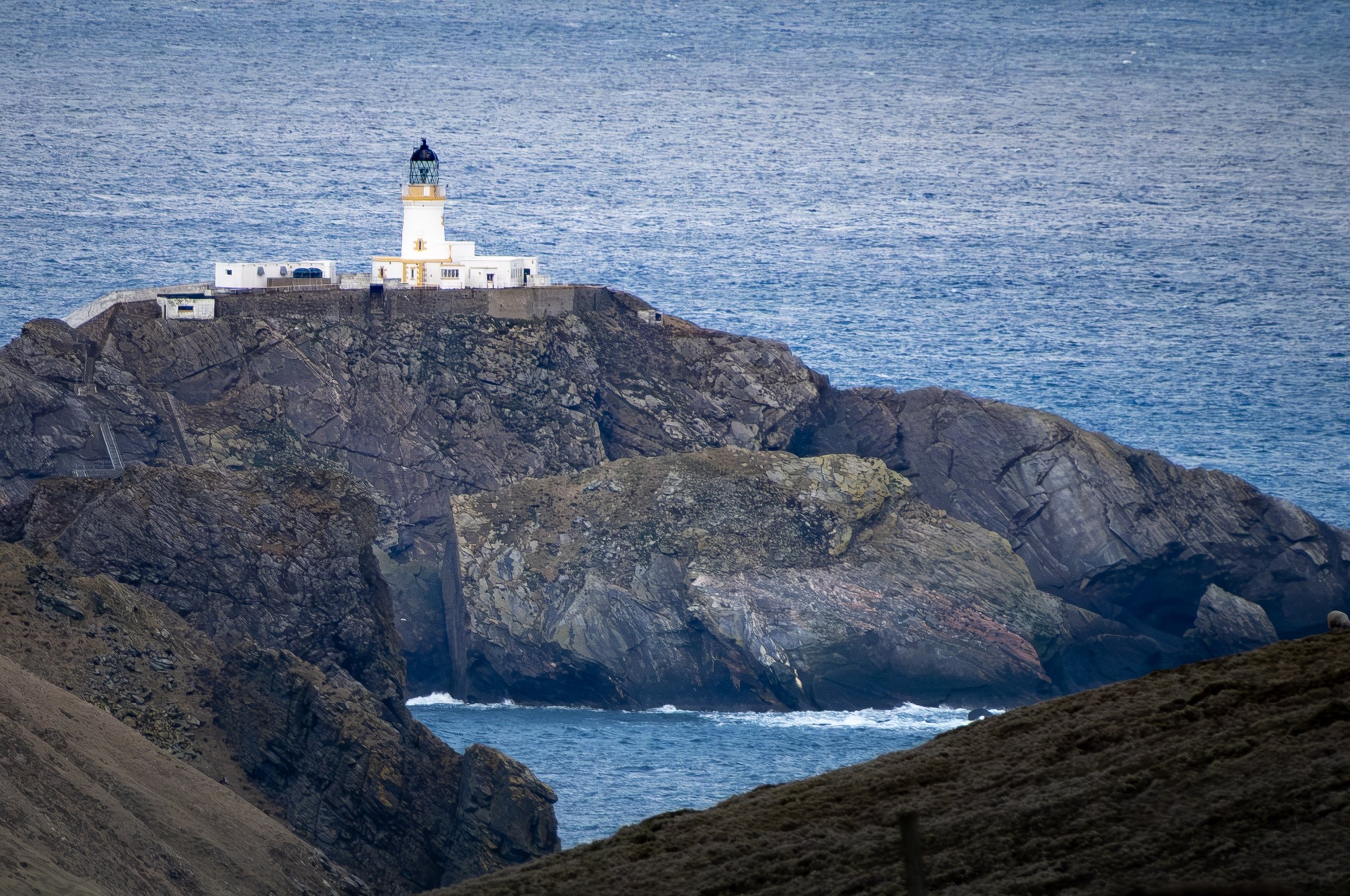
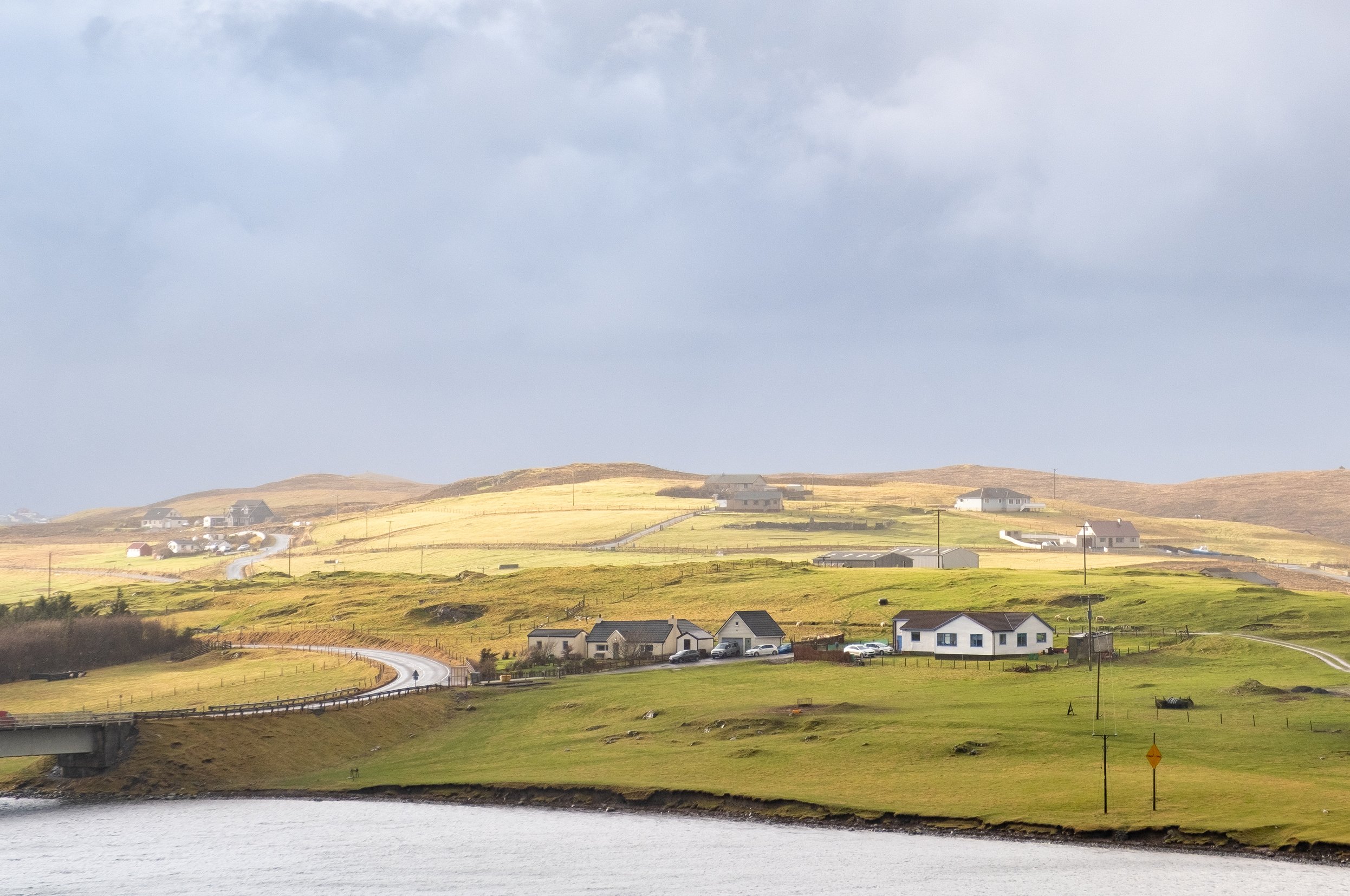
While winter probably isn’t the best time to see the Shetlands Islands, there are some advantages.

Fewer people go in the colder months, so the roads, attractions and ferry queues are much less crowded. Well, not the least bit crowded at all, if my visit was anything to go by.

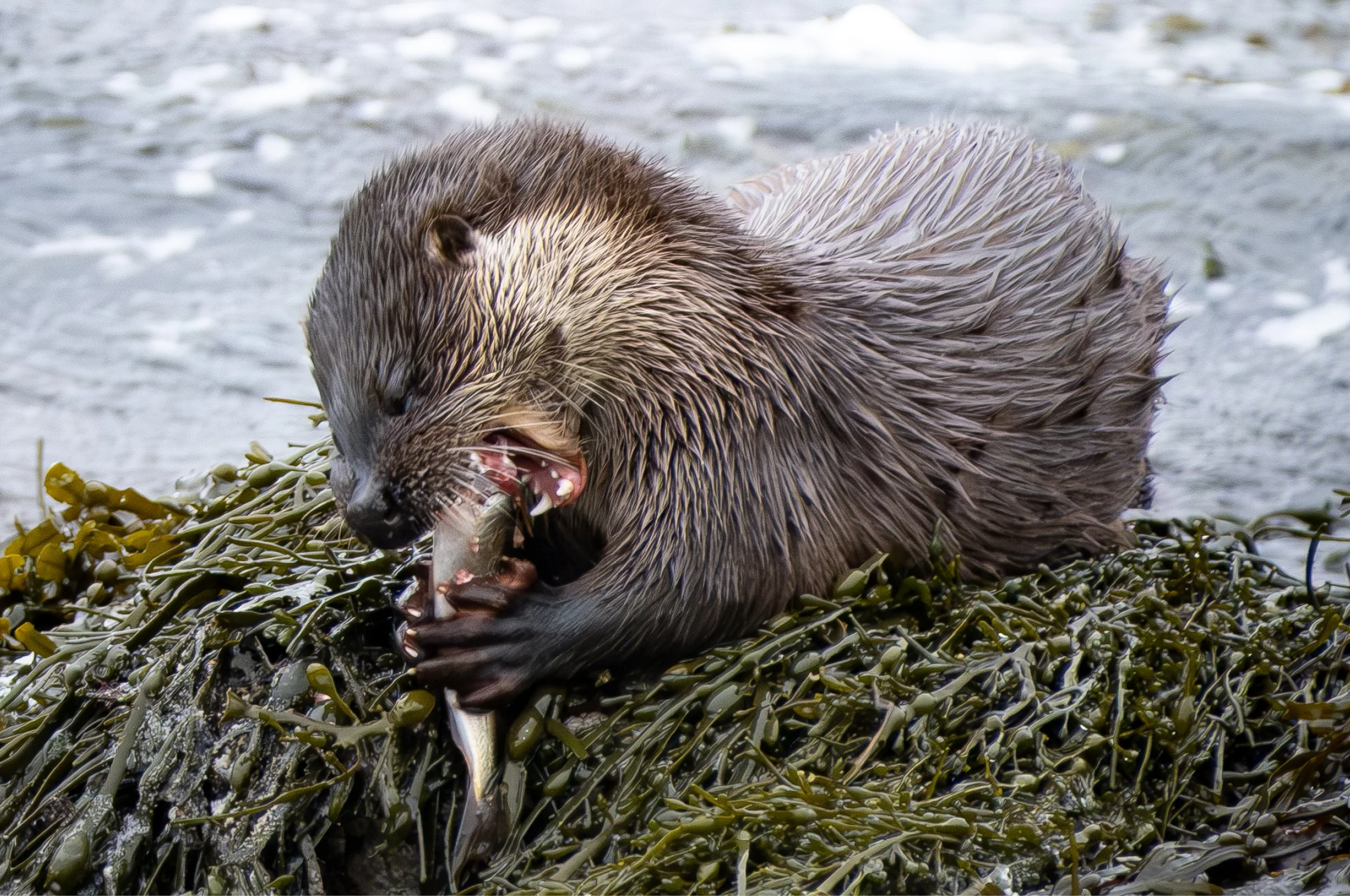
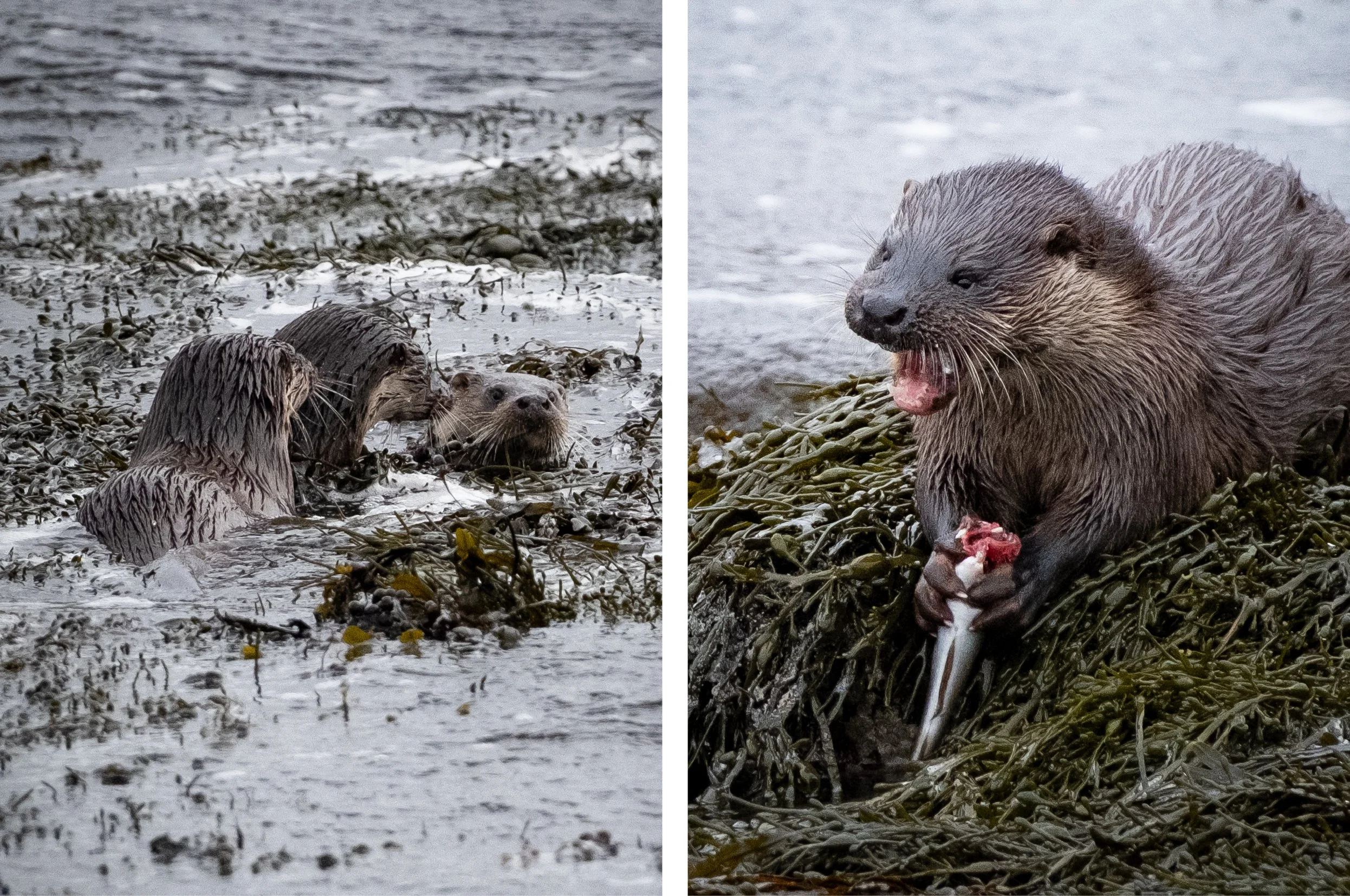
It’s a better time to spot otters who are typically active at dusk during the summer (and summer in Shetland has practically 24-hours of daylight throughout May, June and July).

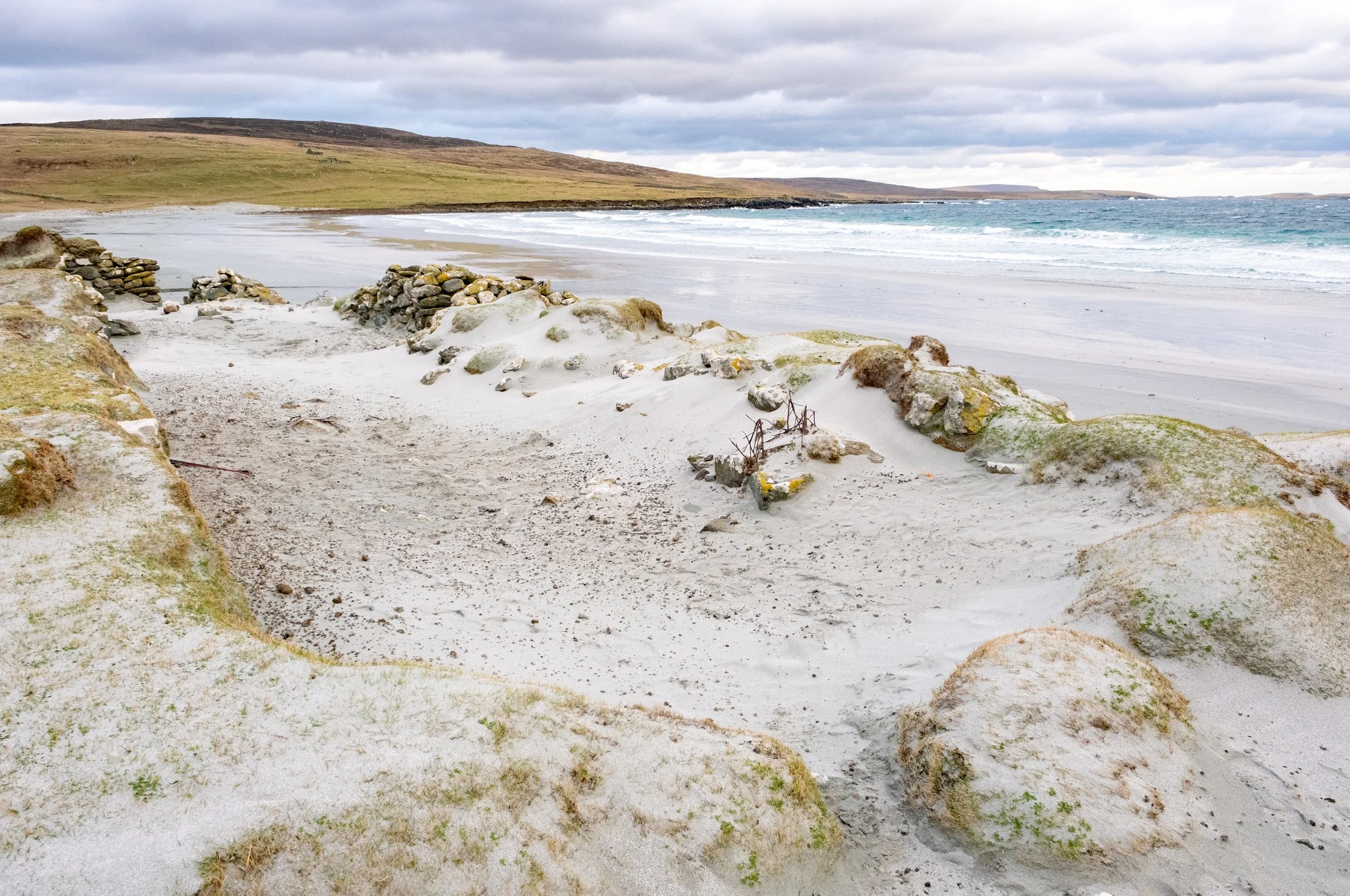
The light is less stark and brings out the colours of the rocks in the landscape and beachscapes. 

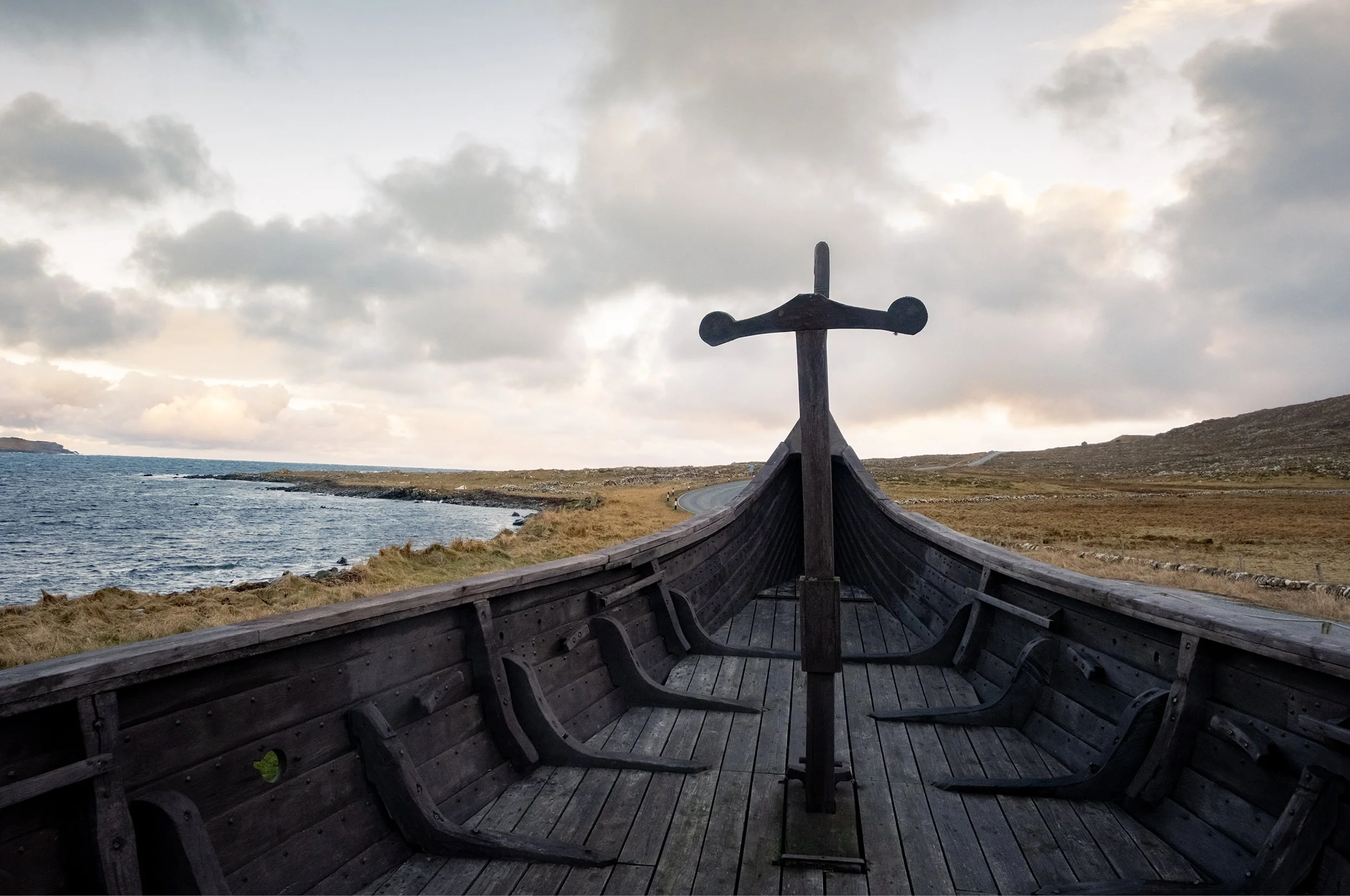
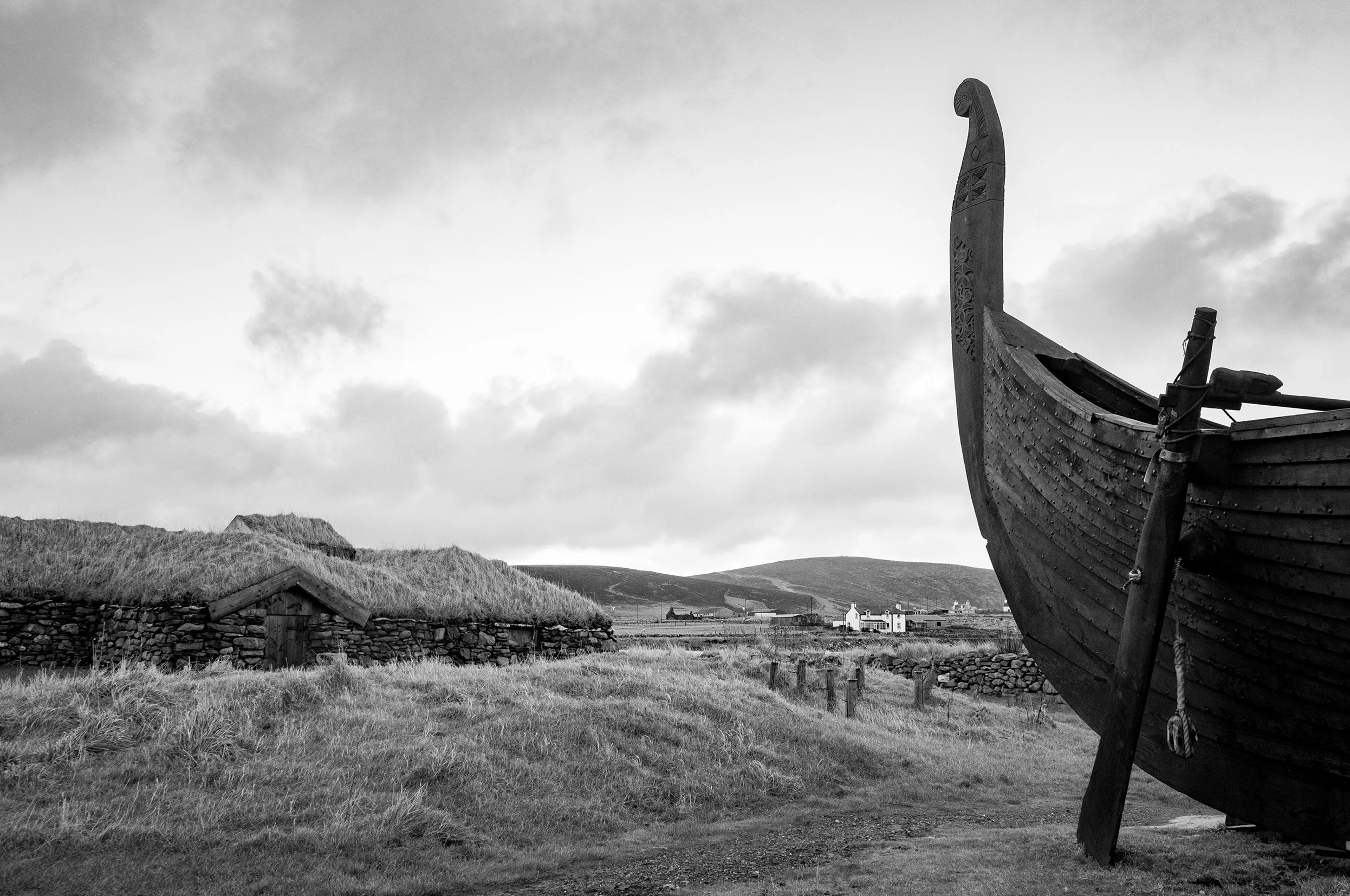
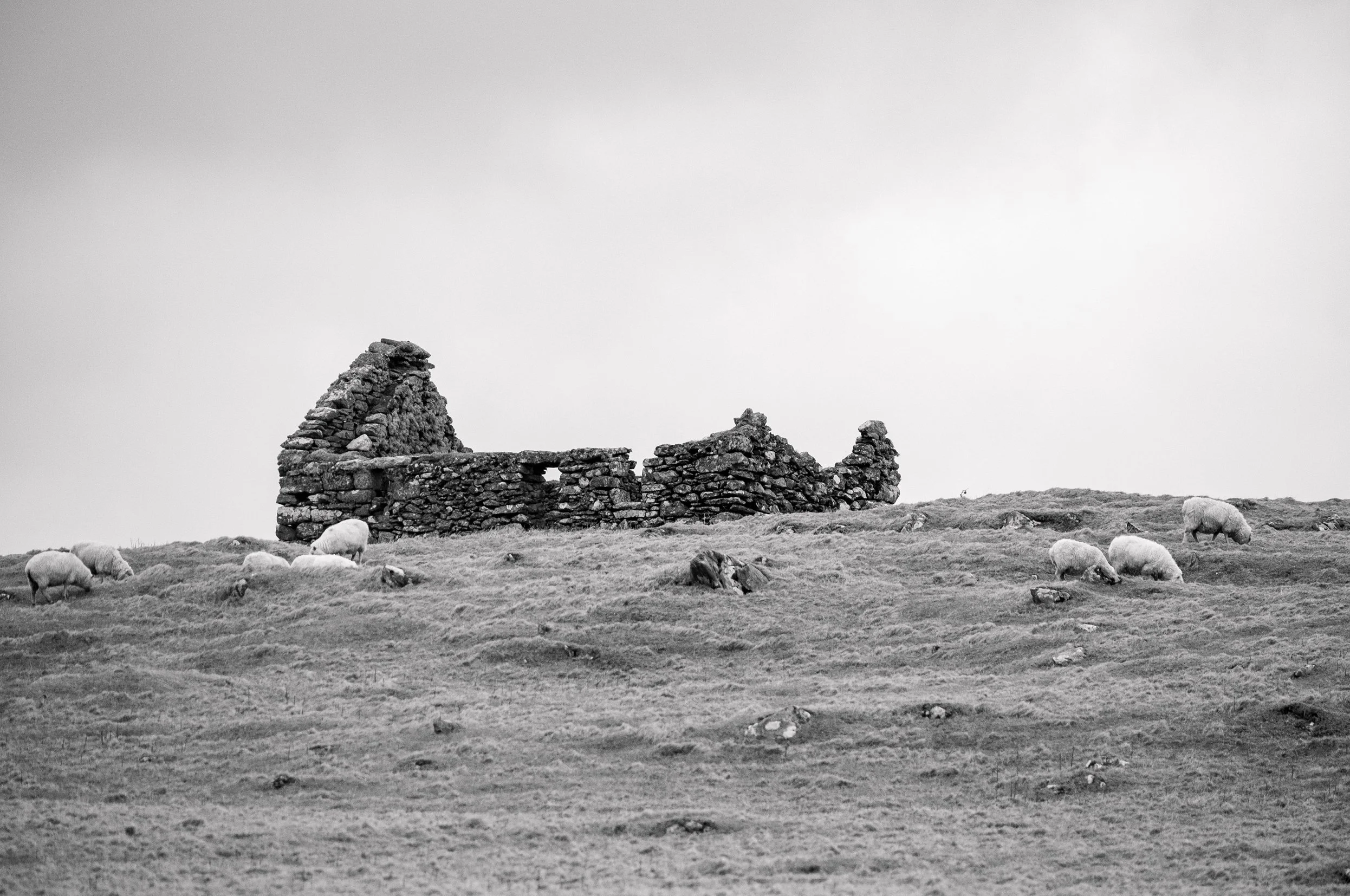
There’s a rich Viking history in these islands. The unassuming pile of rocks on a sandy beach is actually the remains of a Viking longhouse, built on the shores near Sandwick.

Shetland-islands-photos16.jpg
Shetland-islands-photos.jpg
Shetland-islands-photos2.jpg
SHETLAND-8820.jpg
Shetland-islands-photos4.jpg
Shetland-islands-photos3.jpg
Shetland-islands-photos5.jpg
Shetland-islands-photos11.jpg
Shetland-islands-photos6.jpg
Shetland-islands-photos7.jpg
Shetland-islands-photos8.jpg
Shetland-islands-photos11.jpg
Shetland-islands-photos10.jpg
Shetland-islands-photos13.jpg
Shetland-islands-photos18.jpg
Shetland-islands-photos15.jpg
Shetland-islands-photos2.jpg

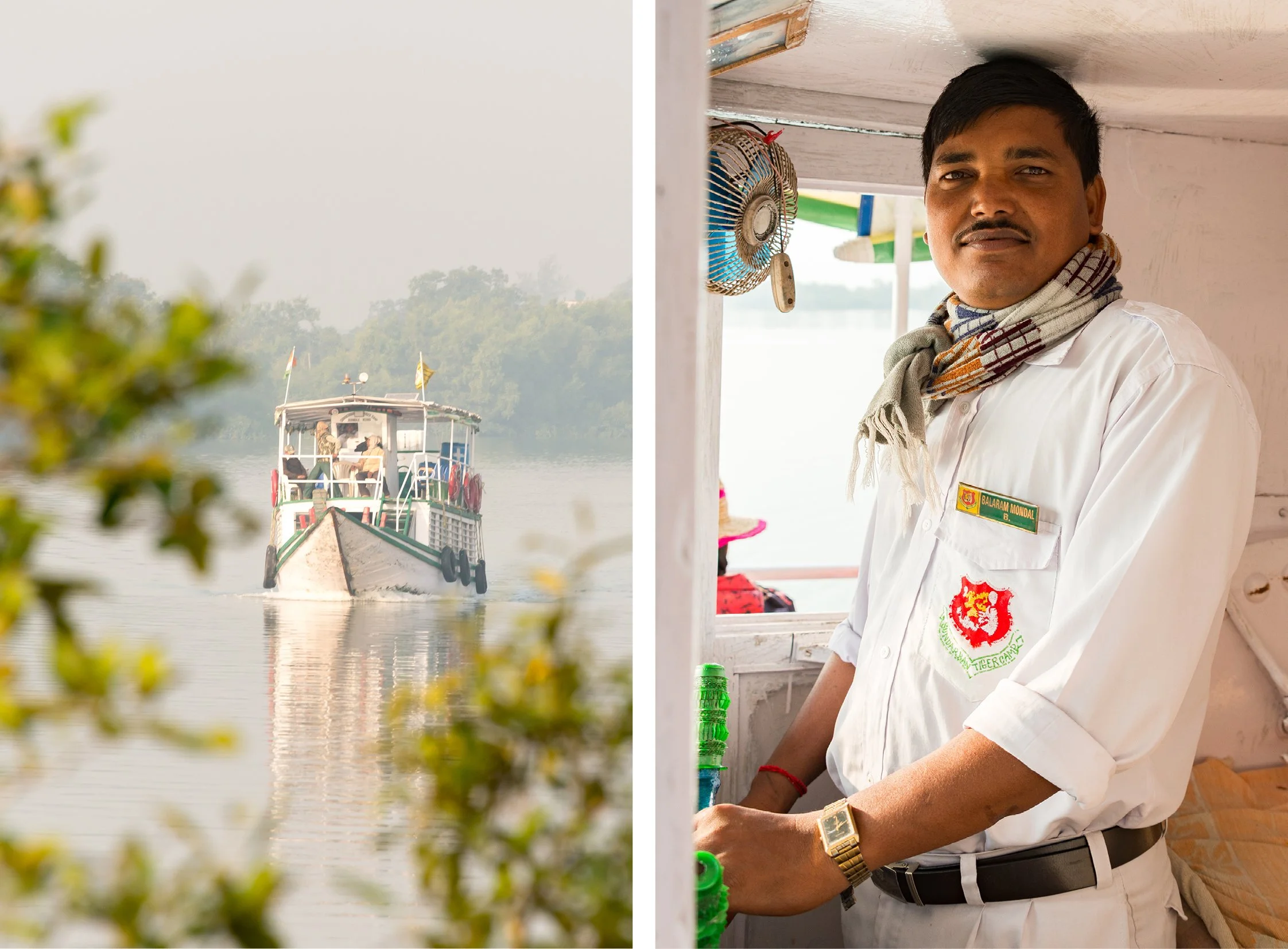
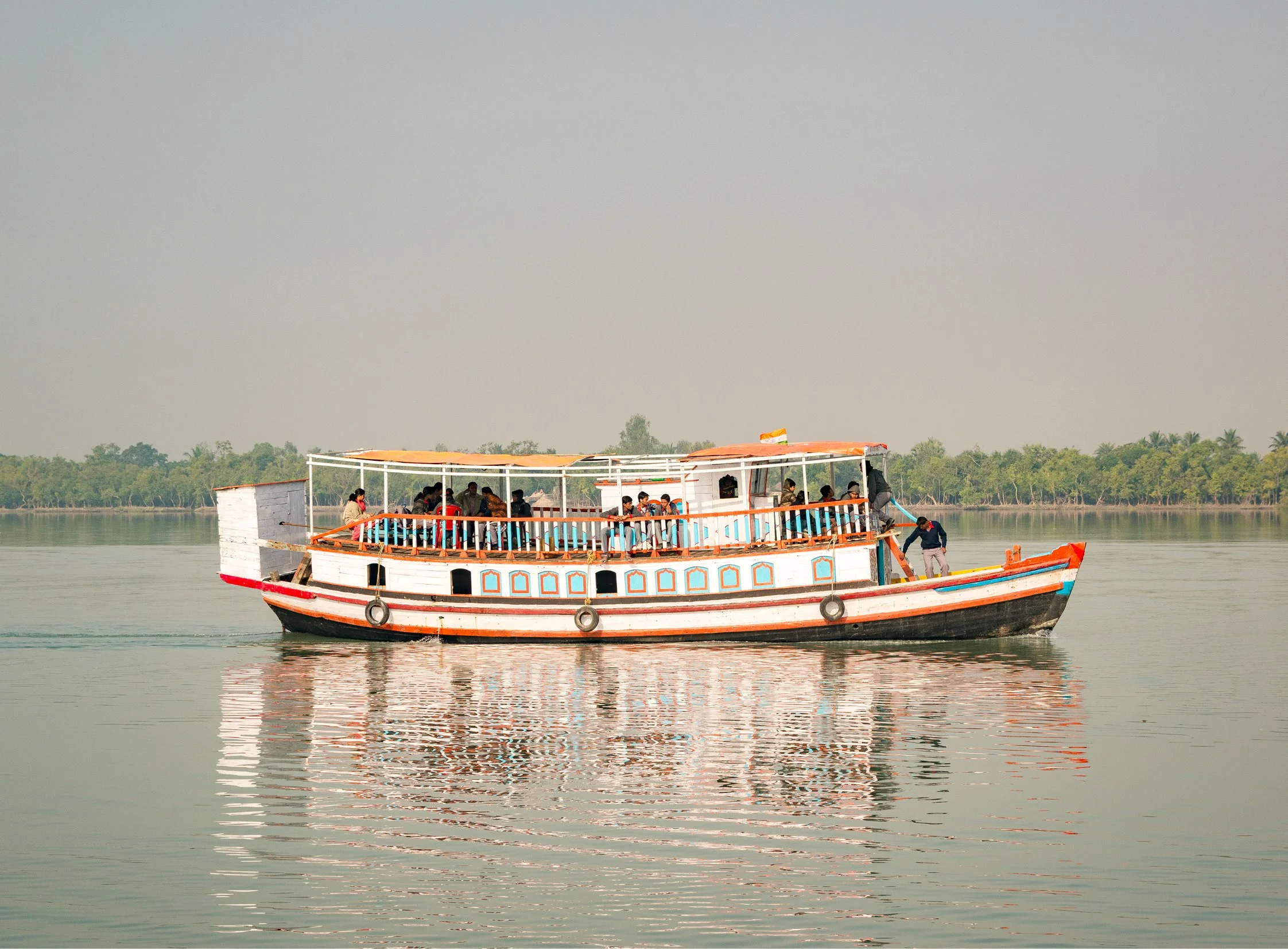
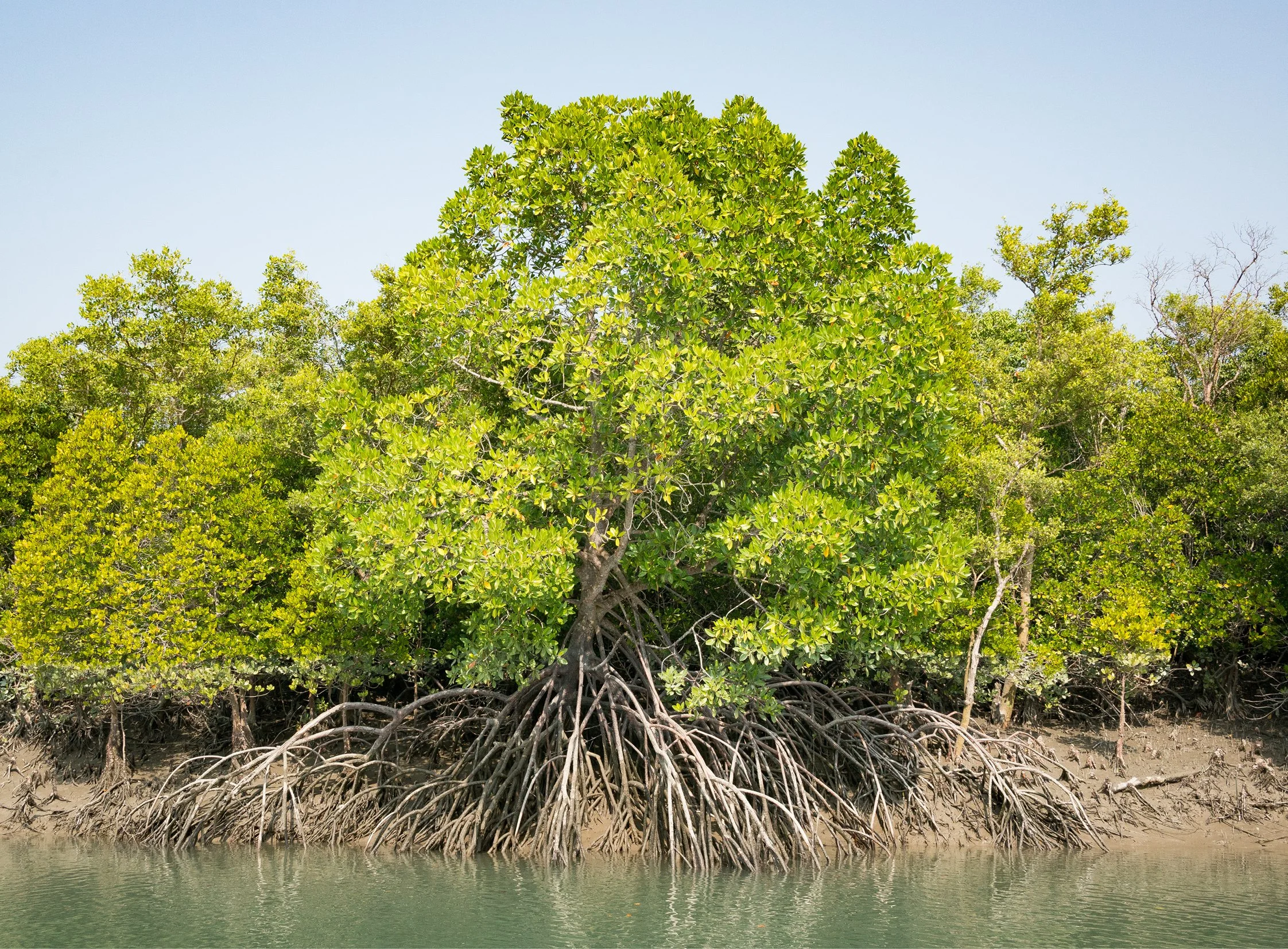
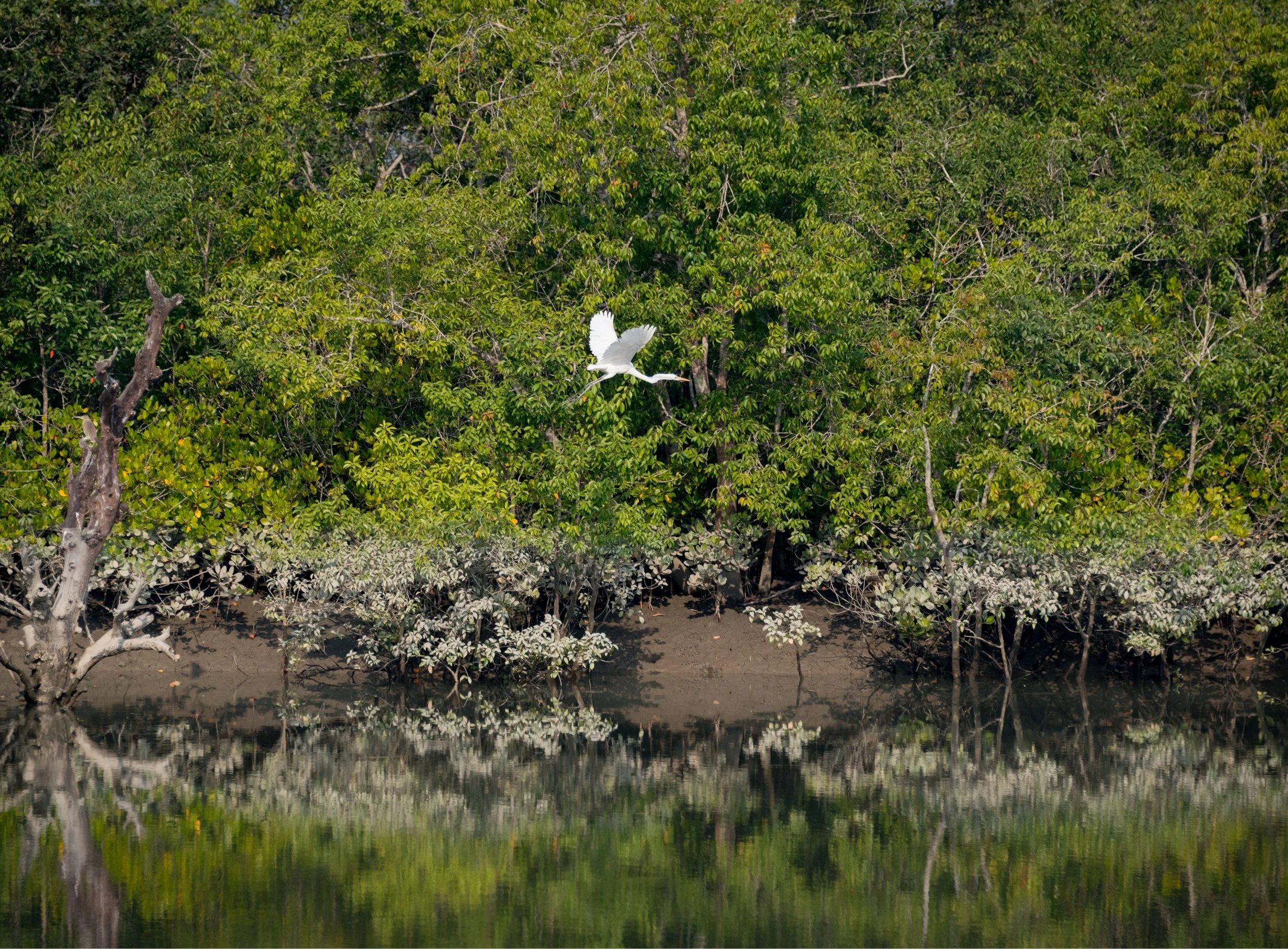
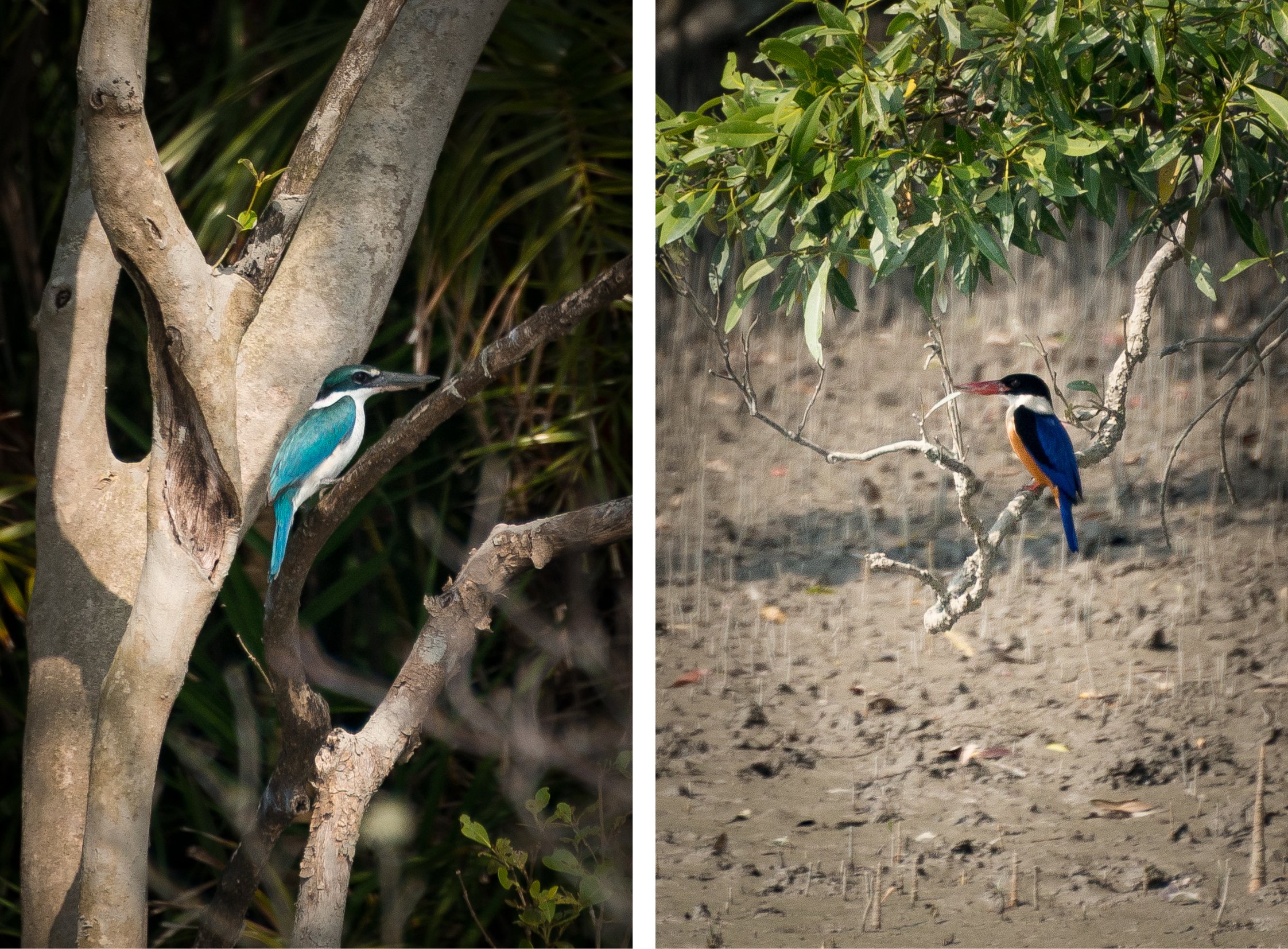
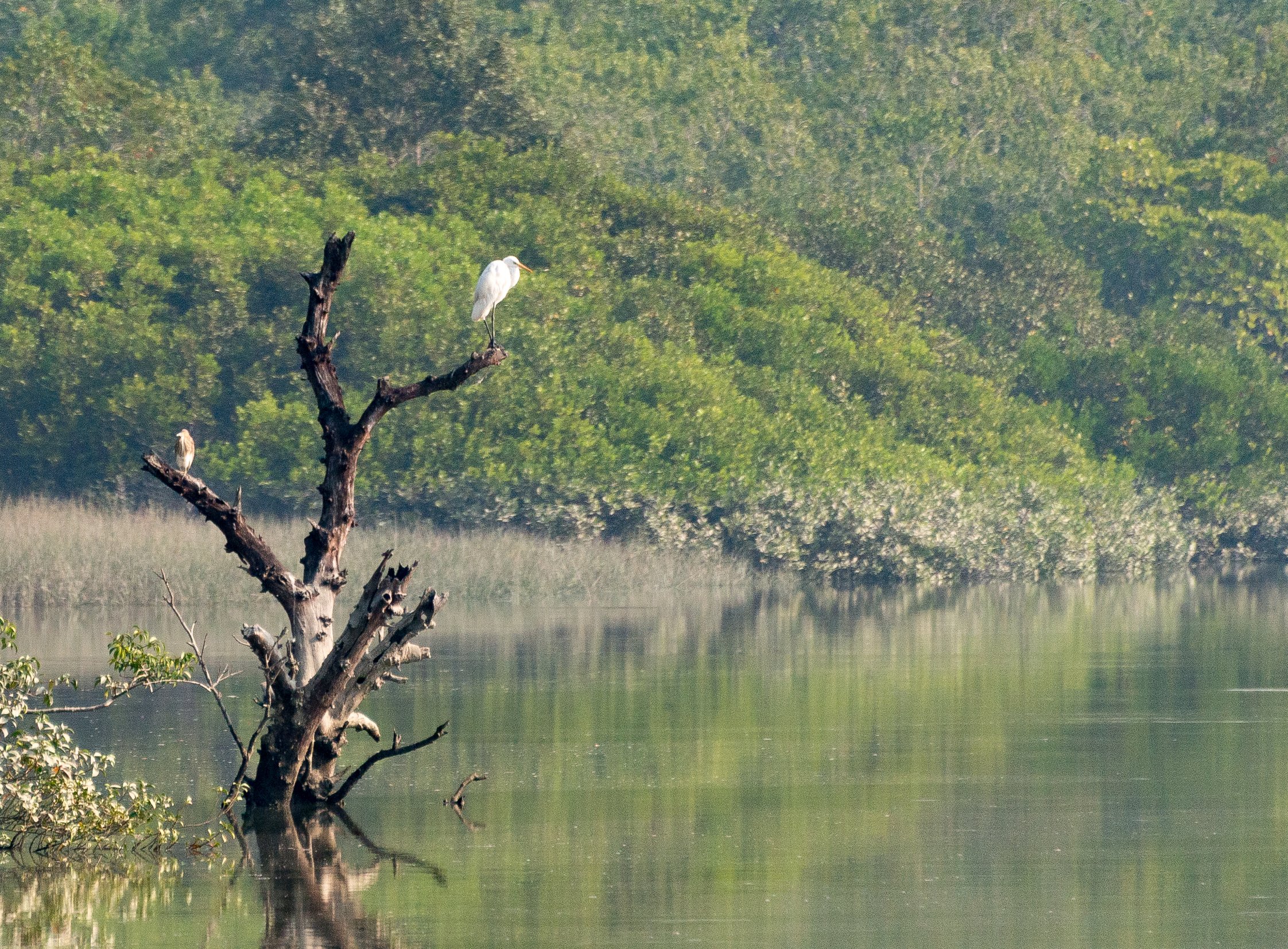
INDIA Sundarban safari

India-Sundarbans.jpg
India-Sundarbans2.jpg
India-Sundarbans3.jpg
India-Sundarbans8.jpg
India-Sundarbans4.jpg
India-Sundarbans6.jpg
India-Sundarbans11.jpg
India-Sundarbans7.jpg
India-Sundarbans13.jpg
India-Sundarbans5.jpg
India-Sundarbans12.jpg
India-Sundarbans10.jpg
India-Sundarbans9.jpg
India-Sundarbans14.jpg
India-Sundarbans15.jpg

SHETLAND Up Helly Aa

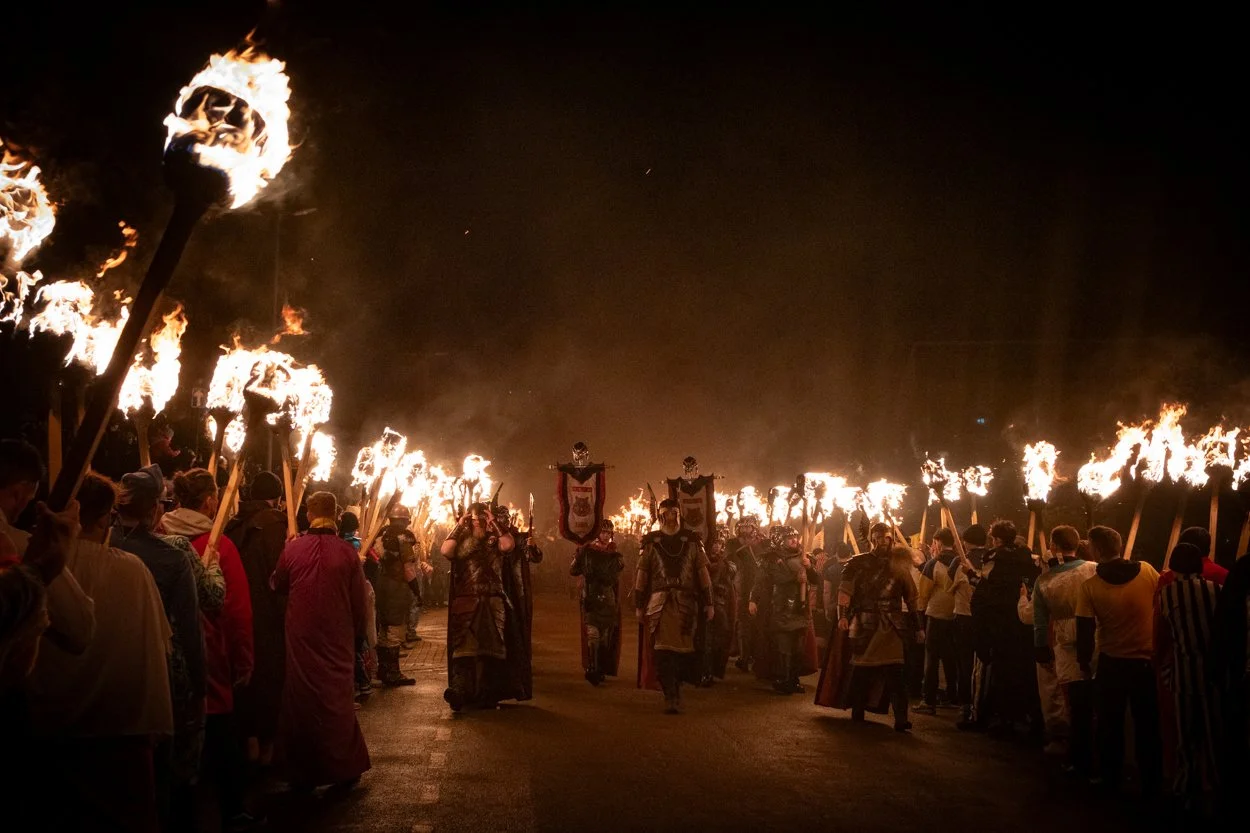
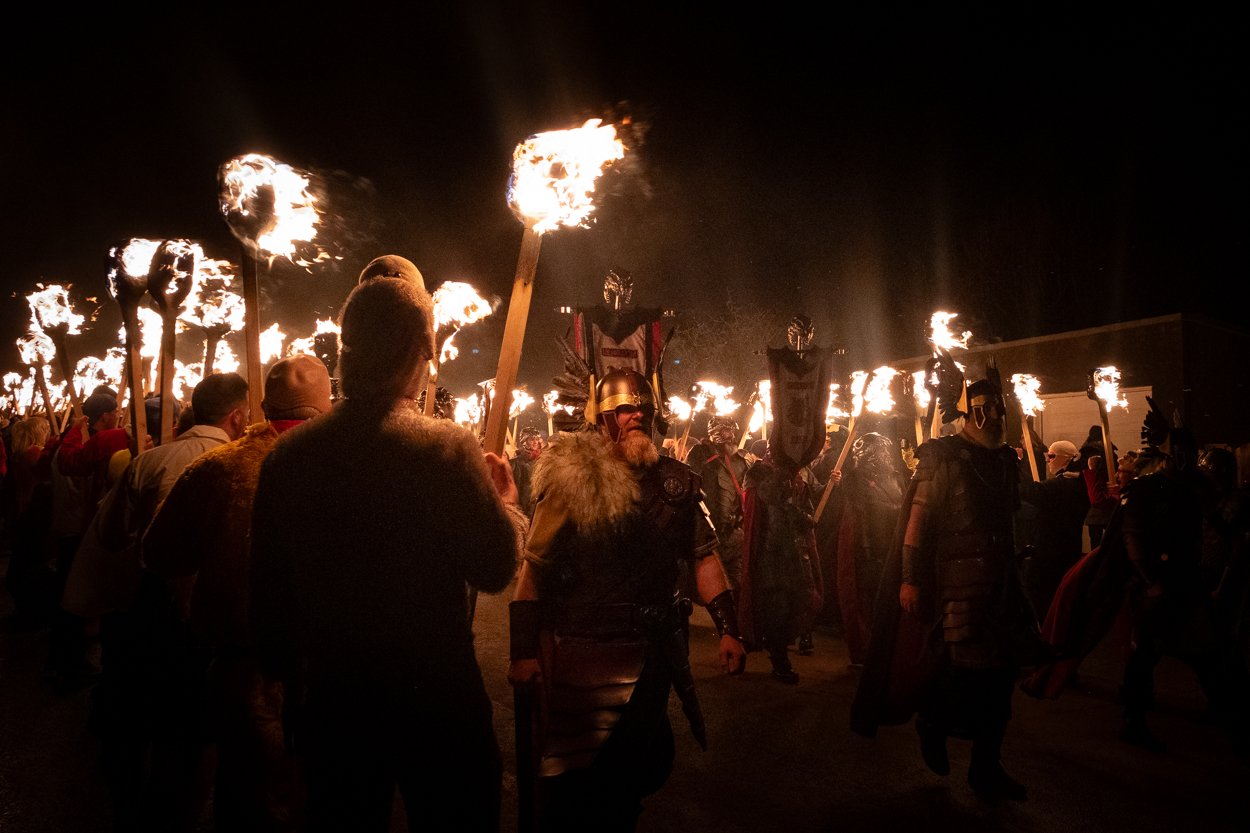
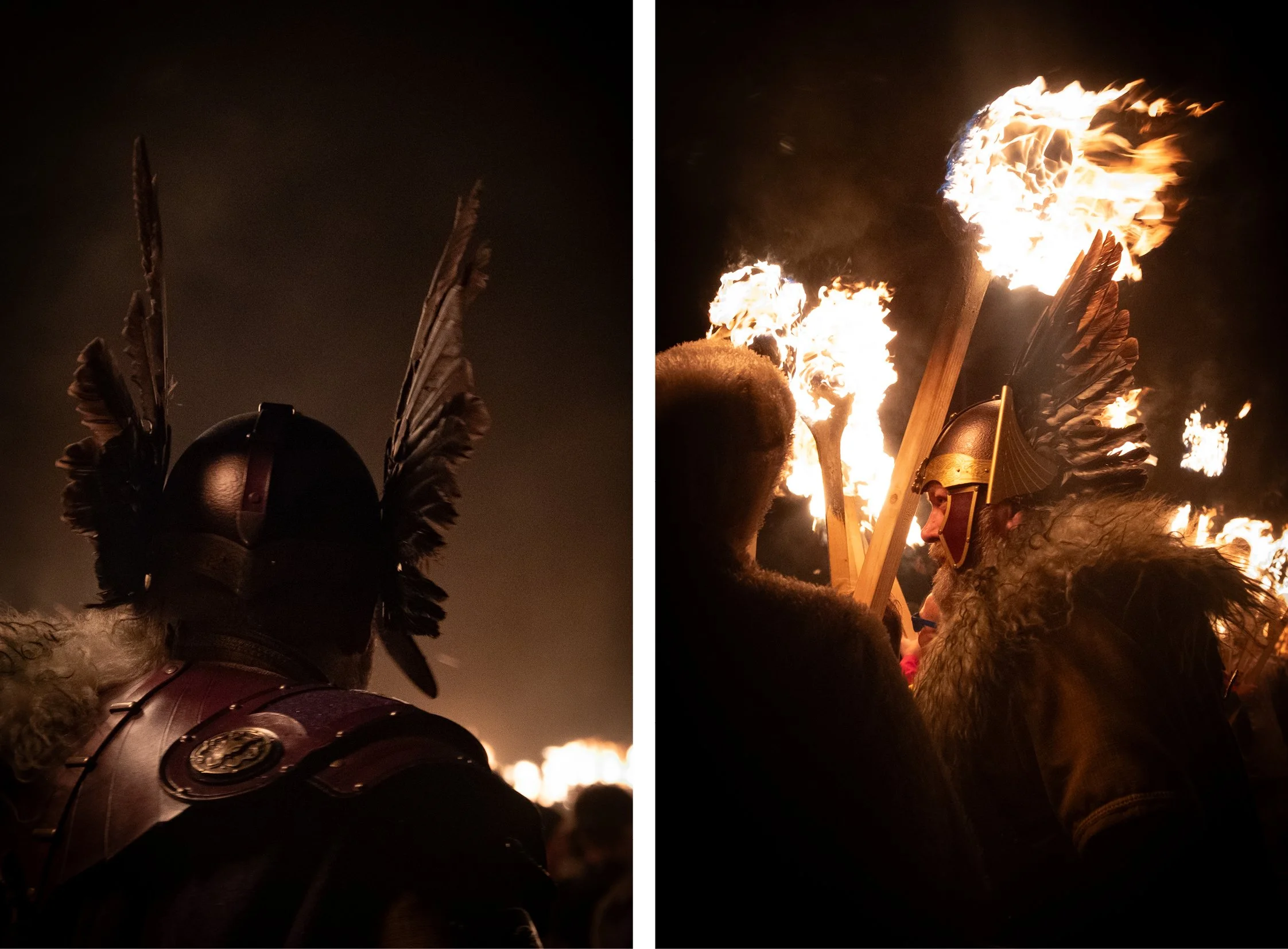
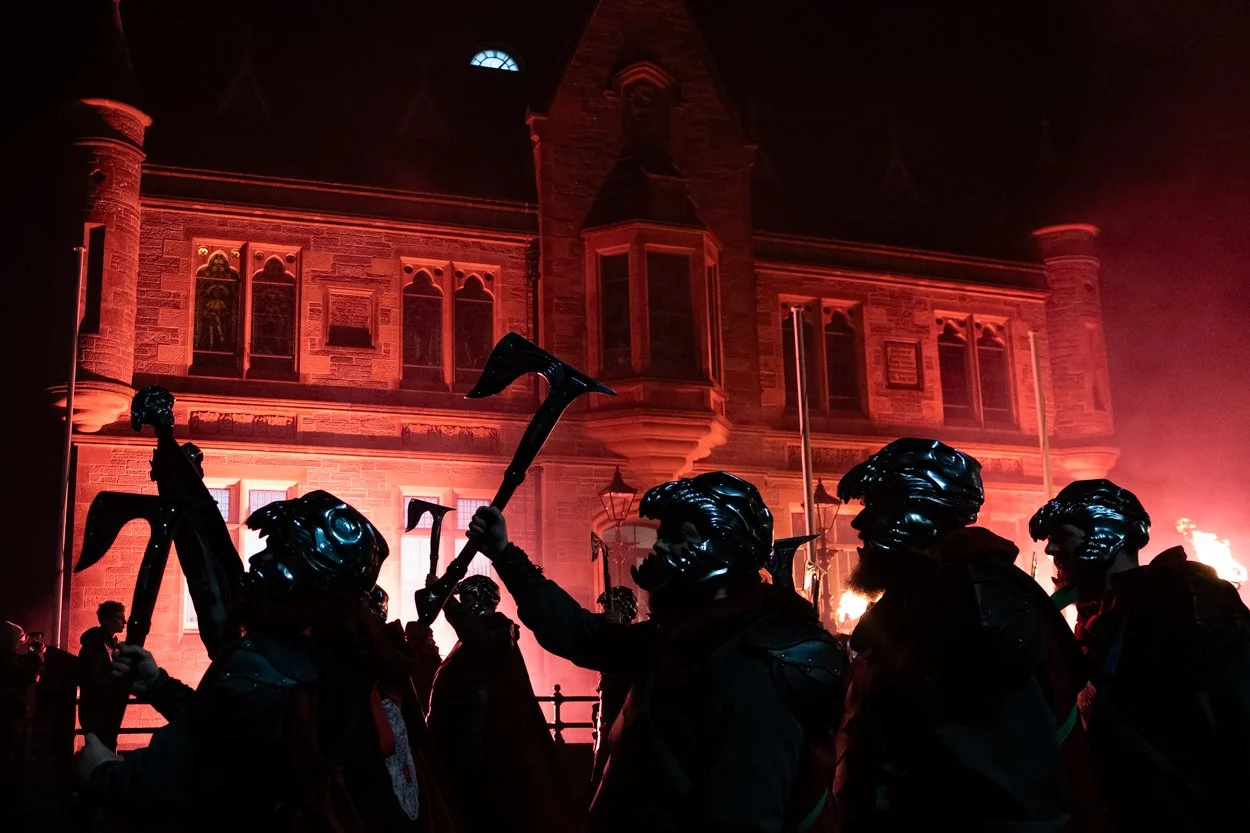
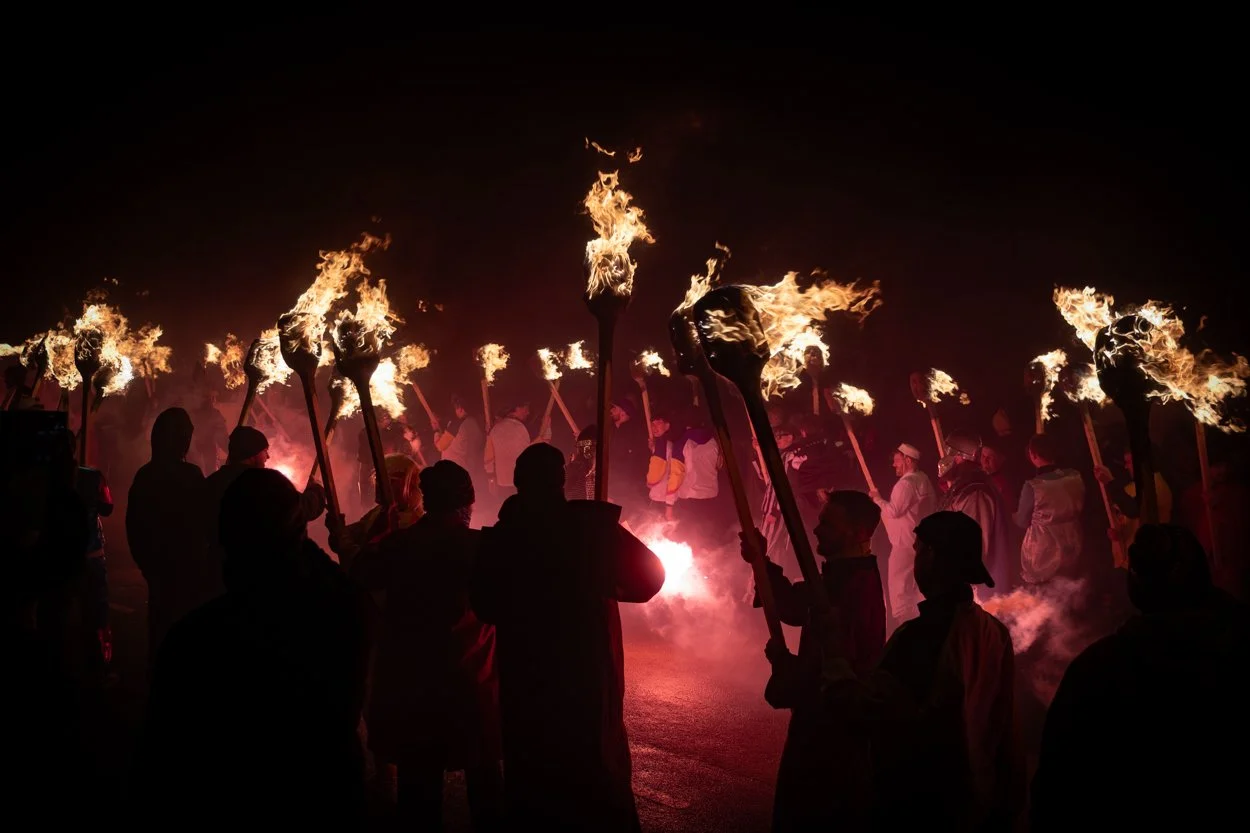
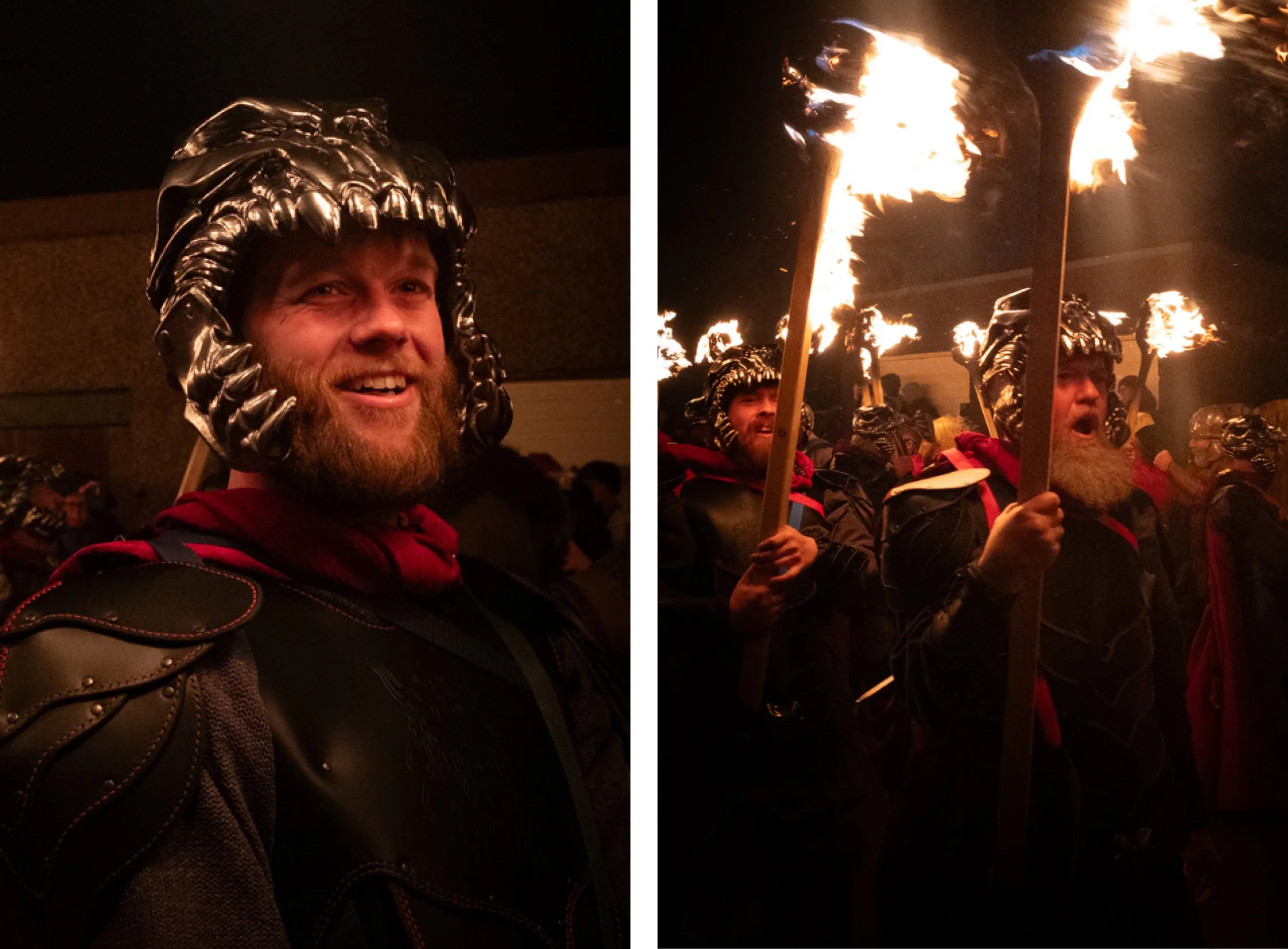
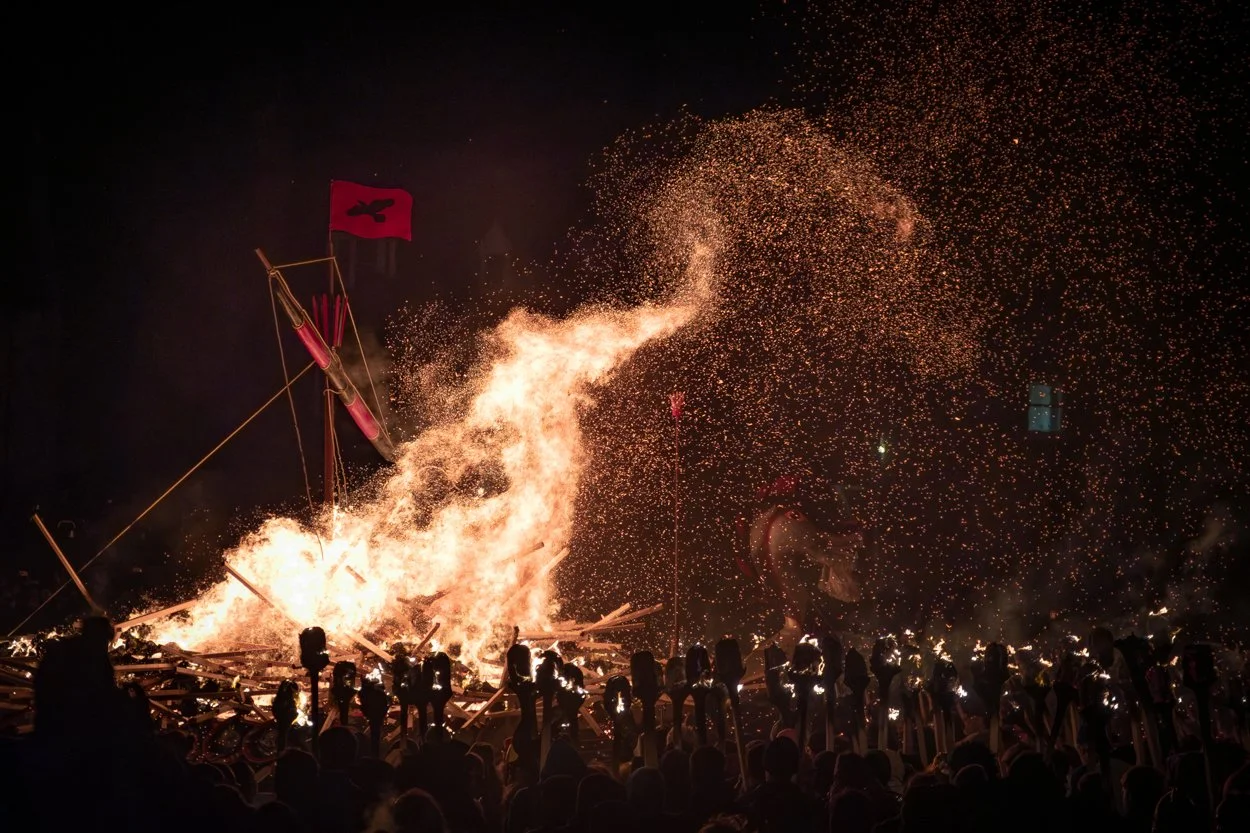
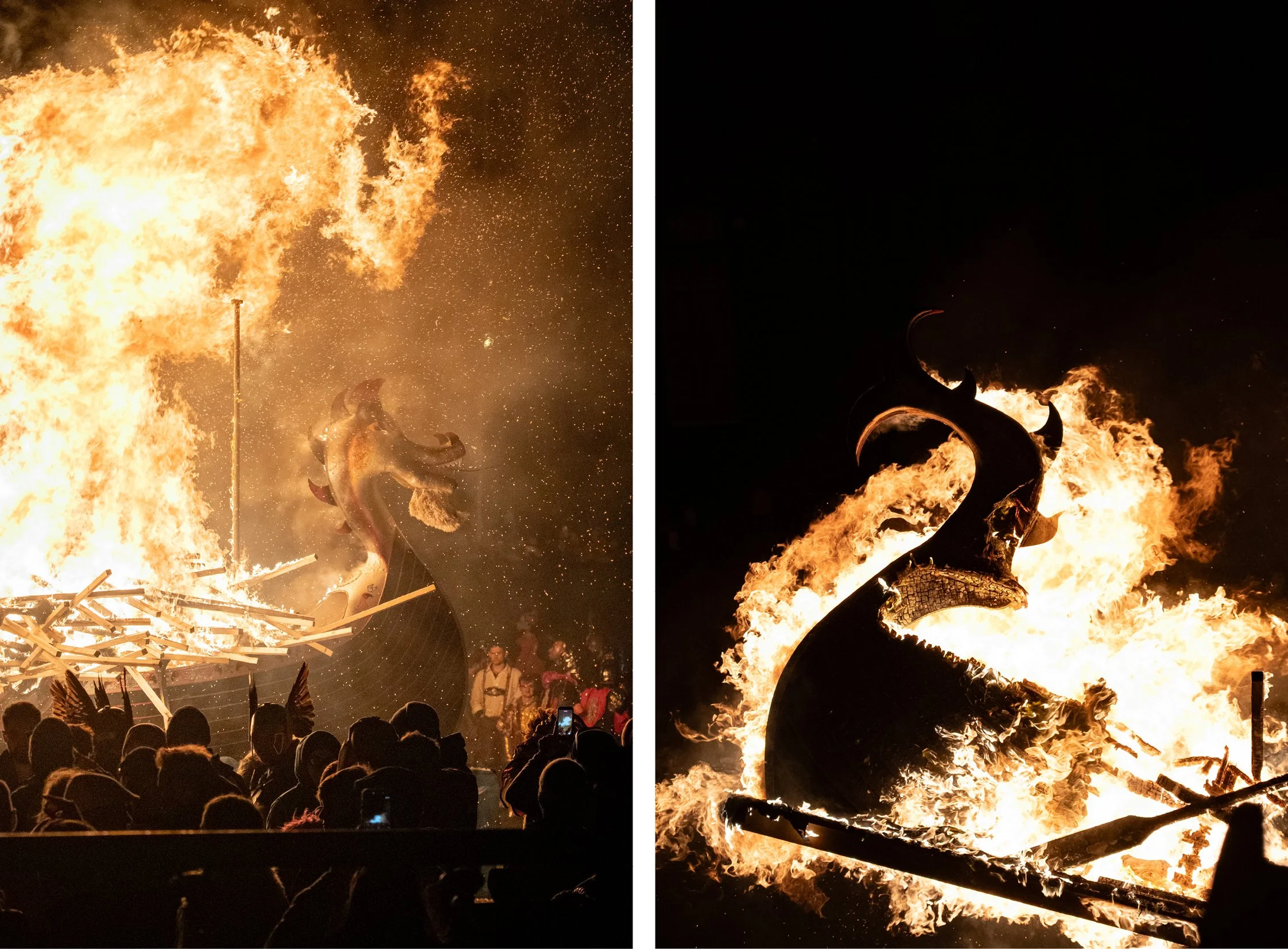
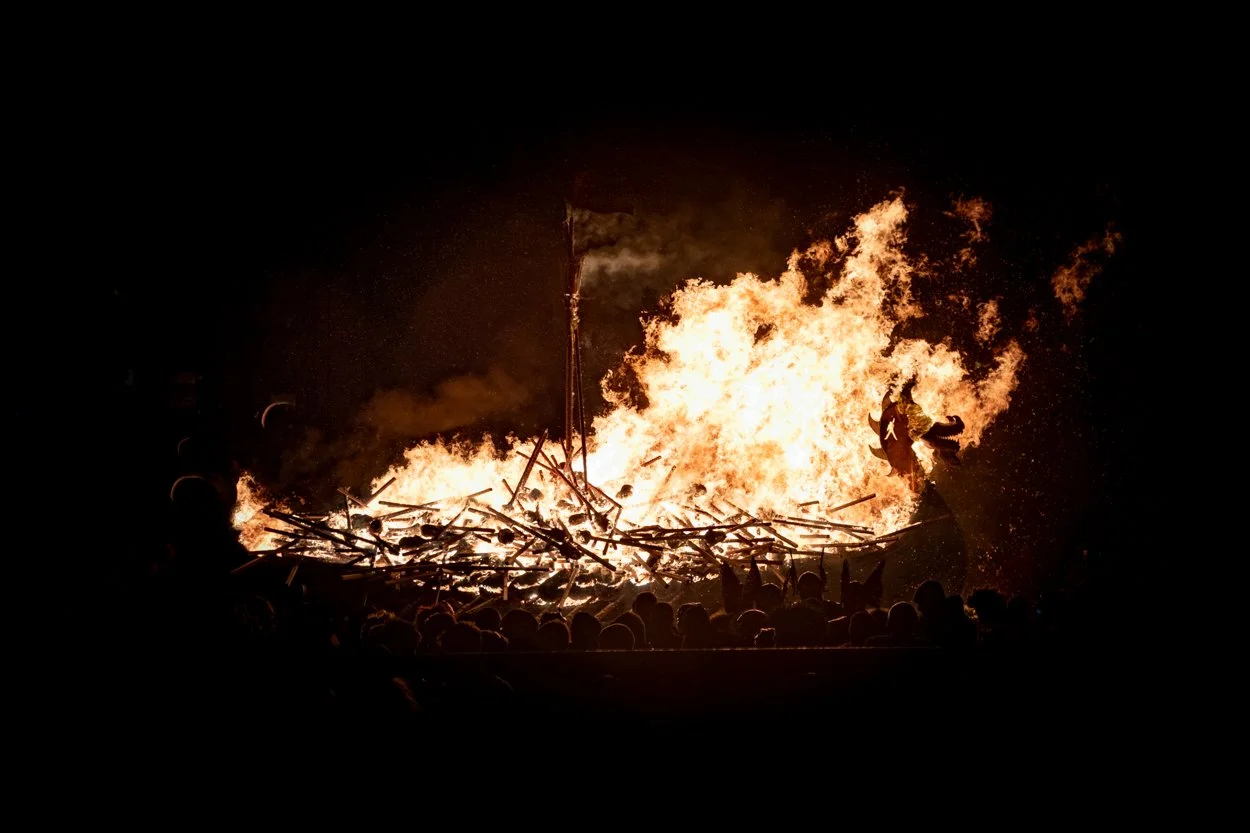
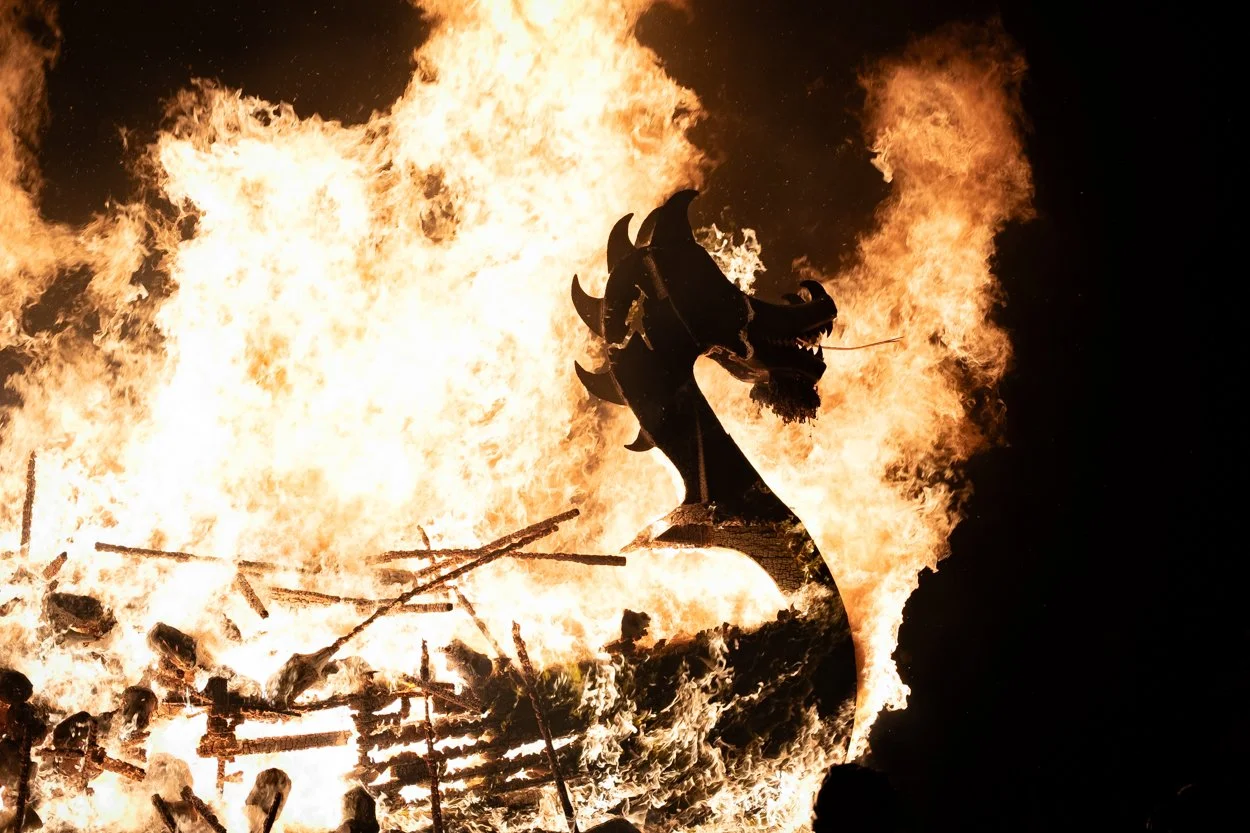
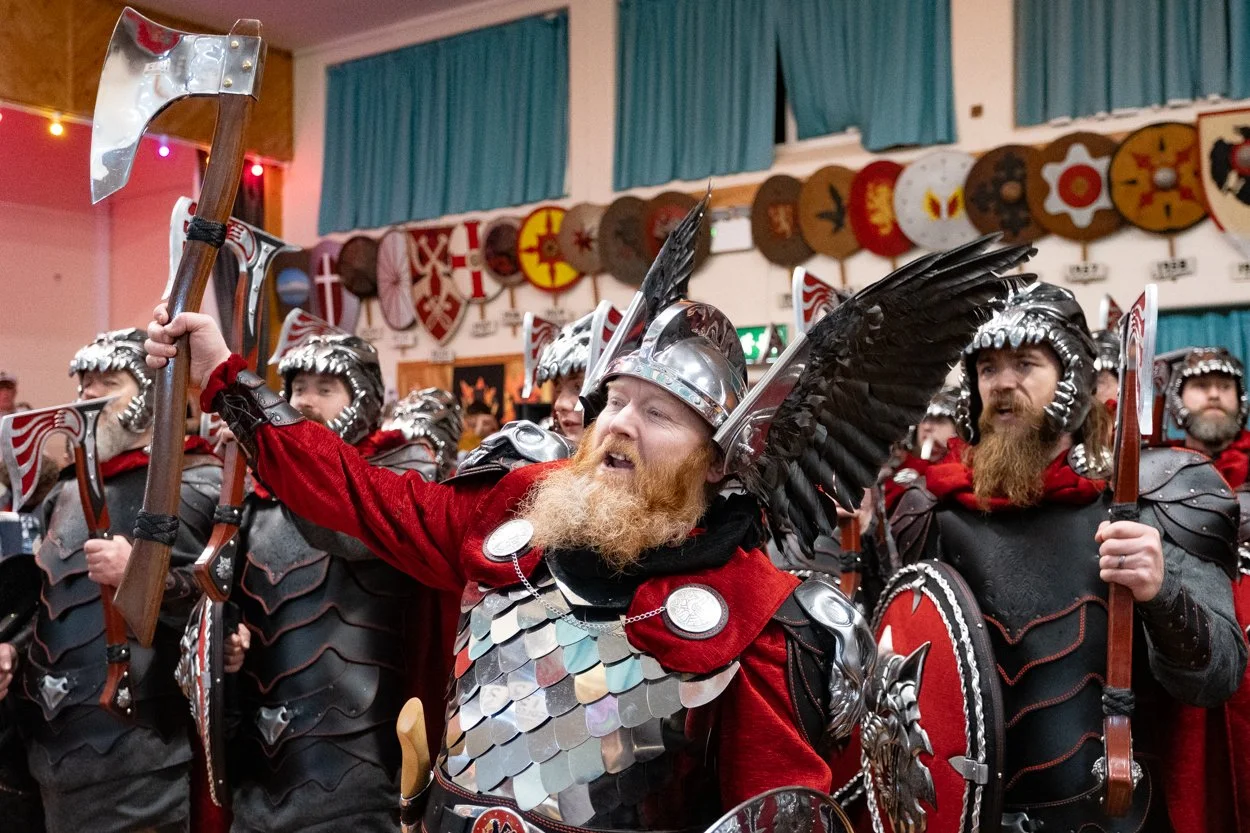
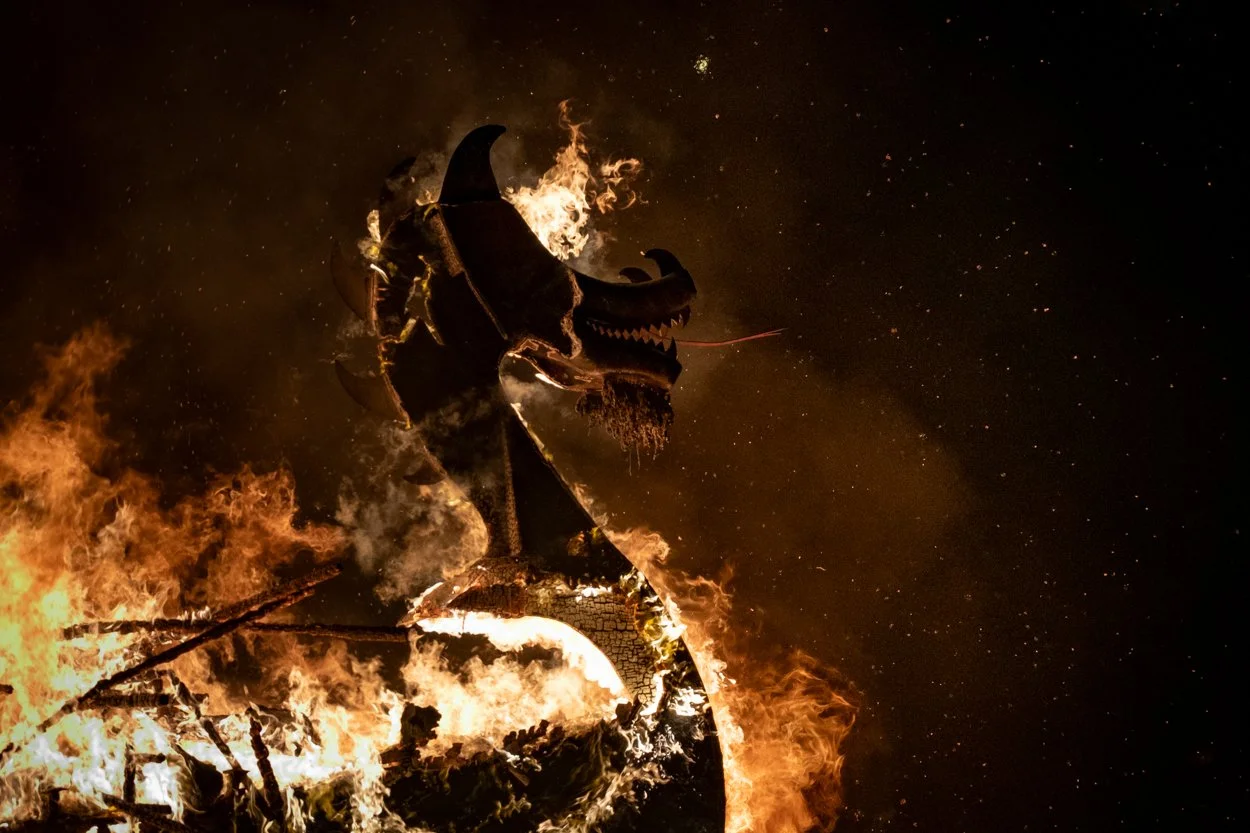
Up Helly Aa is the main winter fire festival held in Shetland’s capital, Lerwick, on the last Tuesday of January. The highlight of the event sees a replica wooden Viking ship wheeled through the streets, flanked by the Jarl Guisers along with 100+ torch bearers from 30-odd ‘squads’. When the ship reaches the grassy square in the heart of the town, each of the torch bearers throws their flaming sticks into the ship and it is set ablaze.

There are fire festivals throughout the winter – from early January till mid-March – across the scattered islands that comprise Shetland, but Lerwick’s shenanigans are the biggest and most well known. They’re also the most accessible to visitors; while Shetlanders are incredibly welcoming and hospitable, the fire festivals are predominantly a local affair, so locals get first dibs on the tickets.

Tickets for what, I hear you ask? After the embers of the ship begin to die down, each of the squads commence their visits to venues (each known as a ‘hall’), dotted around town. Traditionally, womenfolk do all the hosting at these venues (often in municipal buildings like schools) and supply hot drinks, soup, cakes and a tipple or two, while the menfolk – who comprise the squads – perform skits in each venue. 

The gender split is being challenged, however, by the younger generation. The Jarl Squad this year included five women, three of whom were all teenagers.

SHETLAND-Up-Helly-Aa-8309-3.jpg
SHETLAND-Up-Helly-Aa-9257.jpg
SHETLAND-Up-Helly-Aa-9261.jpg
Shetland-Up-Helly-Aa-photos2.jpg
SHETLAND-Up-Helly-Aa-9127.jpg
SHETLAND-Up-Helly-Aa-9207.jpg
Shetland-Up-Helly-Aa-photos3.jpg
SHETLAND-Up-Helly-Aa-9422.jpg
Shetland-Up-Helly-Aa-photos.jpg
SHETLAND-Up-Helly-Aa-9433.jpg
SHETLAND-Up-Helly-Aa-8310.jpg
SHETLAND-Up-Helly-Aa-9559.jpg

USA Nevada Cowboy Corridor

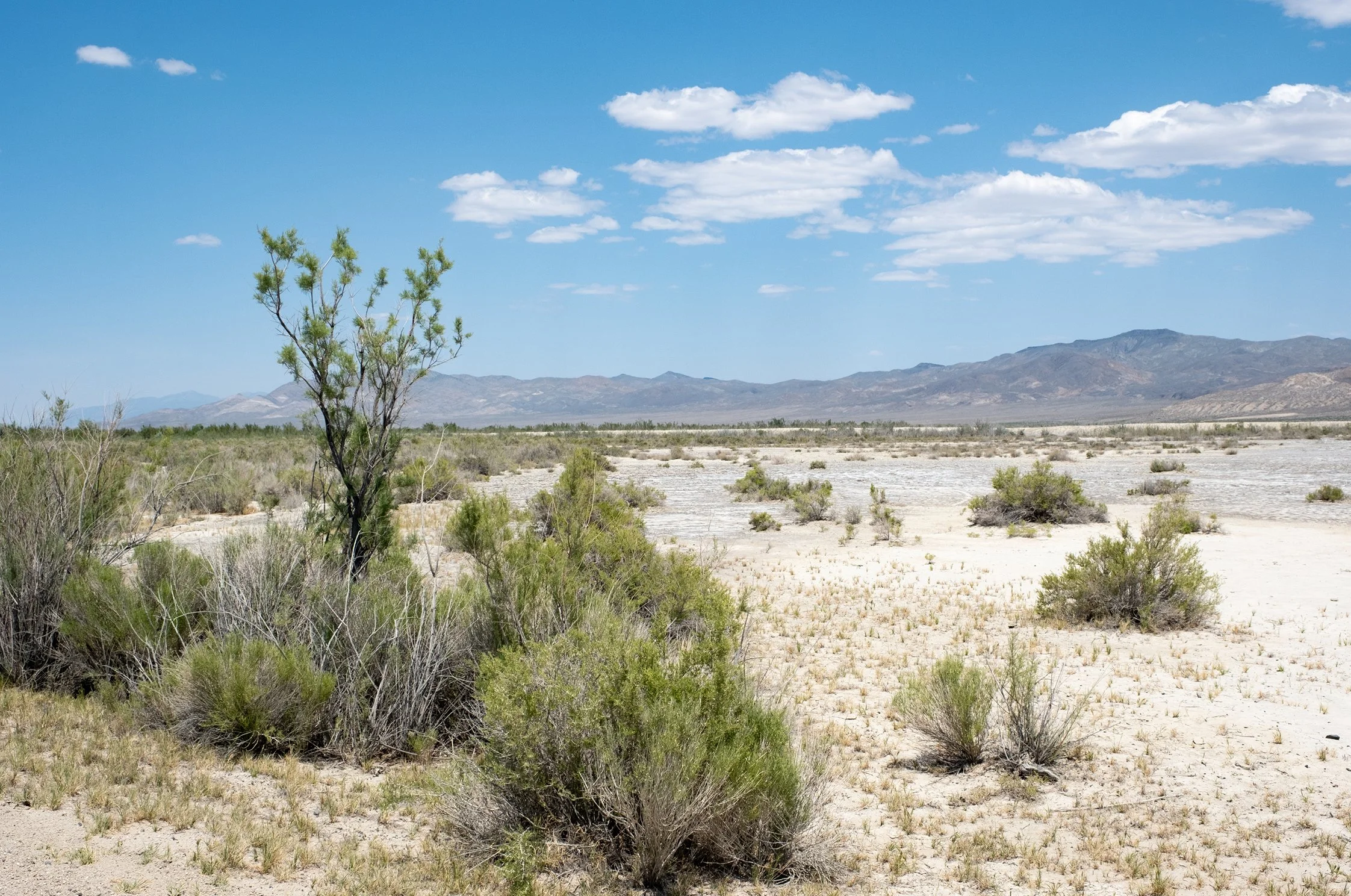
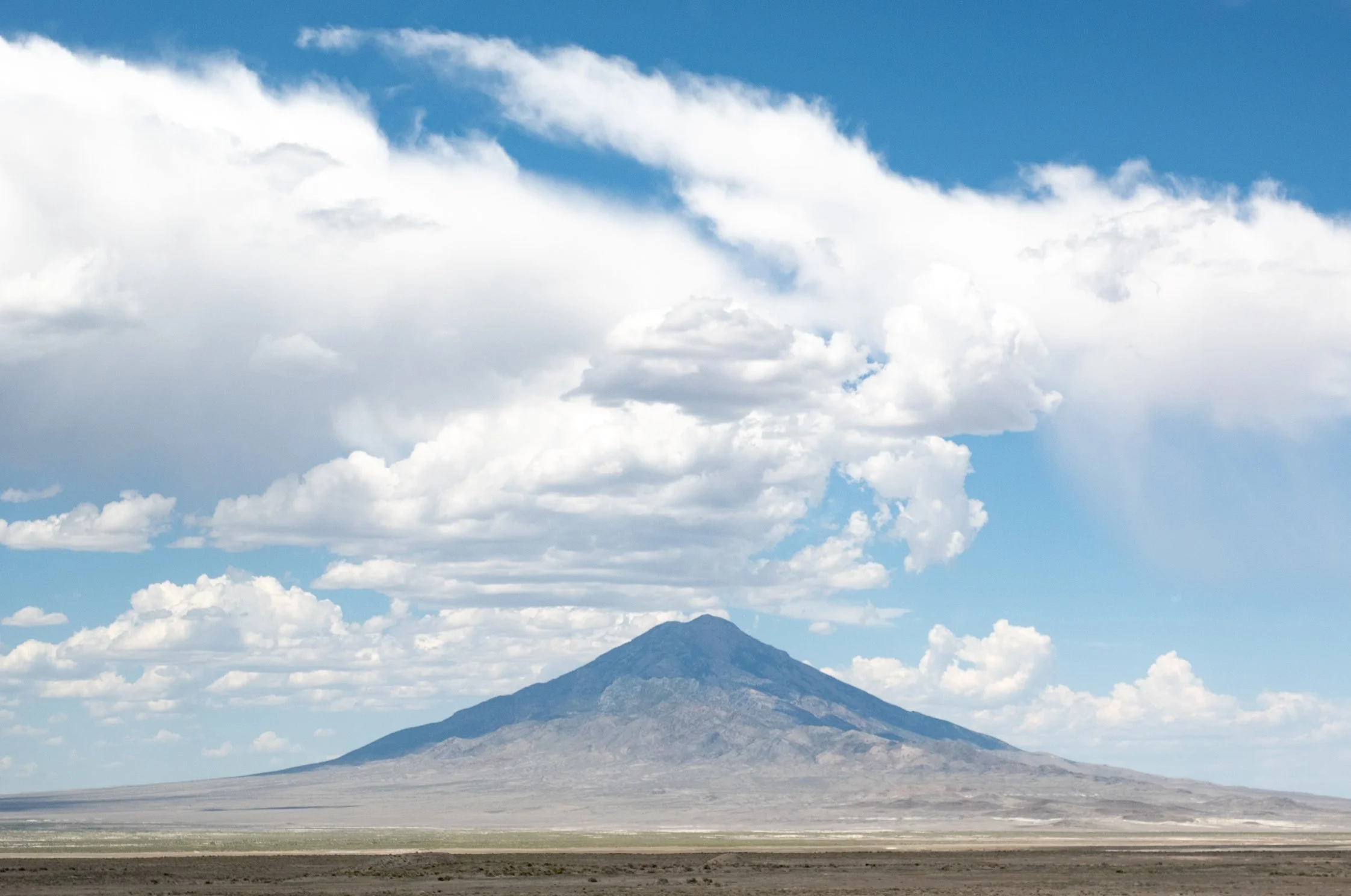
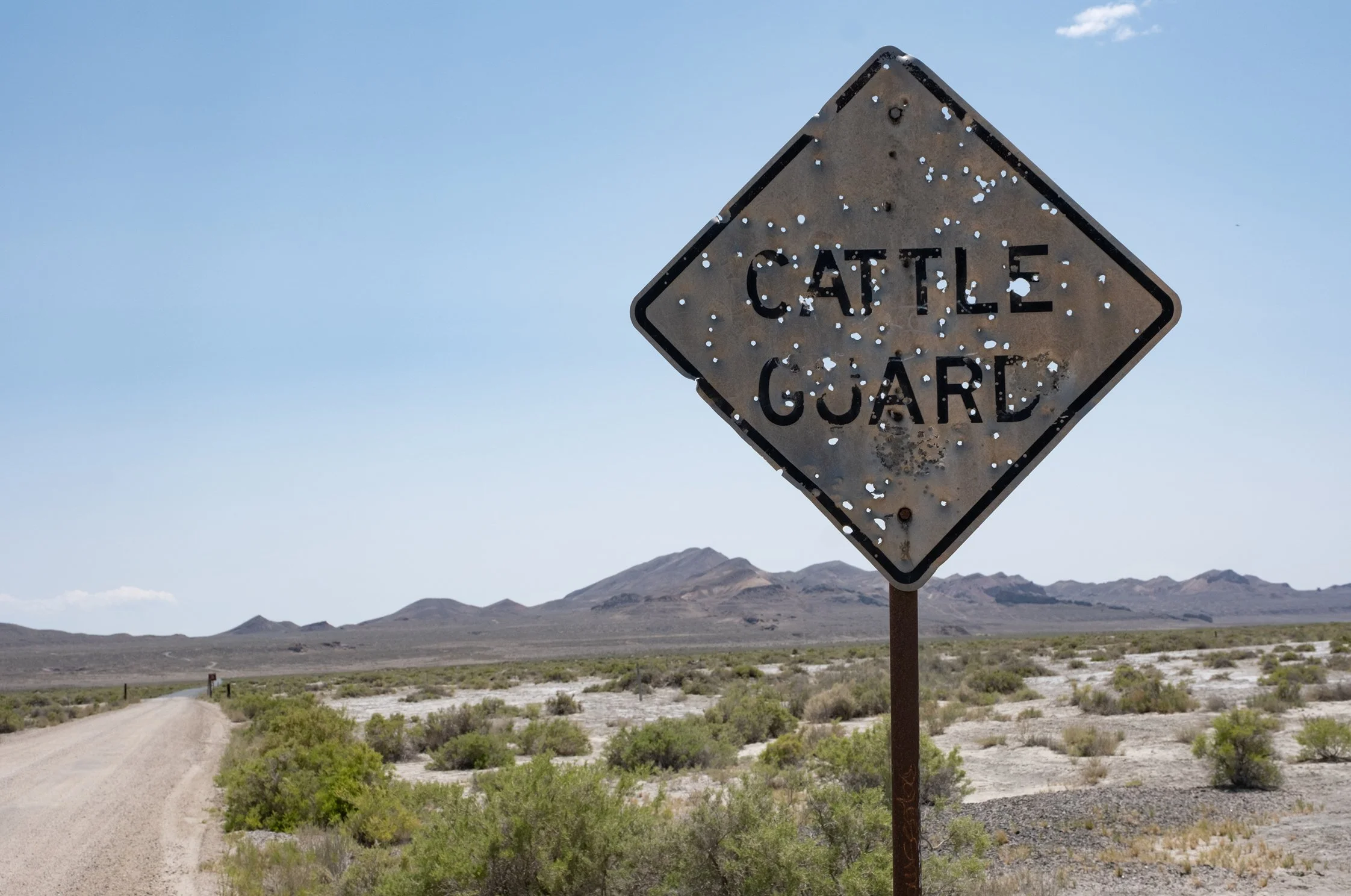
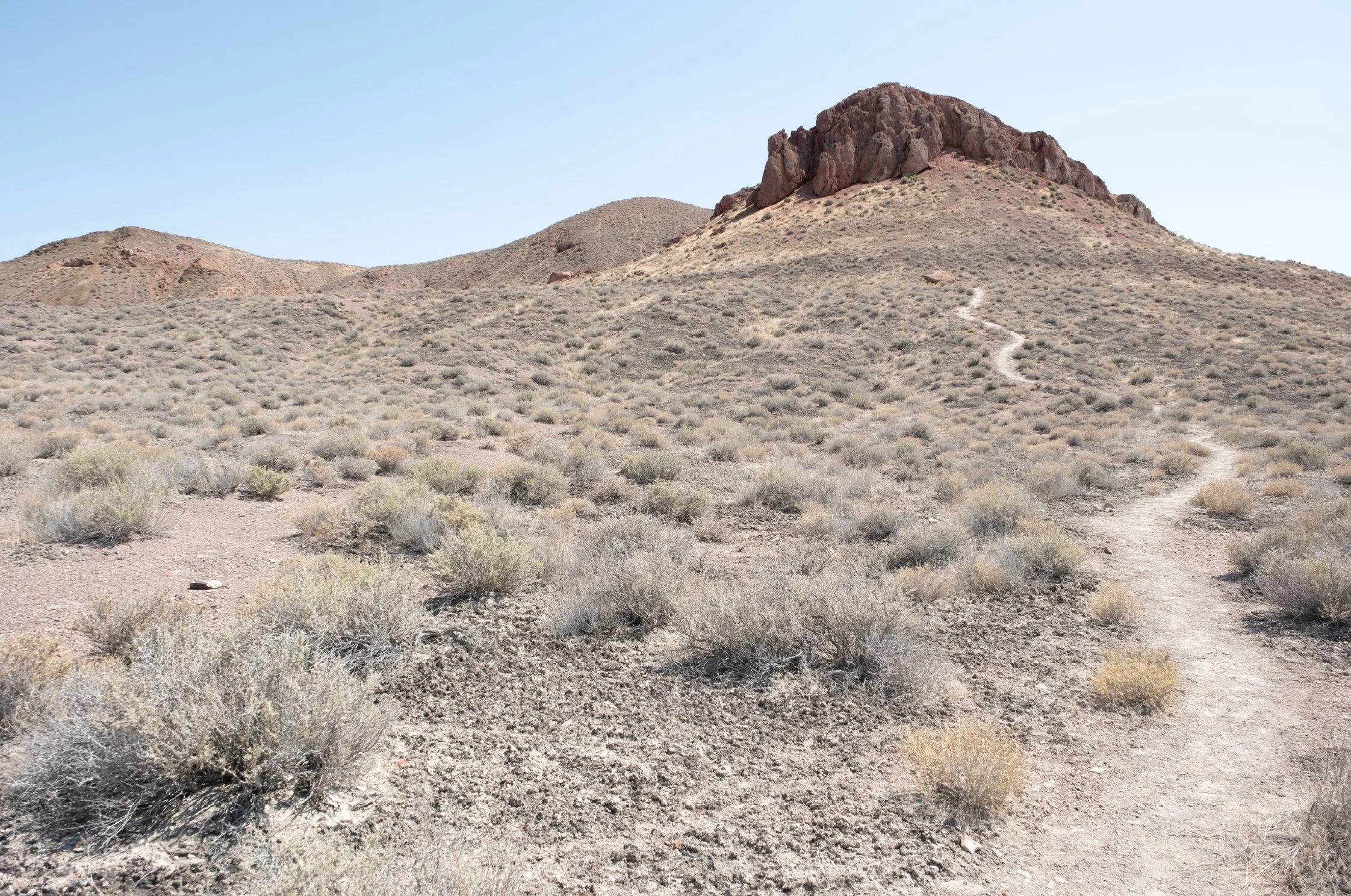
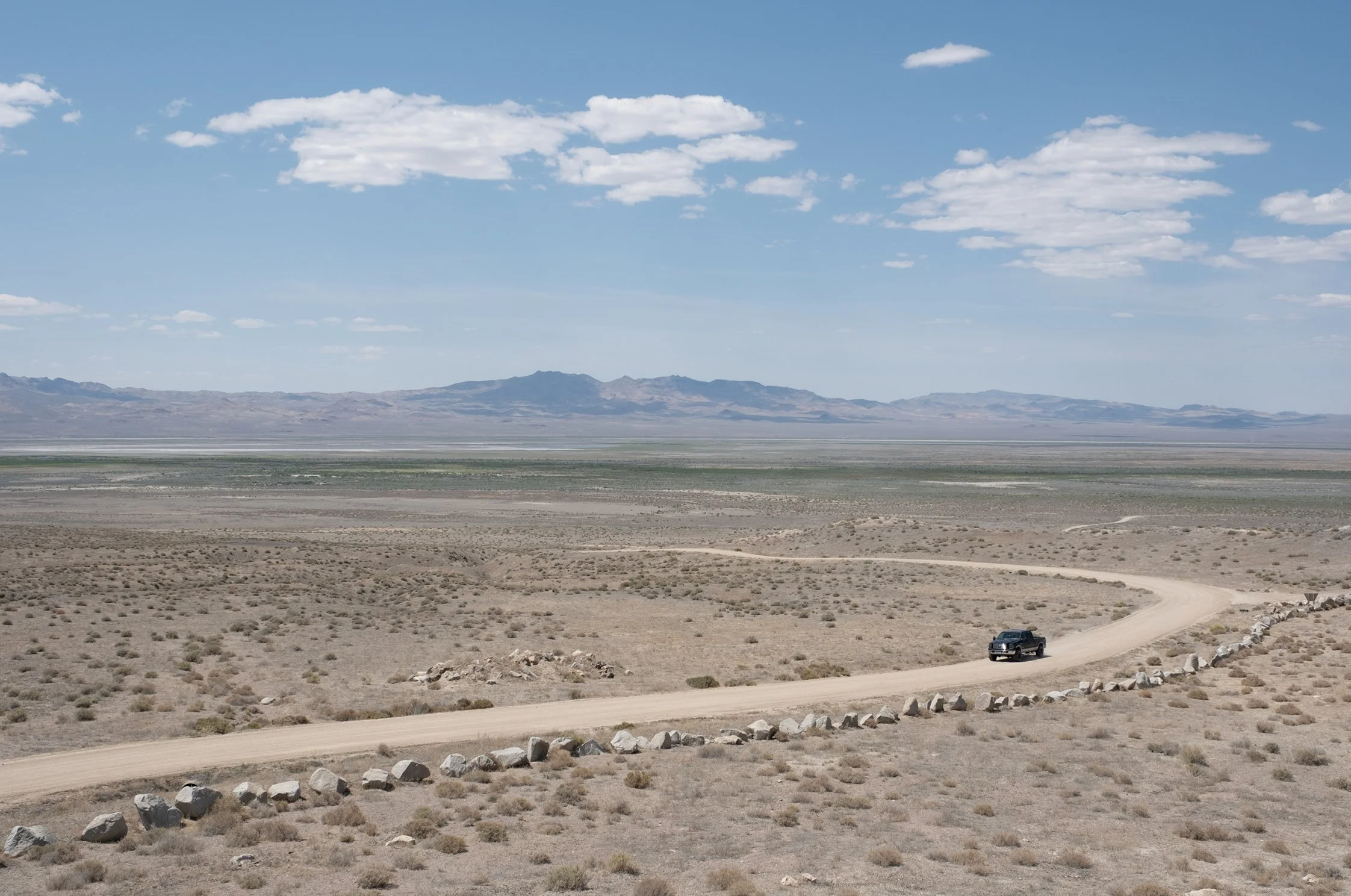
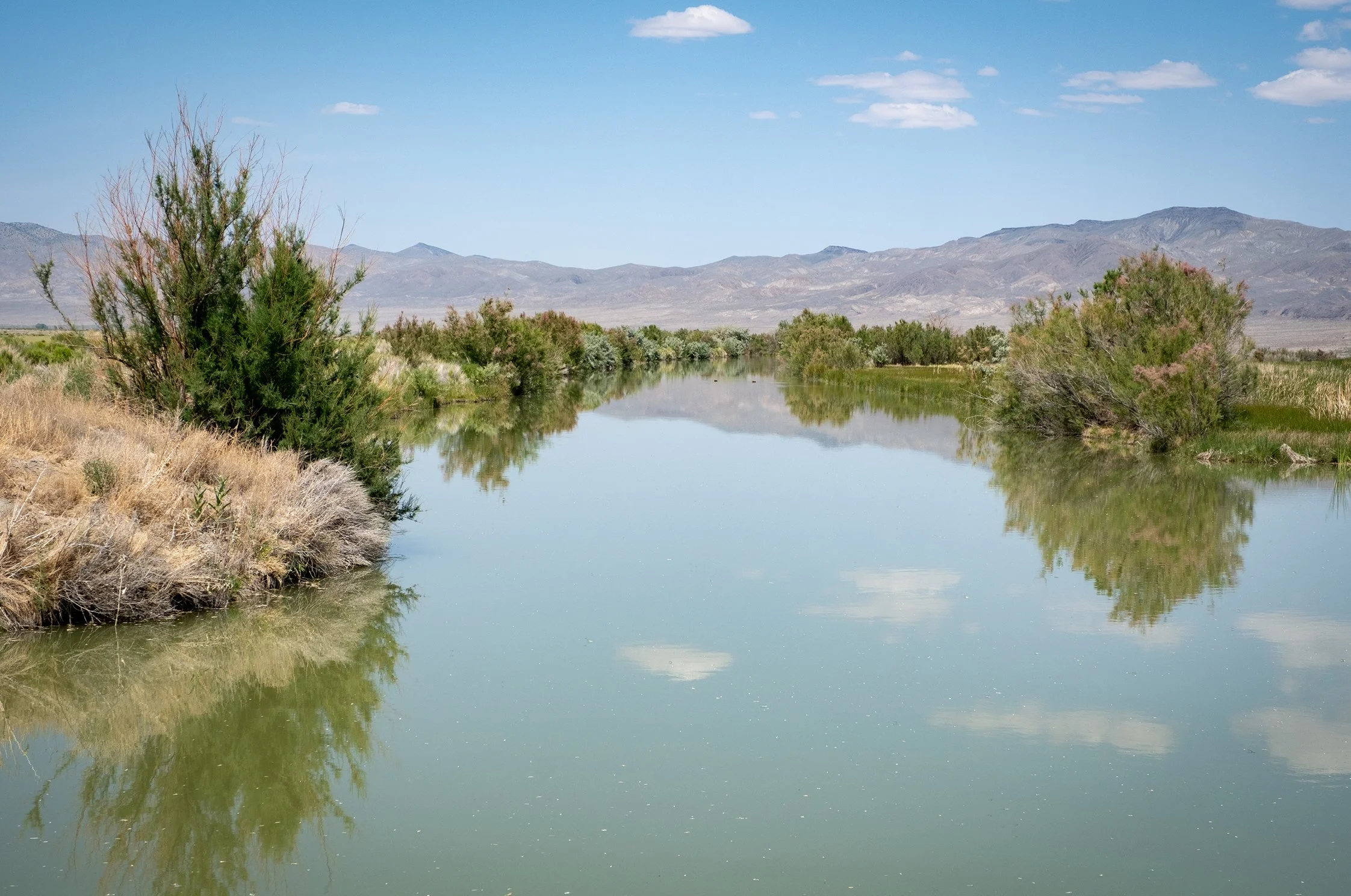
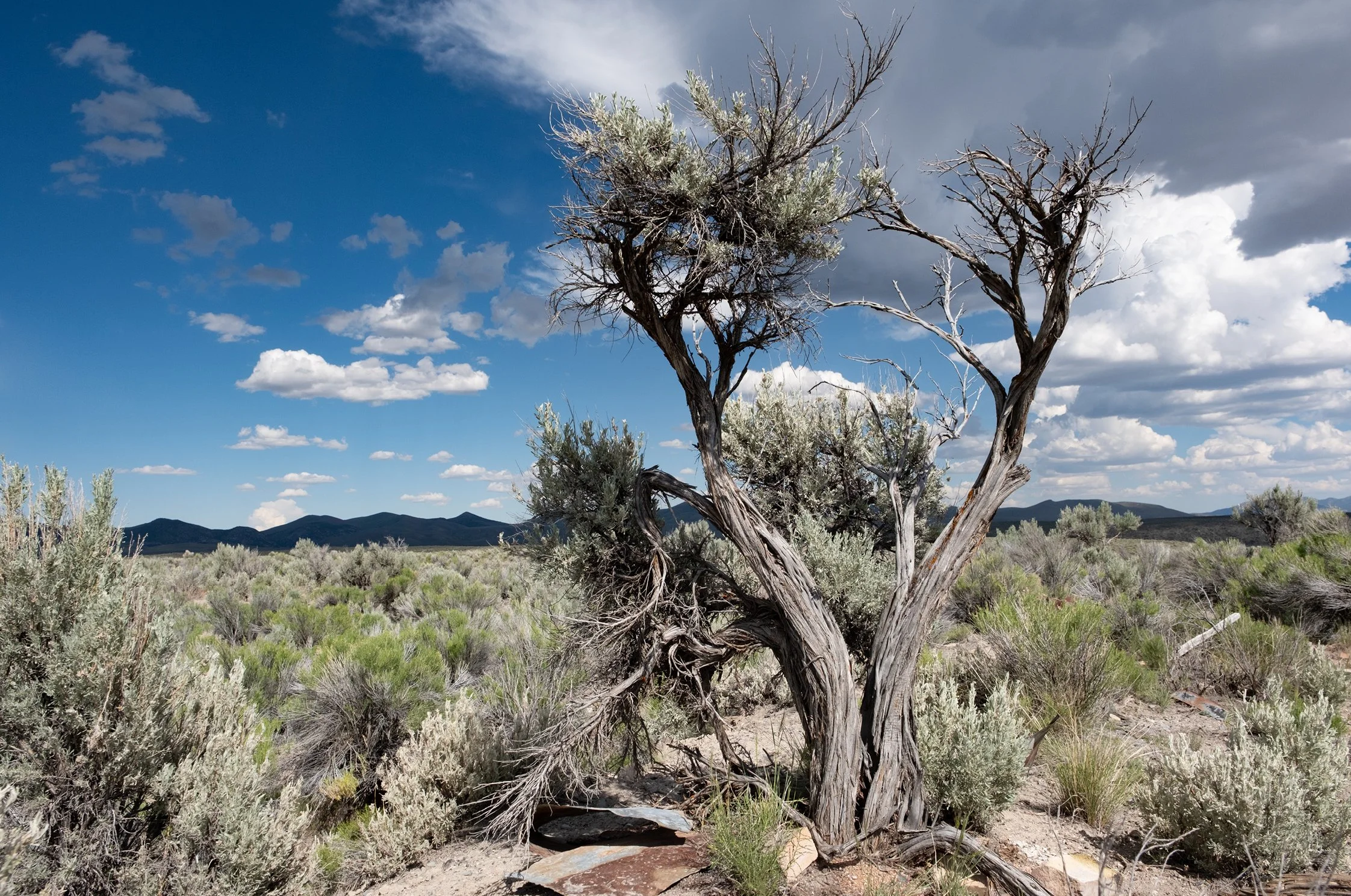
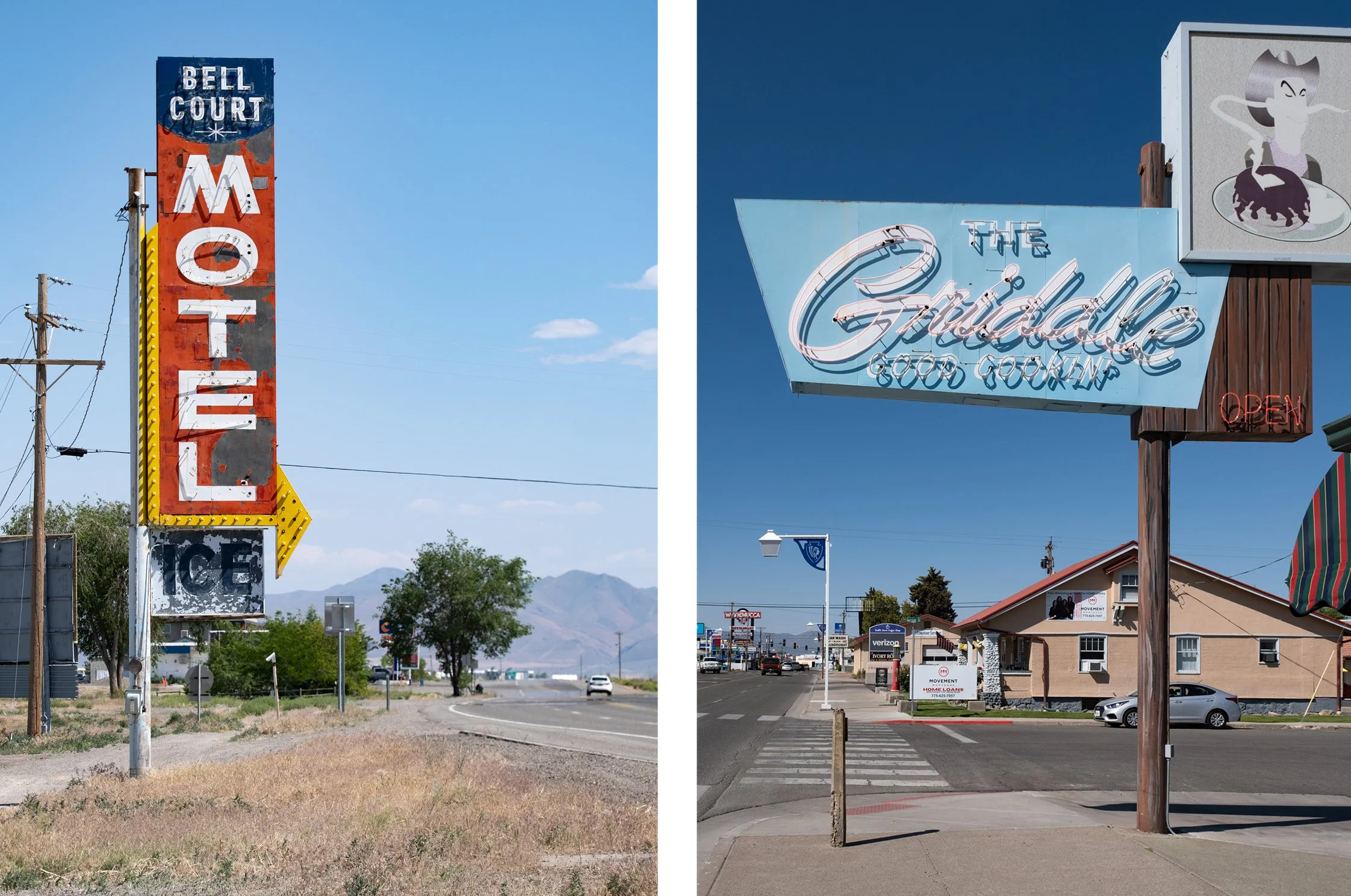
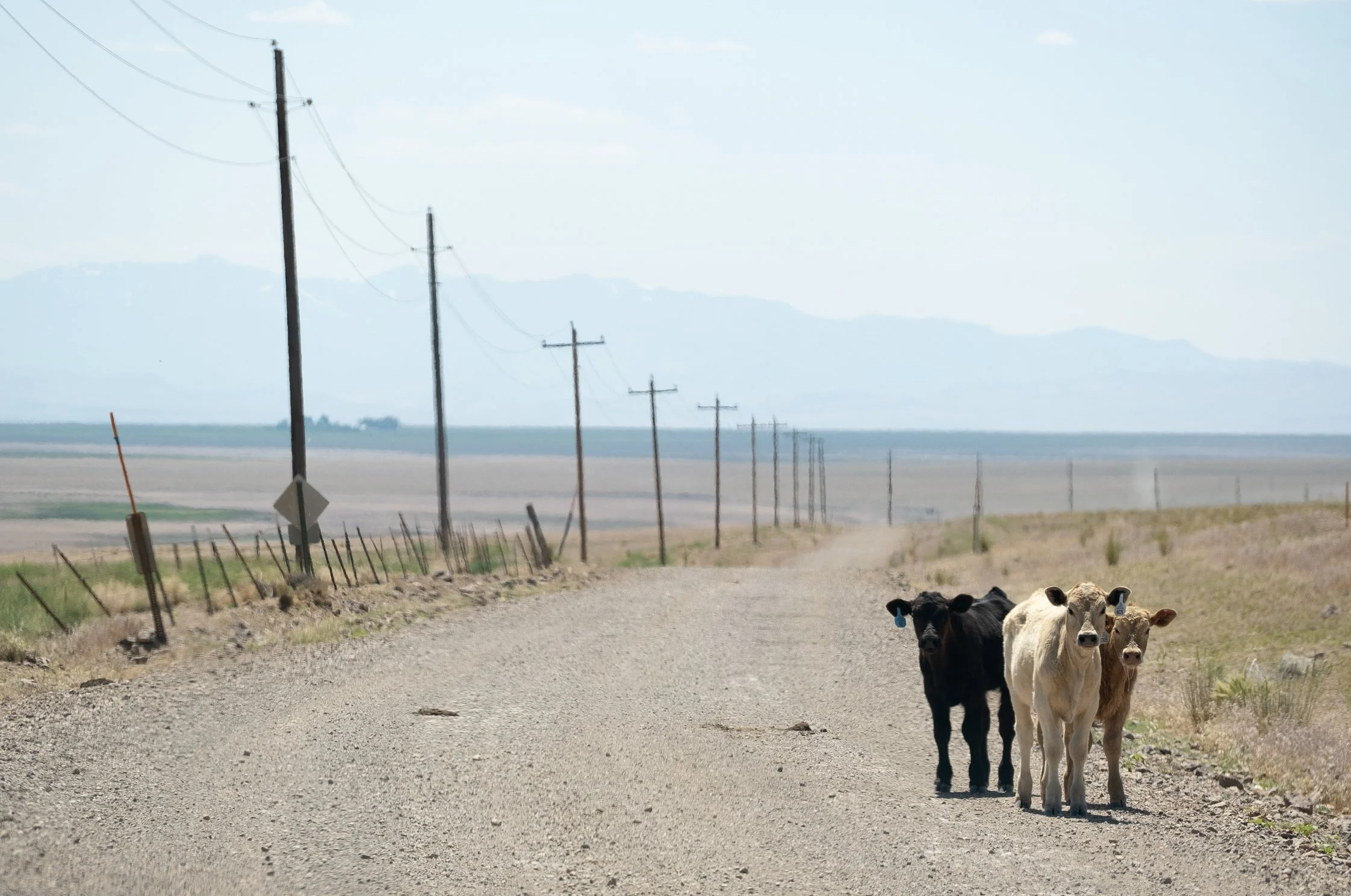
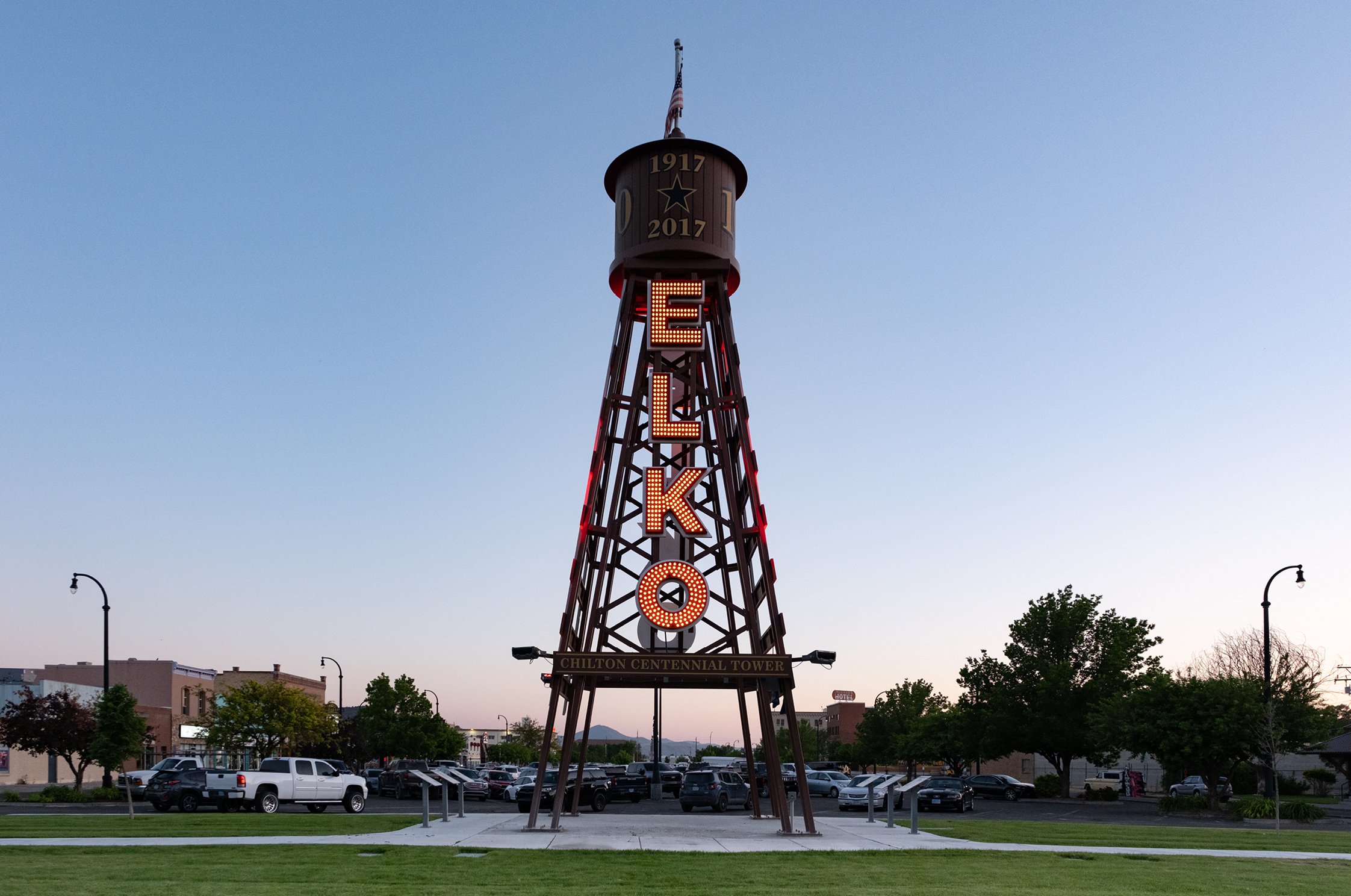
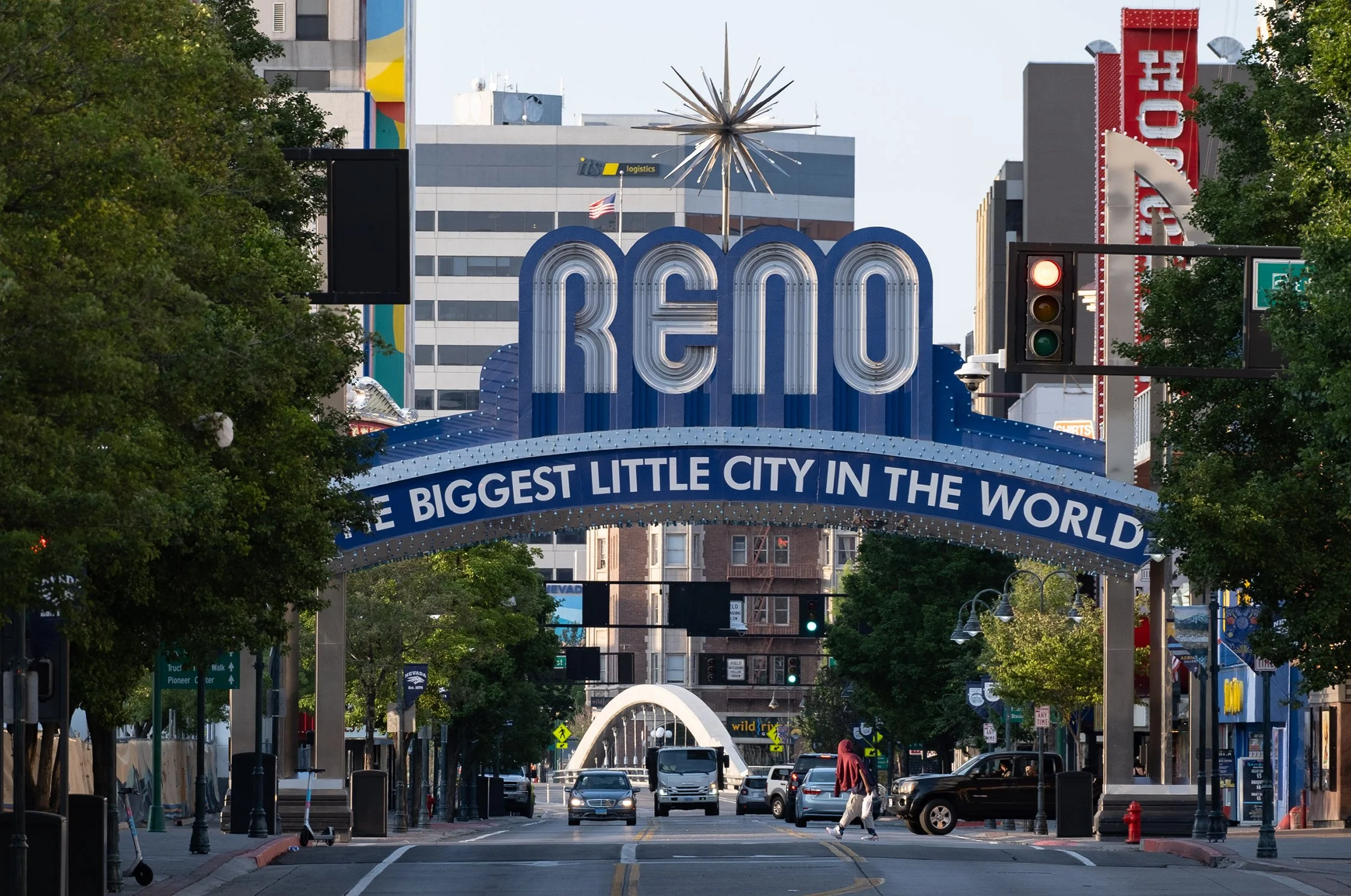
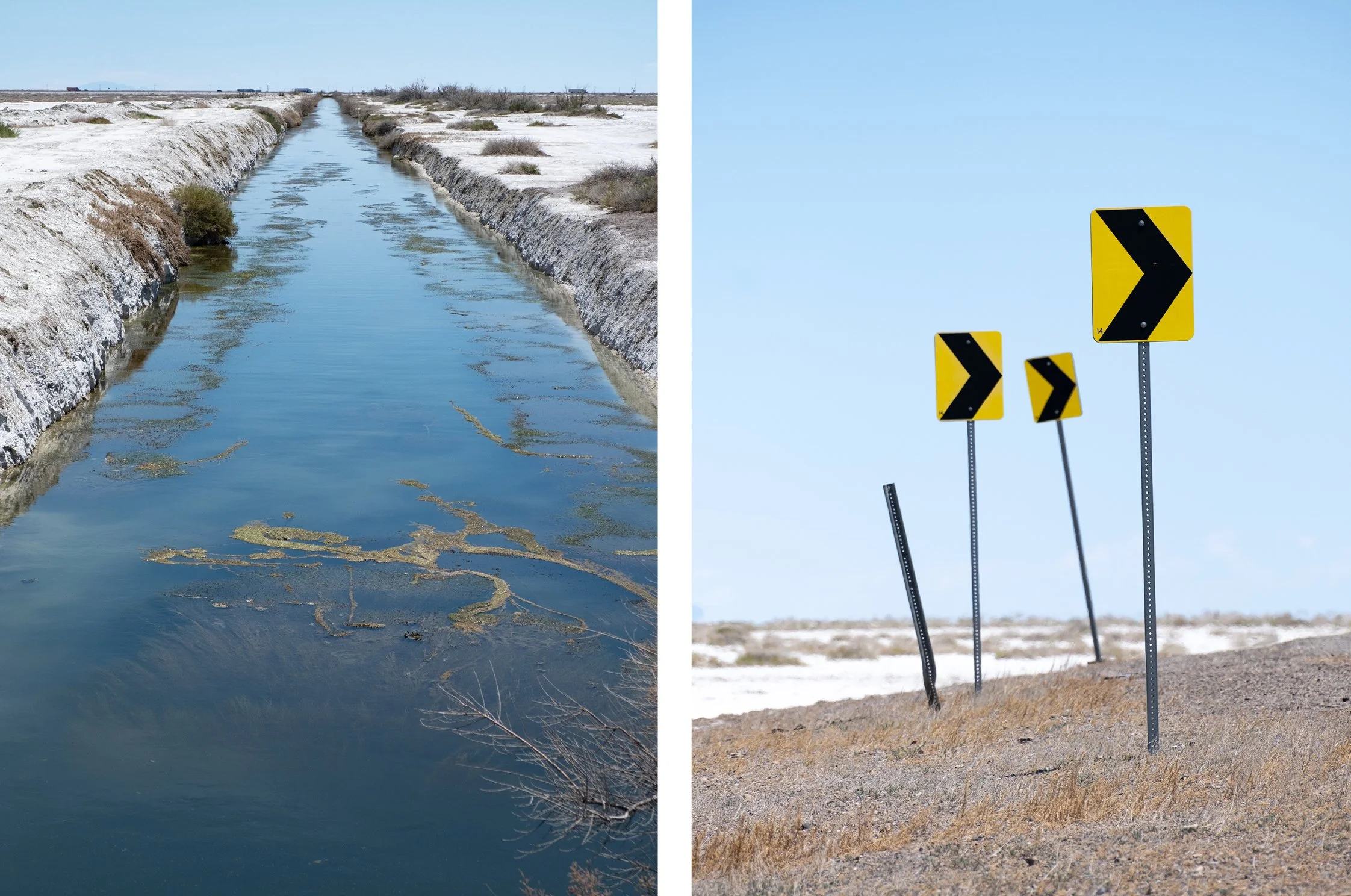
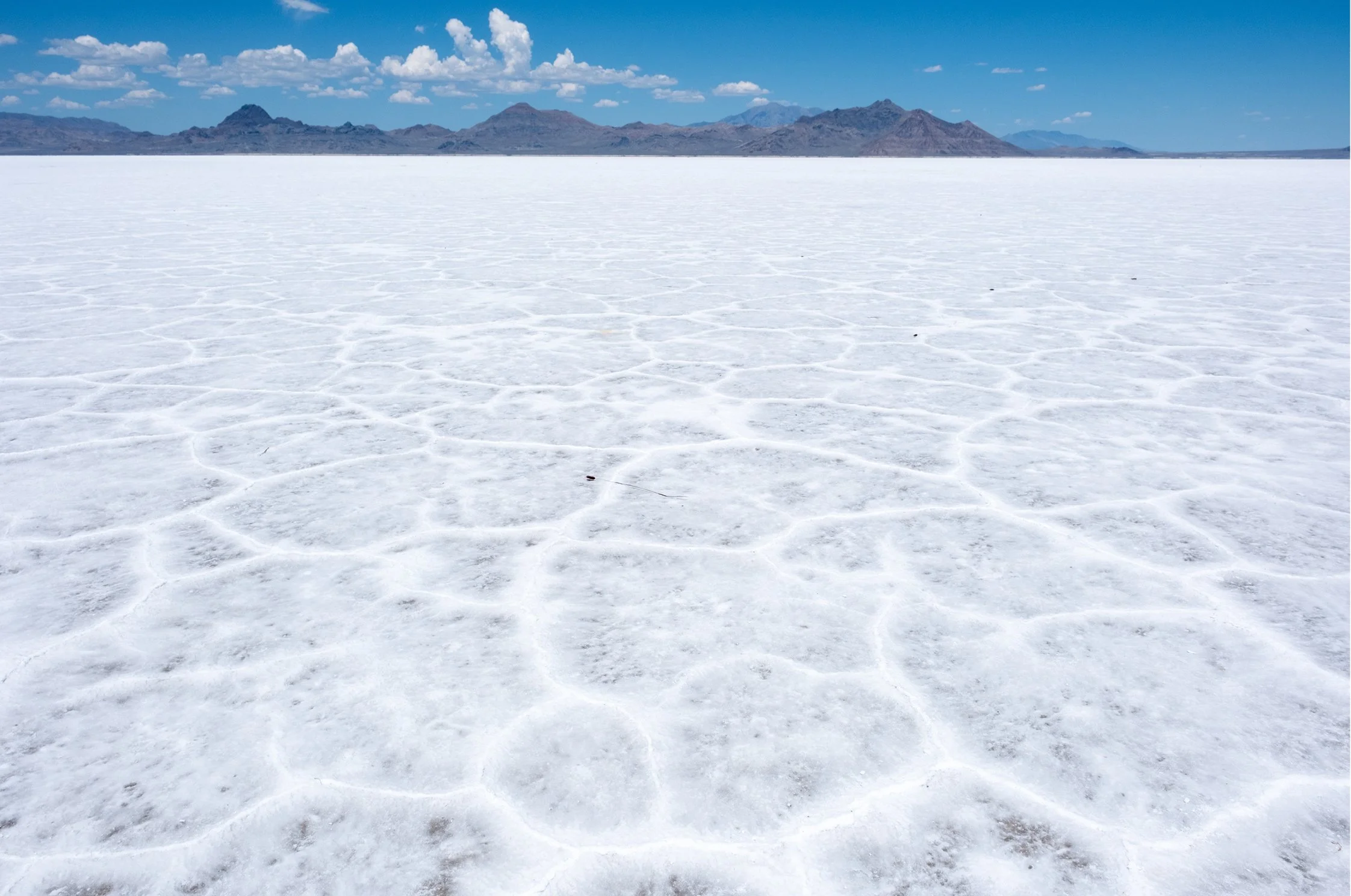
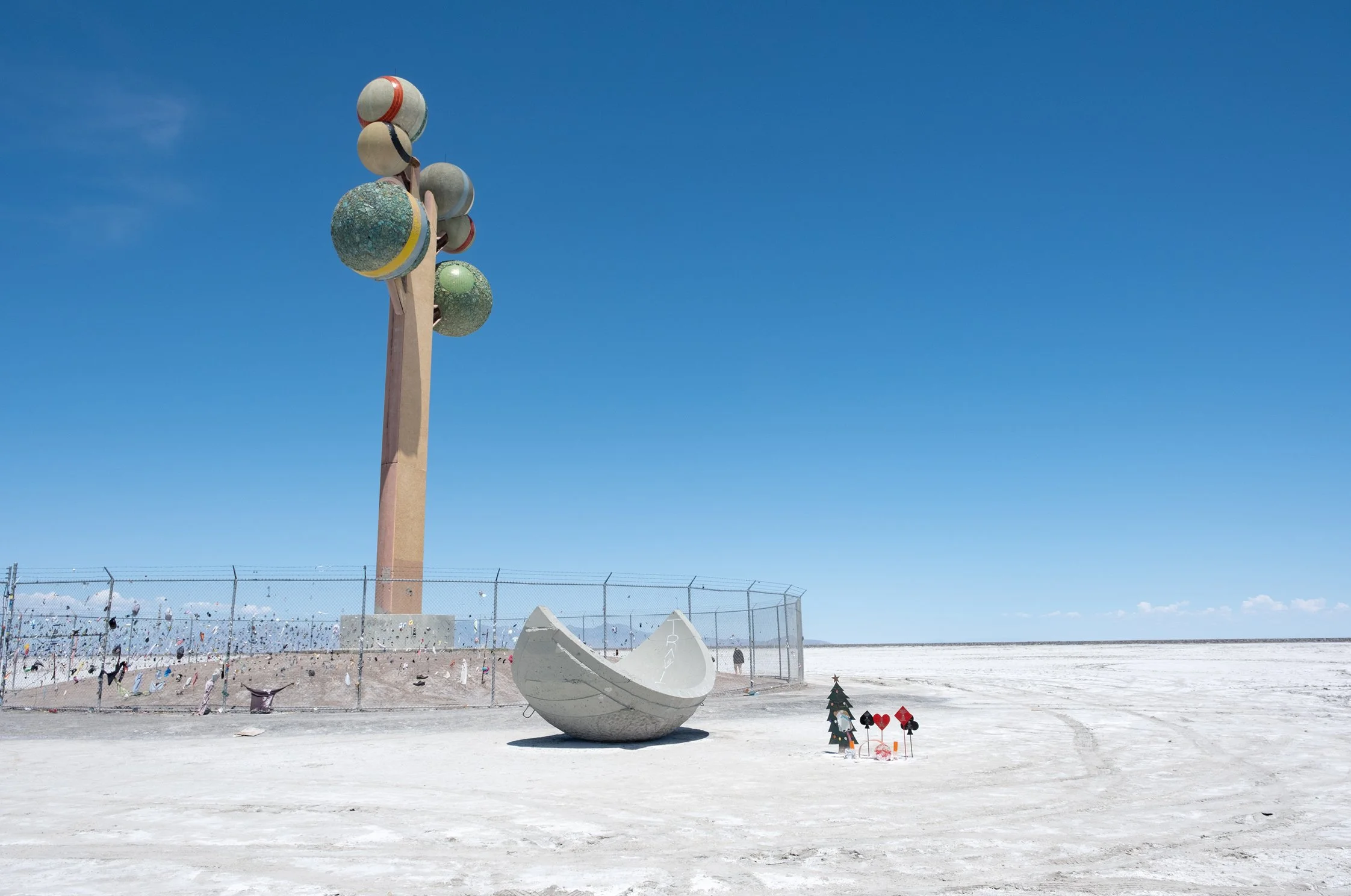
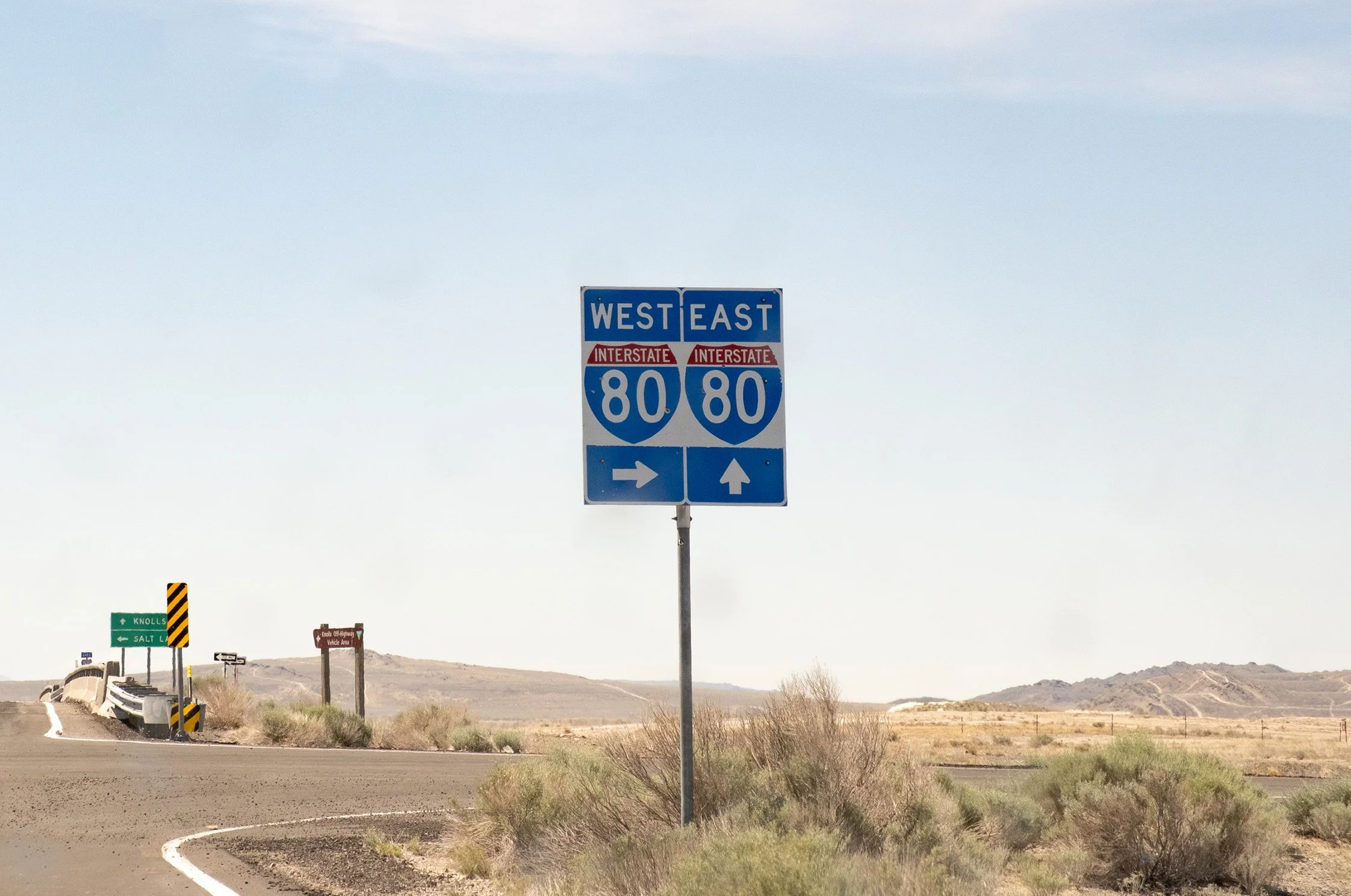
The I-80 Highway across Nevada is affectionately known as the ‘Cowboy Corridor’. Yet that moniker does a huge disservice to all those who traversed this tract of land before white folk in large-brimmed hats on horses explored the area.

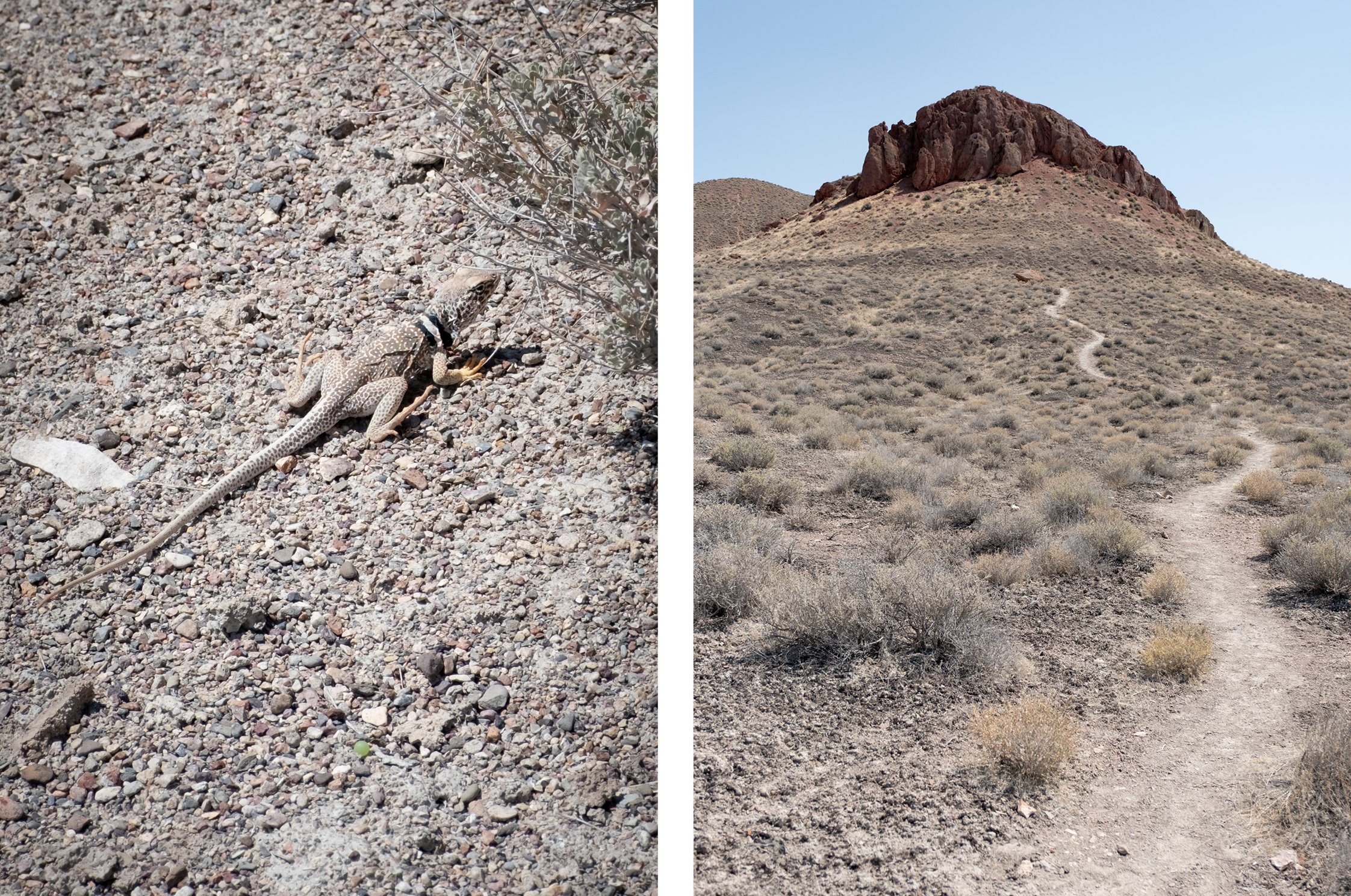
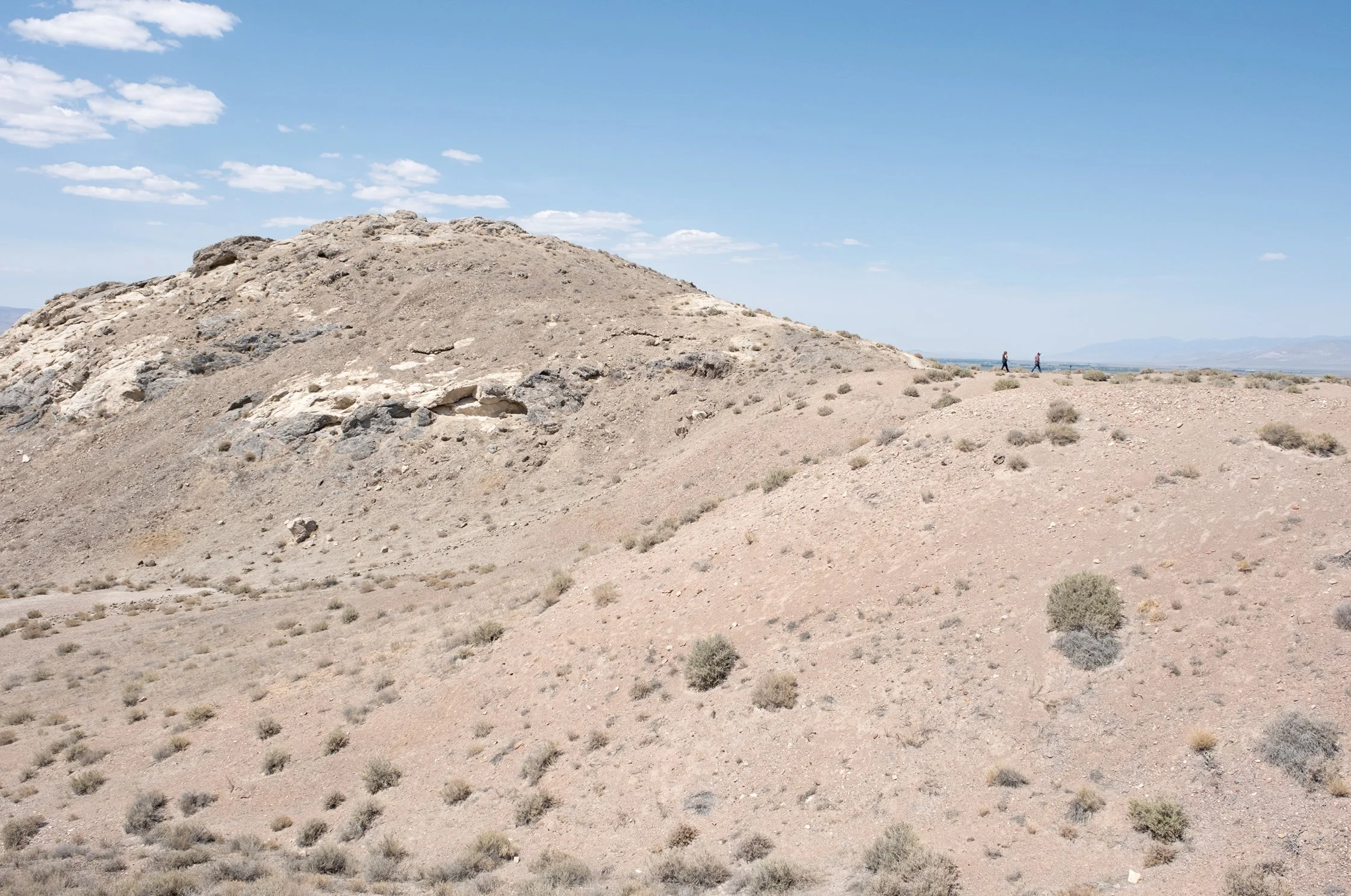
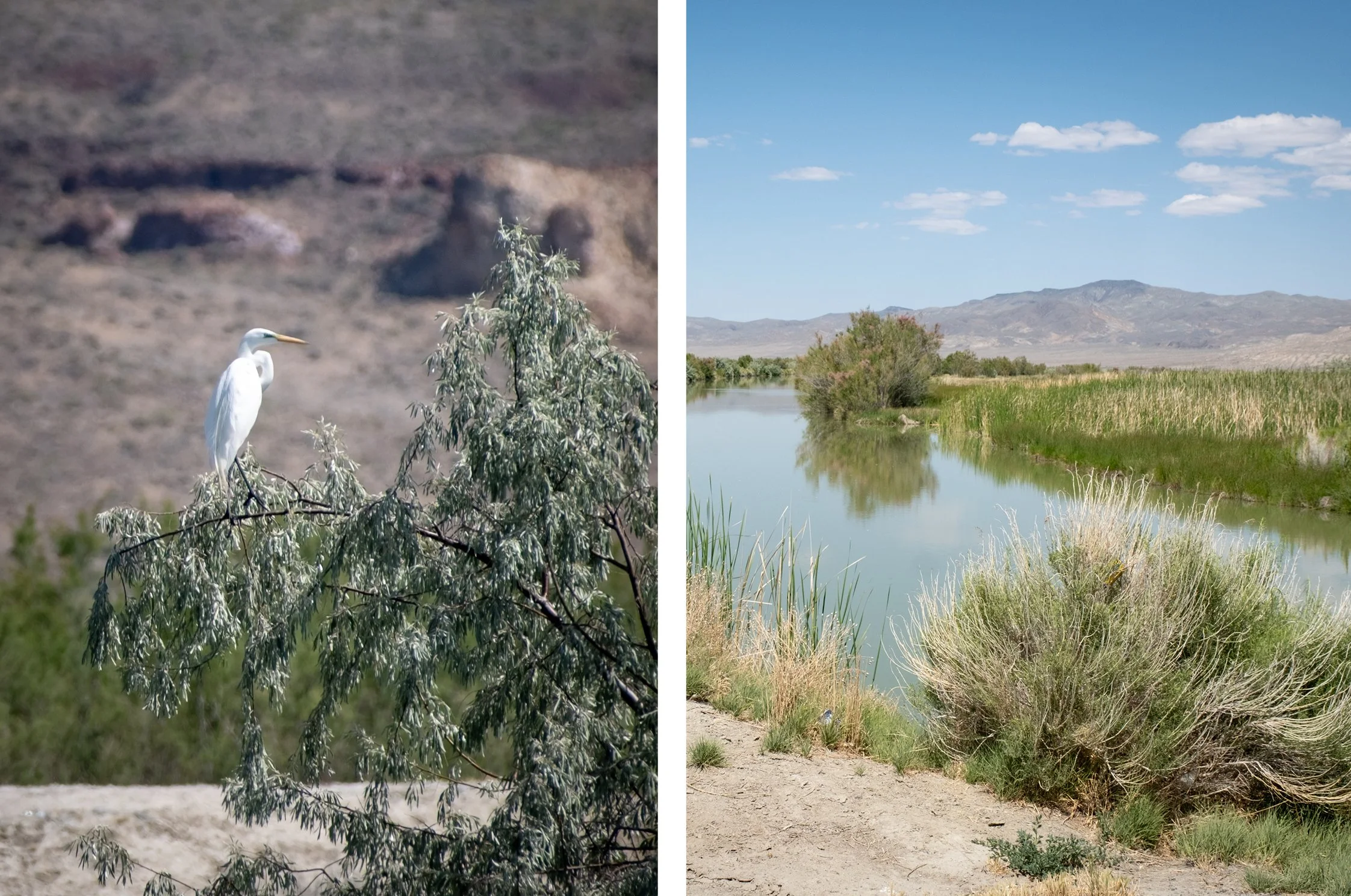
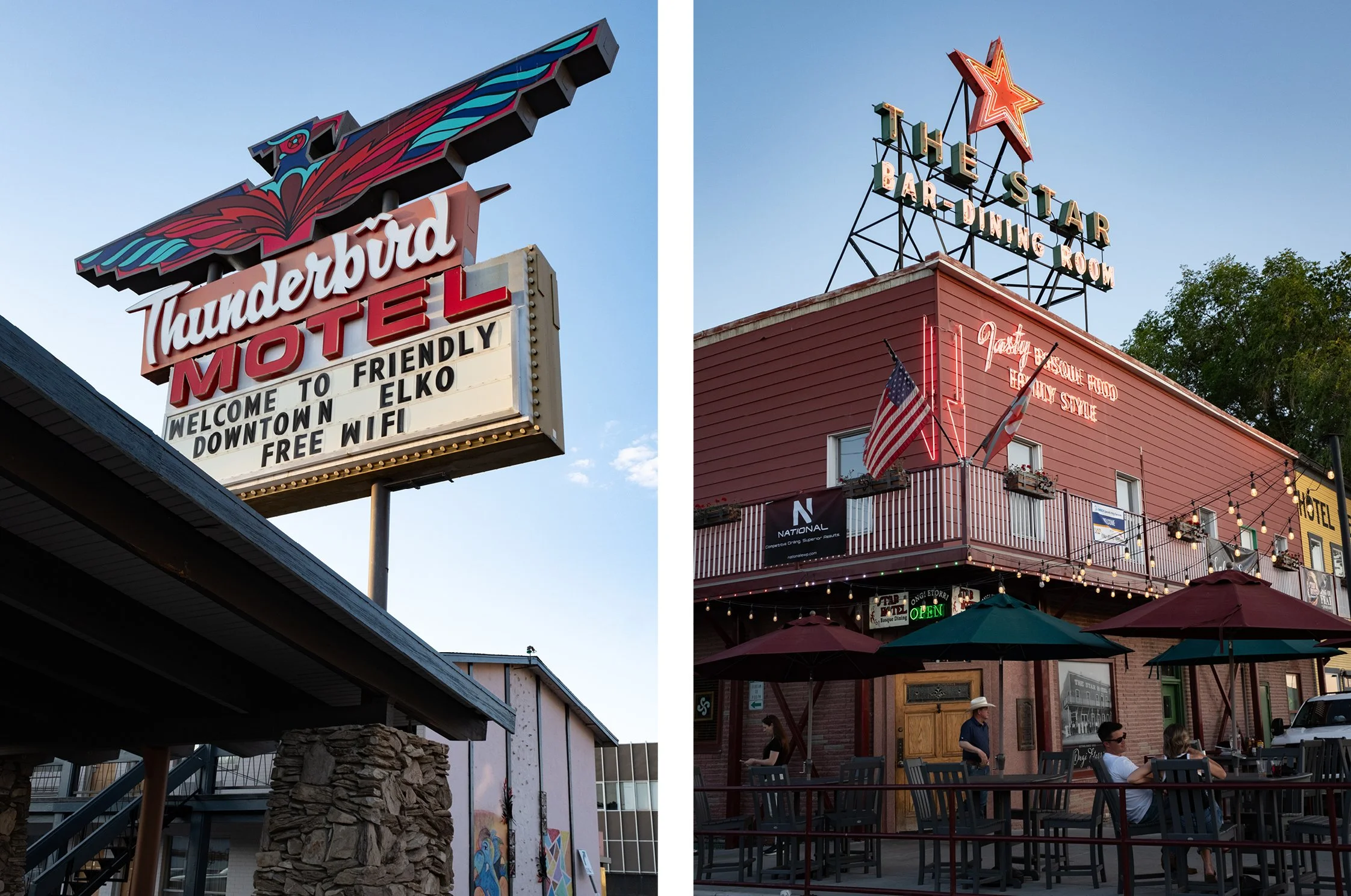
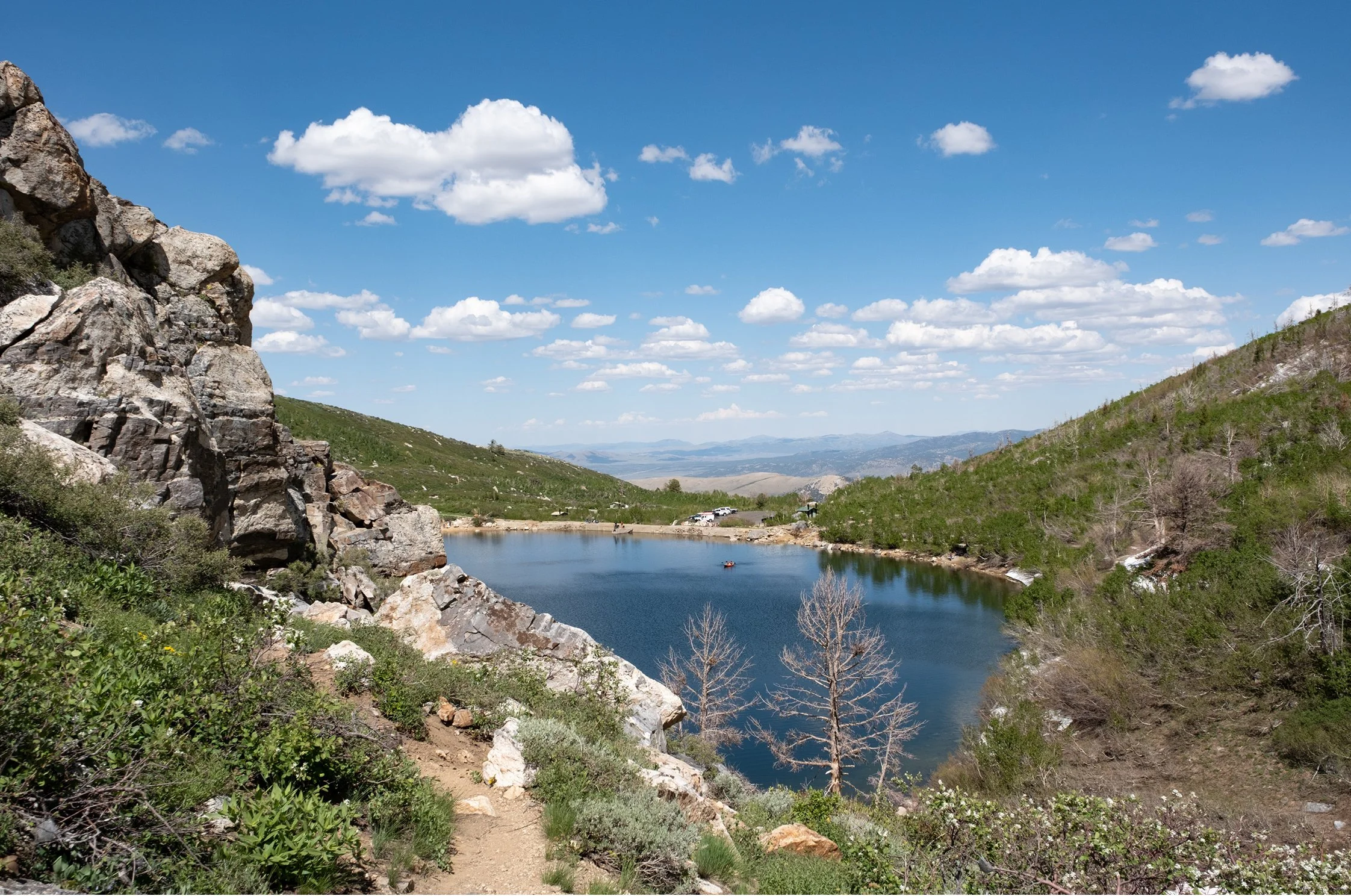
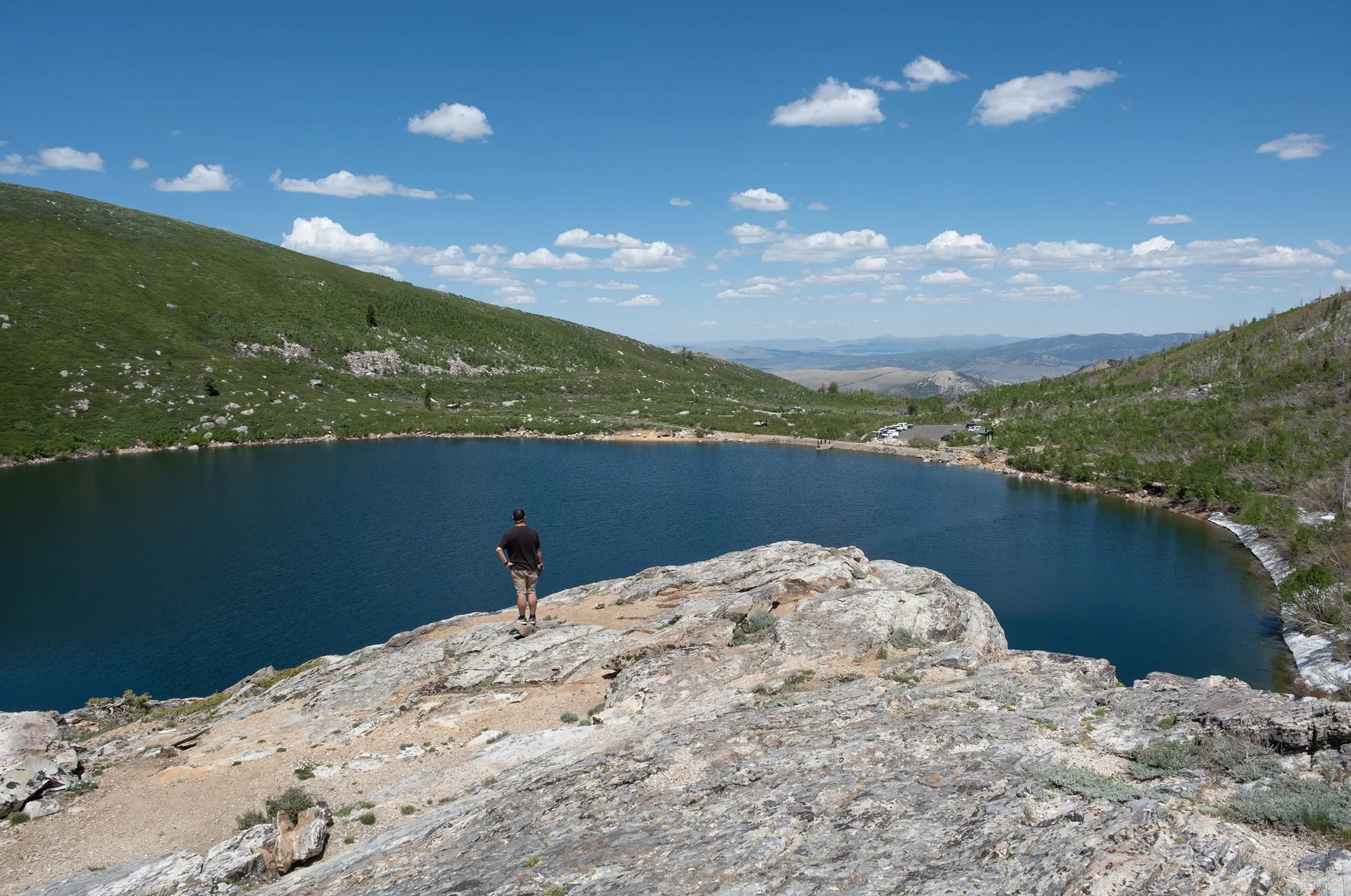
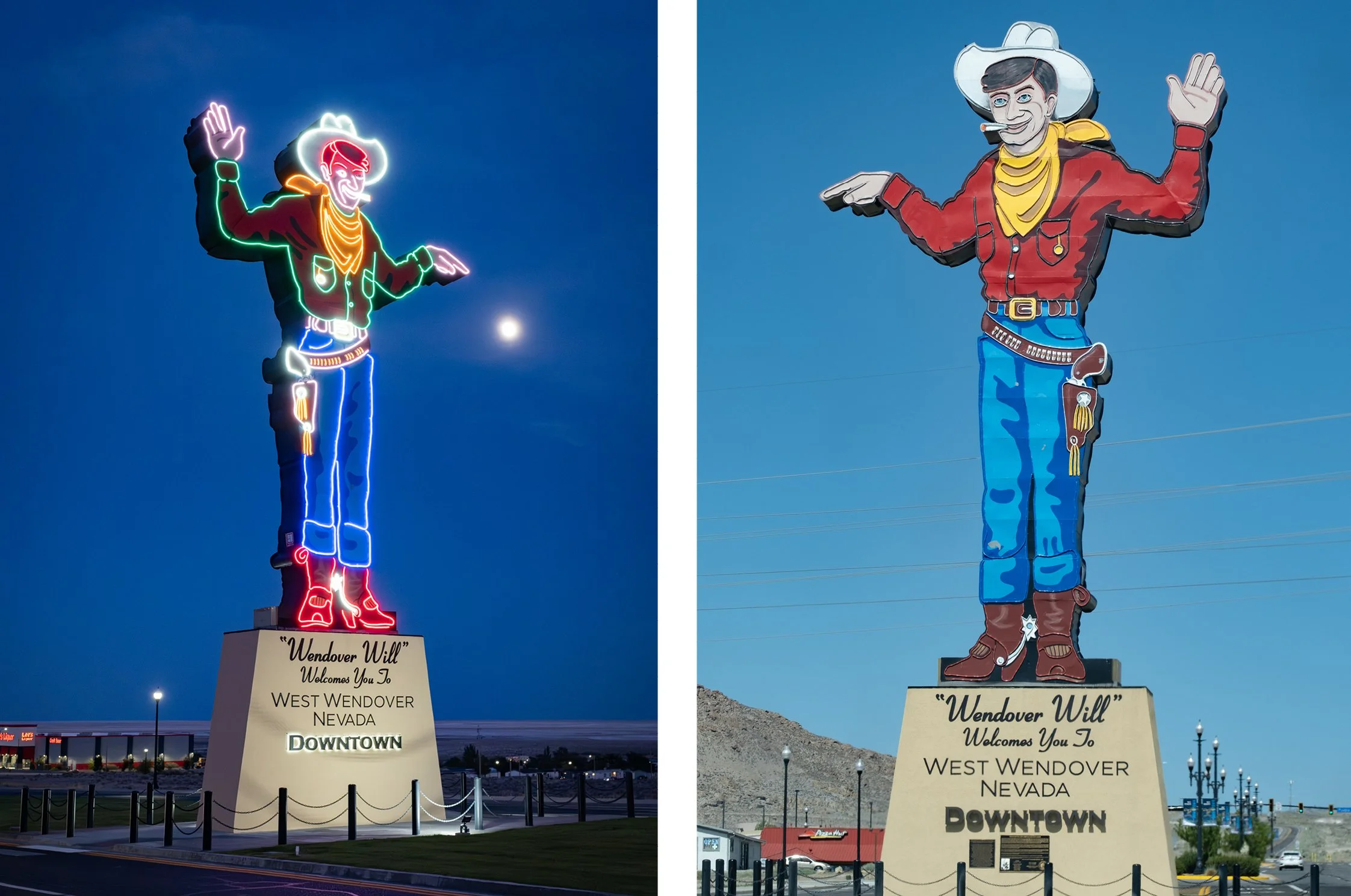
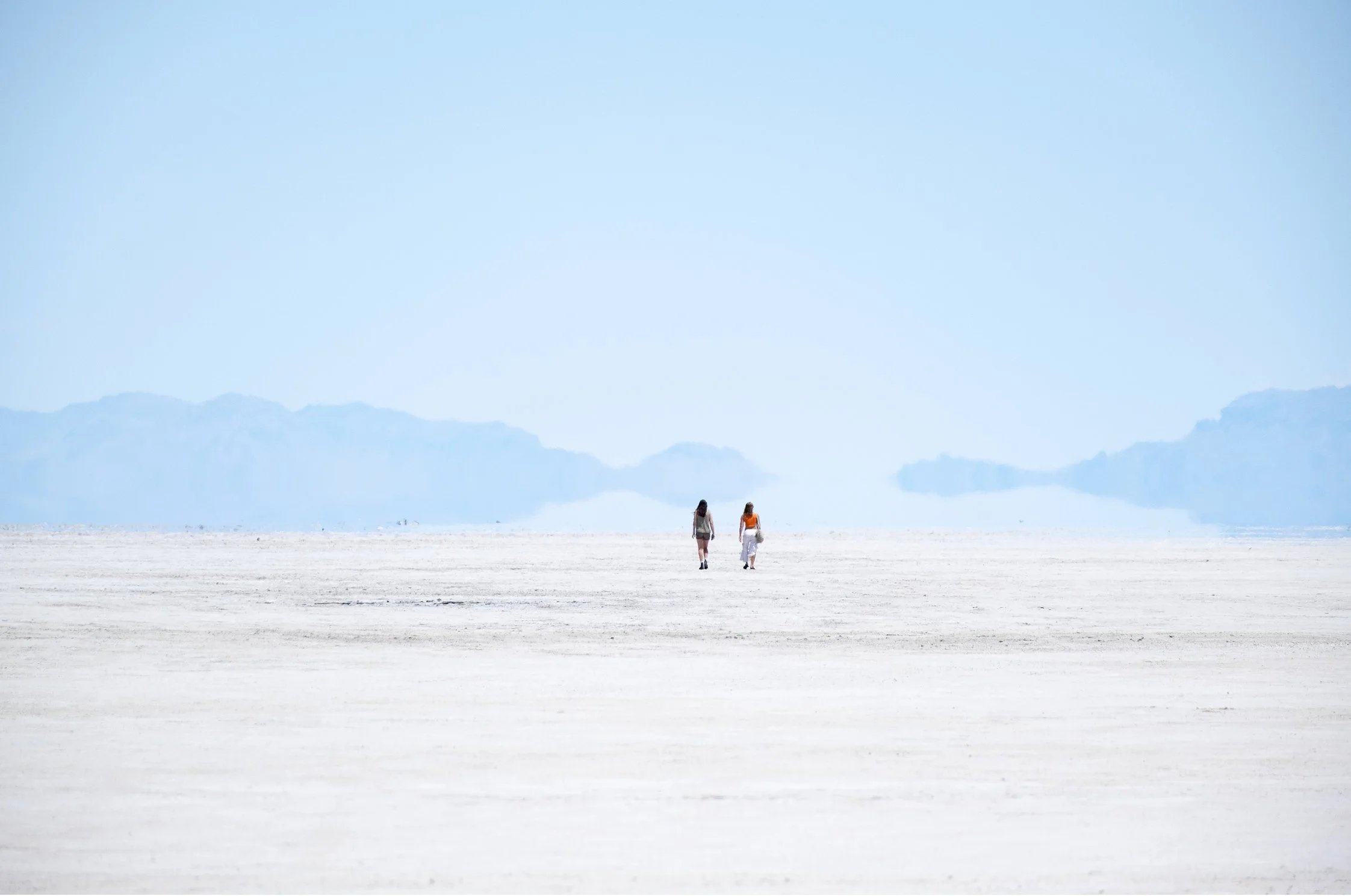
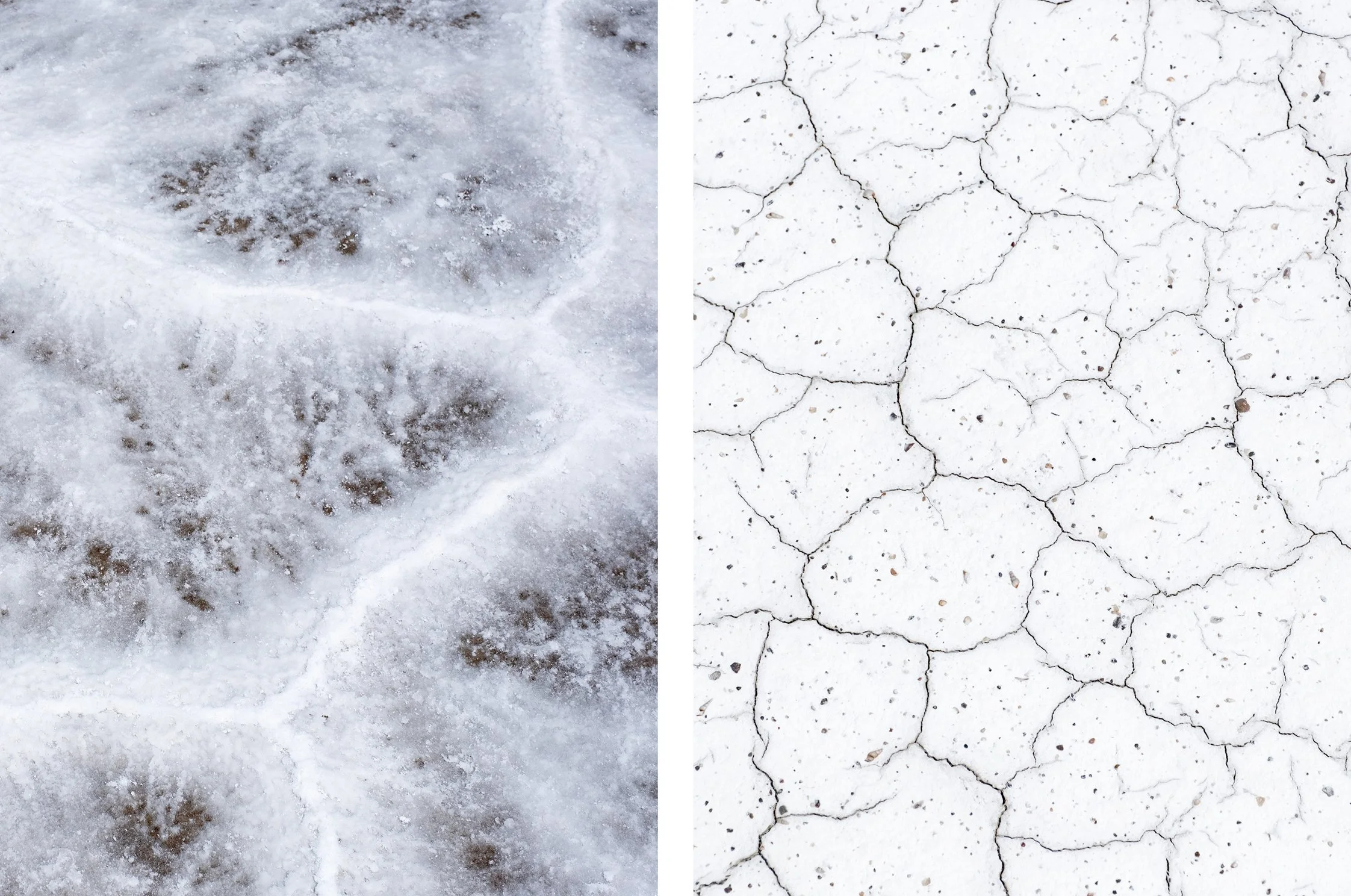
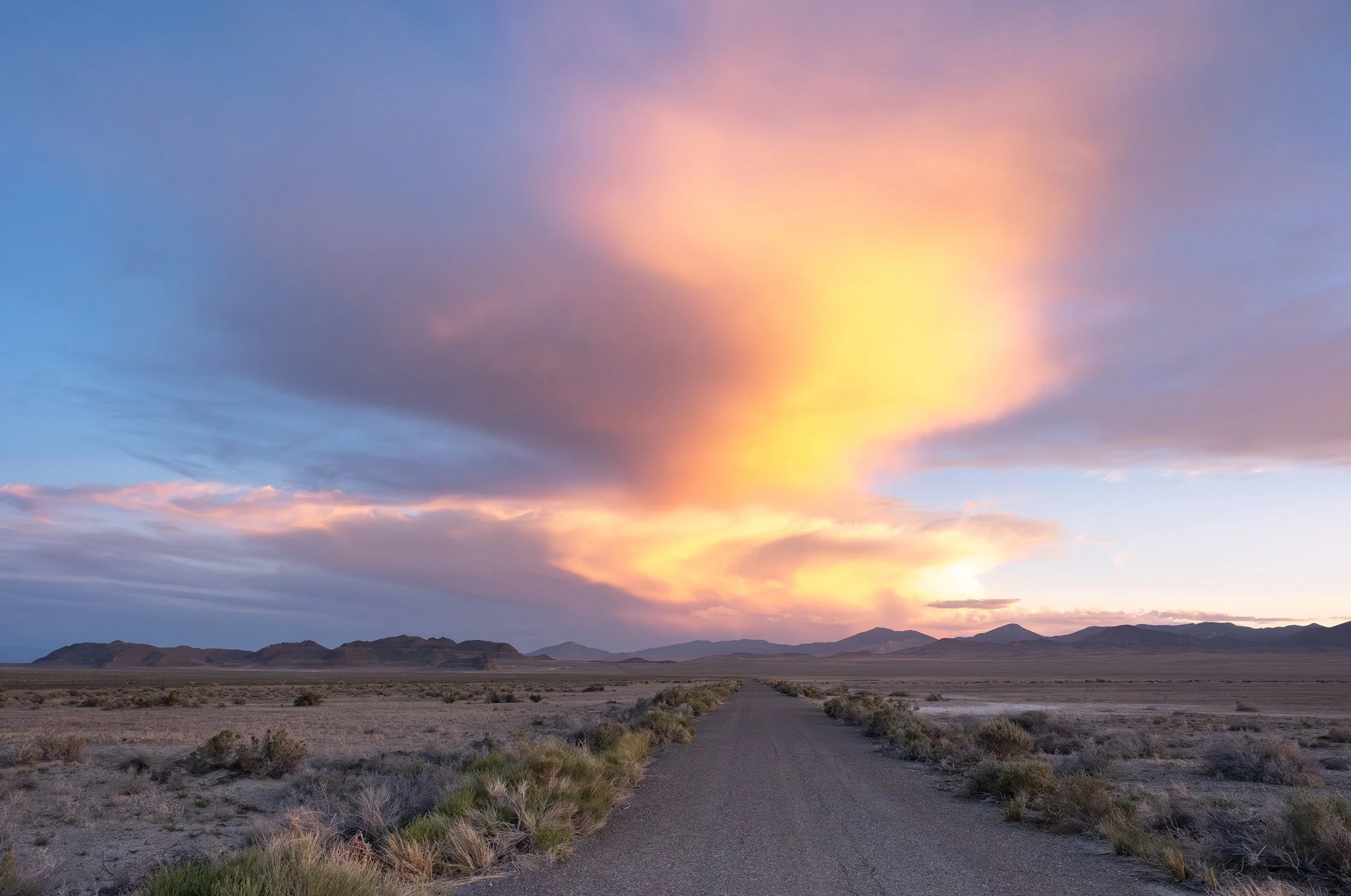
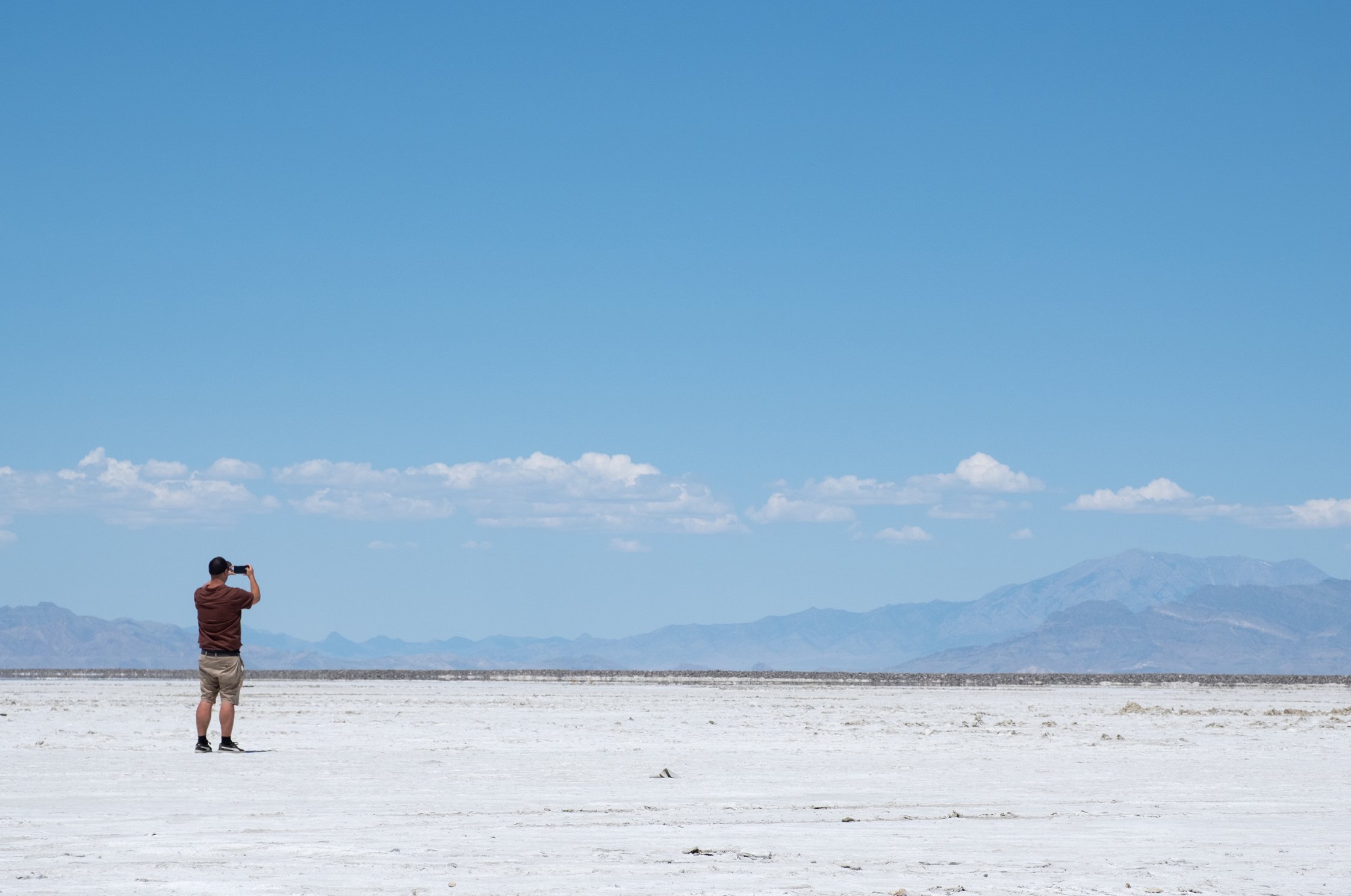
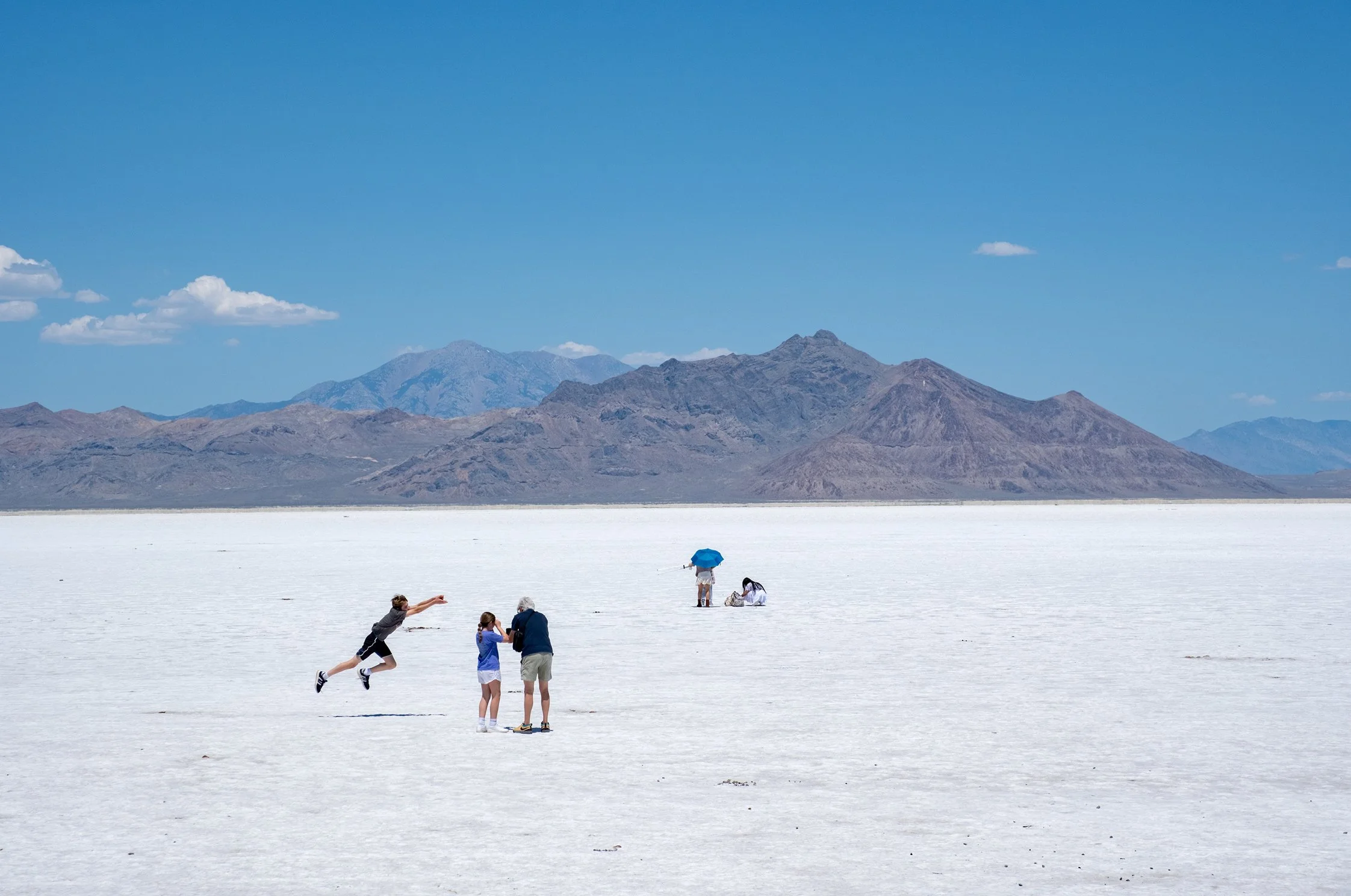
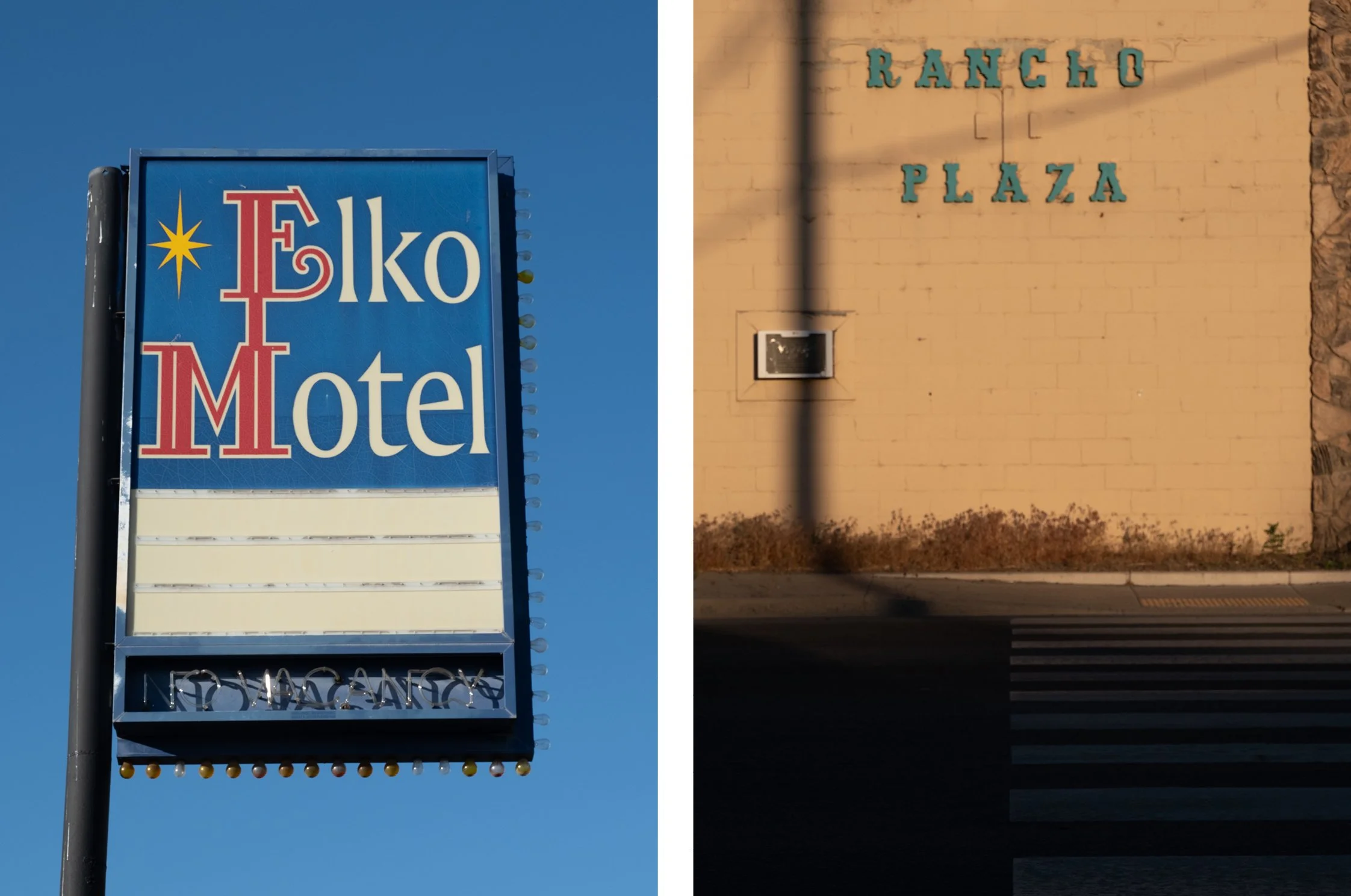
I drove between Reno and West Wendover on the border with Utah and encountered a slice of middle America only glimpsed in road movies and occasional vox pops on election news coverage. I stayed overnight in casinos – as one of only two US states to legalise gambling, this is the ‘best’ accommodation along the route – and spent the days mesmerised by the colours and shapes of the desert and mountainscapes in between.

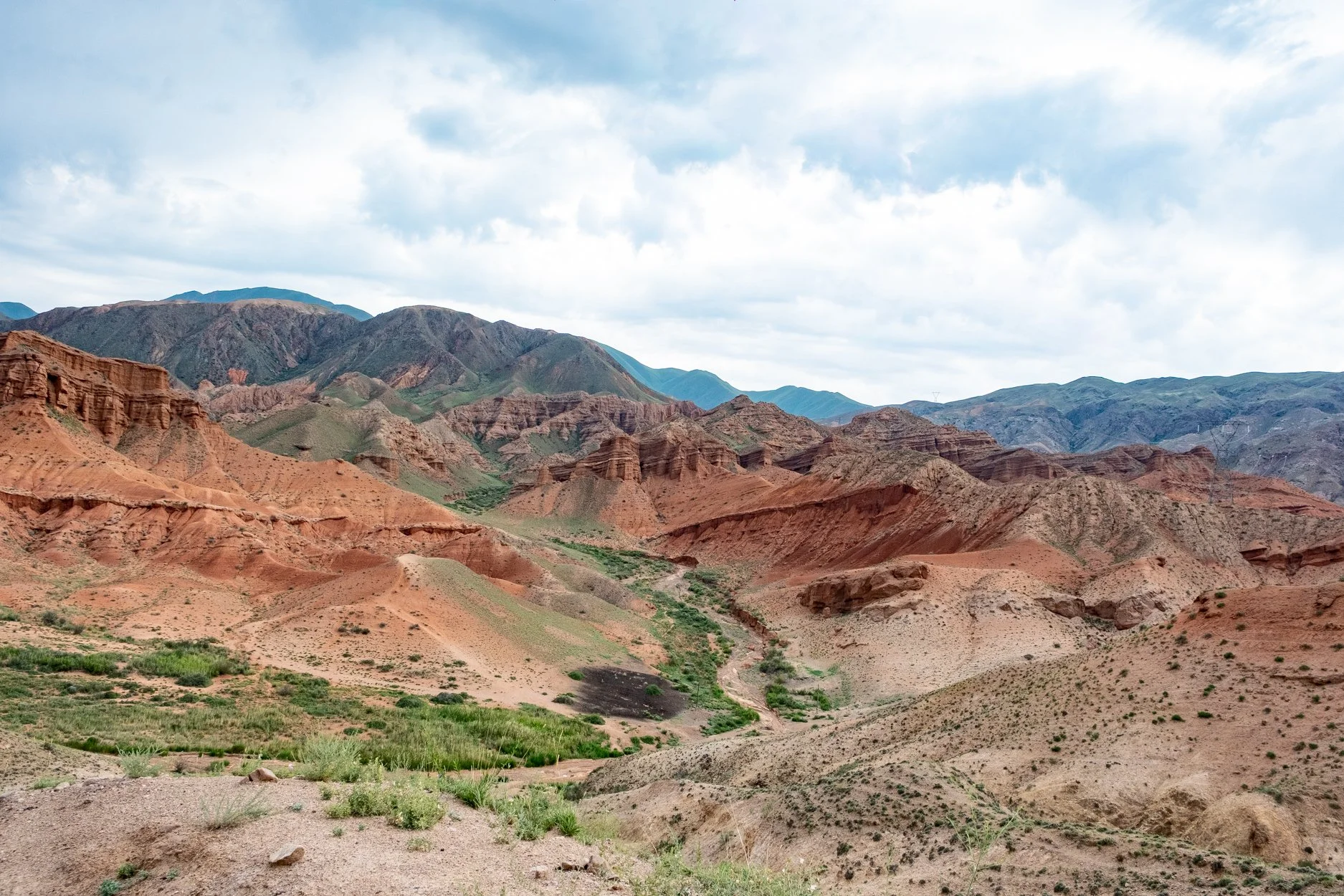
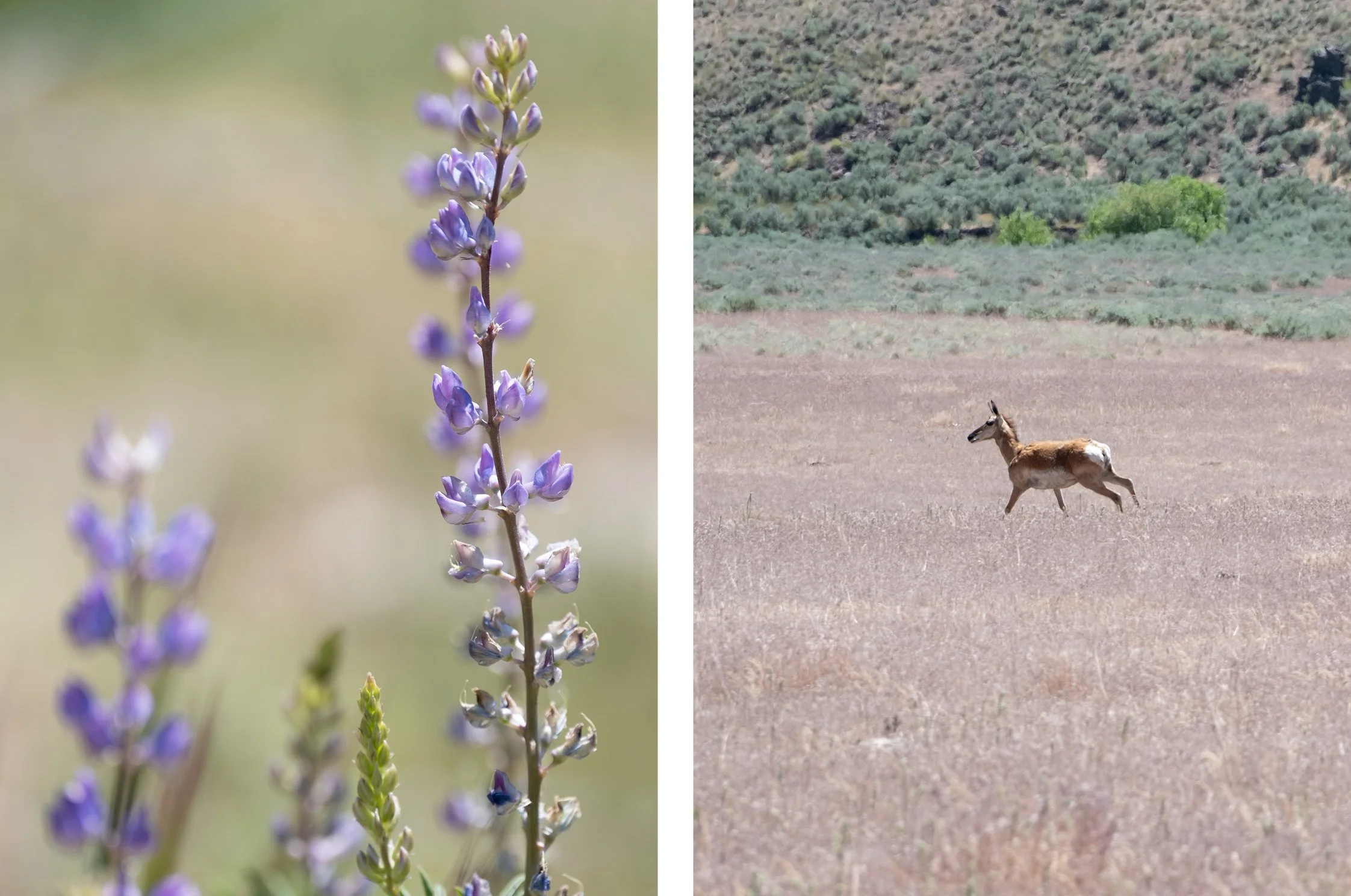
The Humboldt river carved out the wide plains between the limestone, sandstone and shale rocks many millennia ago when it was bigger and more powerful. Its seasonal waters made the flood plain rich in sediment and a food source for much aquatic life that, in turn, fed the Native American Northern Paiute people, who populated this land well before the cowboys arrived.

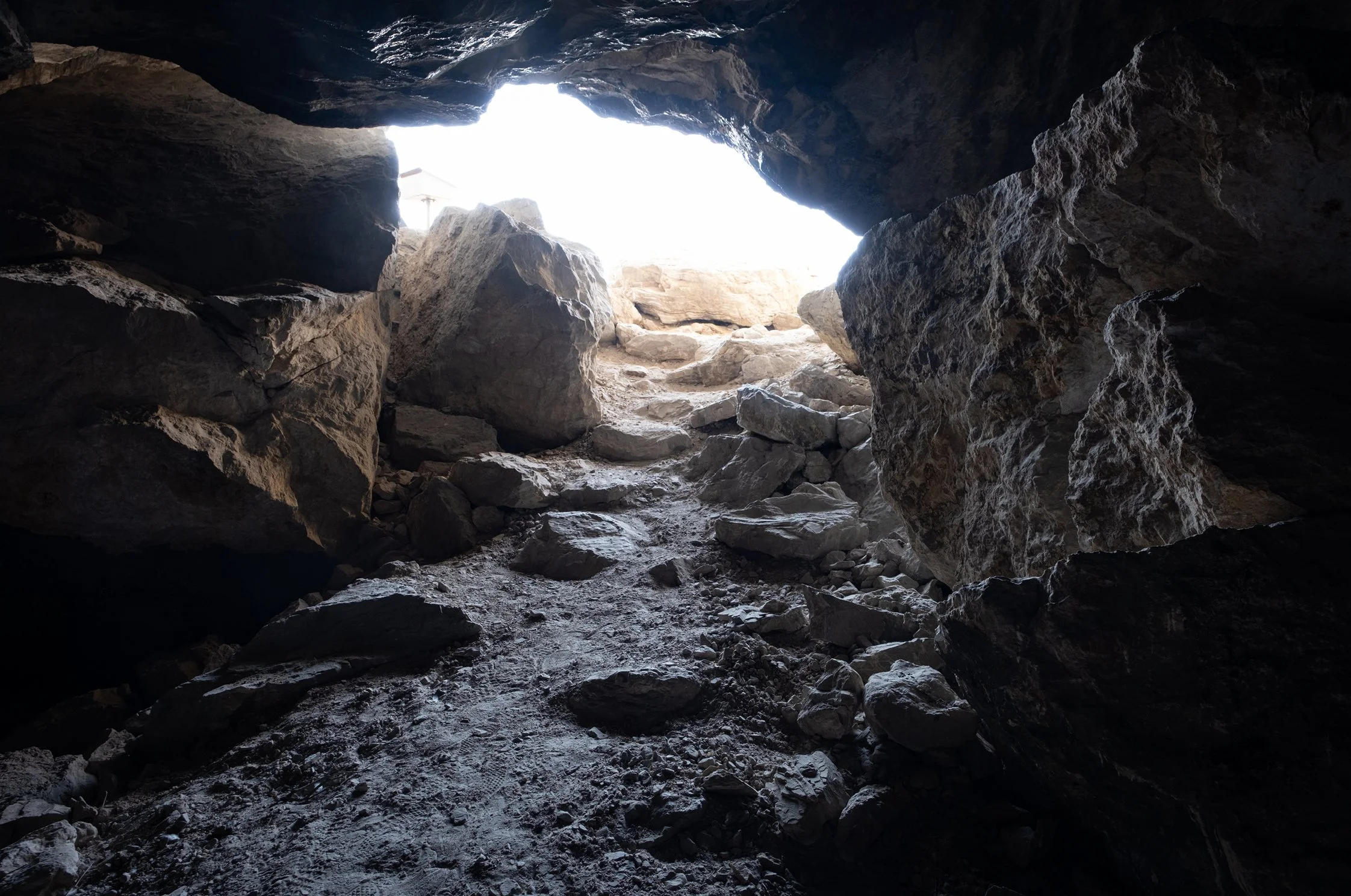
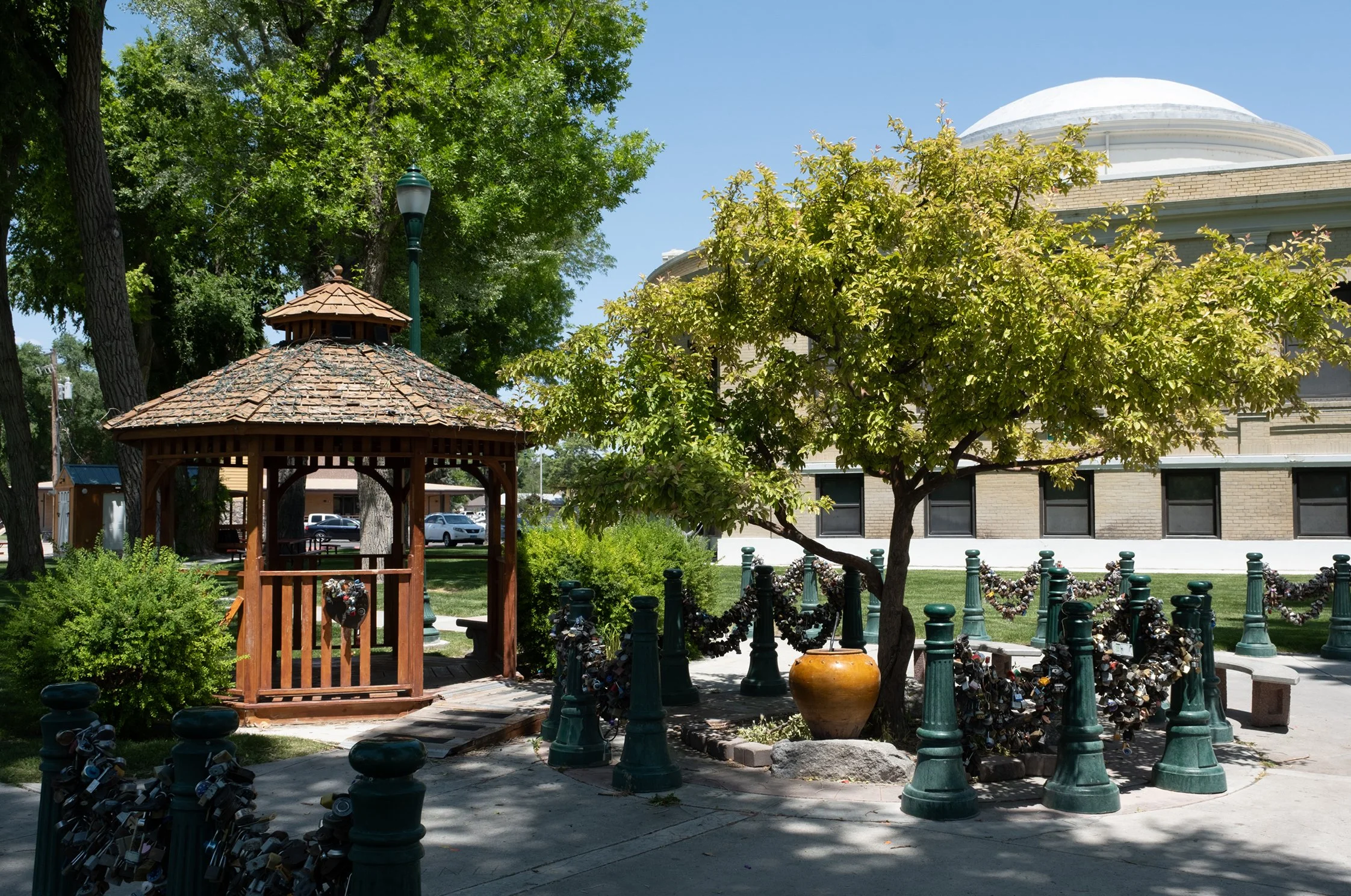
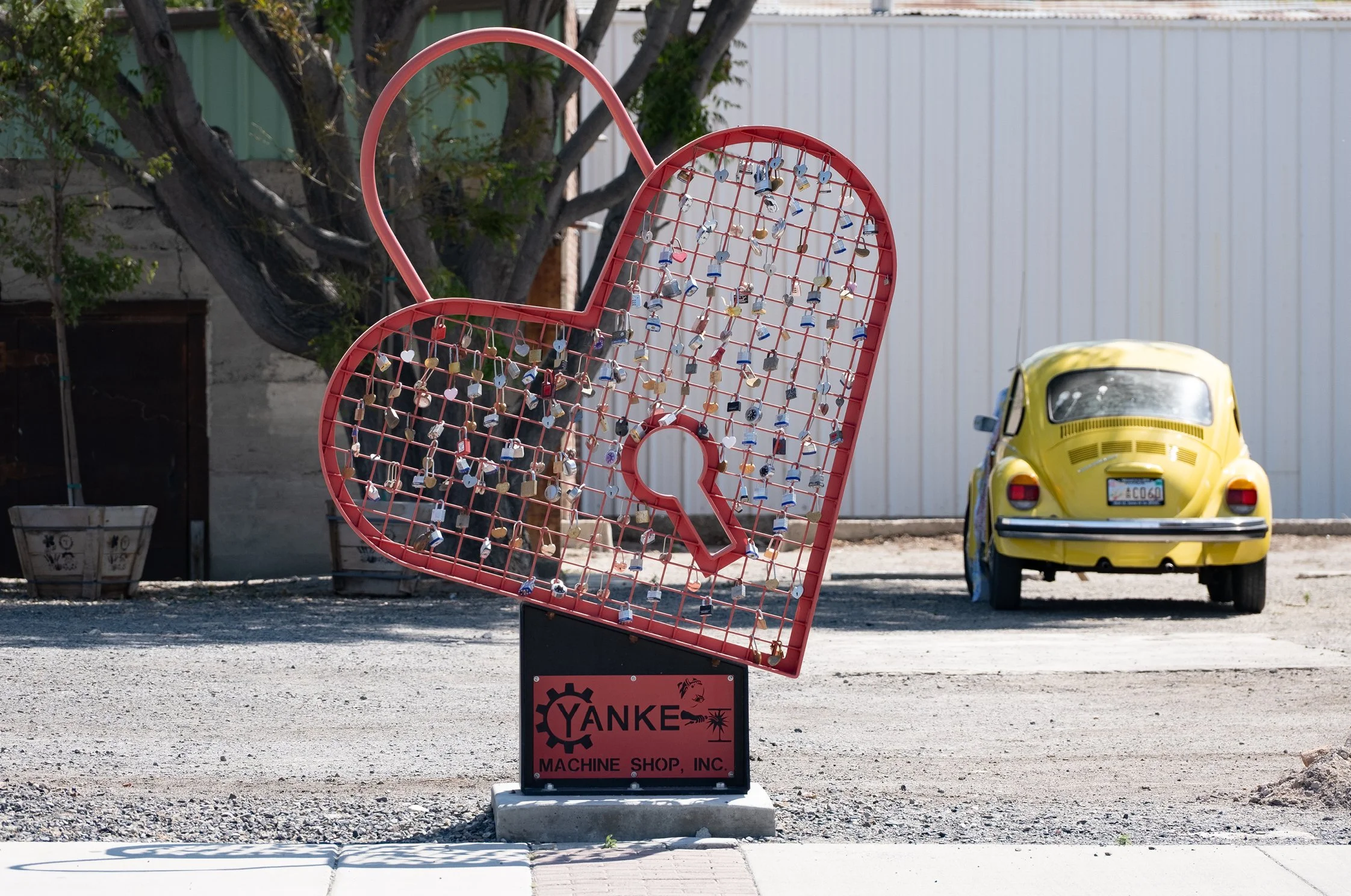
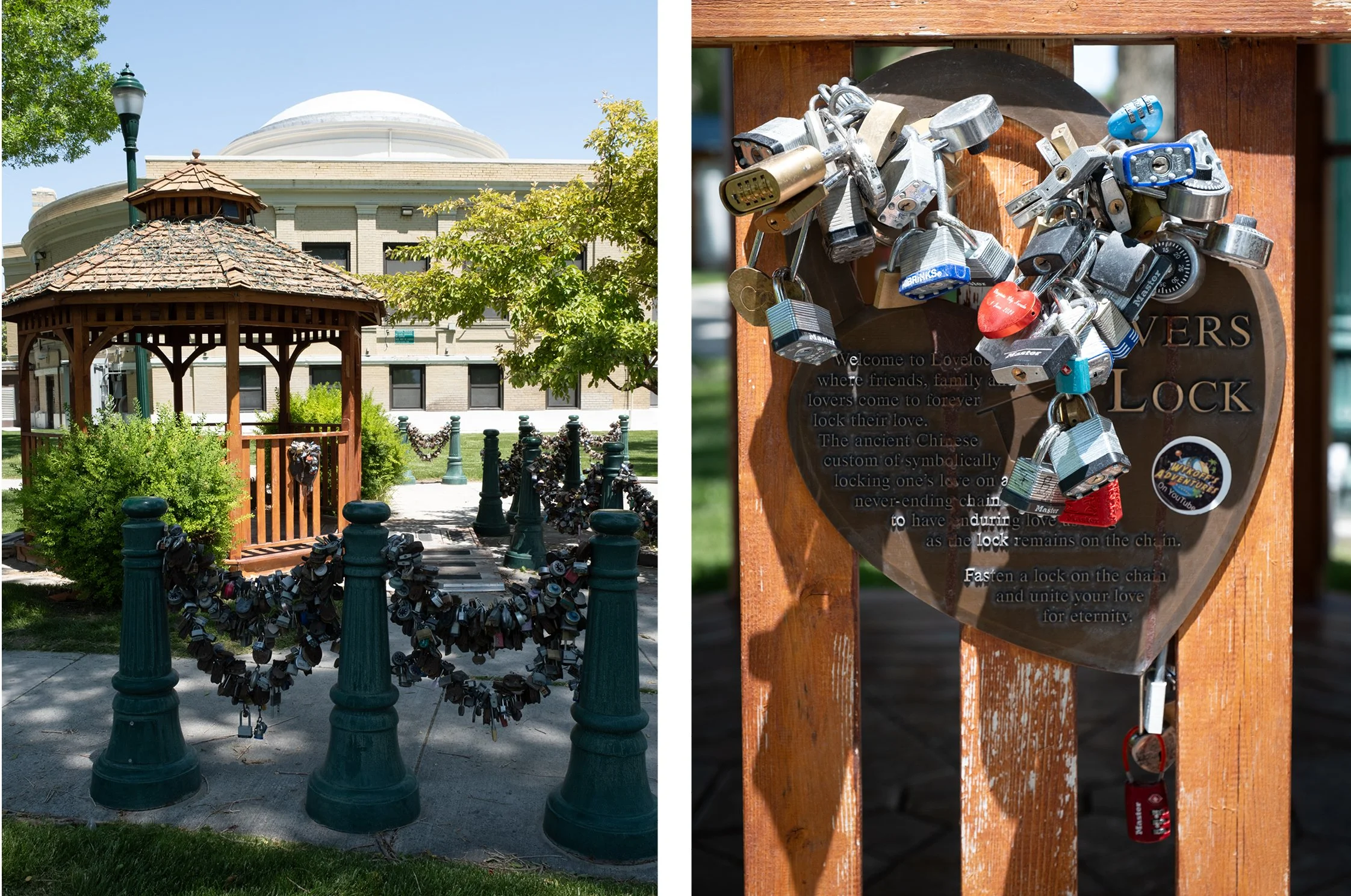
Lovelock Cave, about a hour’s drive from the main highway along a dirt track into the desert, is where the Northern Paiute people found shelter against the  arid and seemingly inhospitable heat.  It couldn’t be further from the modern-day town of Lovelock, now famous for “Lock your love in Lovelock” – visitors’ predilection for engraving their initials on a padlock and affixing it to any remaining space in Lovelock Plaza.

You can also learn about the Northern Paiute people in the Humboldt Museum in Winnemucca, a casino town another 70-odd miles further down the road.

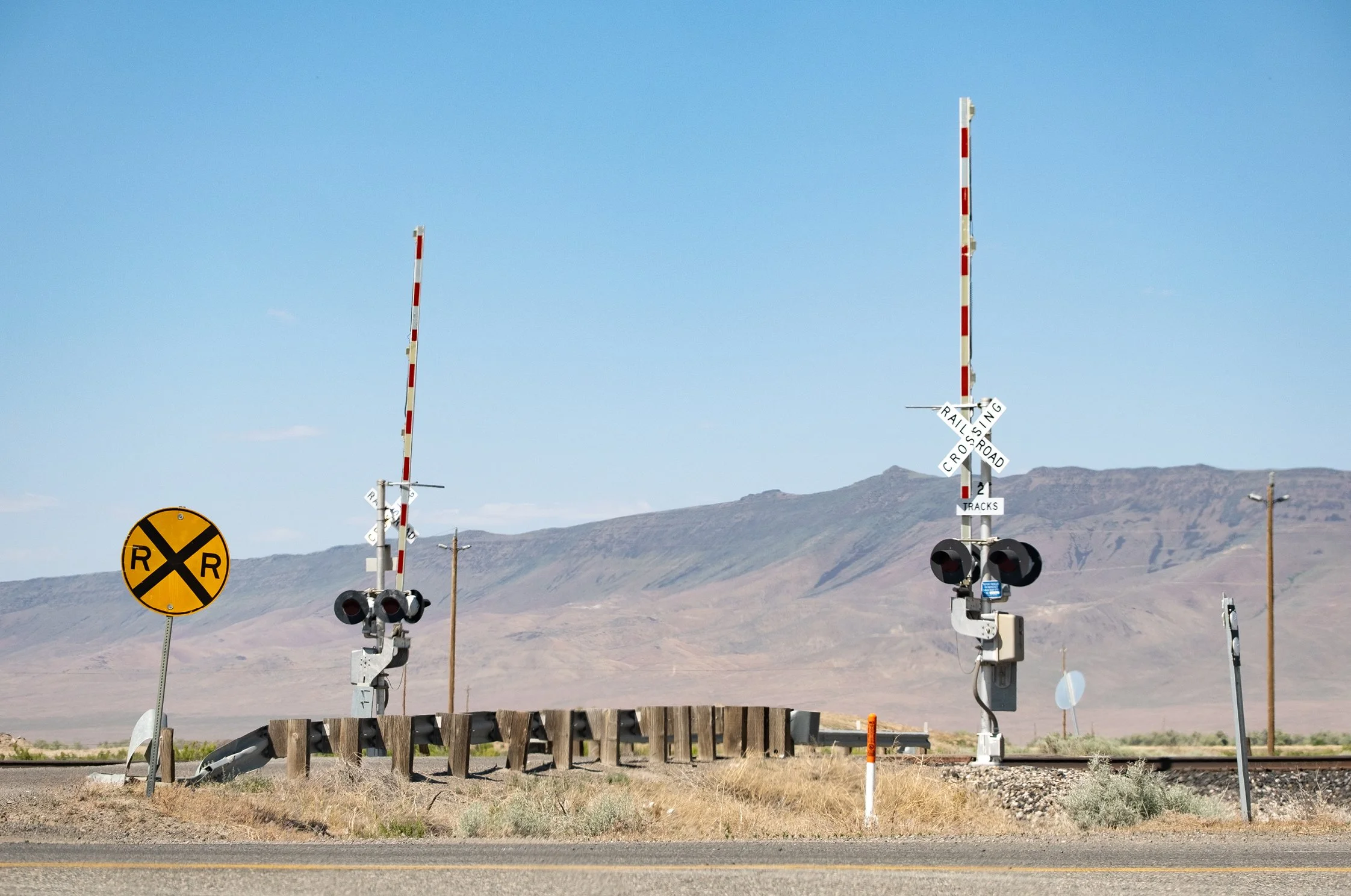
Along with the I-80, the cowboys and the Humblodt River, there’s railroad tracking this same route through the desert. Winnemucca’s museum also chronicles the history of its construction and how it brought new people and employment prospects to the area.

Cowboy-Corridor.jpg
Cowboy-Corridor2.jpg
Cowboy-Corridor3.jpg
Cowboy-Corridor4.jpg
Cowboy-Corridor5.jpg
Cowboy-Corridor6.jpg
Cowboy-Corridor7.jpg
Cowboy-Corridor8.jpg
Cowboy-Corridor9.jpg
Cowboy-Corridor33.jpg
Cowboy-Corridor10.jpg
Cowboy-Corridor11.jpg
Cowboy-Corridor12.jpg
Cowboy-Corridor13.jpg
Cowboy-Corridor14.jpg
Cowboy-Corridor15.jpg
Cowboy-Corridor31.jpg
Cowboy-Corridor16.jpg
Cowboy-Corridor32.jpg
Cowboy-Corridor17.jpg
Cowboy-Corridor18.jpg
Cowboy-Corridor19.jpg
Cowboy-Corridor34.jpg
Cowboy-Corridor20.jpg
Cowboy-Corridor21.jpg
Cowboy-Corridor22.jpg
Cowboy-Corridor29.jpg
Cowboy-Corridor23.jpg
Cowboy-Corridor24.jpg
Cowboy-Corridor25.jpg
Cowboy-Corridor26.jpg
Cowboy-Corridor27.jpg
Cowboy-Corridor28.jpg
Cowboy-Corridor30.jpg

DEVON Tar Barrels

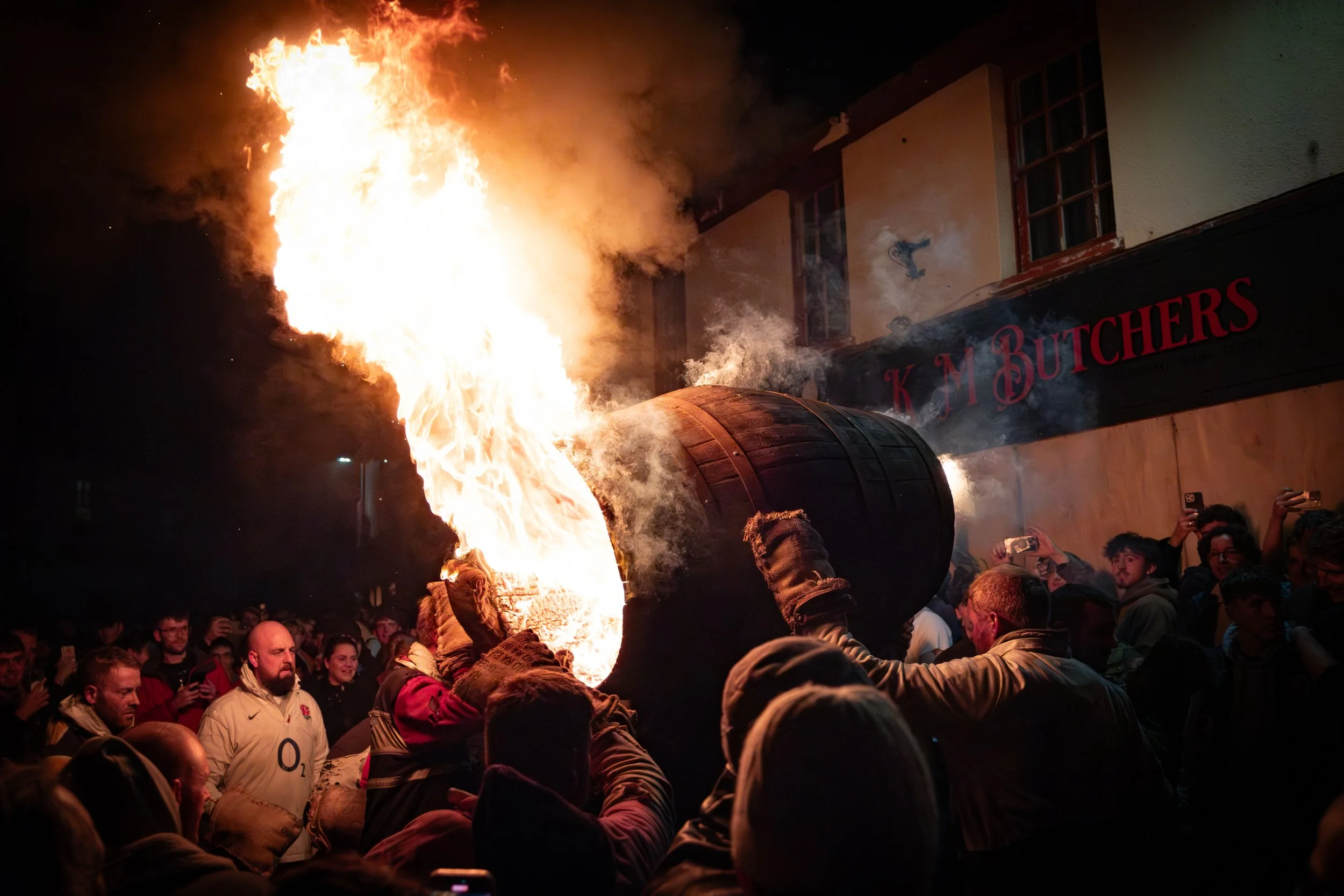
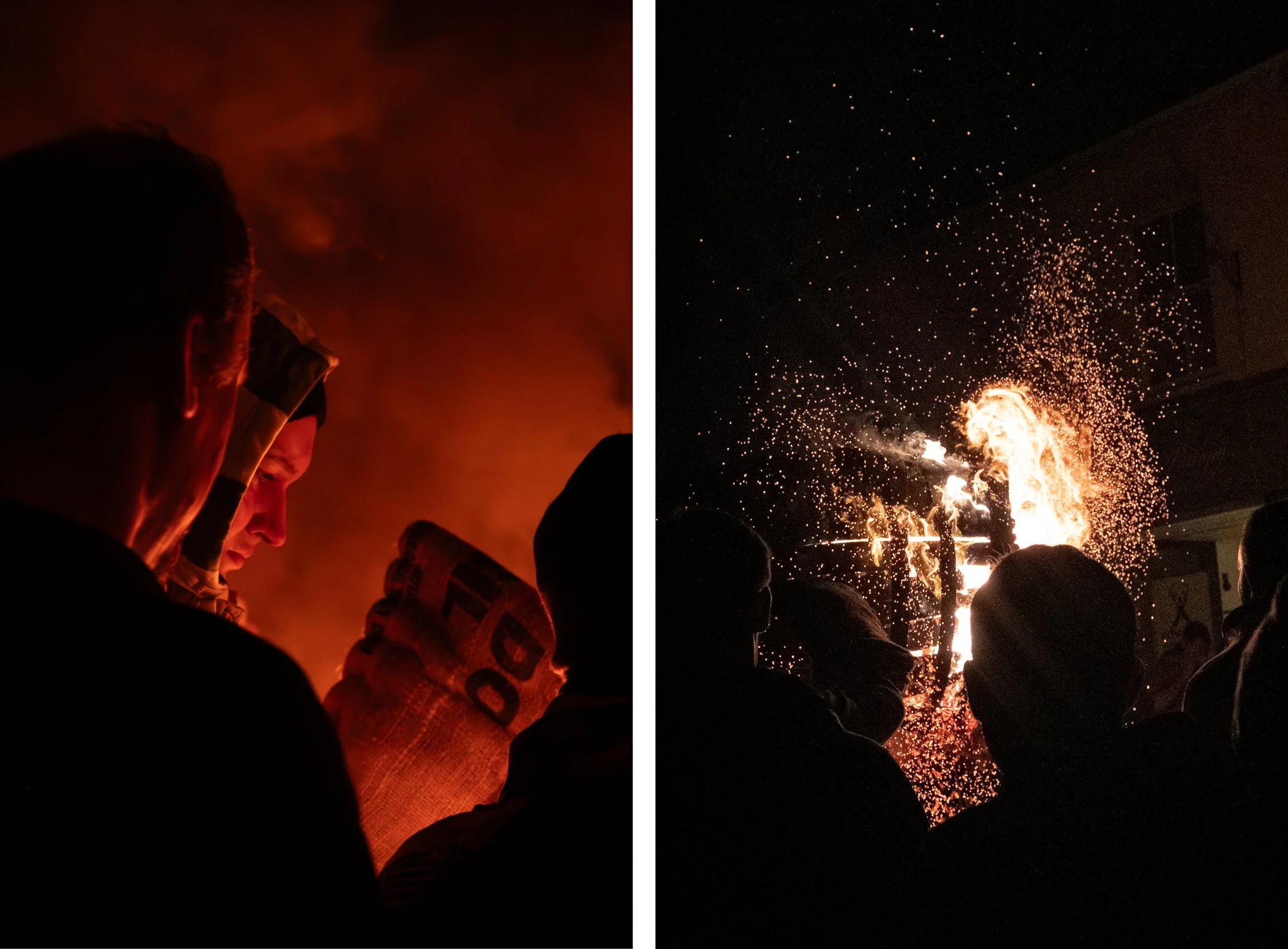
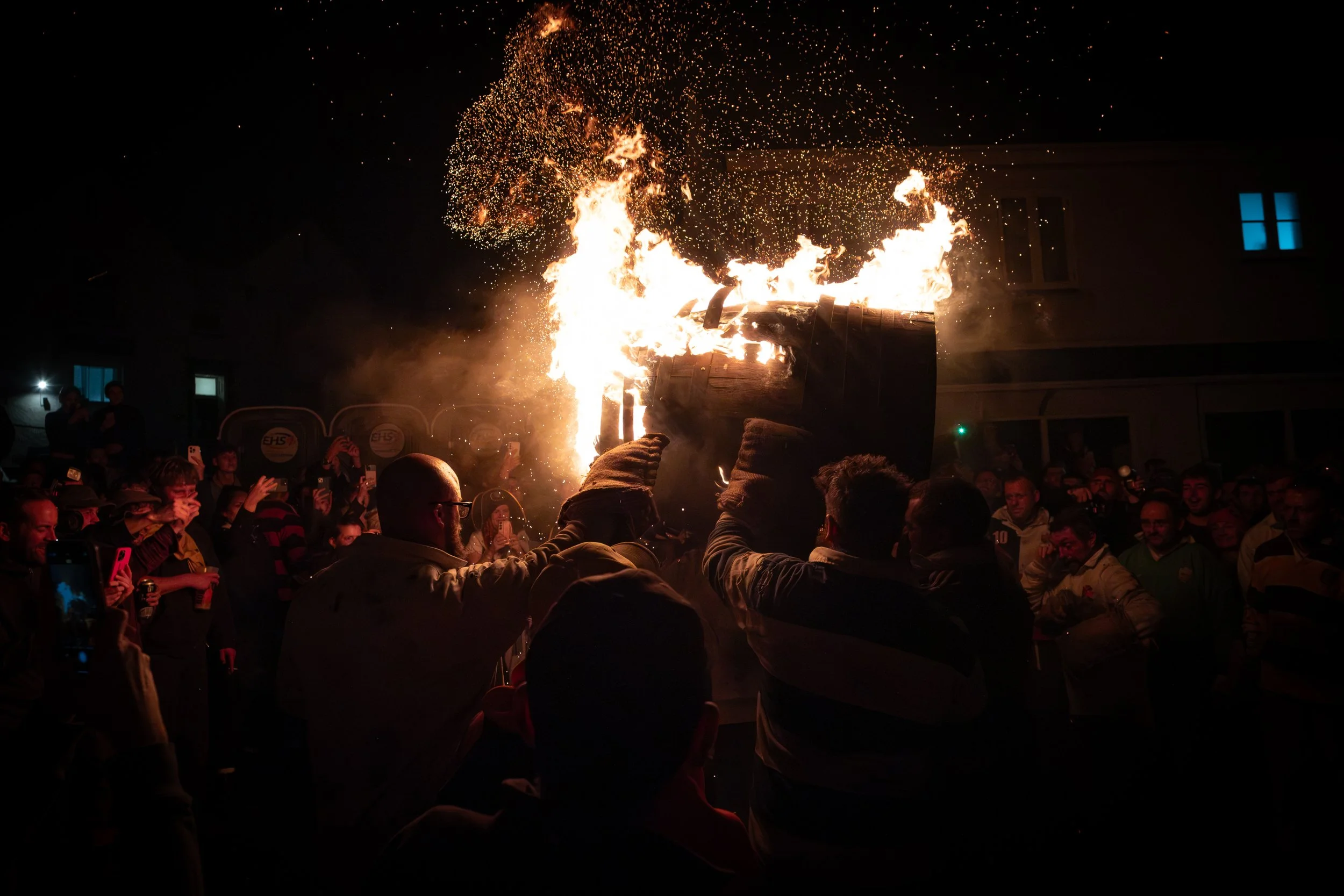
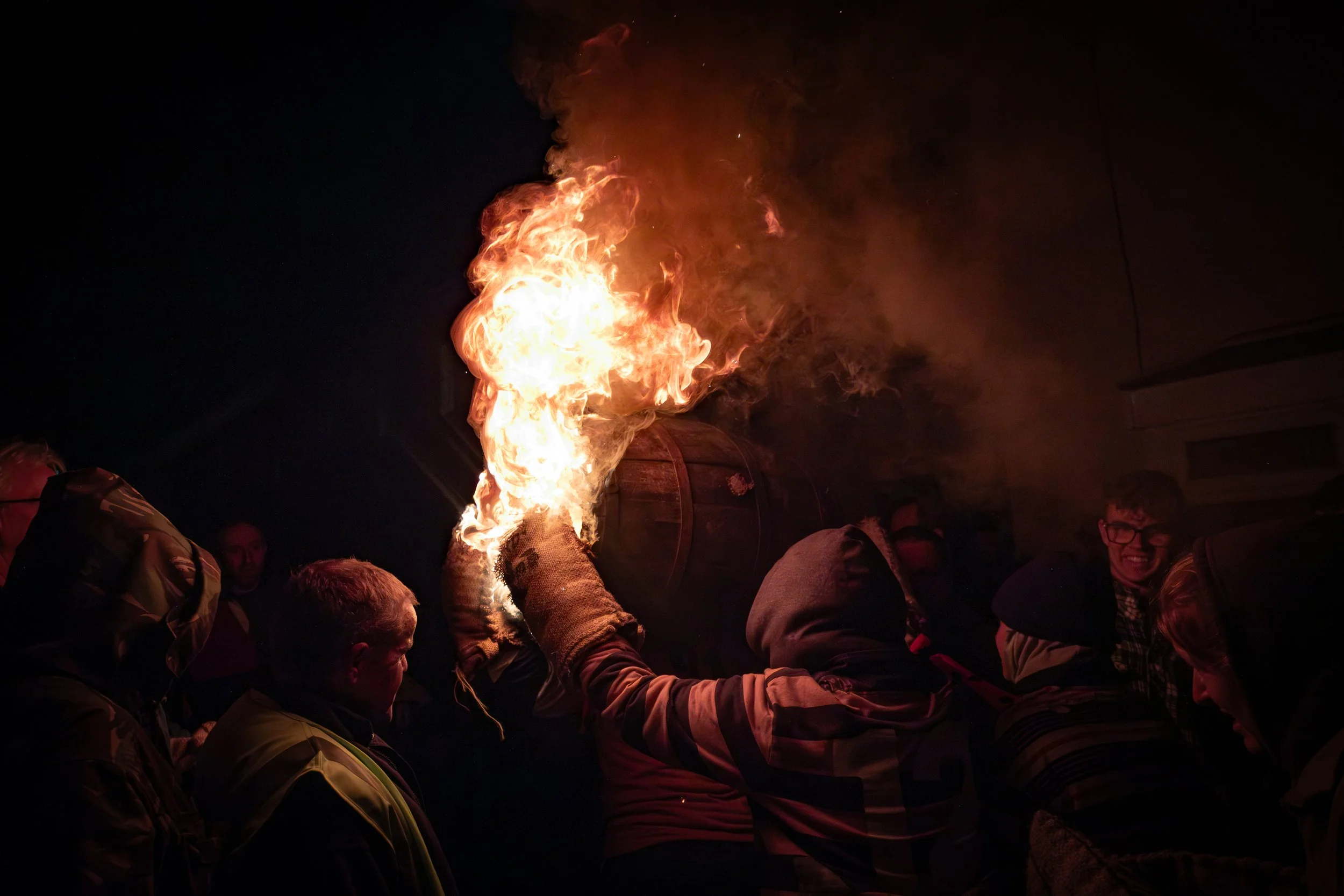
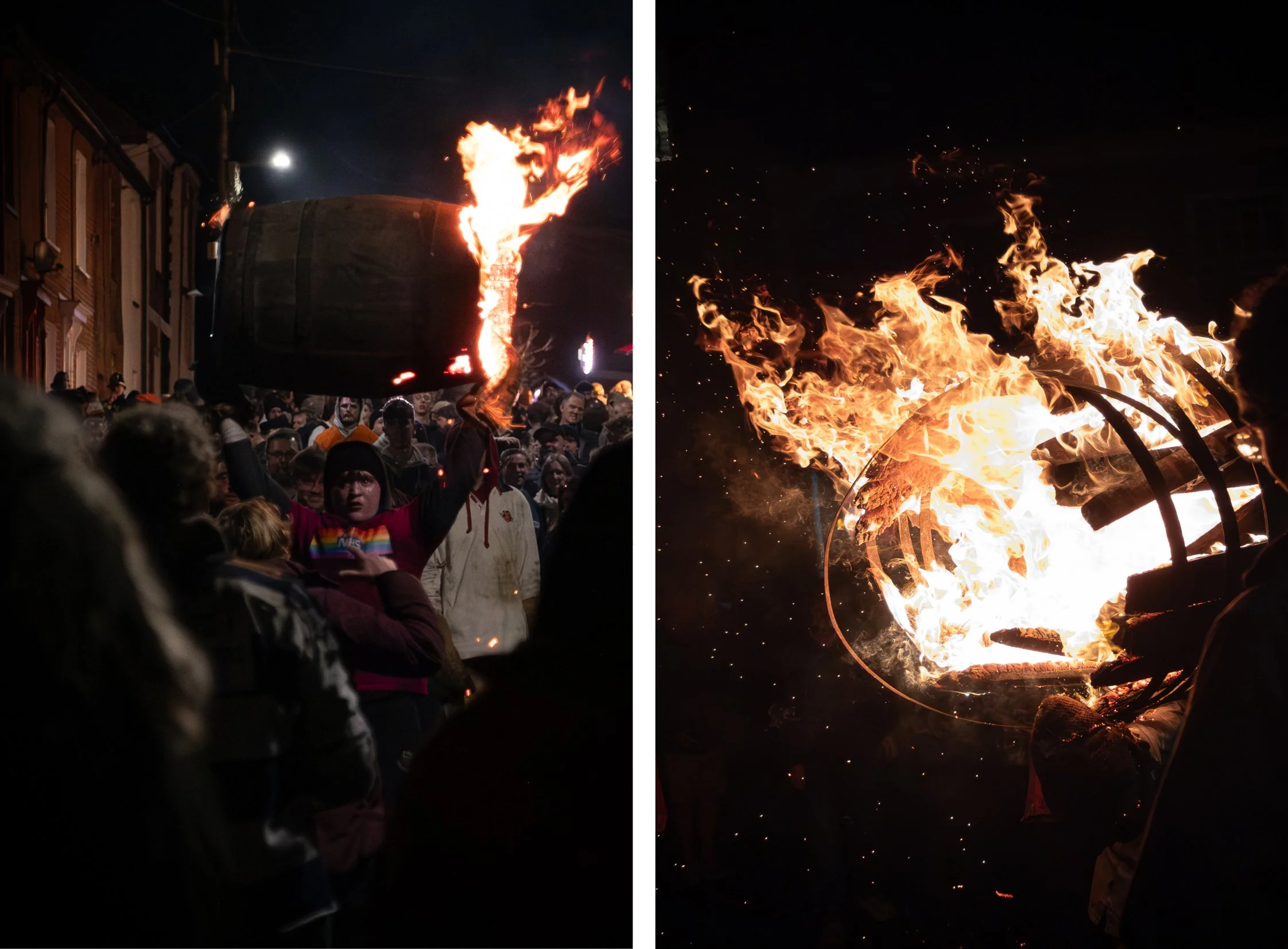
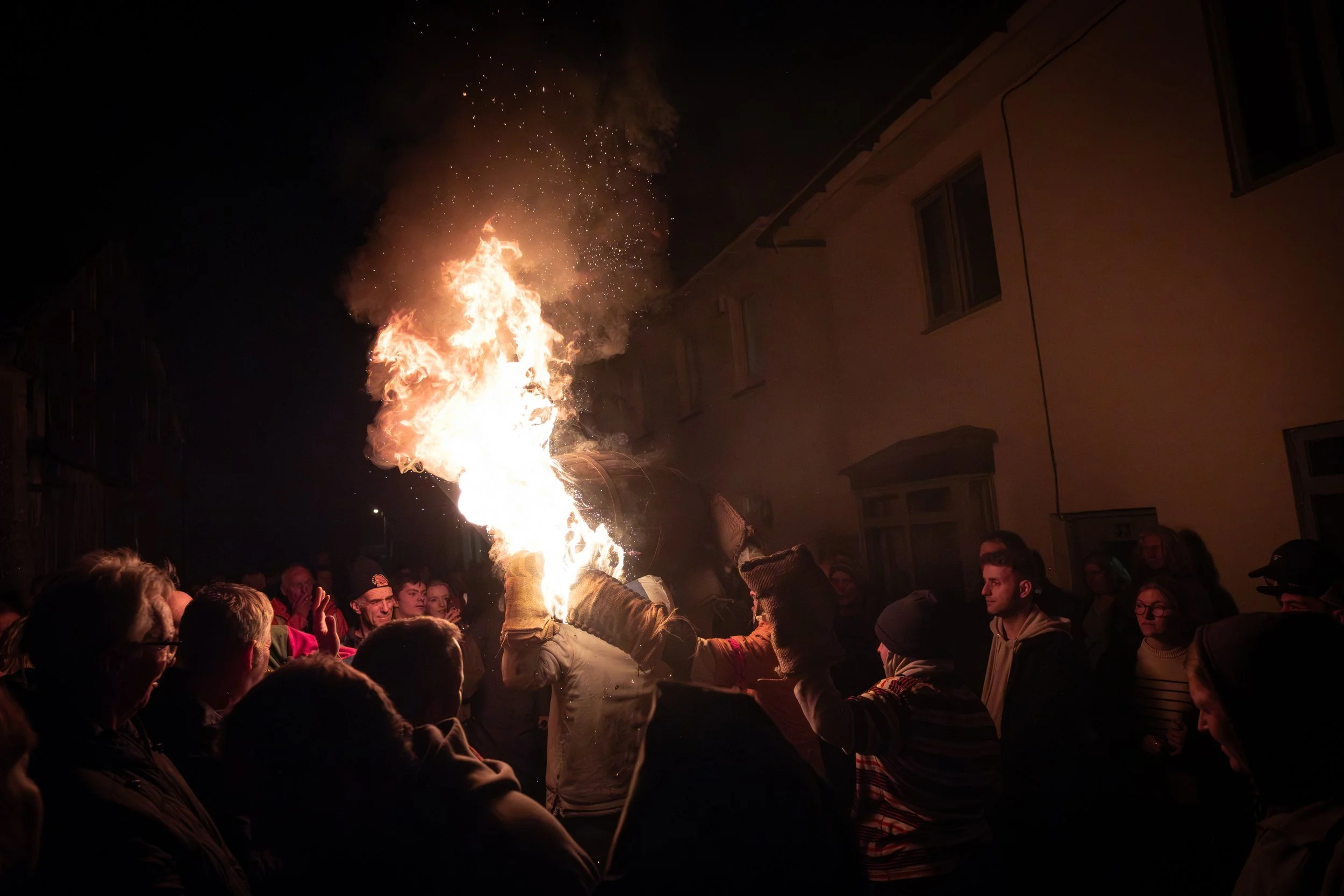
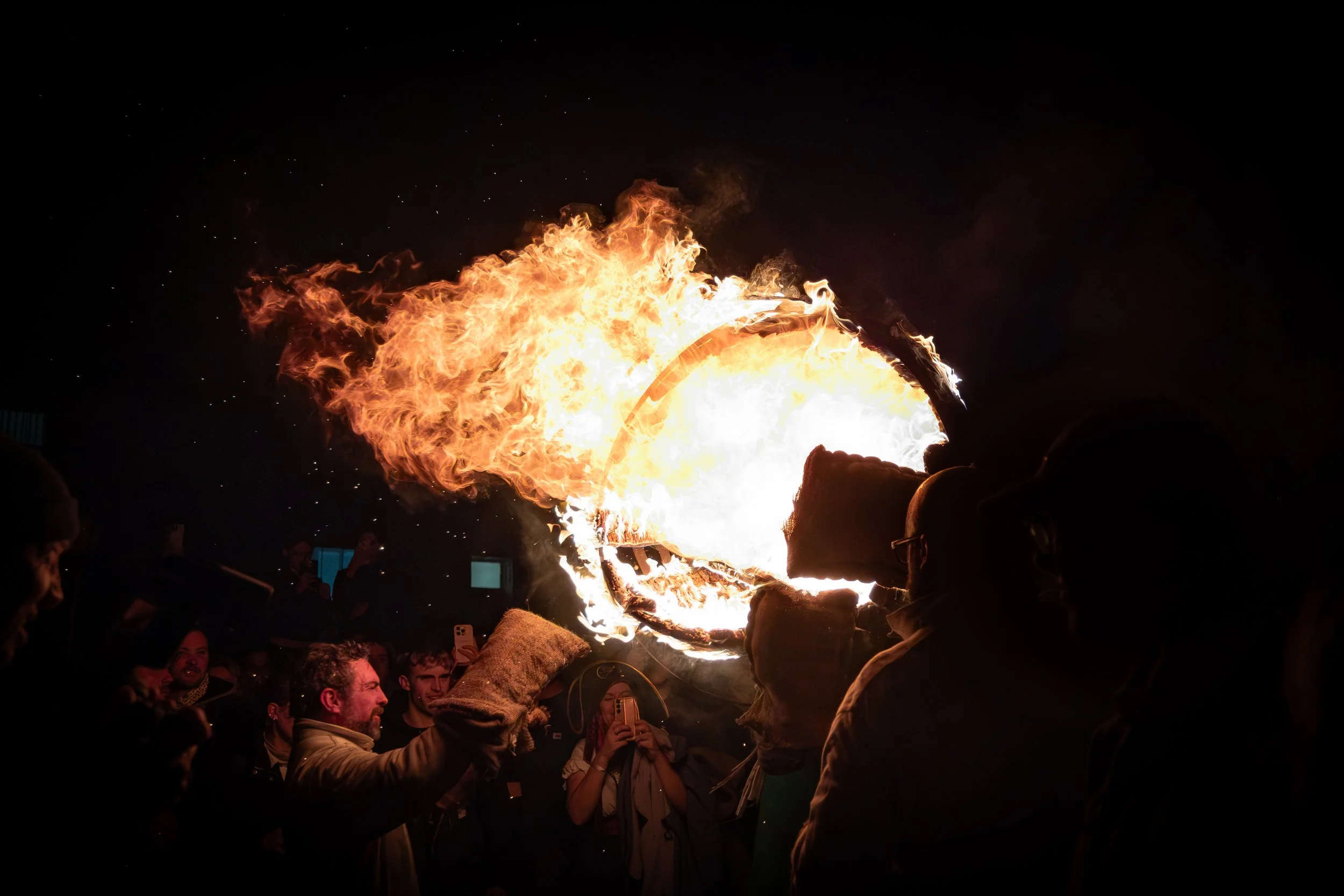
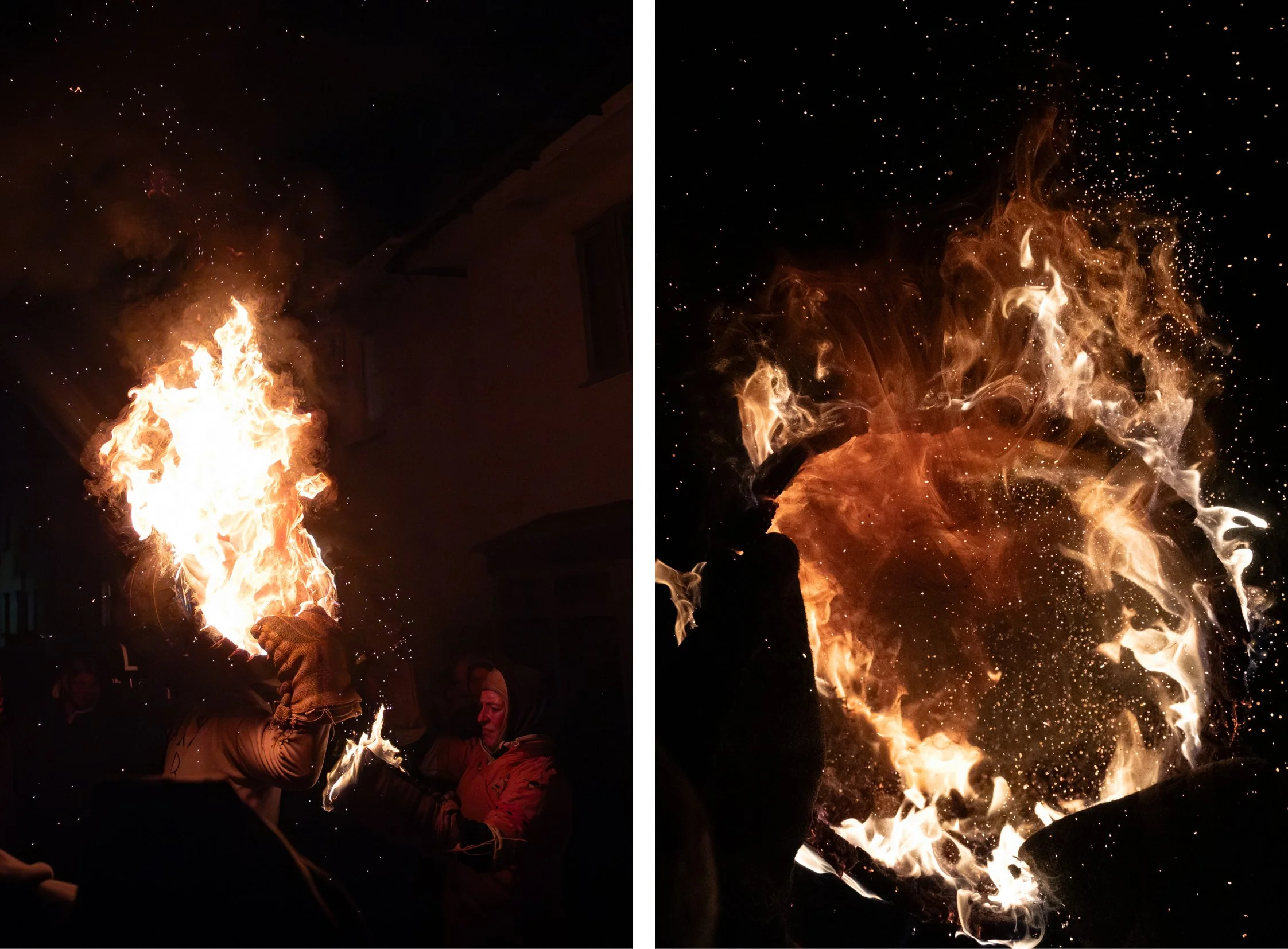
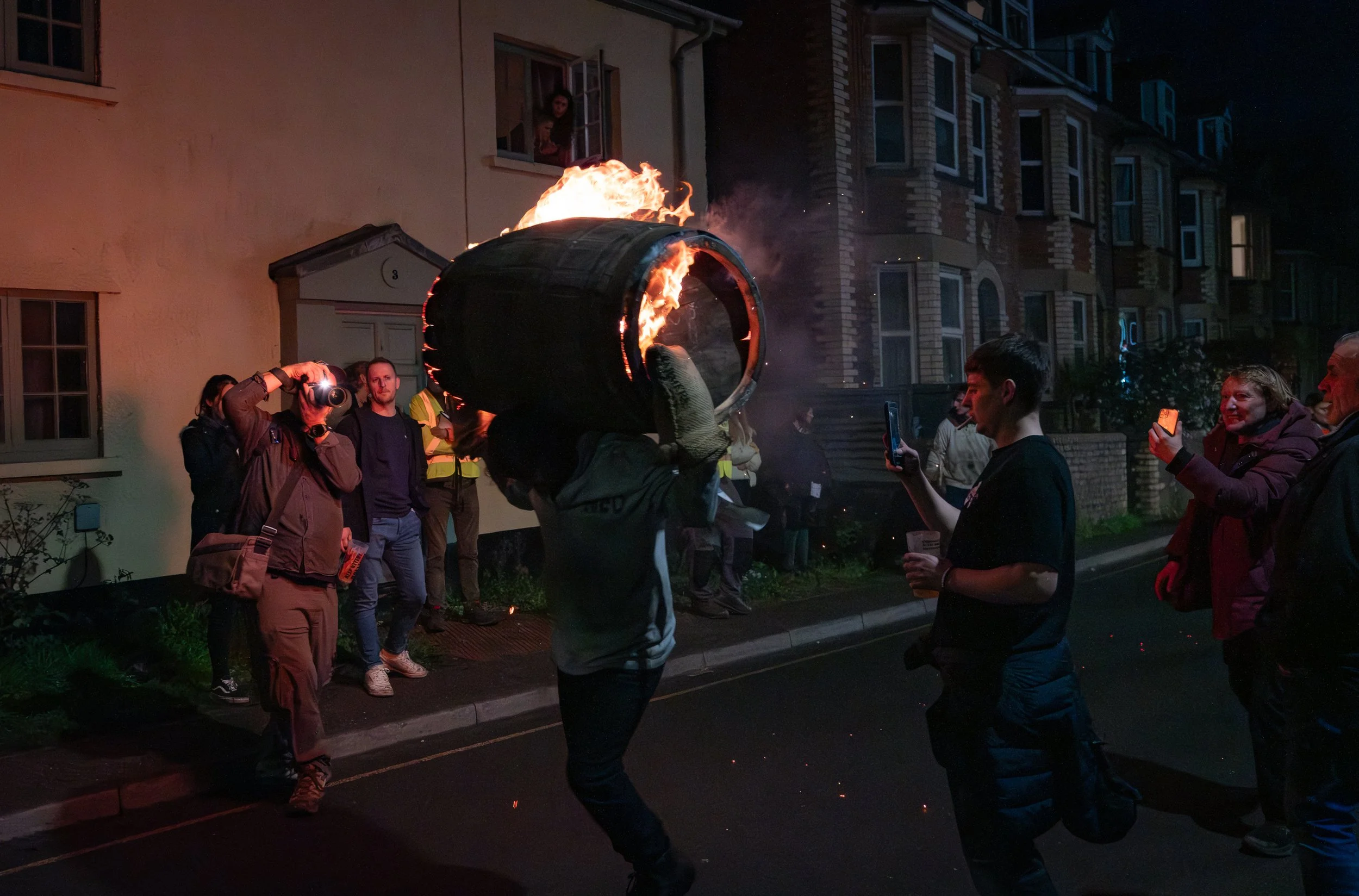
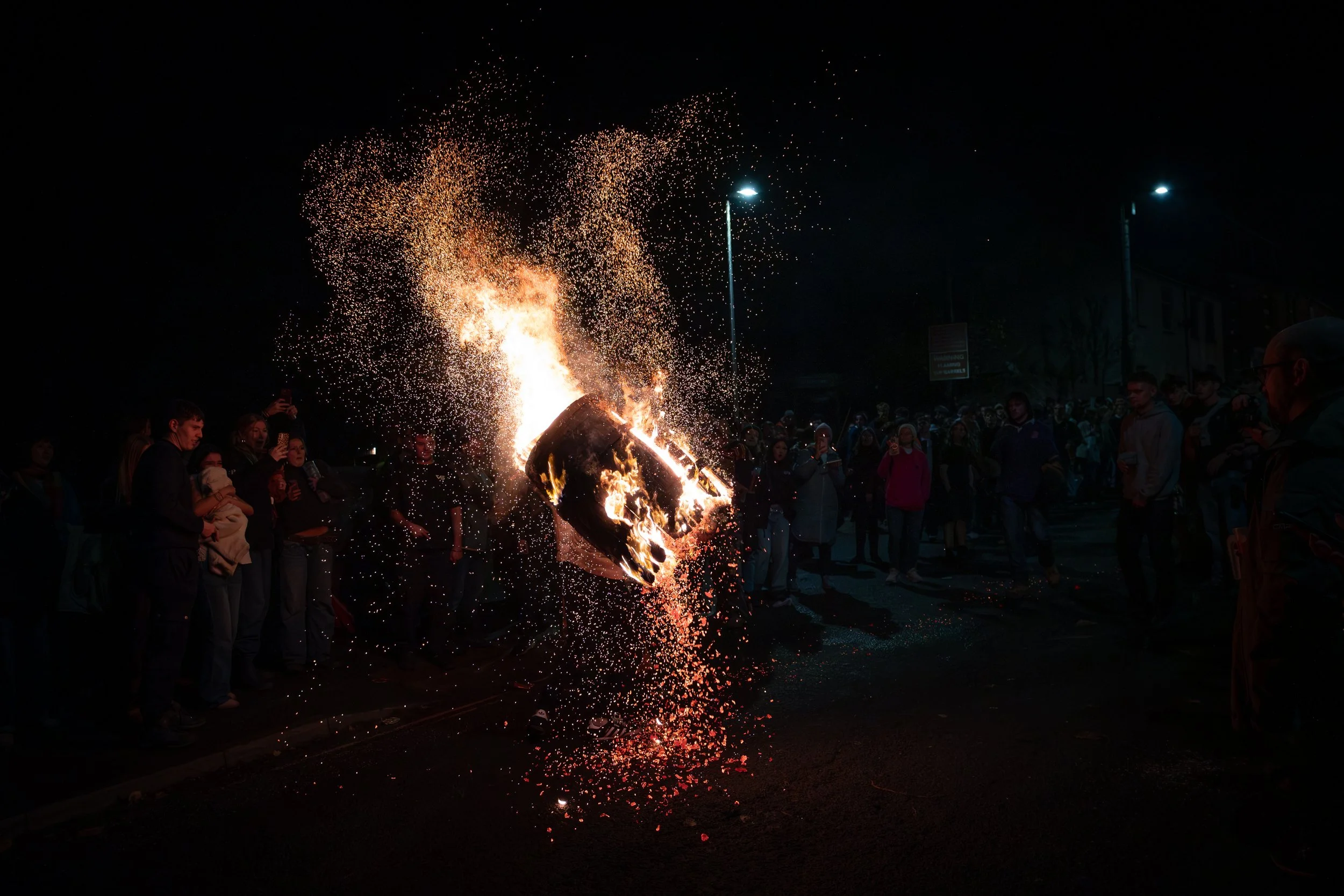
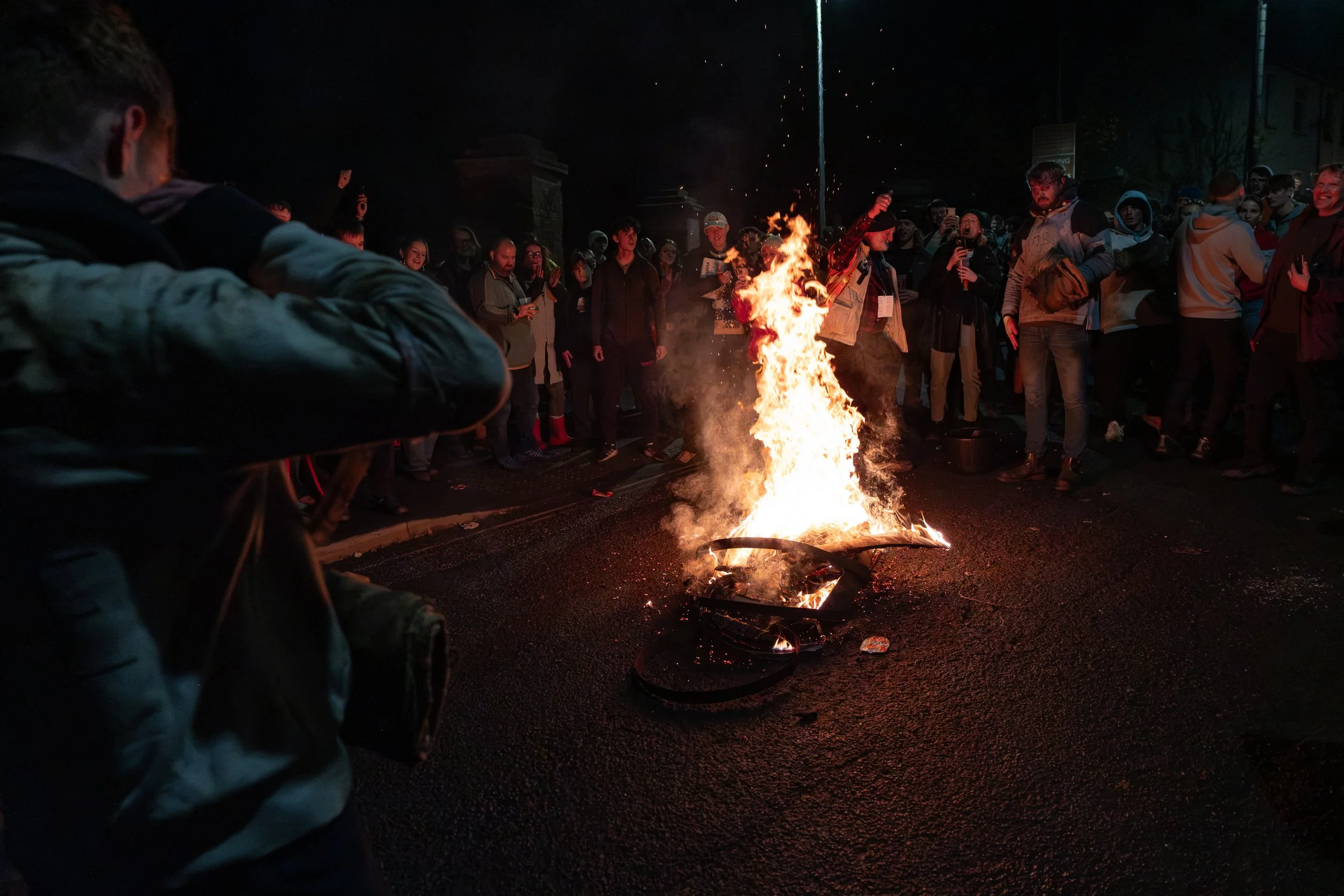
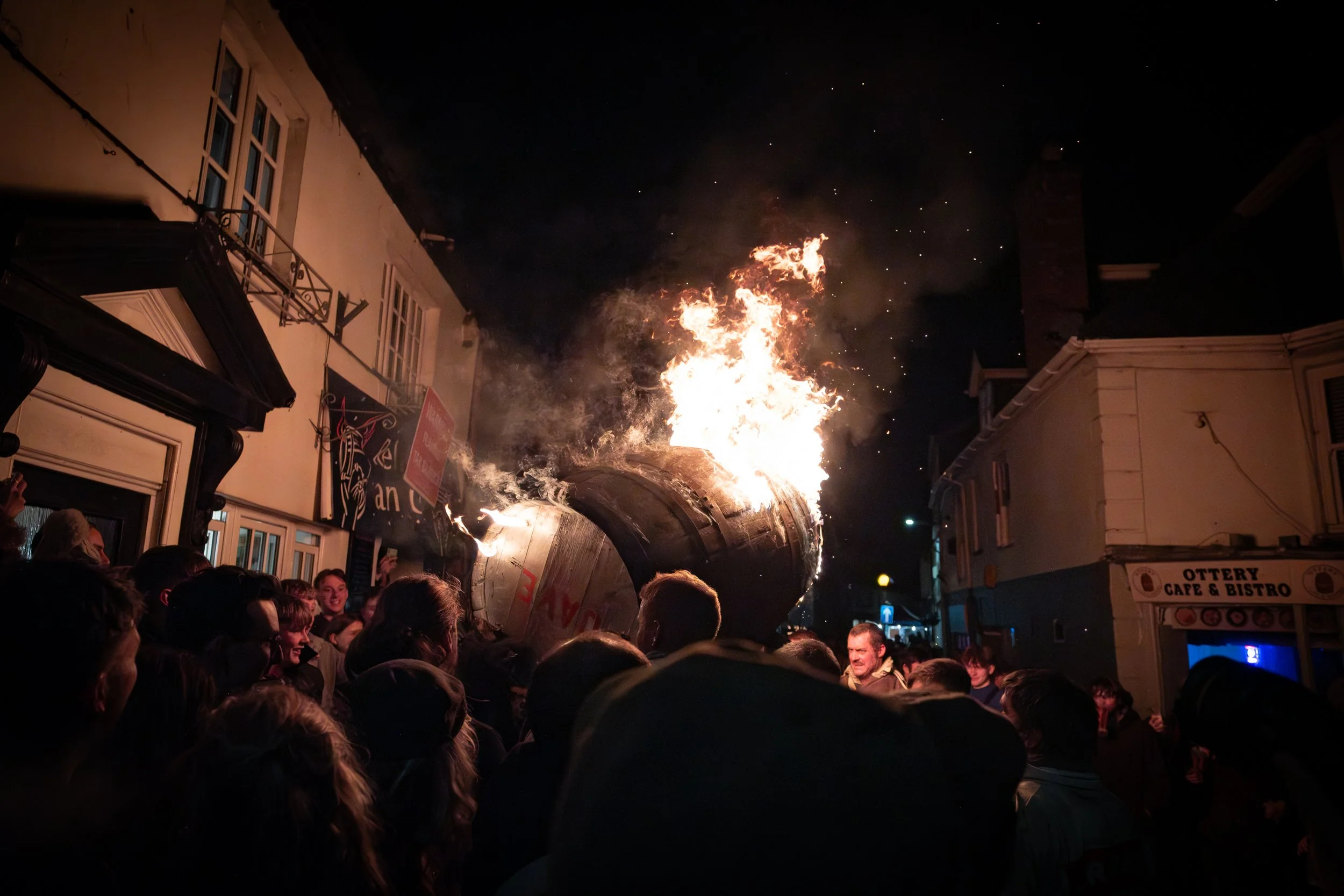
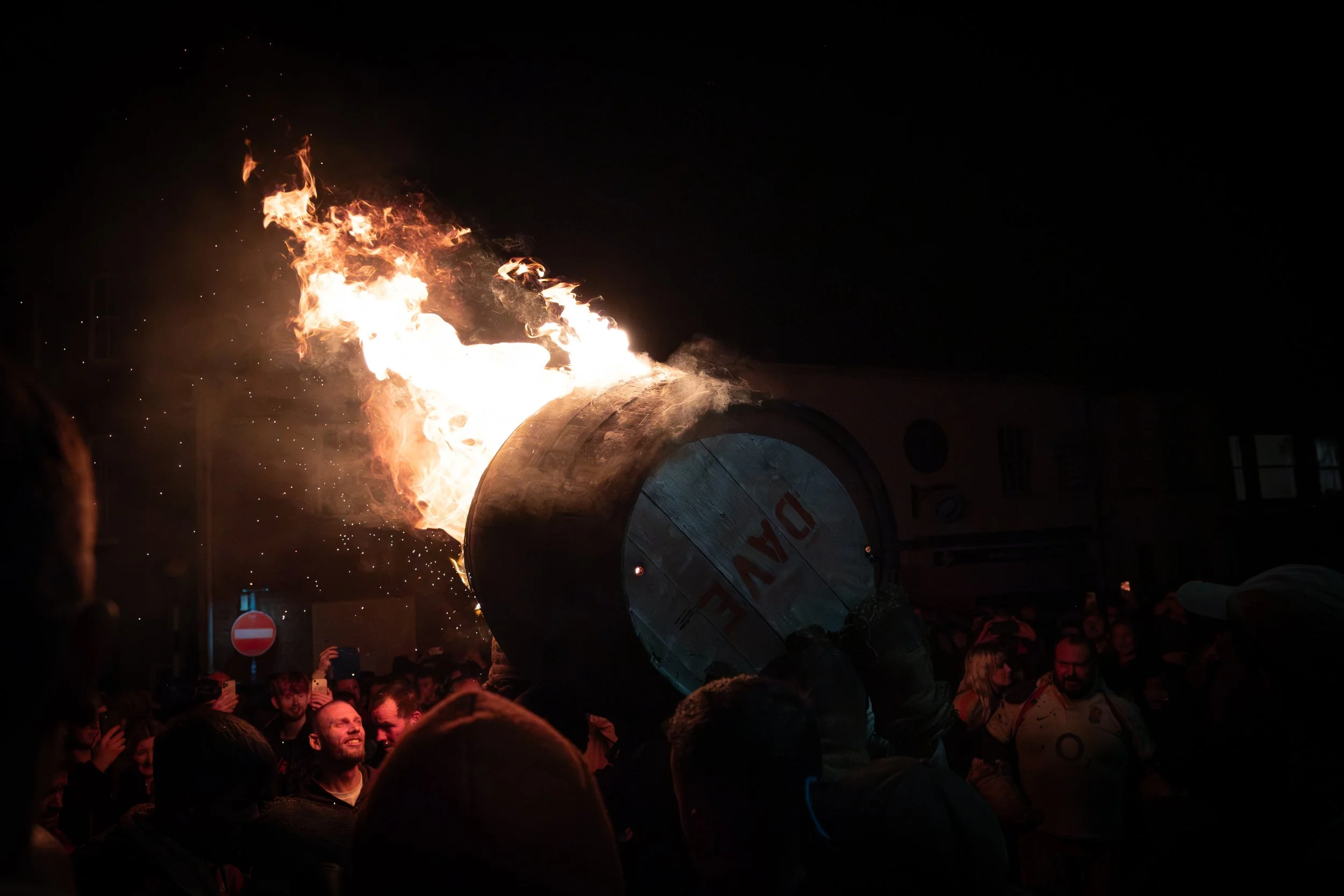
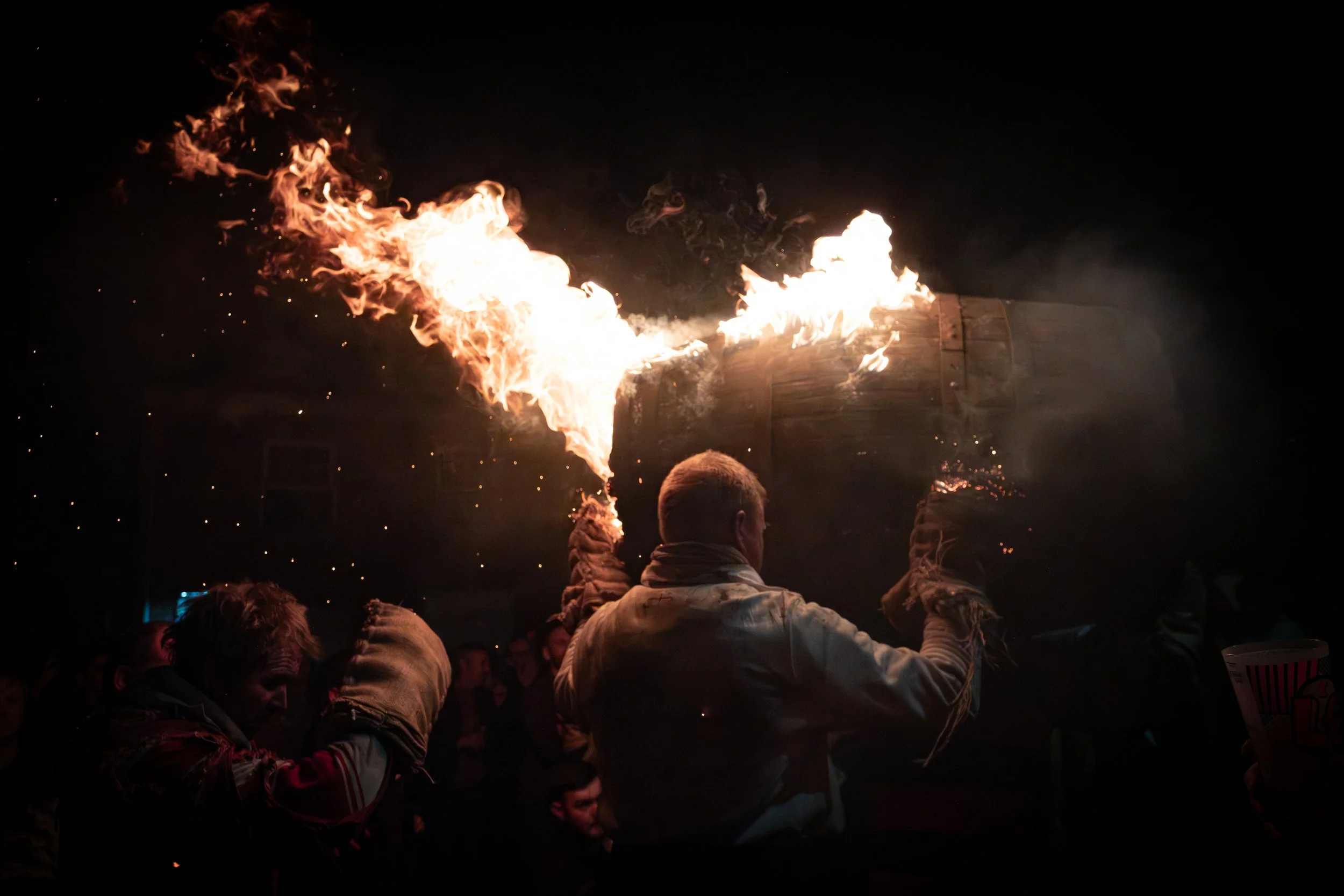
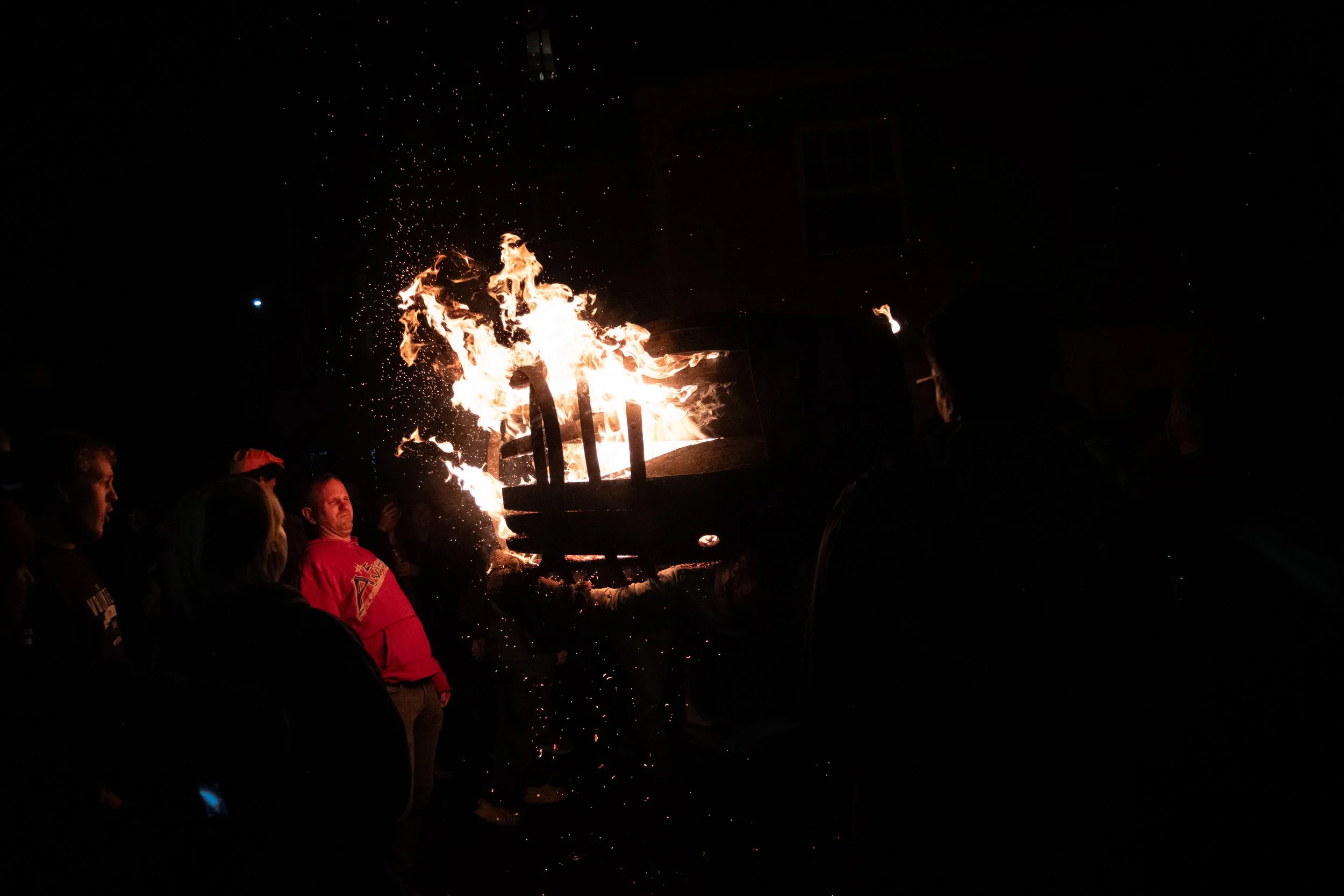
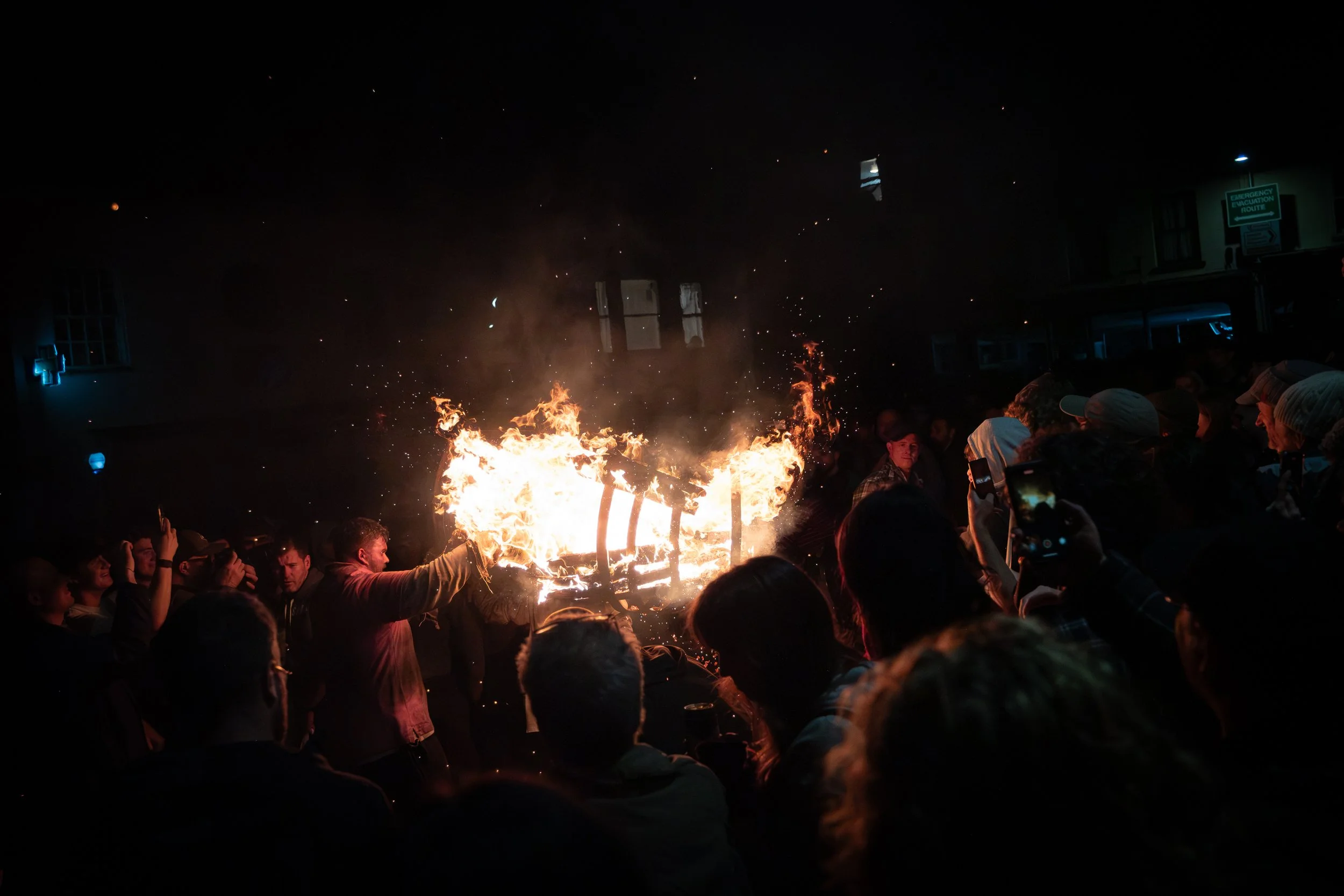
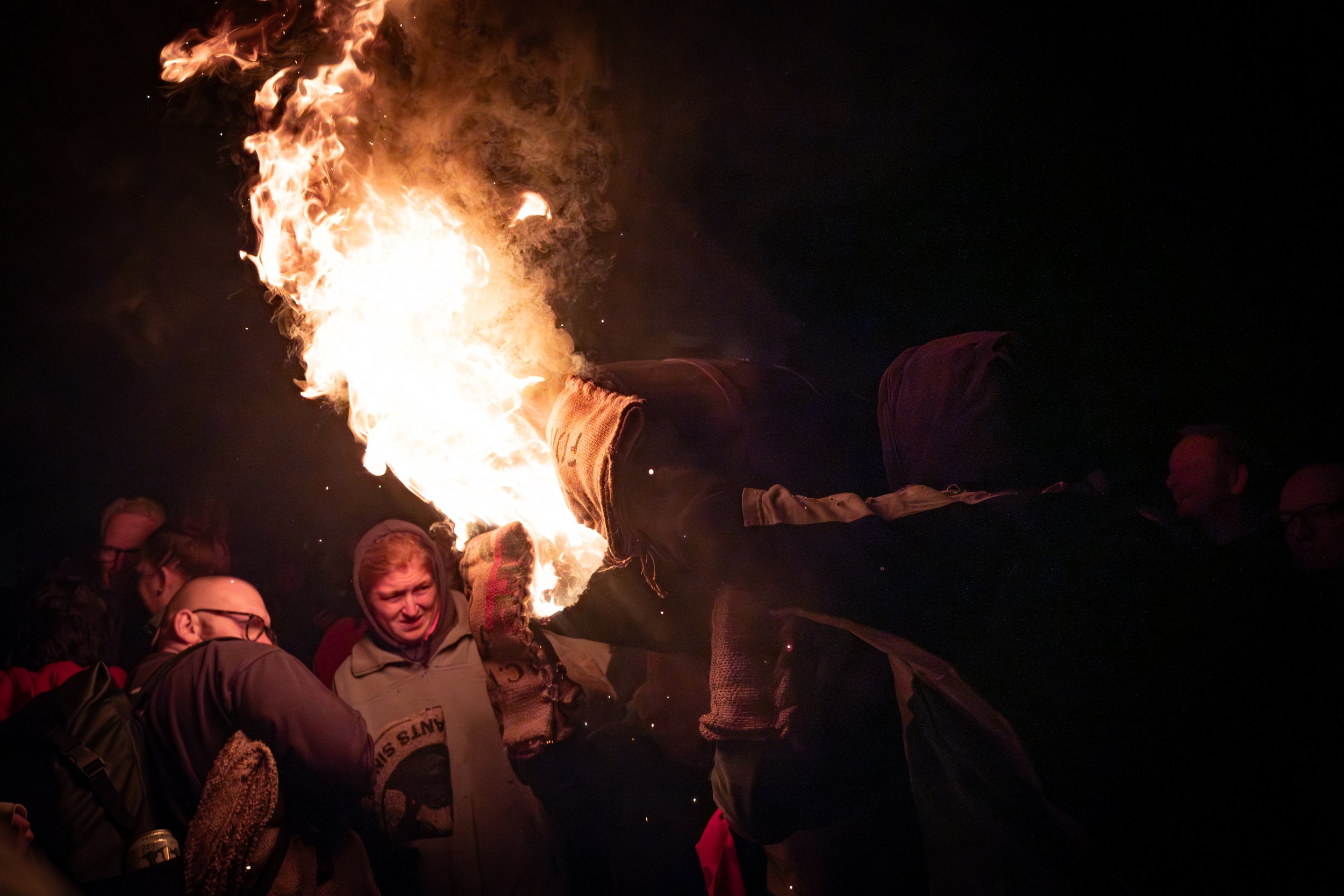
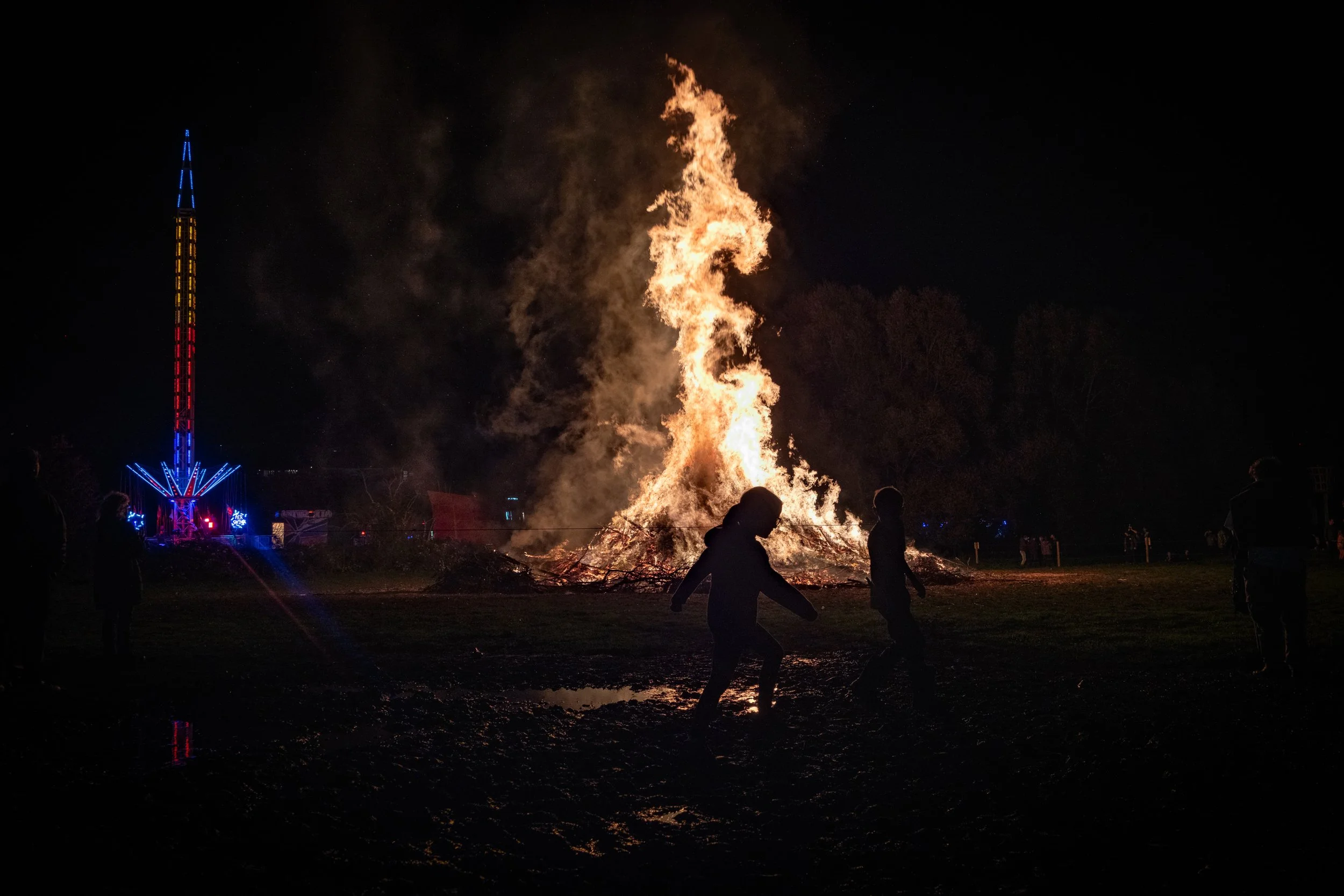
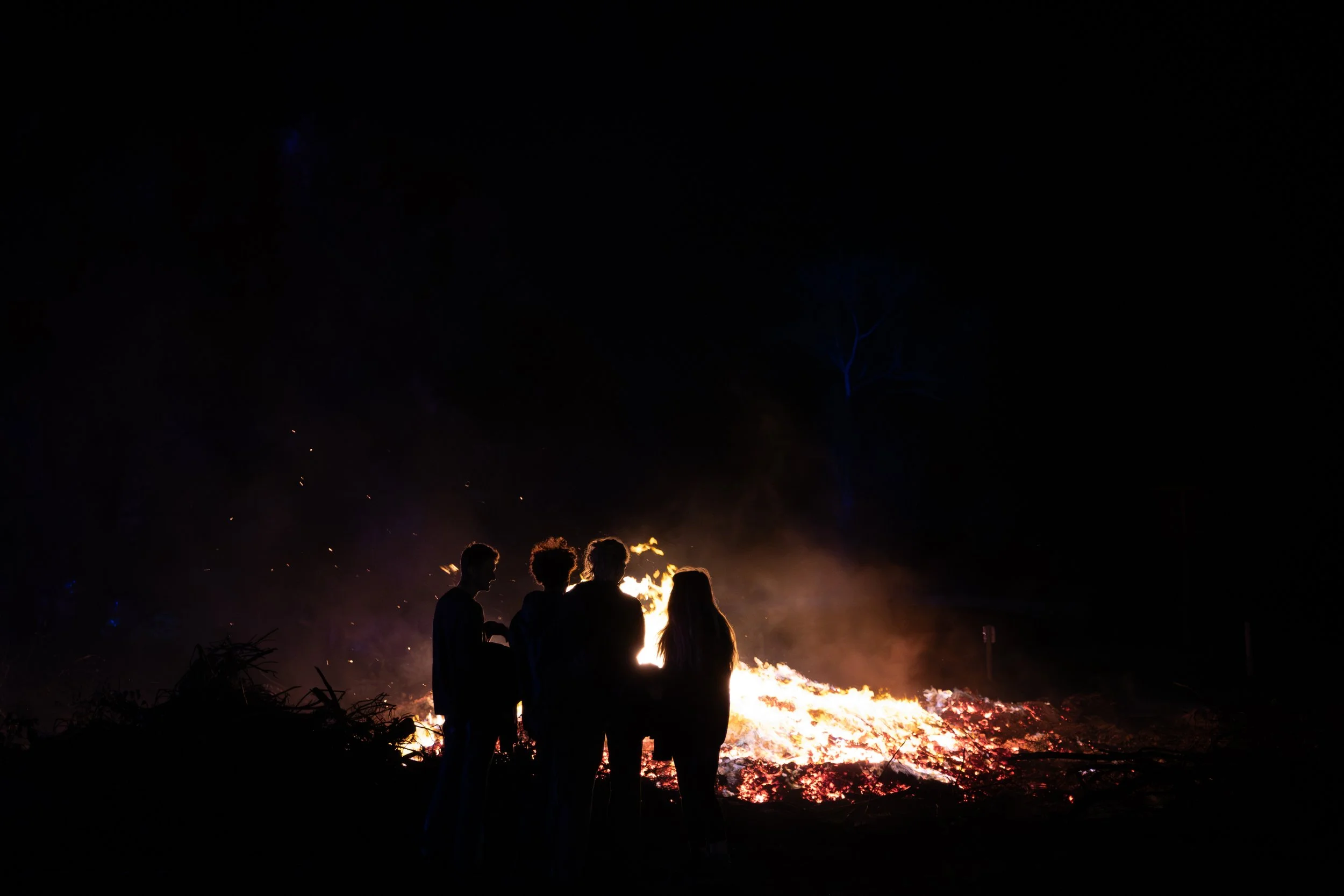
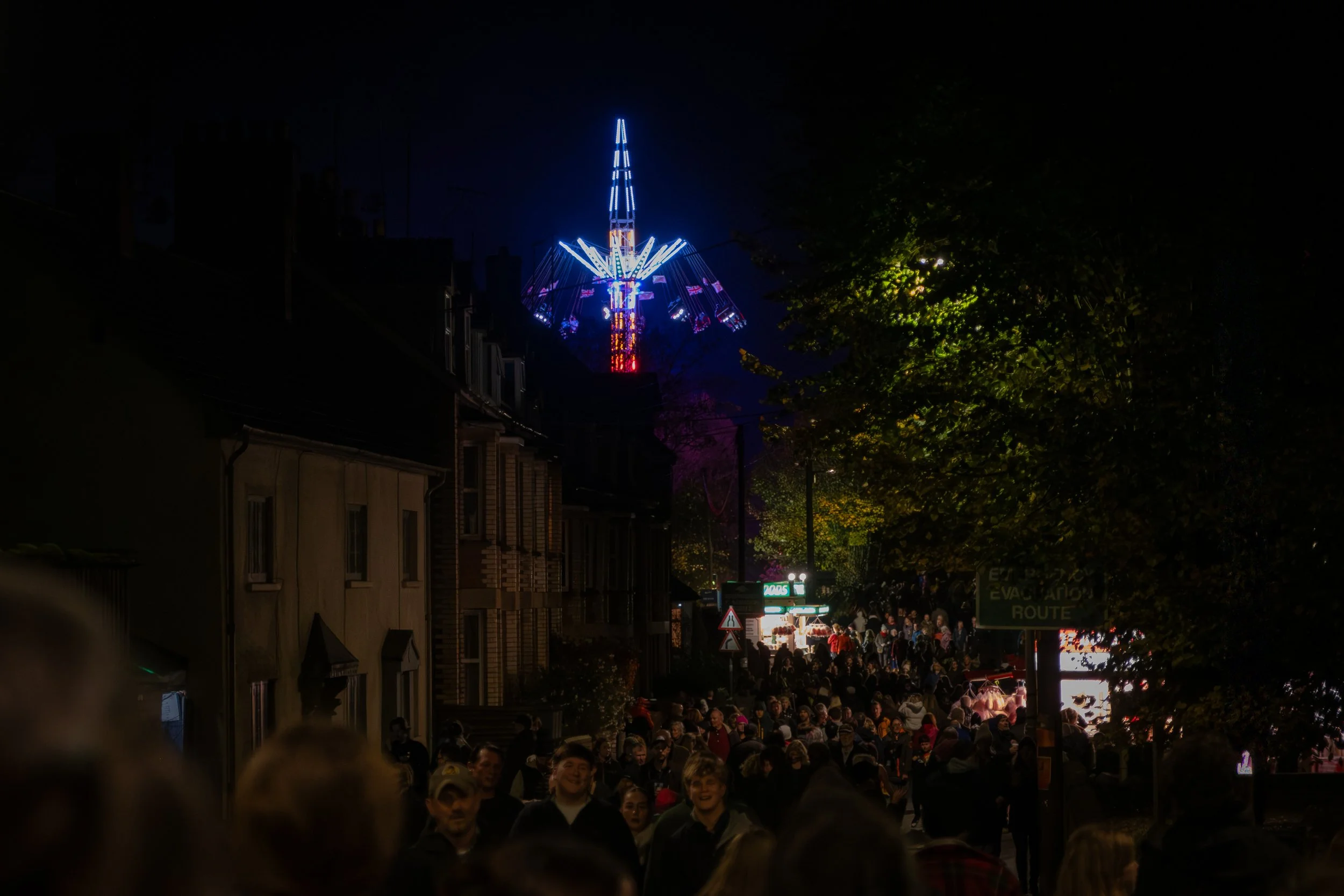
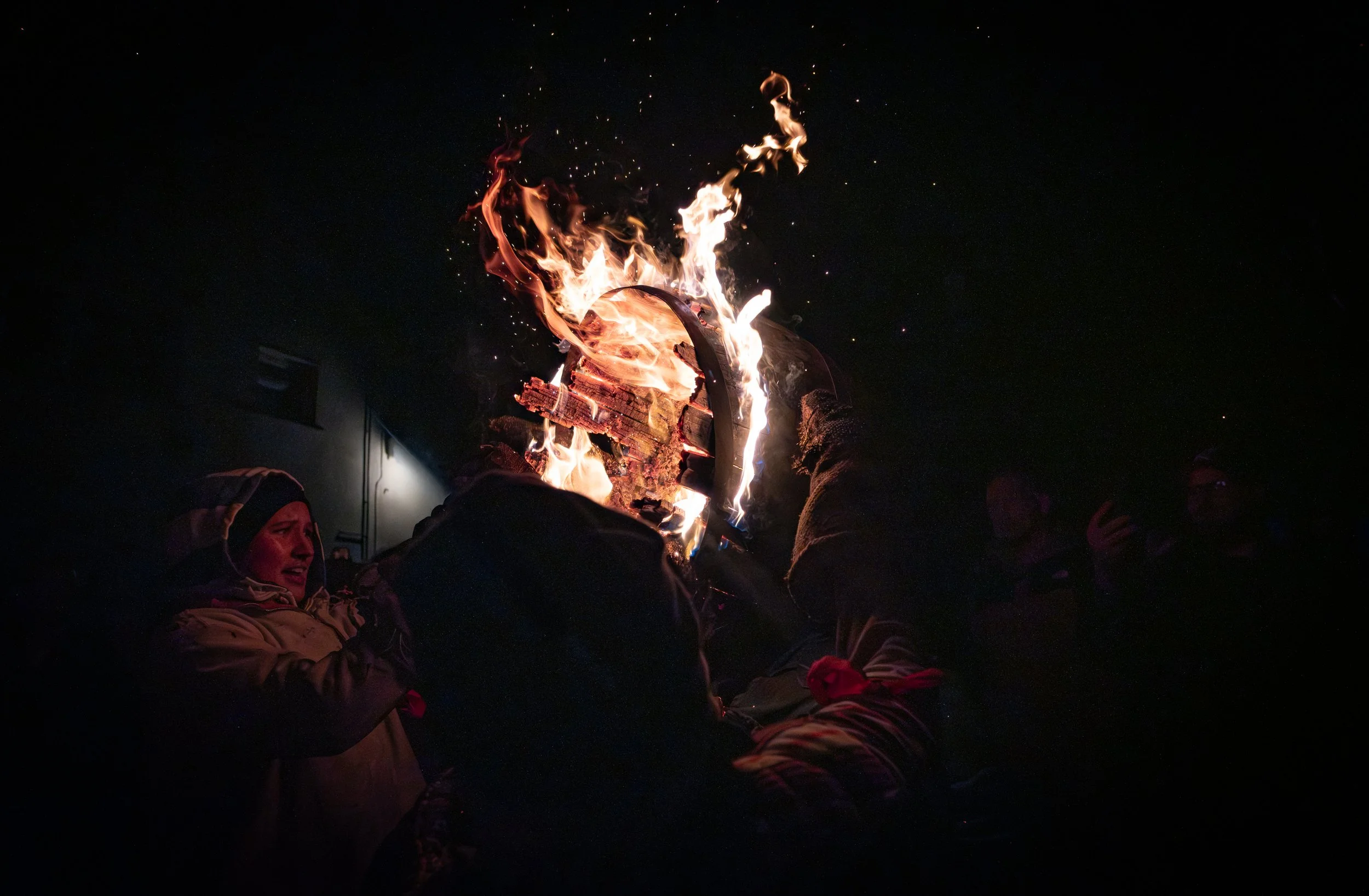
The Tar Barrels of Ottery St Mary, is a fiery affair that takes place every 5th November.

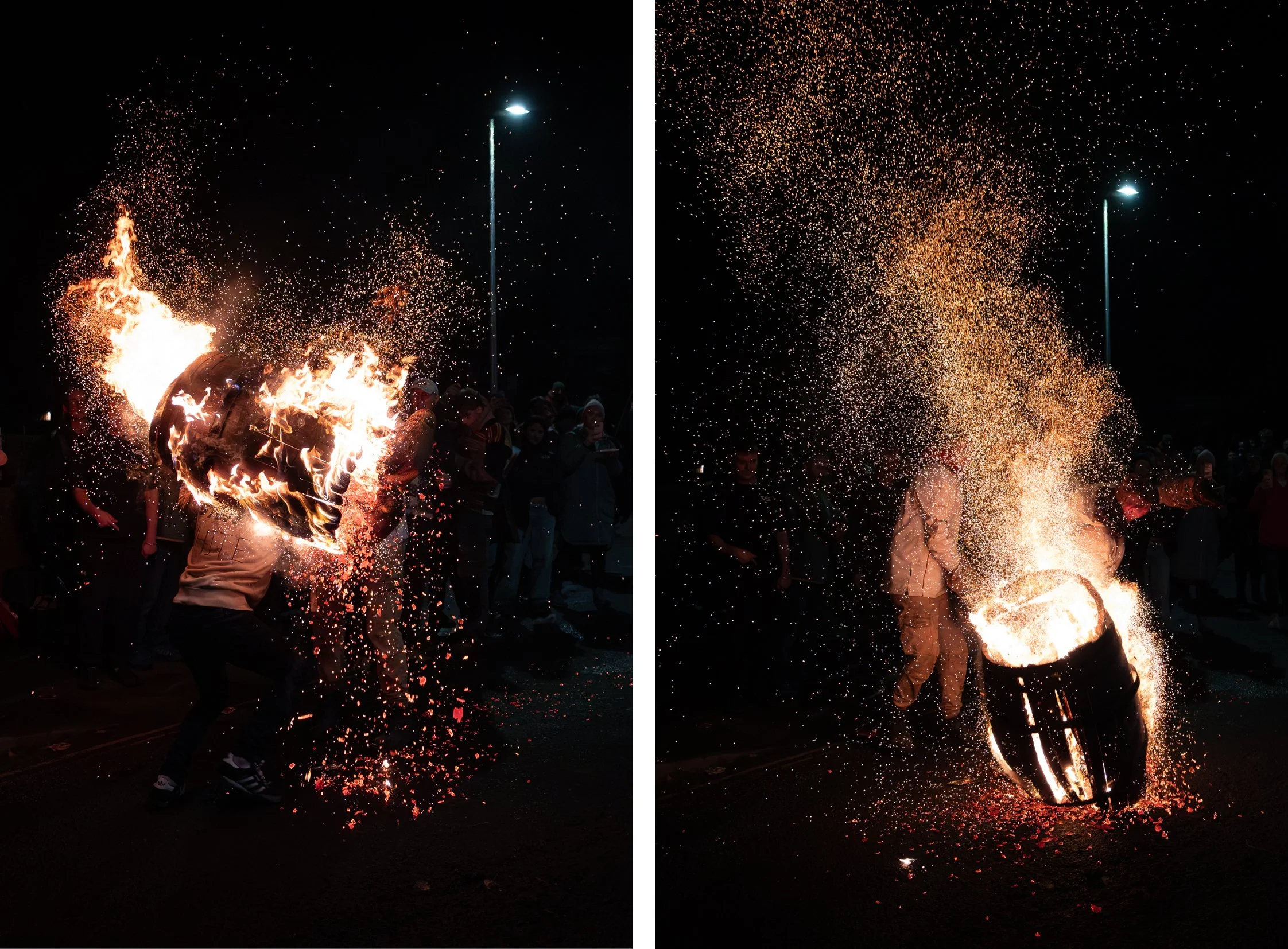
While some say the tradition goes far back as the gunpowder plot of 1605, other sources suggest it has nothing to do with Guy Fawkes and was merely a common method for fumigating houses or warding off evil spirits. Yet, to this day, the town welcomes hundreds of people, who line the streets narrowly avoiding the while townsfolk holding aloft flaming barrels. The barrels – of varying sizes – are soaked in tar and paraded along the streets, passed from barreller to bareller in a seemingly haphazard manner.

I stayed all night till the fabled ‘midnight barrel’, the largest and heaviest of the night. The flames came spectacularly close at points but, thankfully, I still have all my hair and skin. Unlike some of the barrellers.

It’s easily one of the most challenging events I’ve photographed: the night was dark, street lamps minimal and the flames – from intense white heat to glowing embers – were tricky to meter. Nonetheless it was was of the most enjoyable.

DEVON-Tar-Barrels-0126.jpg
DEVON-Tar-Barrels-0658.jpg
Tar-Barrels-Ottery-St-Mary2.jpg
DEVON-Tar-Barrels-0412.jpg
Tar-Barrels-Ottery-St-Mary5.jpg
DEVON-Tar-Barrels-0004.jpg
Tar-Barrels-Ottery-St-Mary4.jpg
DEVON-Tar-Barrels-0054.jpg
DEVON-Tar-Barrels-0430.jpg
Tar-Barrels-Ottery-St-Mary3.jpg
DEVON-Tar-Barrels-0565.jpg
DEVON-Tar-Barrels-0577.jpg
DEVON-Tar-Barrels-0589.jpg
DEVON-Tar-Barrels-0709.jpg
DEVON-Tar-Barrels-0714.jpg
DEVON-Tar-Barrels-0722.jpg
DEVON-Tar-Barrels-0736.jpg
DEVON-Tar-Barrels-0740.jpg
DEVON-Tar-Barrels-9989.jpg
DEVON-Tar-Barrels-9715.jpg
DEVON-Tar-Barrels-0515.jpg
DEVON-Tar-Barrels-9596.jpg

KENYA Taita Hills Conservancy

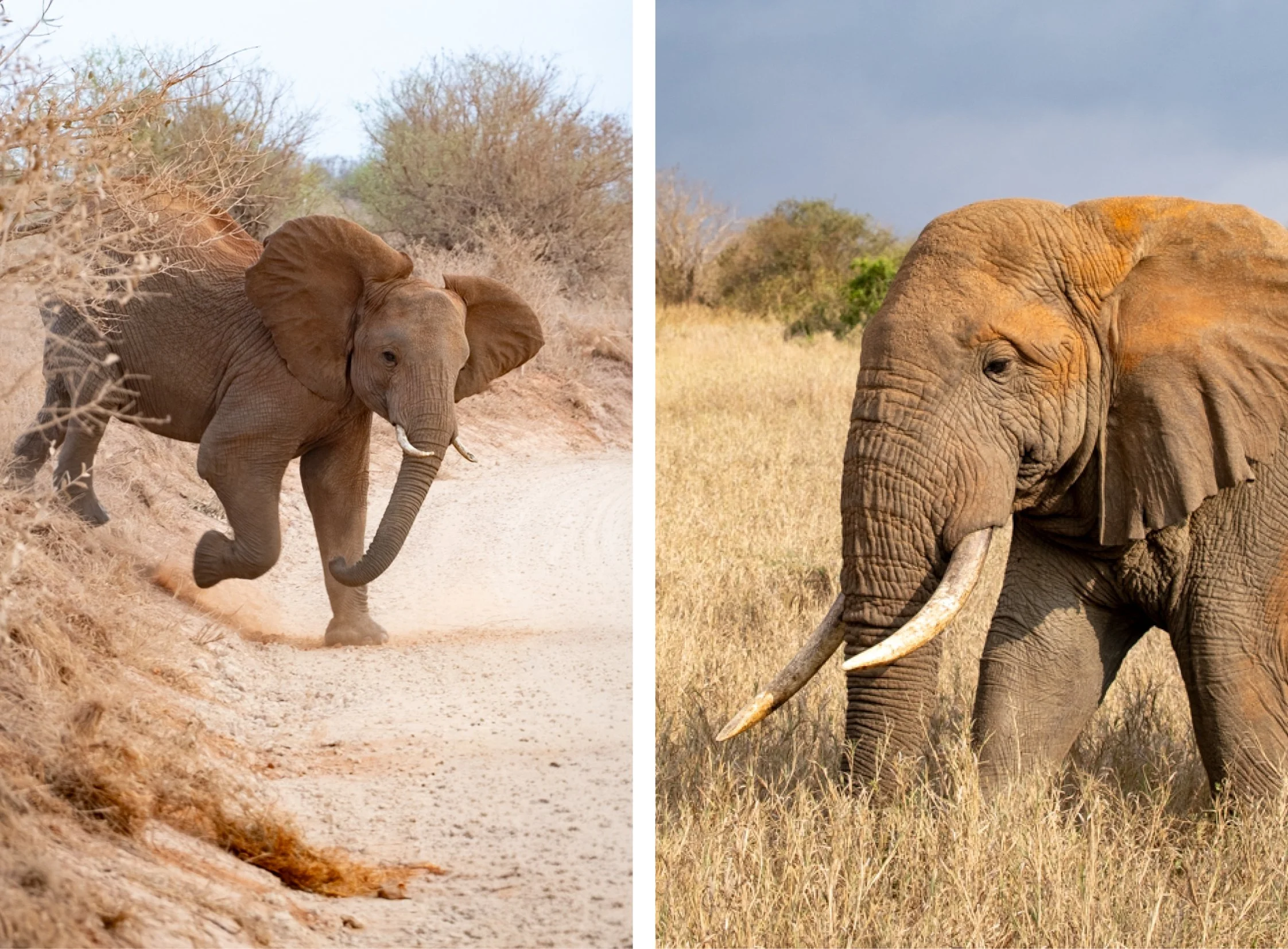
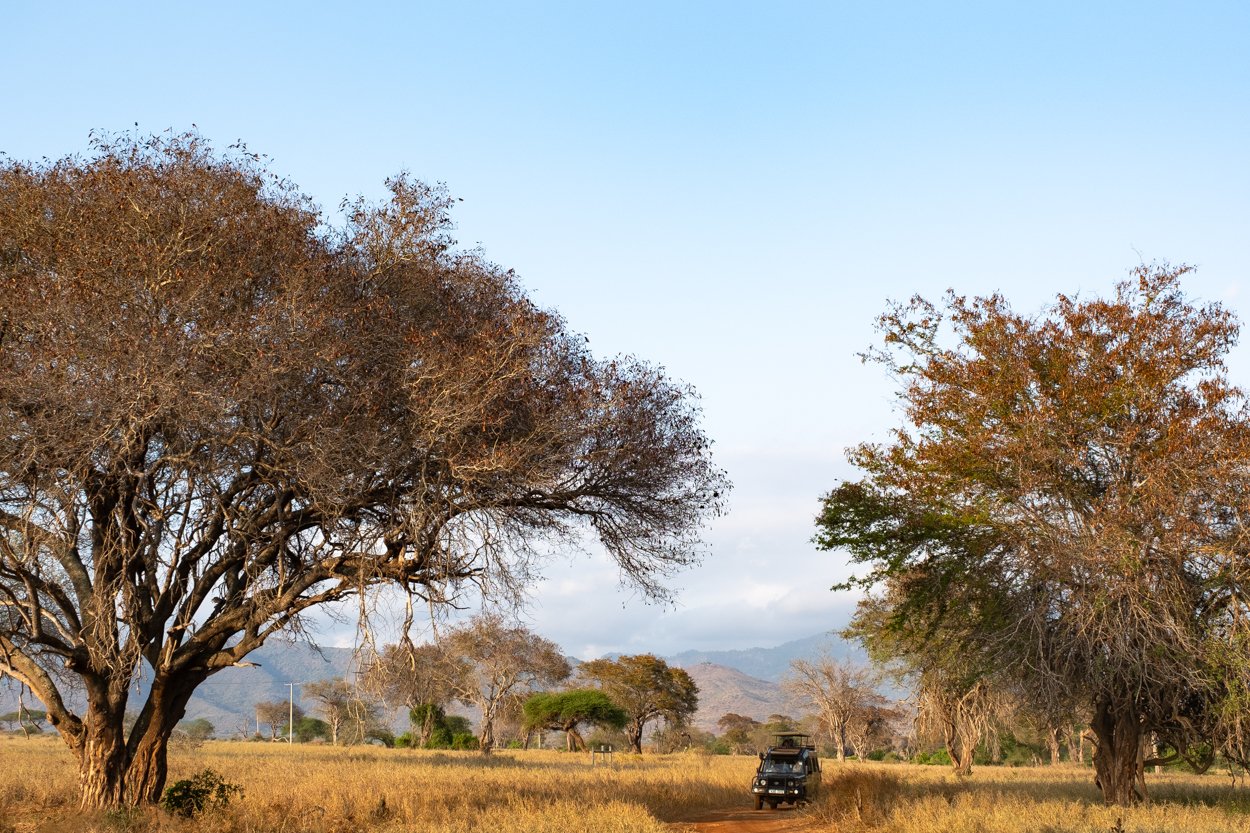
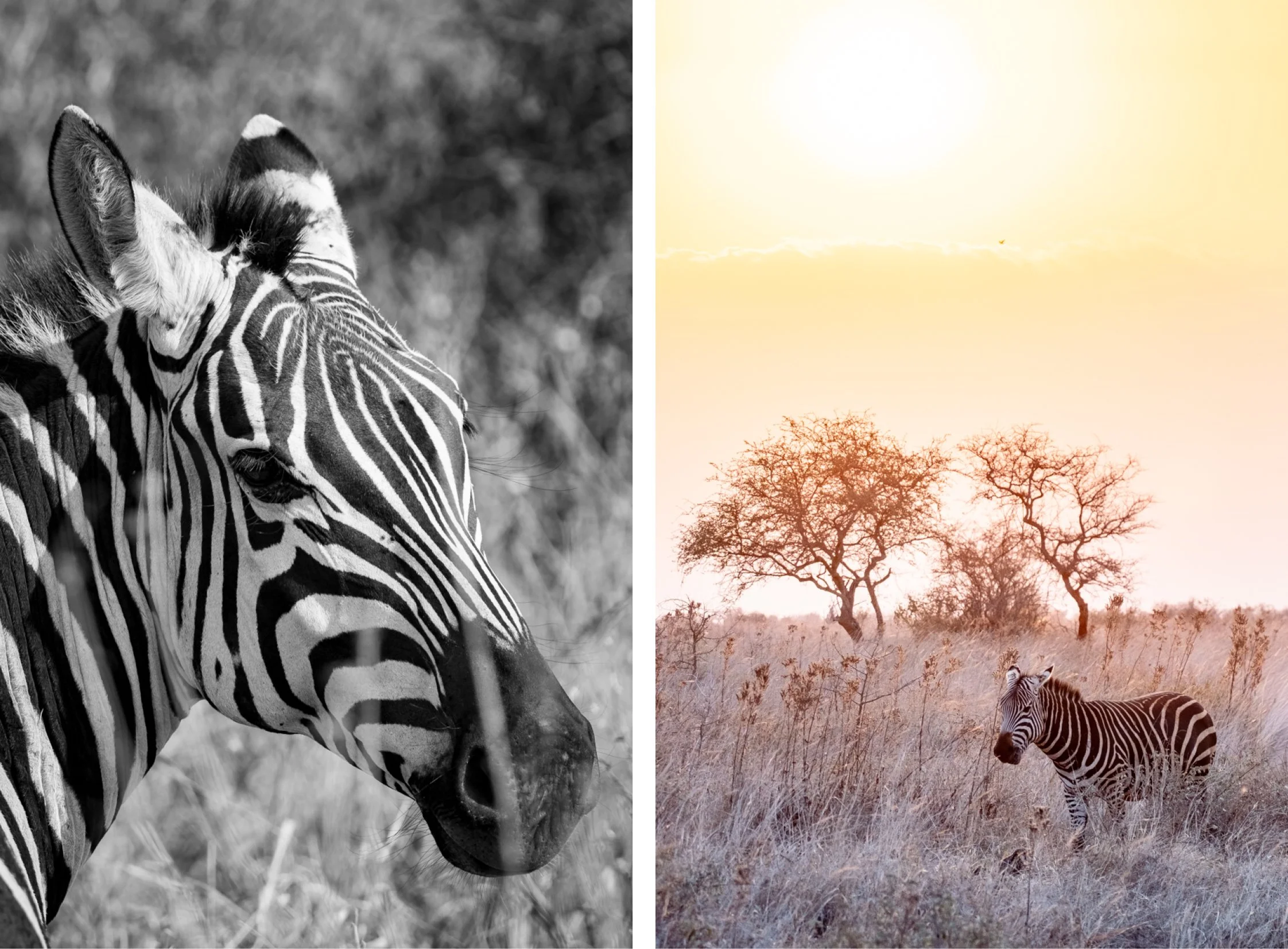
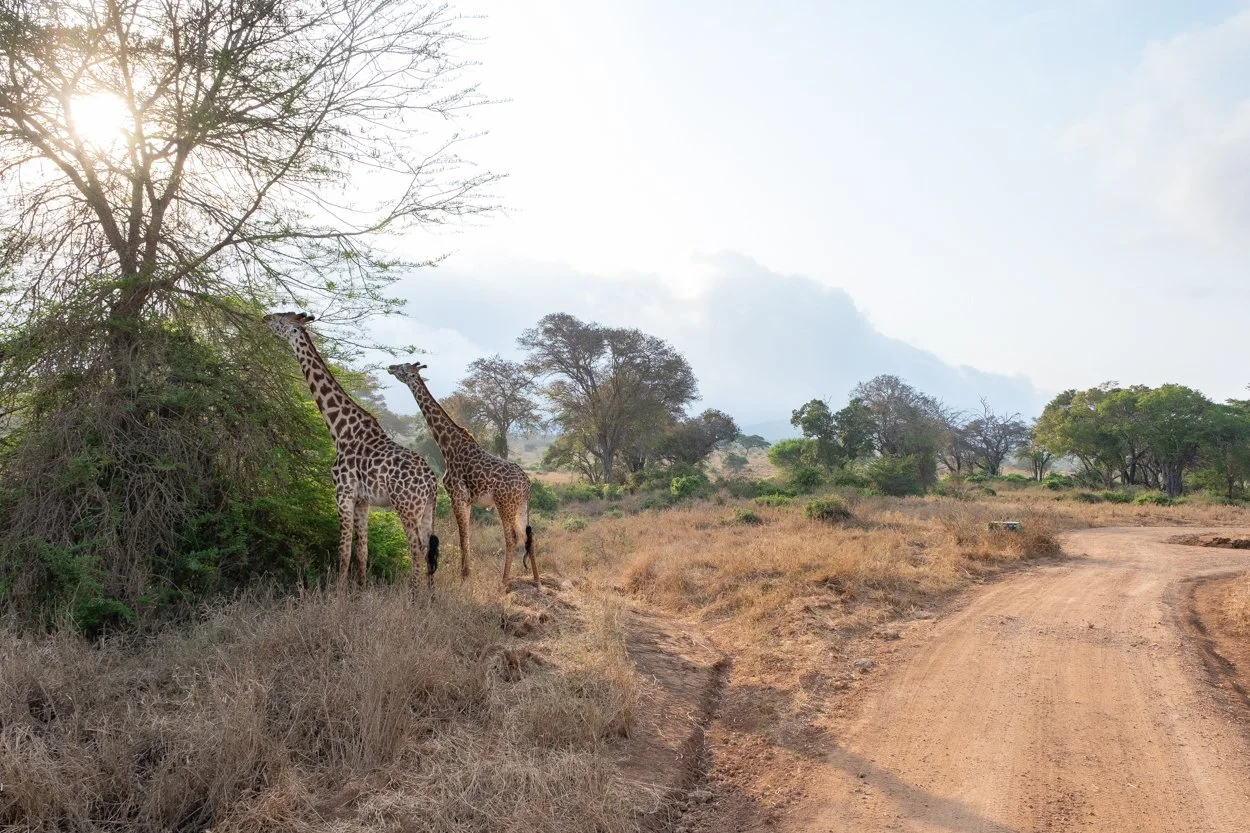
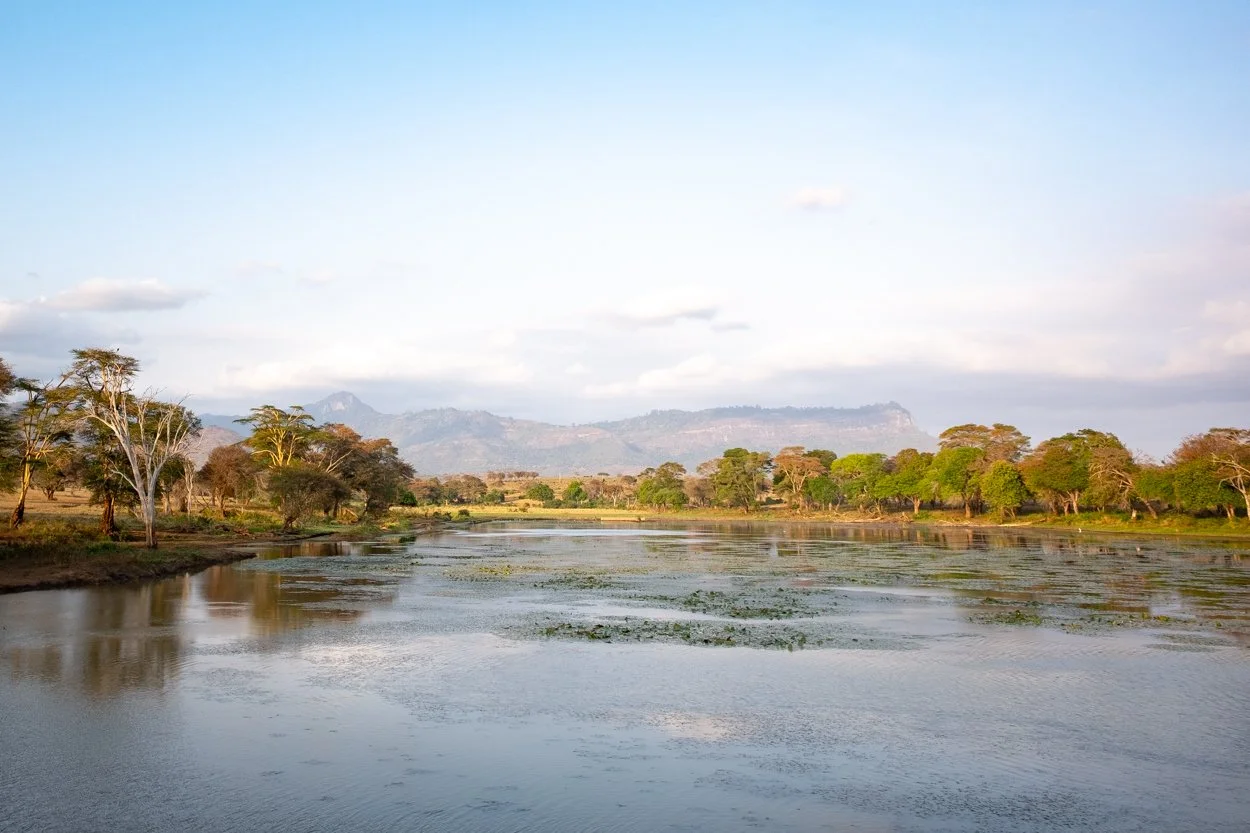
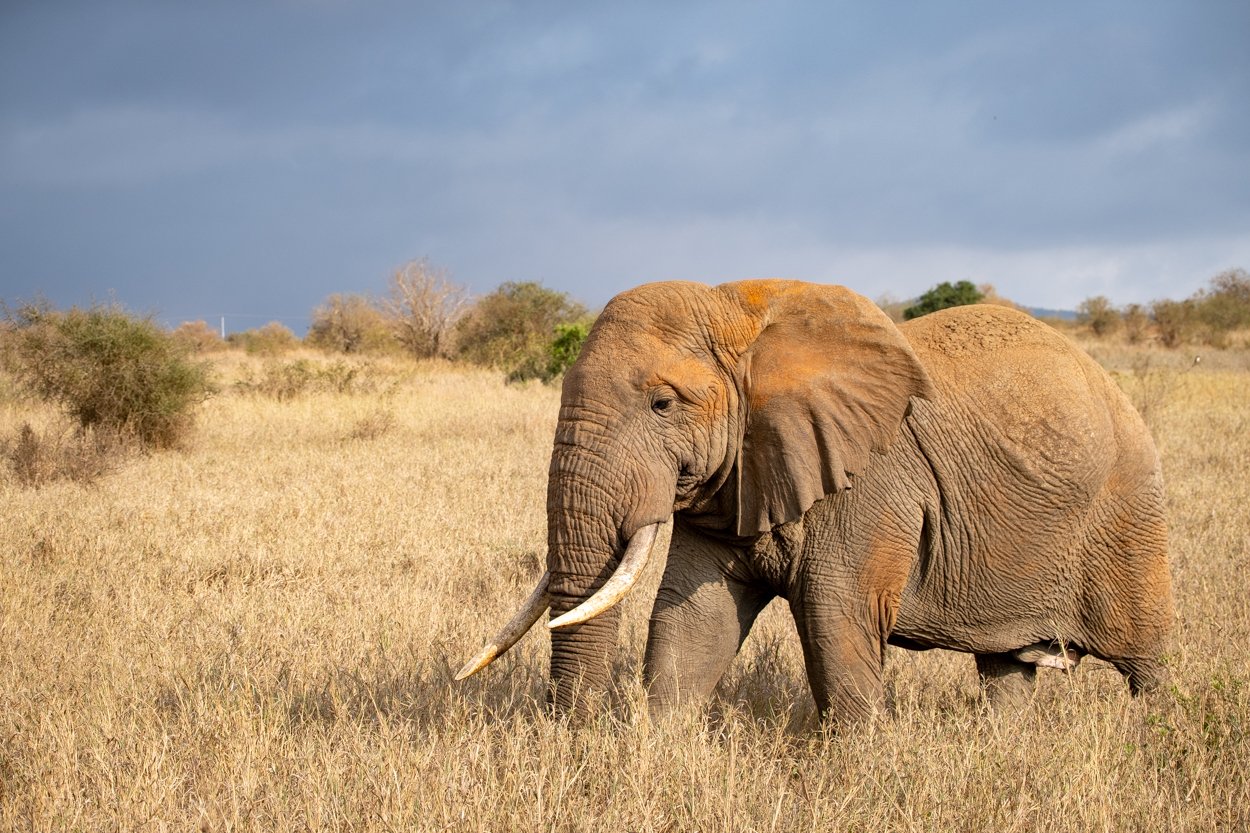
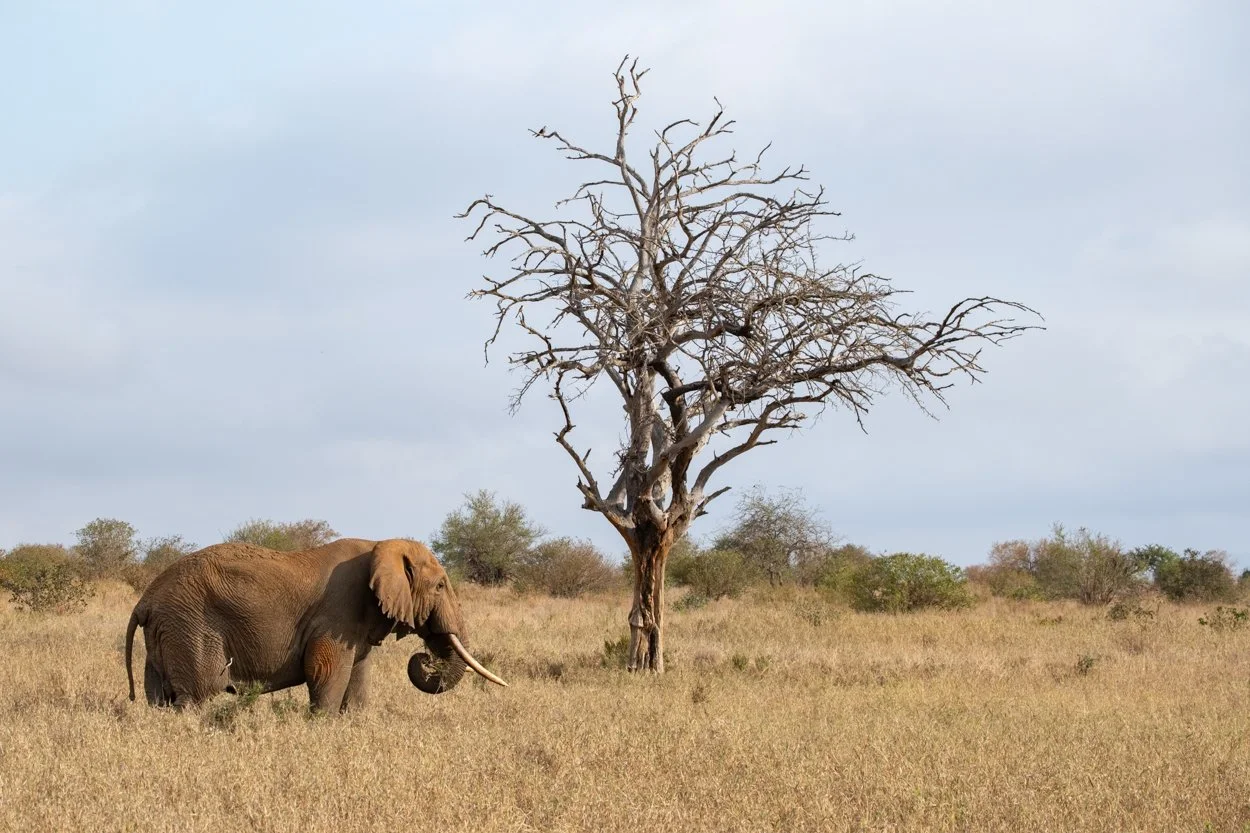
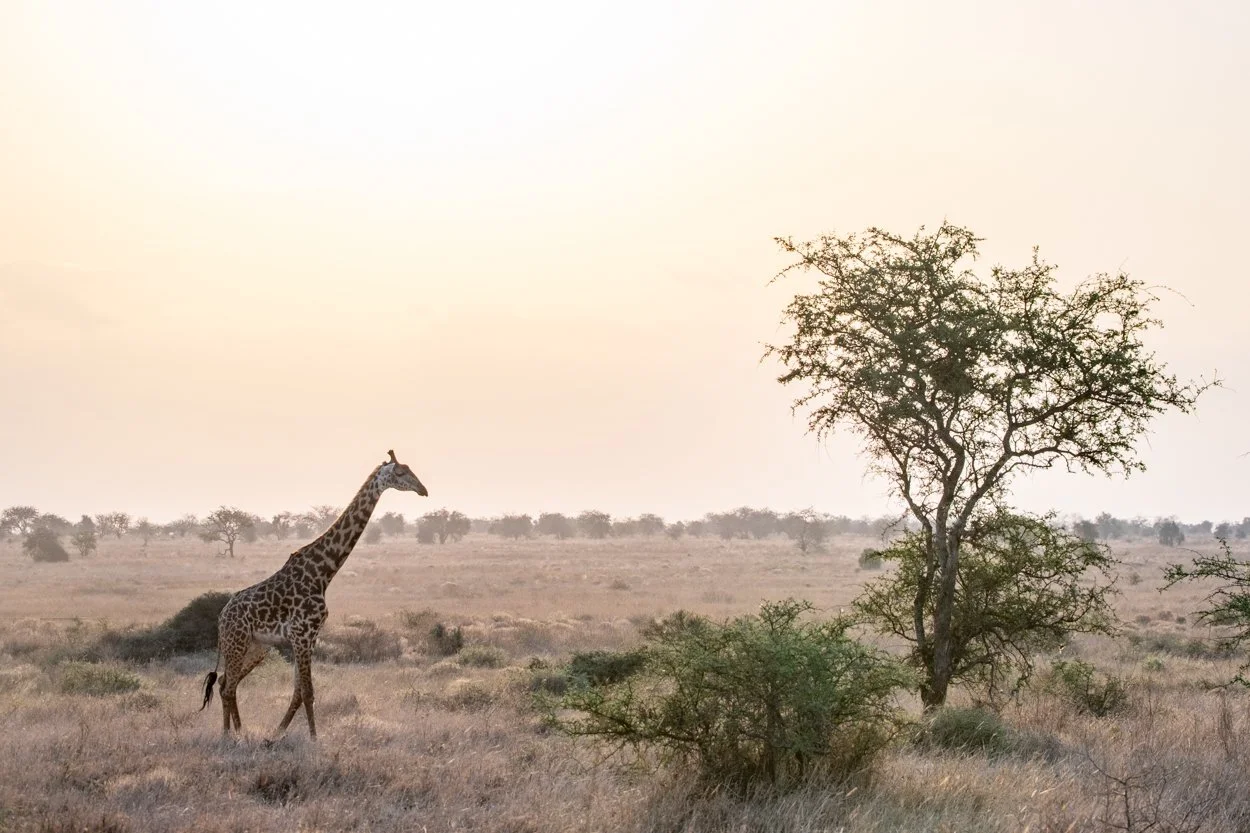
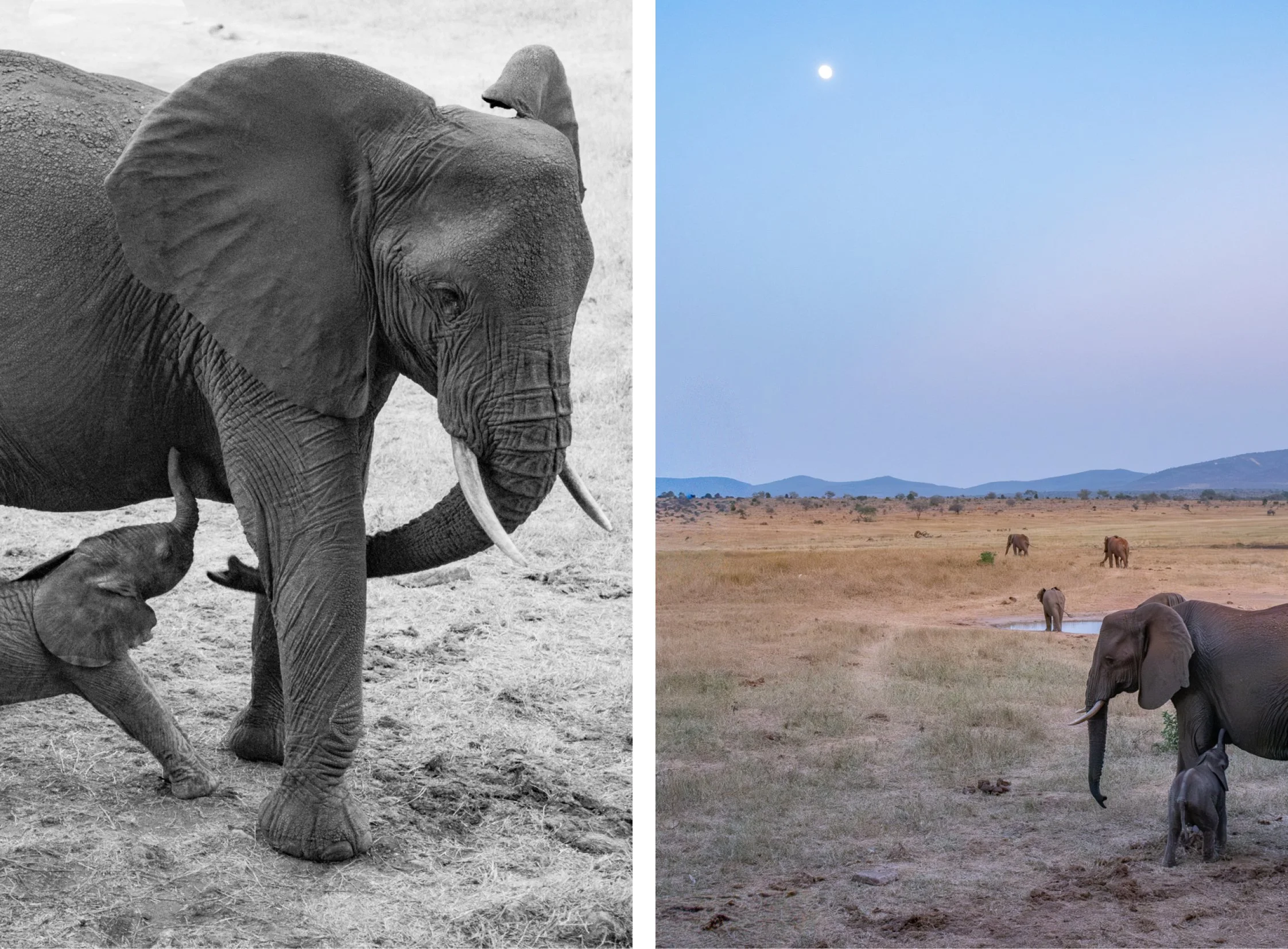
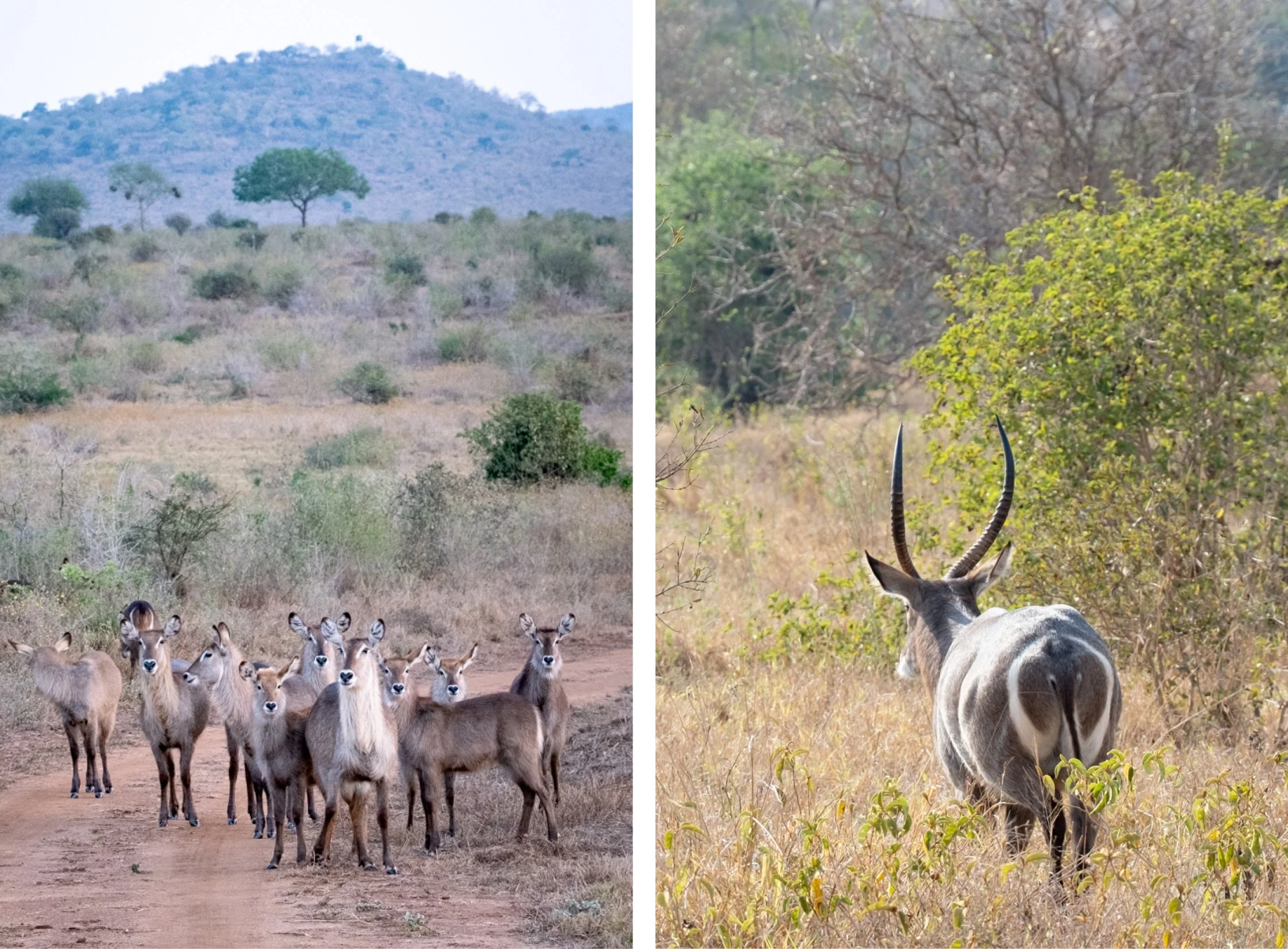
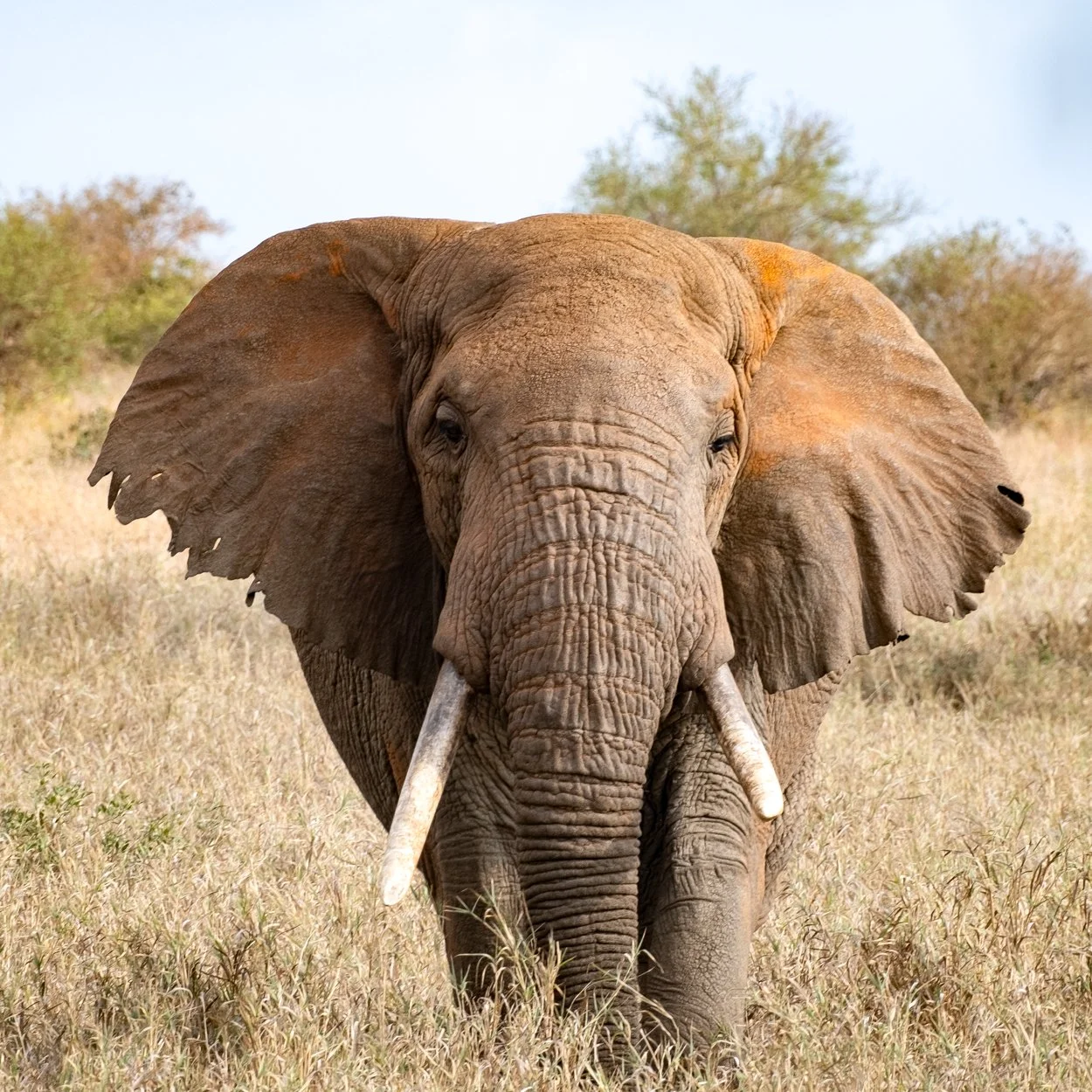
Kenya Wildlife Service does an incredible job of managing 23 National Parks across Kenya, but crucial for supporting migration routes is the tracts of land – wildlife corridors – linking them together. 

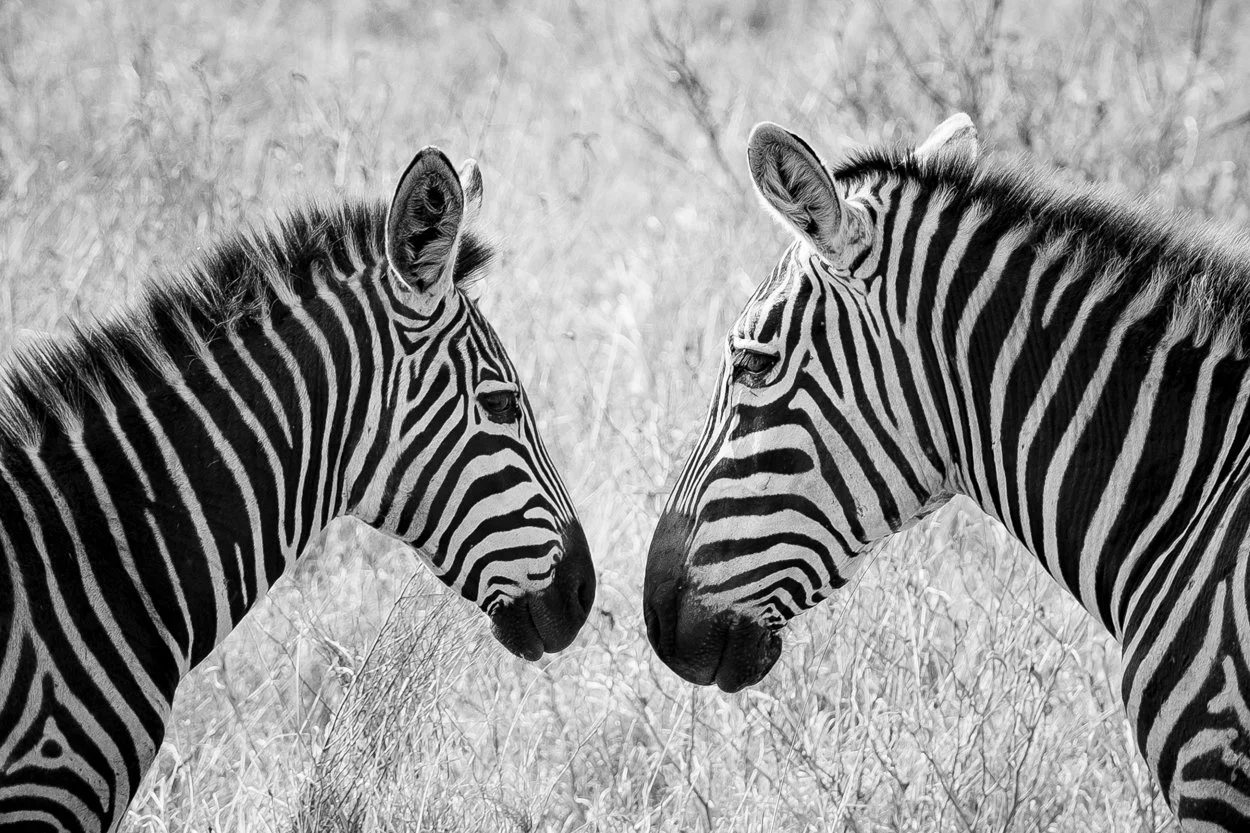
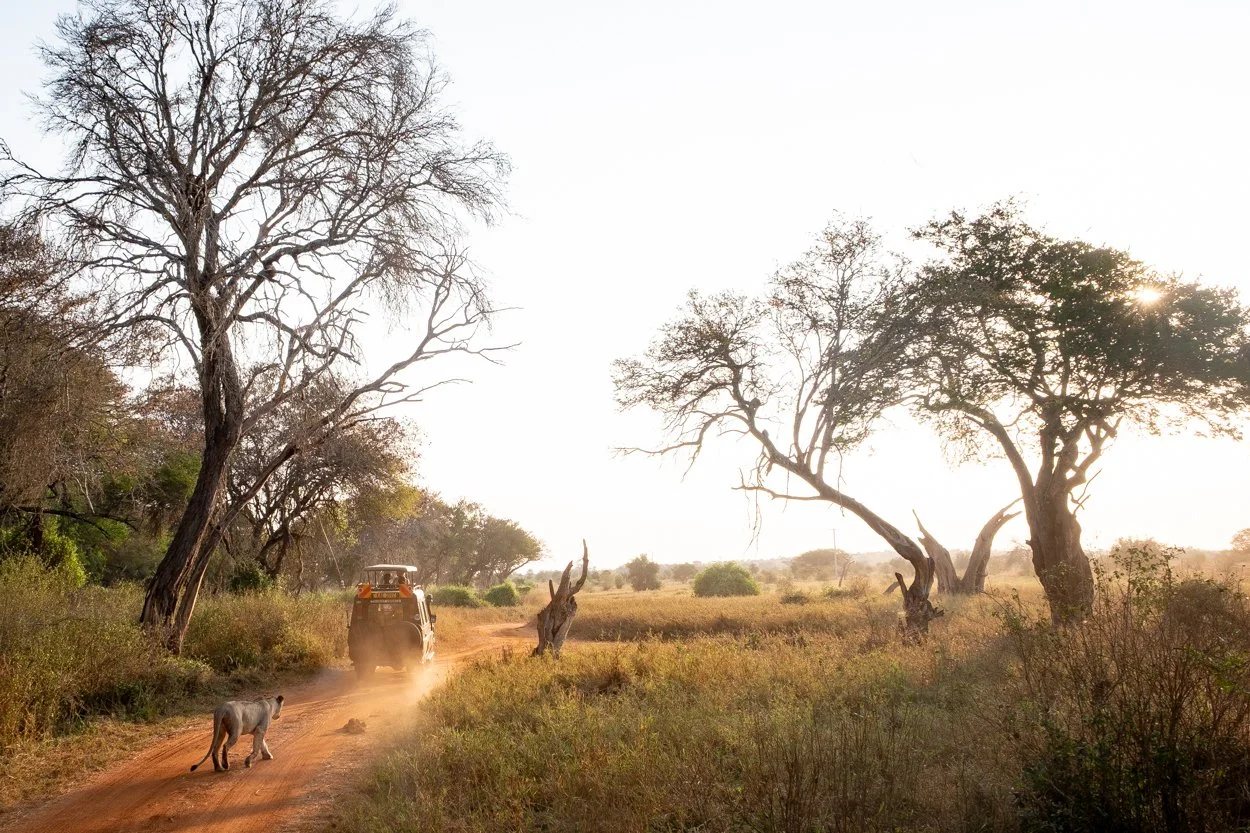
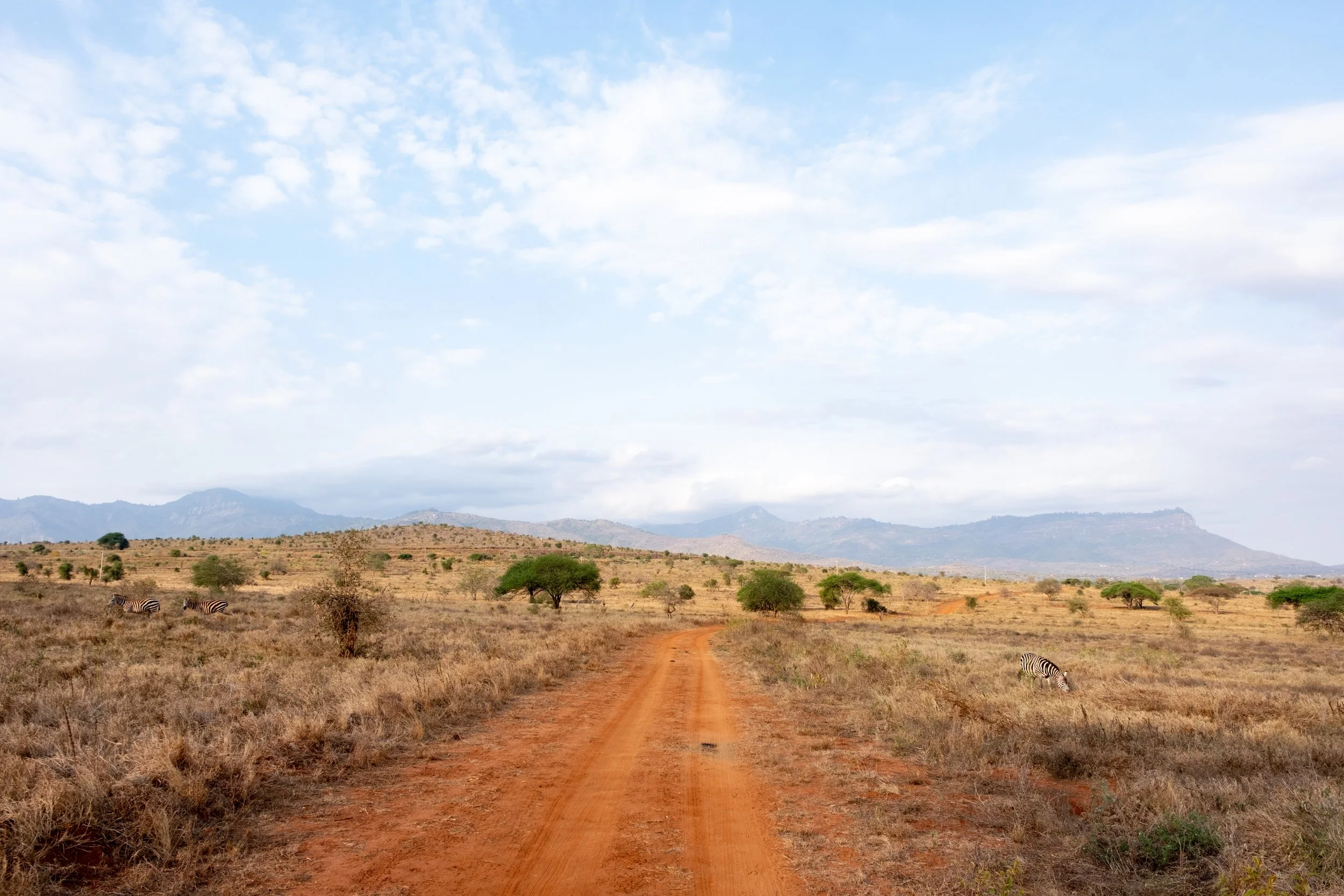
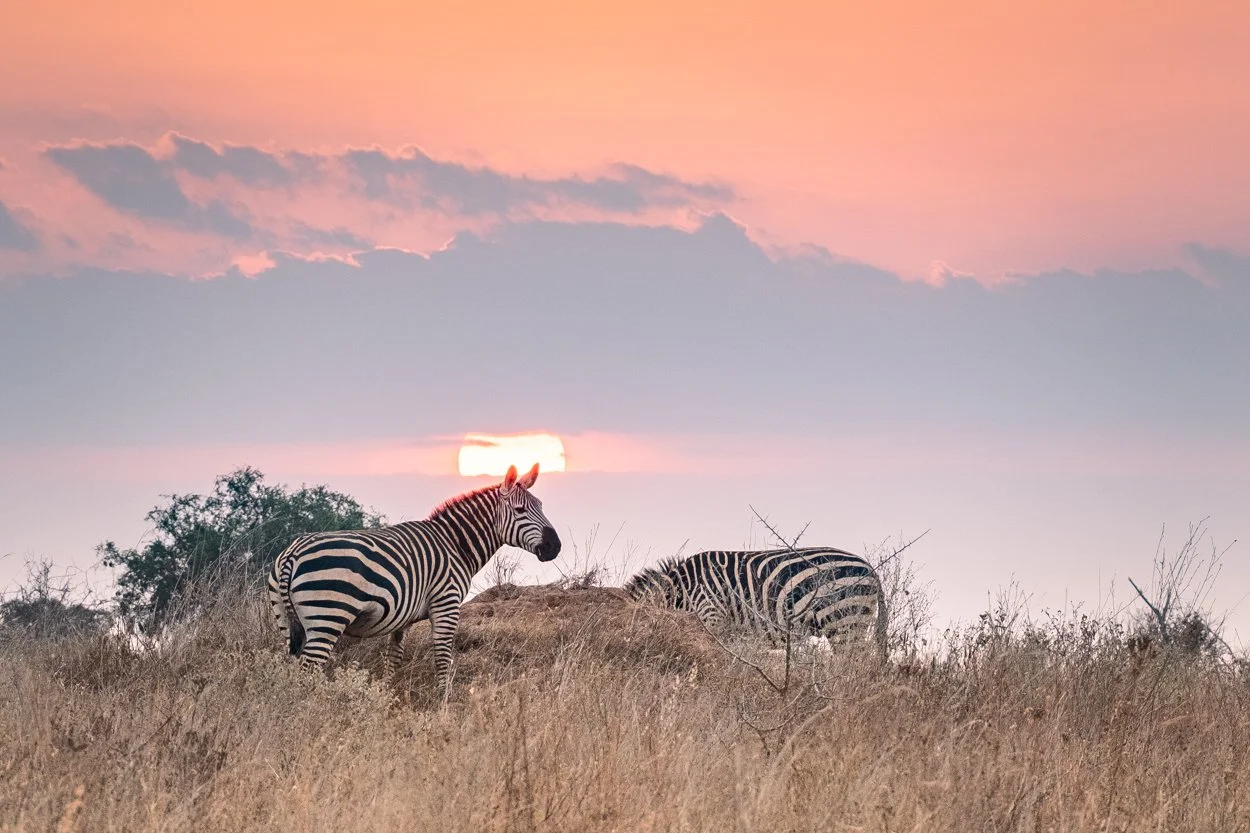
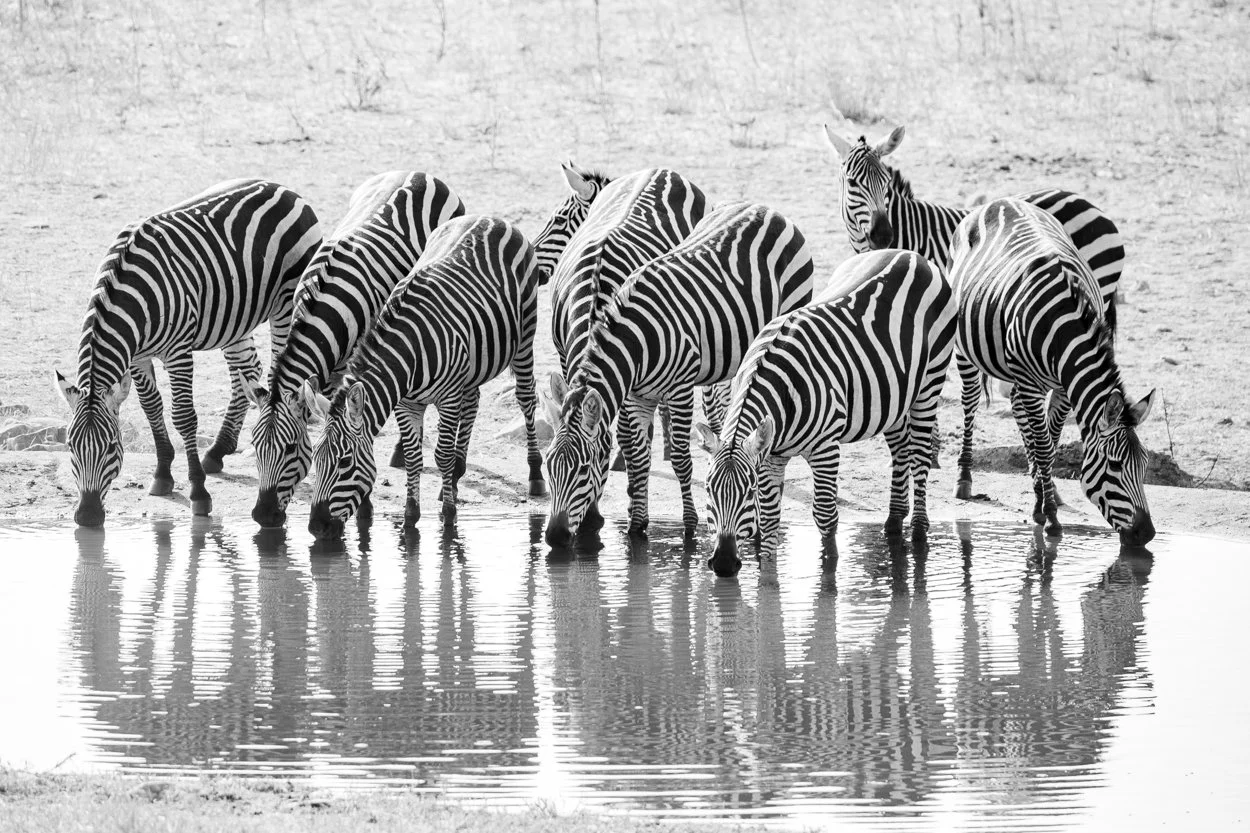
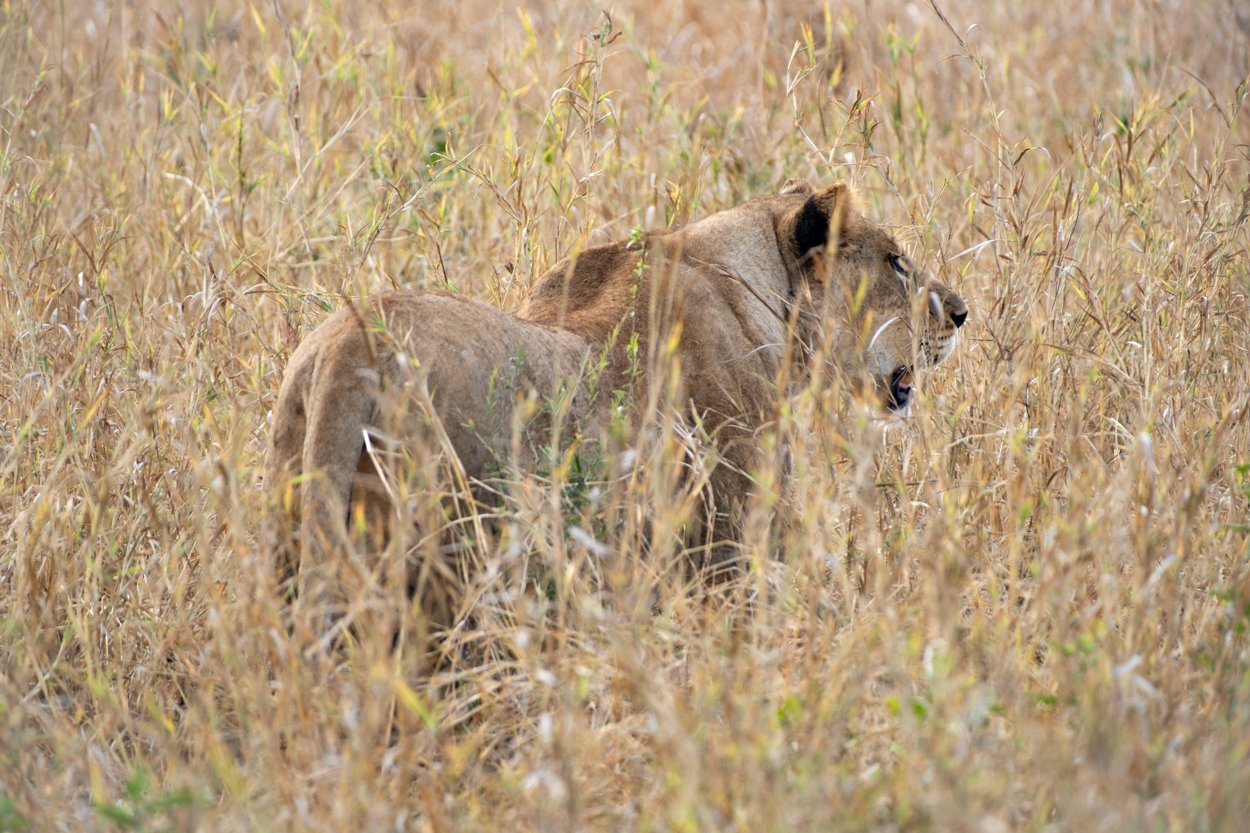
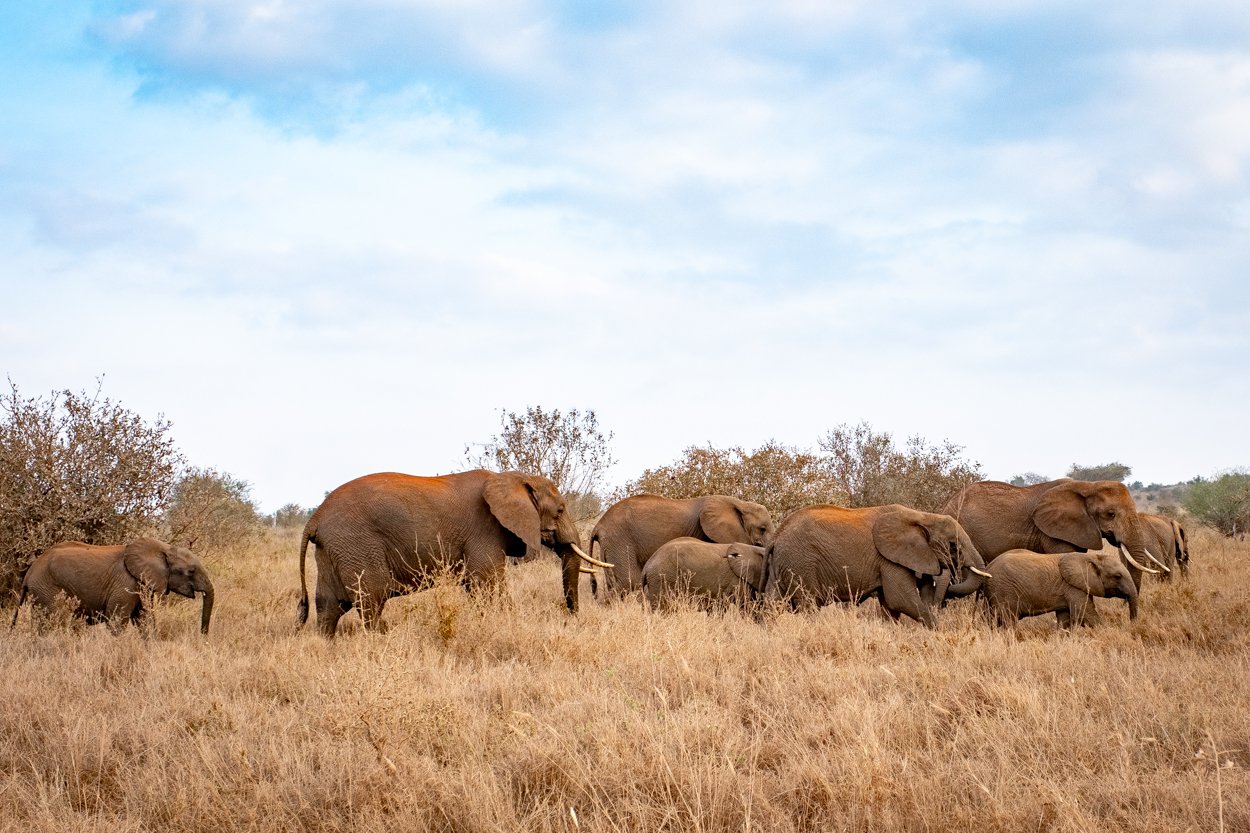
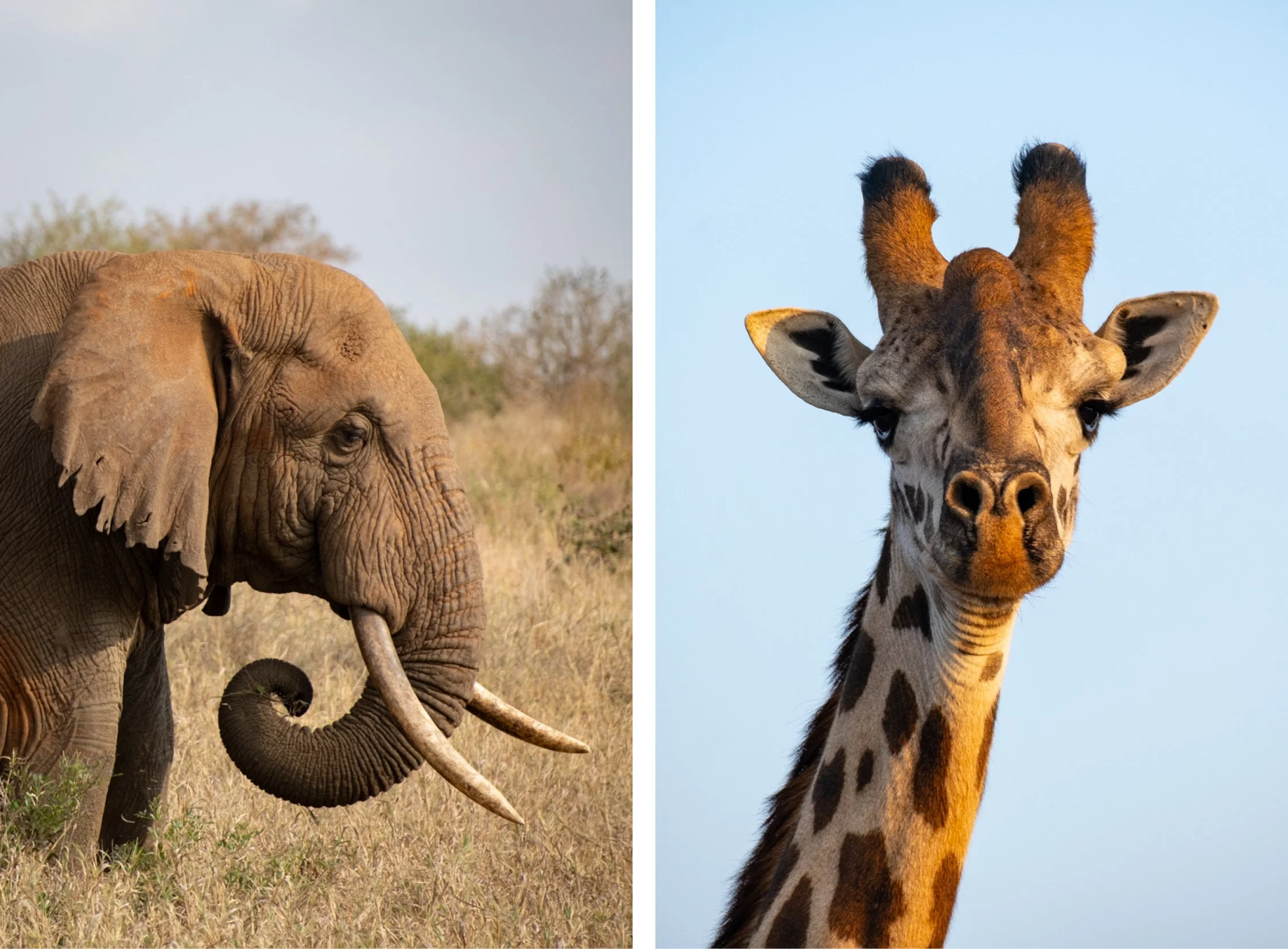
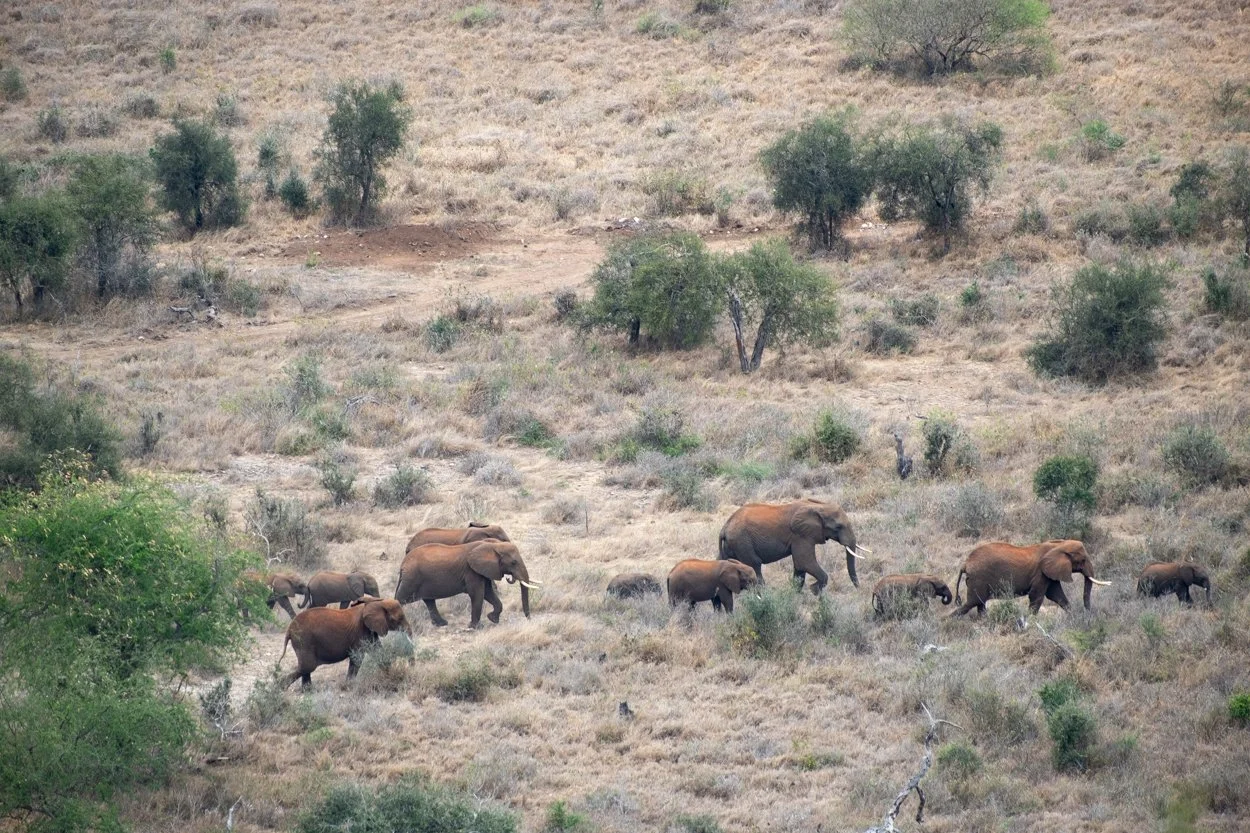
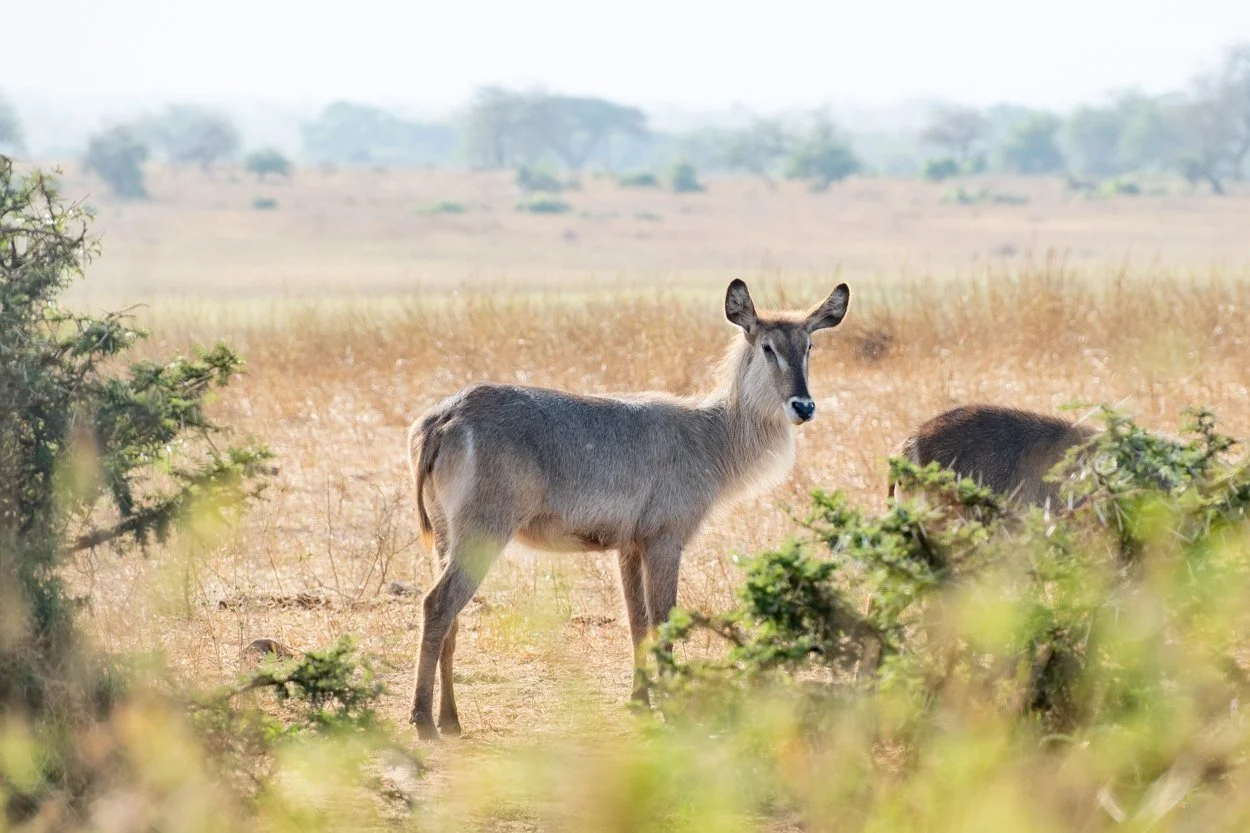
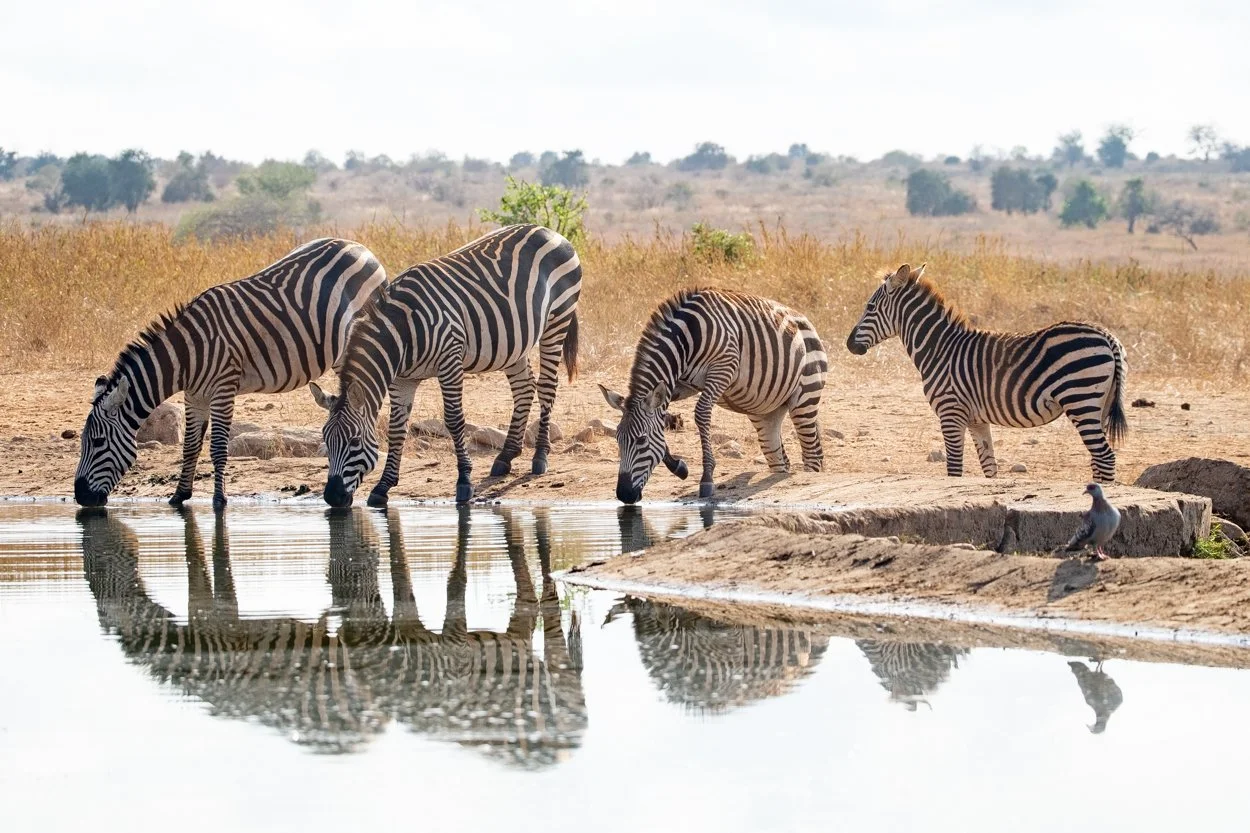
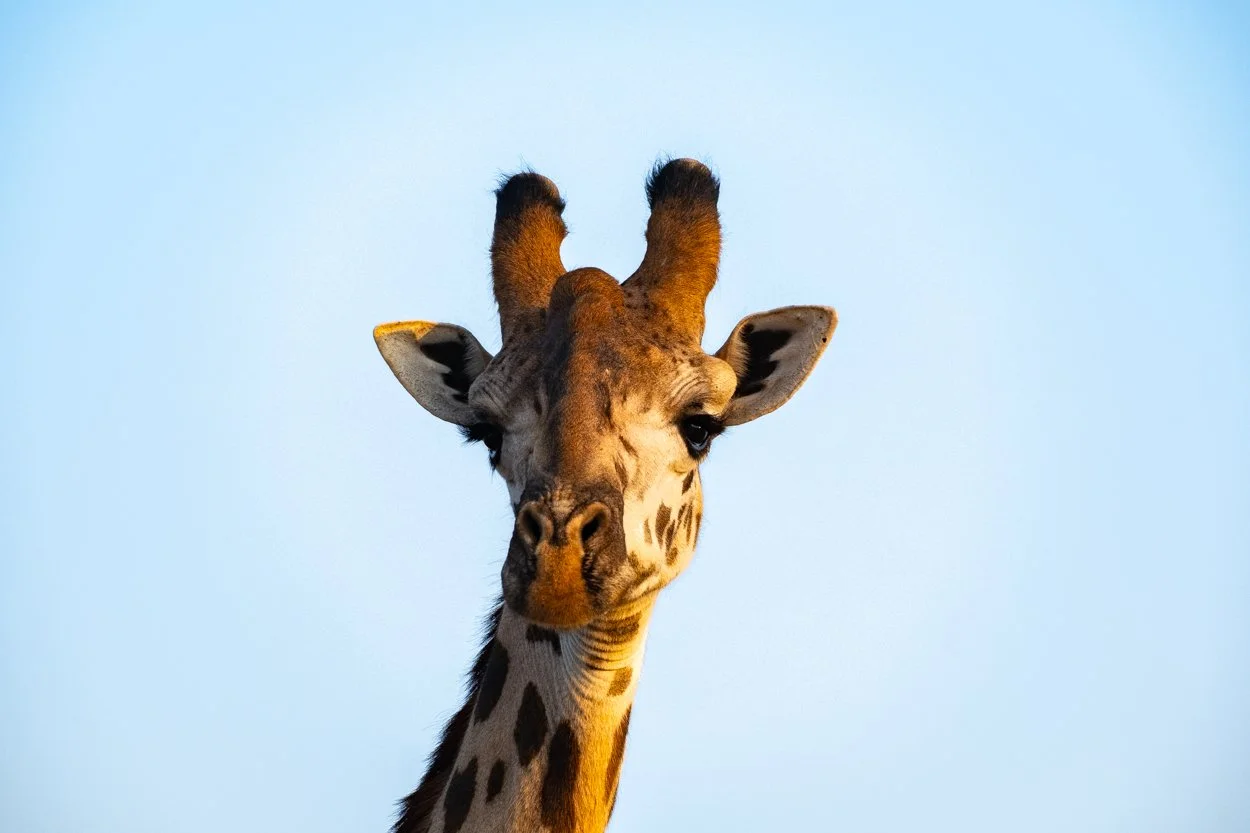
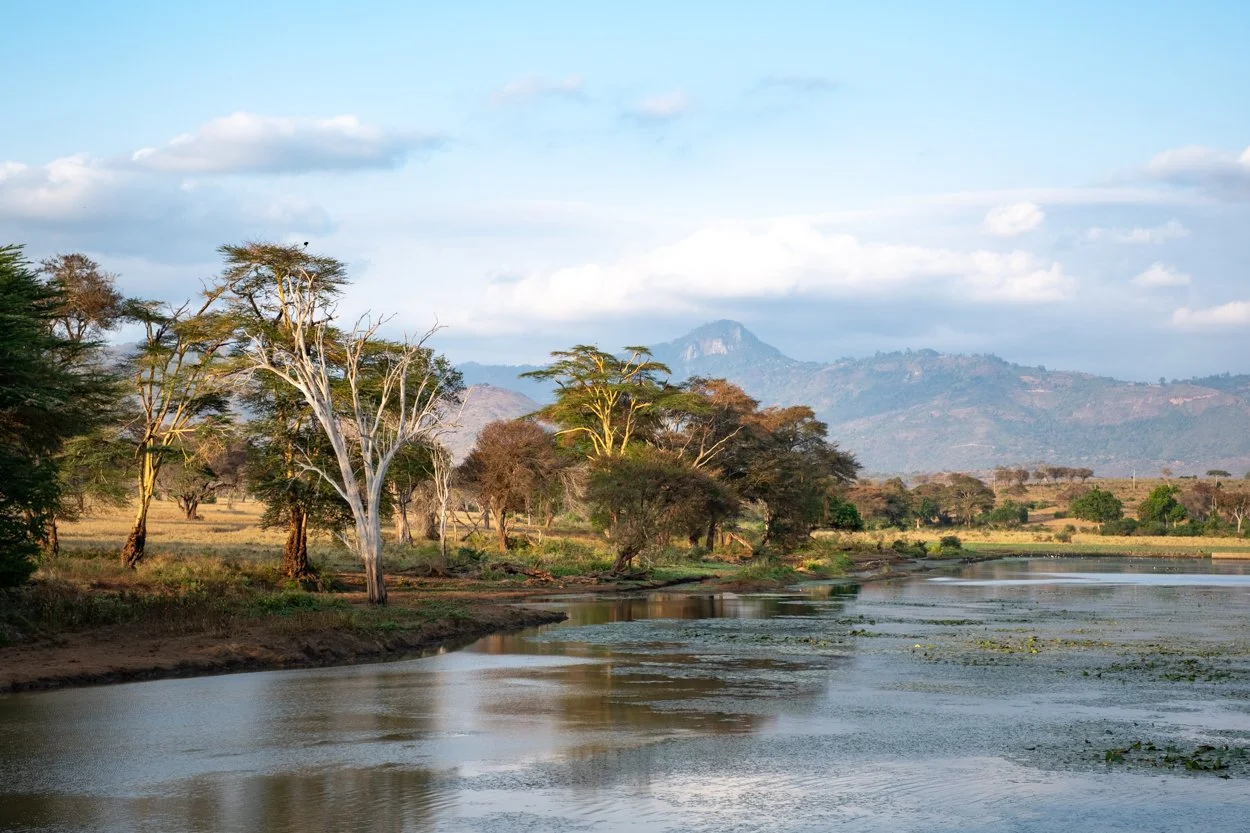
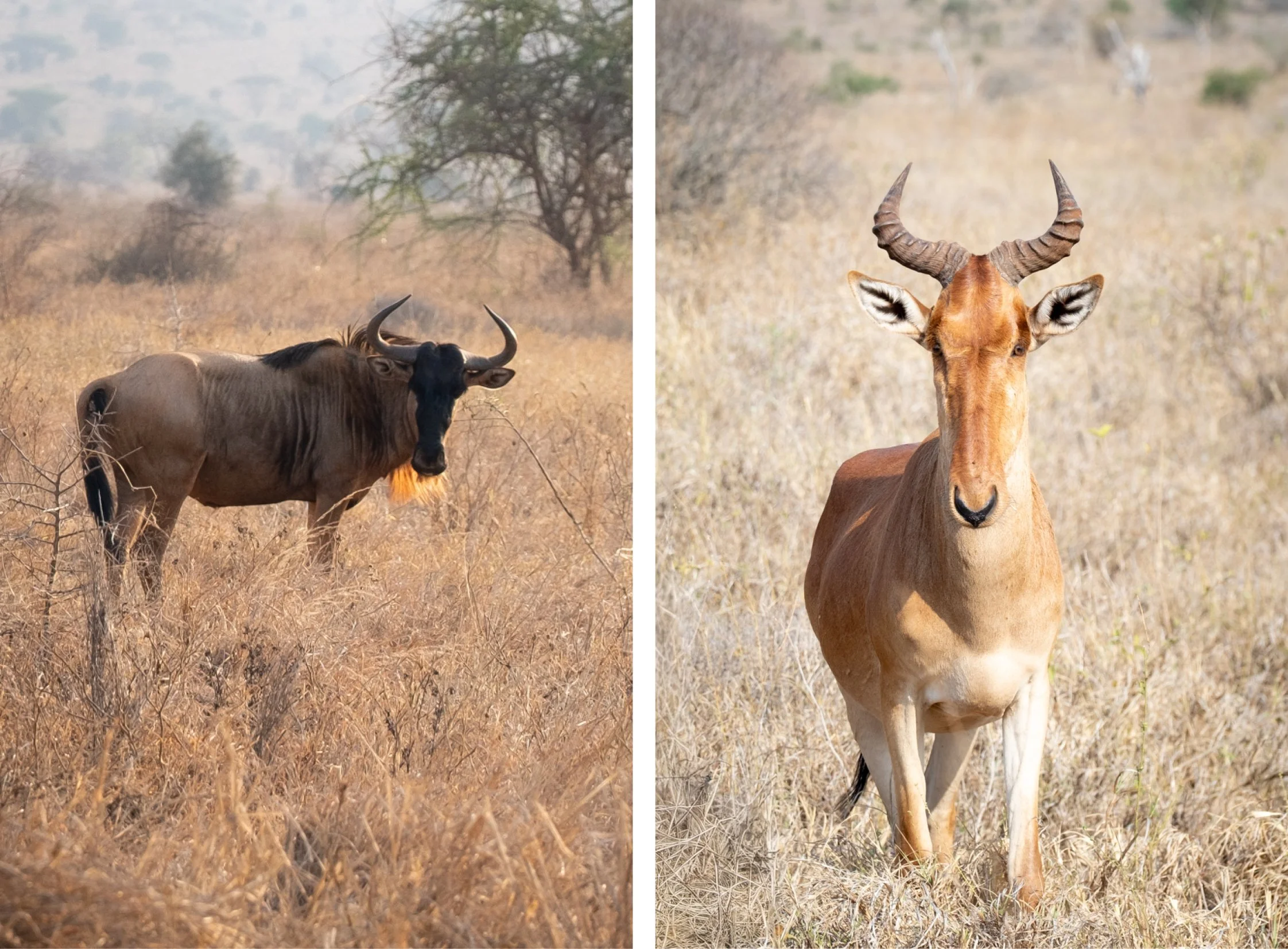
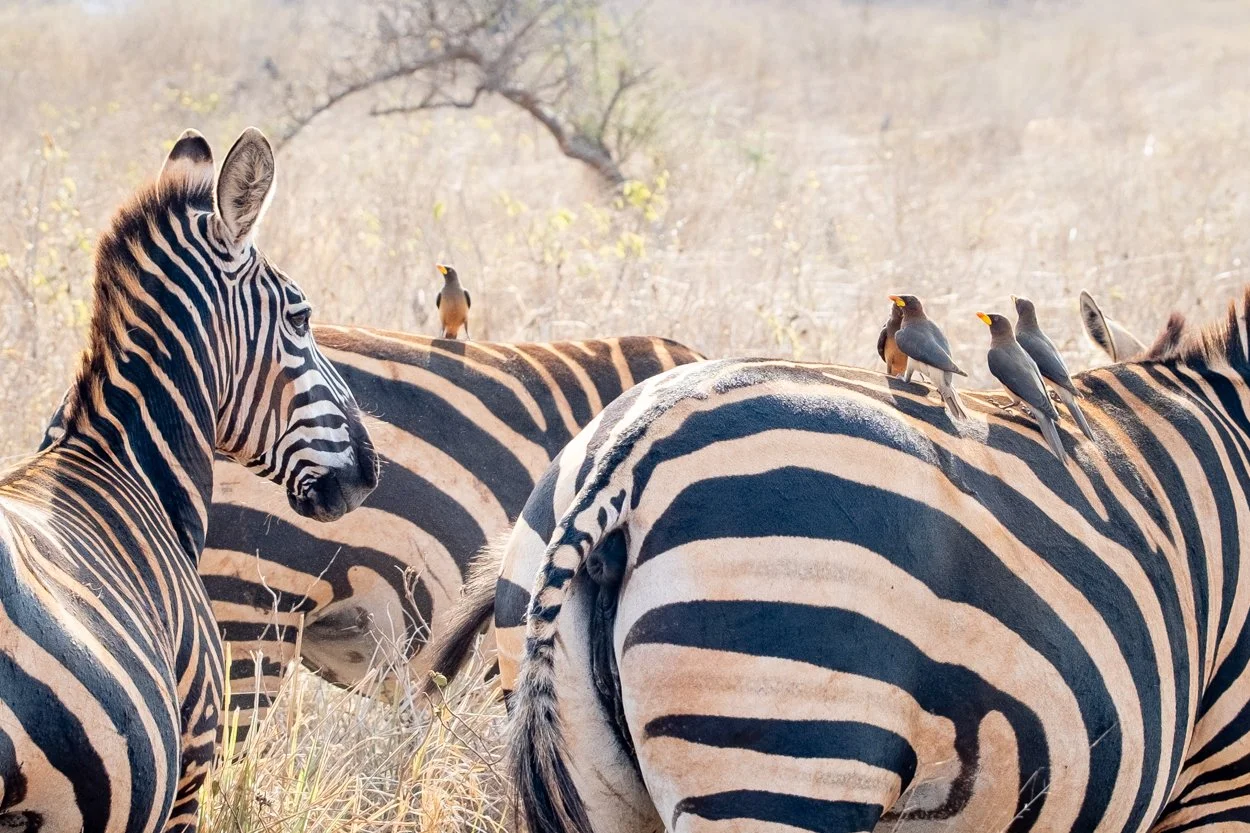
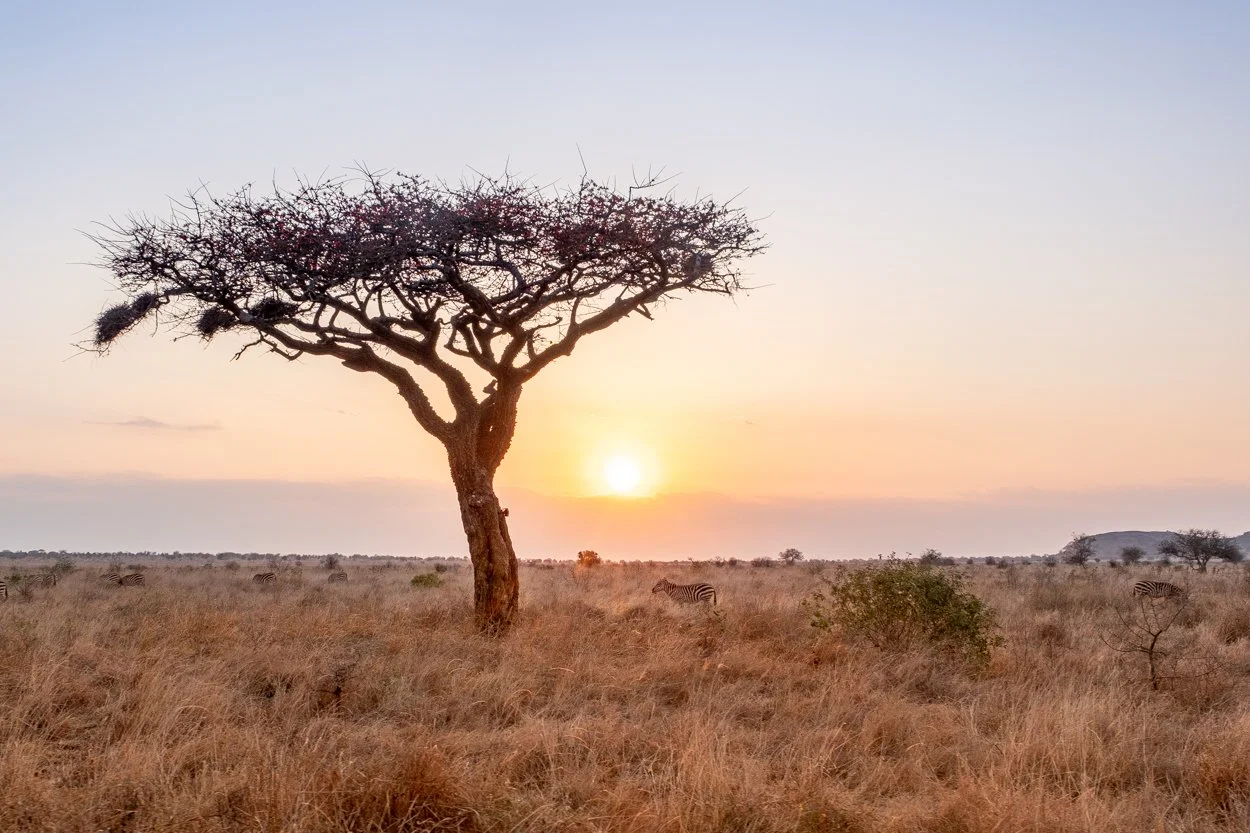
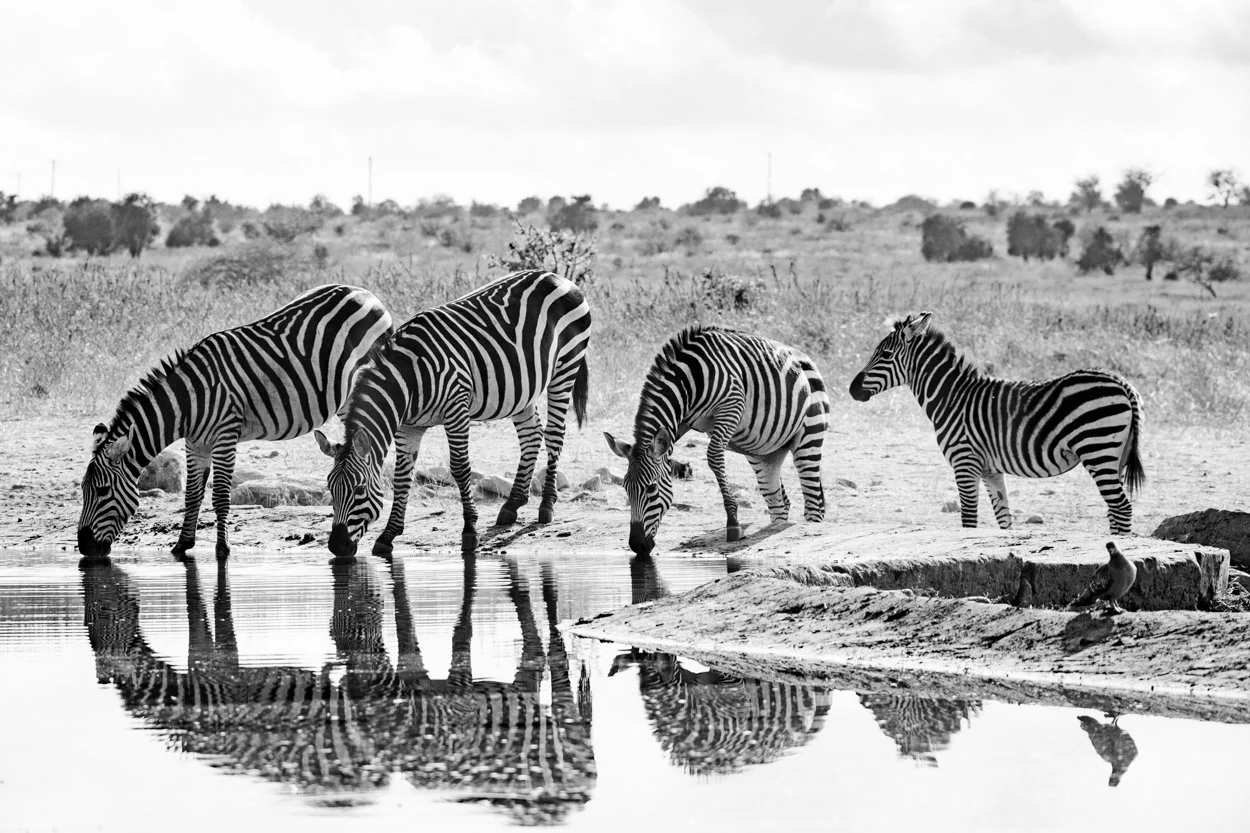
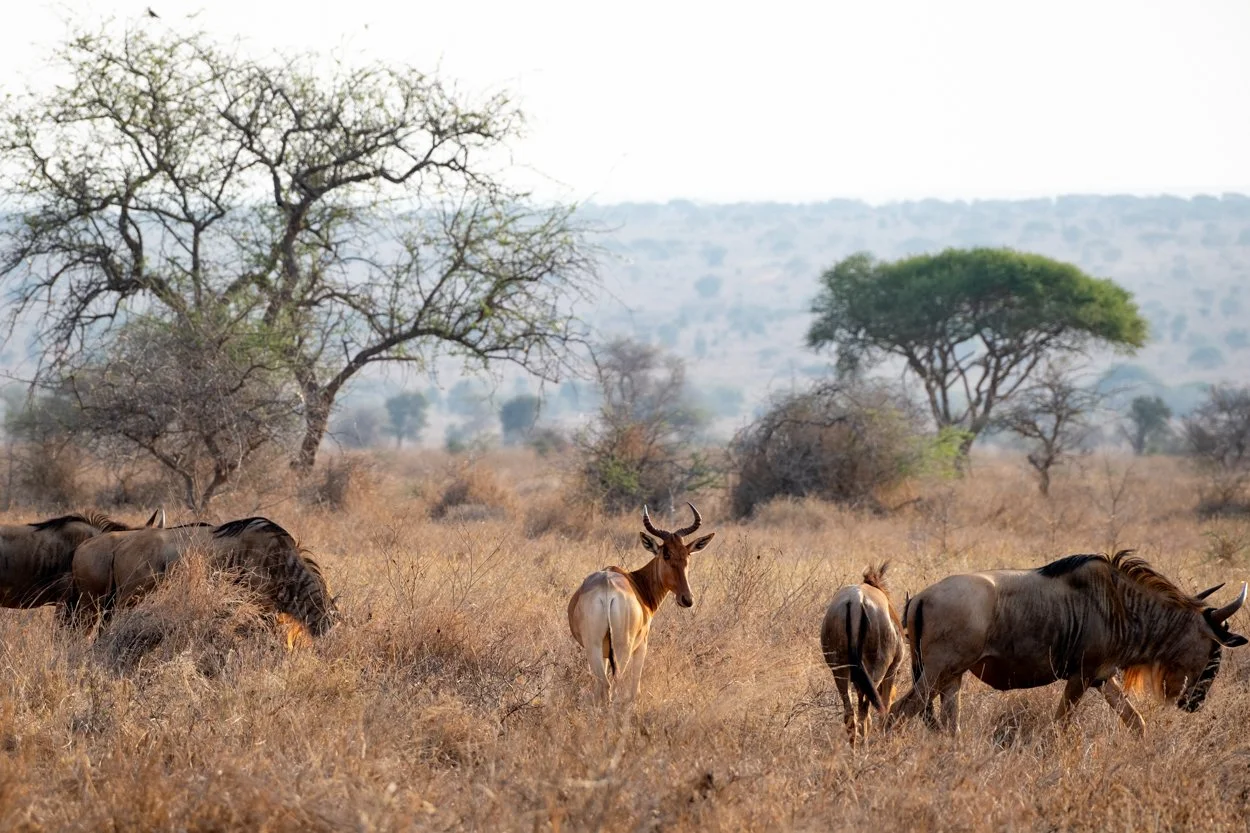
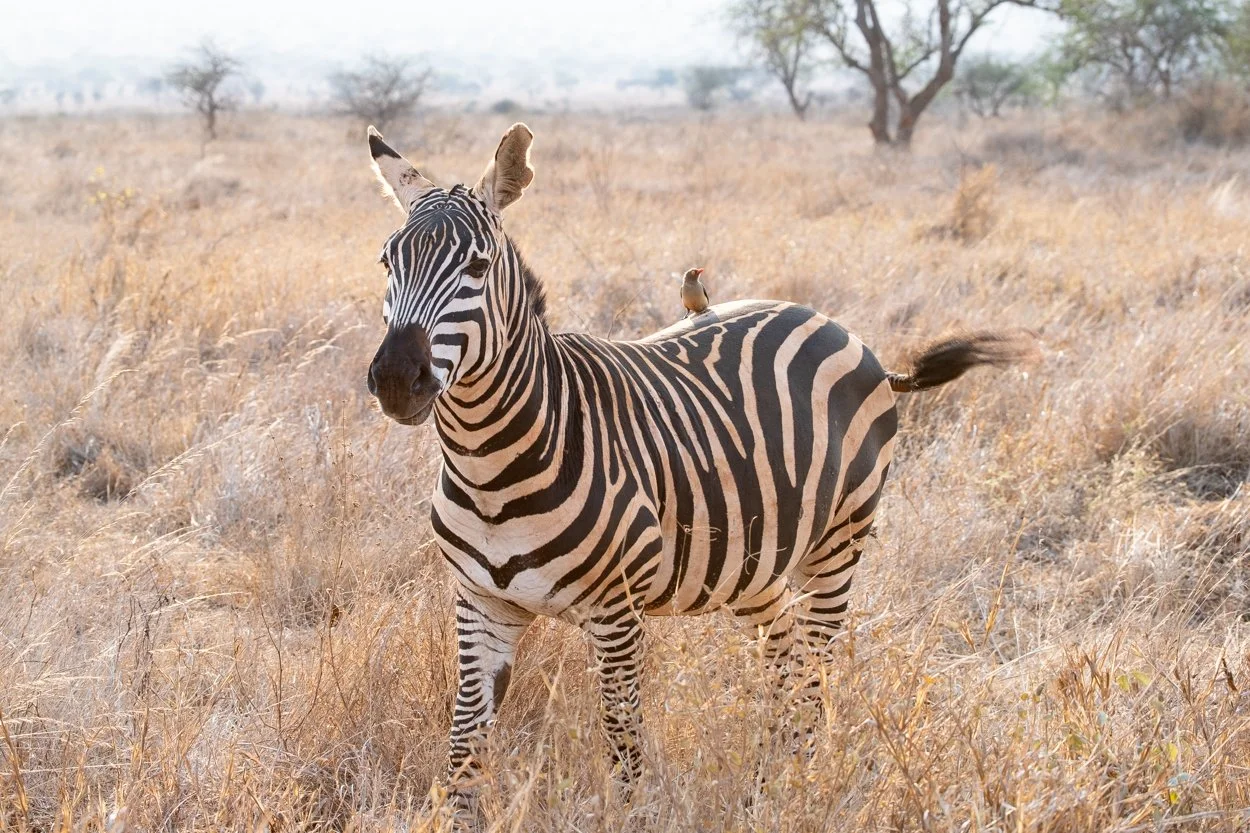
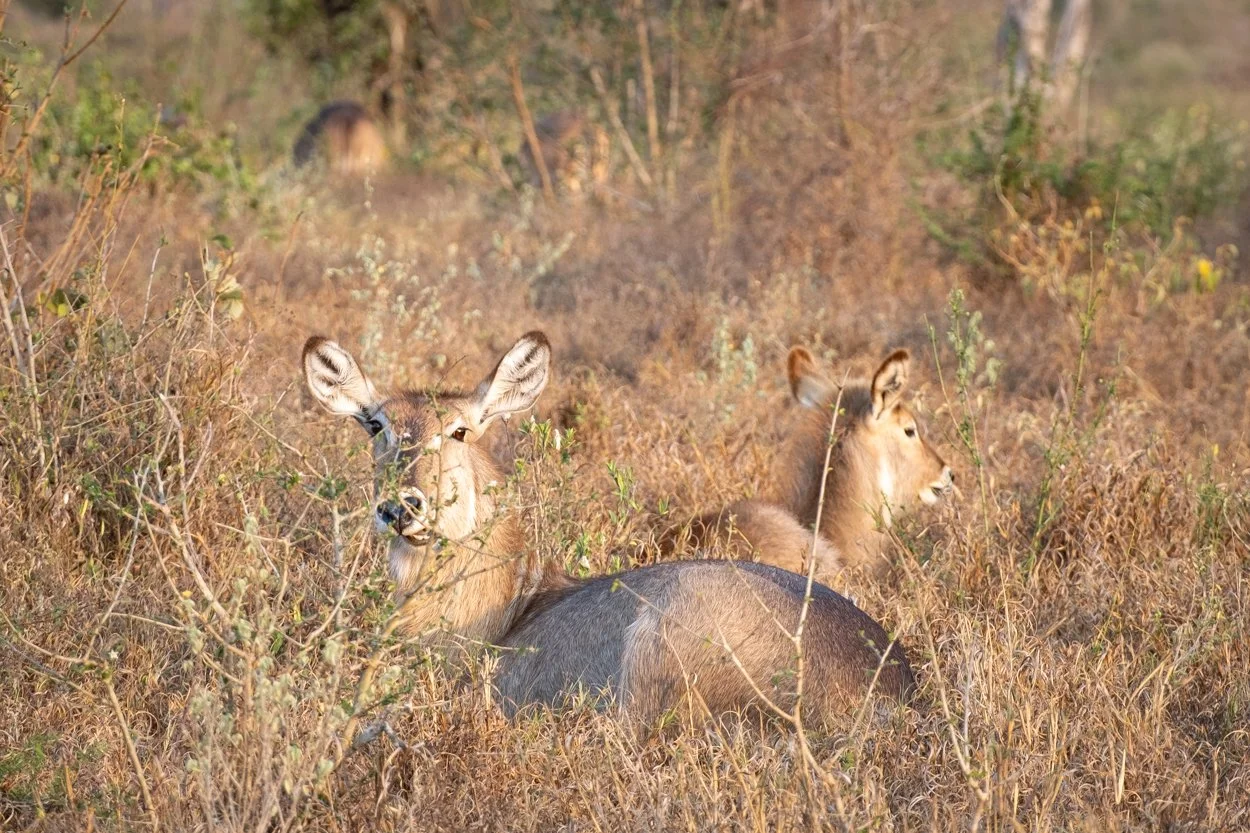
Taita Hills in southern Kenya is a small region between KWS-managed Tsavo East and West National Parks.  It’s an important wildlife corridor for elephants, zebras, giraffes, lions and many other species who don’t see land designations and ownership – only pasture, grassland and places to live out their itinerant lives. 

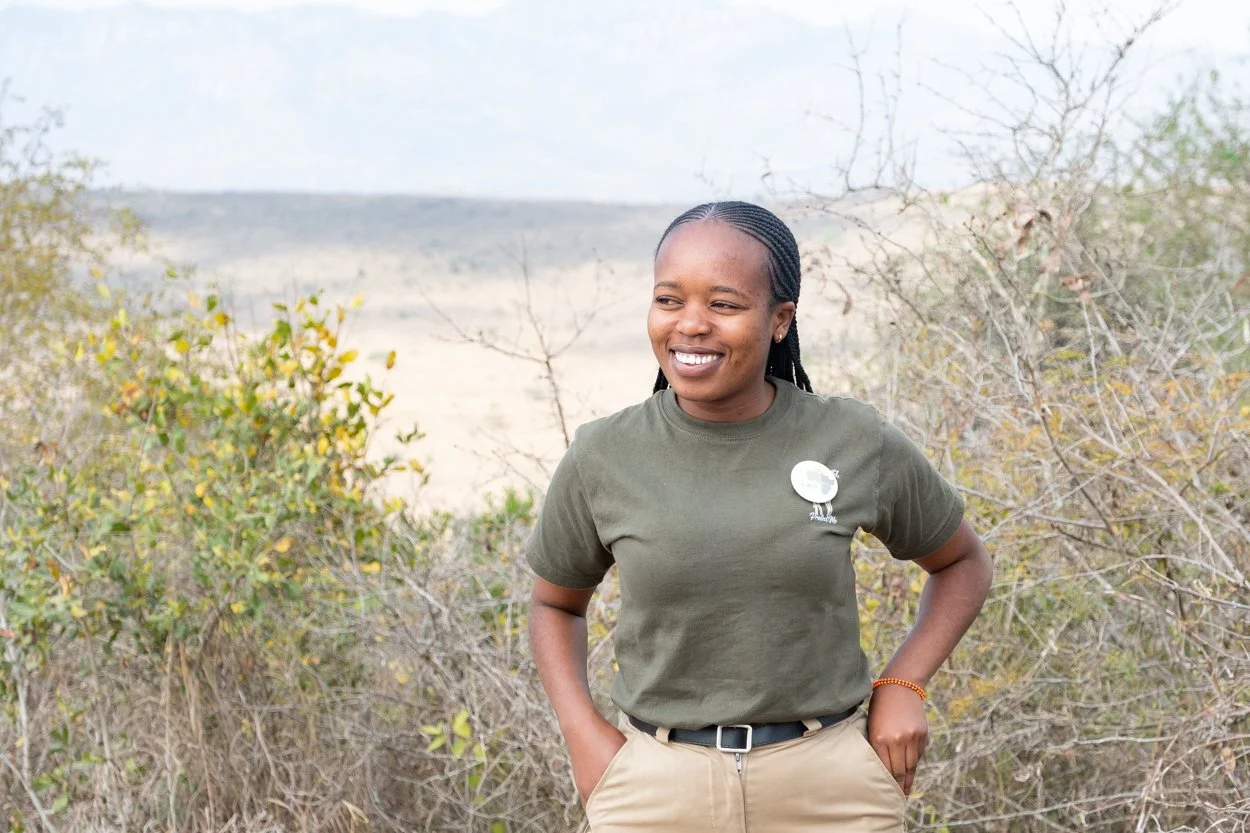
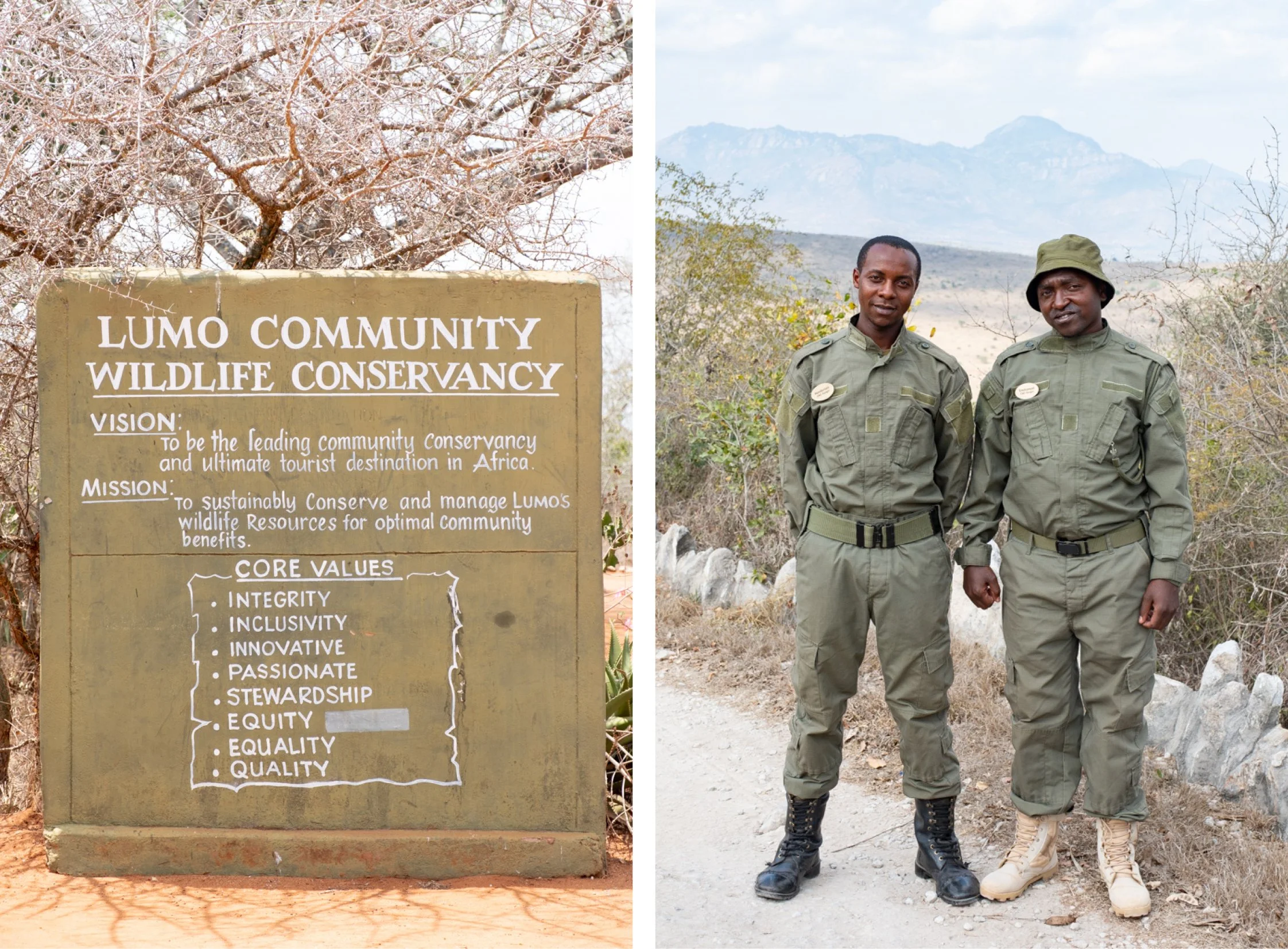
Both Taita Hills and Lumo conservancies are privately run enterprises that rely on tourism income to manage the landscape for the benefit of the wildlife, as well as the people who live in this region. There’s a staggering amount of community outreach projects taking place here, as I found from chatting to Purity Manyatta, the community liaison officer at Lumo Conservancy. 

One of the biggest problems Purity has to deal with is wildlife poaching. While there’s no industrial-scale poaching for ivory or horns here, there are still people who can make more money out of a dead giraffe – $1000 for 400kg – than they can through gainful employment in agriculture or the service industry. 

KENYA-Taita-Hills-safari--2.jpg
KENYA-Taita-Hills-safari-6542-2.jpg
KENYA-Taita-Hills-safari-2952-2.jpg
KENYA-Taita-Hills-safari-2918.jpg
KENYA-Taita-Hills.jpg
KENYA-Taita-Hills-safari-3127.jpg
KENYA-Taita-Hills4.jpg
KENYA-Taita-Hills-safari-6724-4.jpg
KENYA-Taita-Hills-safari-2937-3.jpg
KENYA-Taita-Hills-safari-6796-3.jpg
KENYA-Taita-Hills-safari-6328.jpg
KENYA-Taita-Hills-safari-3004.jpg
KENYA-Taita-Hills2.jpg
KENYA-Taita-Hills-safari-6490.jpg
KENYA-Taita-Hills-safari-6755.jpg
KENYA-Taita-Hills-safari-6753-2.jpg
KENYA-Taita-Hills3.jpg
KENYA-Taita-Hills-safari-3010.jpg
KENYA-Taita-Hills-safari-6653.jpg
KENYA-Taita-Hills-safari-2964-2.jpg
KENYA-Taita-Hills-safari-6385.jpg
KENYA-Taita-Hills-safari-6354.jpg
KENYA-Taita-Hills-safari-2966-2.jpg
KENYA-Taita-Hills5.jpg
KENYA-Taita-Hills-safari-6571.jpg
KENYA-Taita-Hills-safari-3183-3.jpg
KENYA-Taita-Hills-safari-6752-3.jpg
KENYA-Taita-Hills-safari-6614.jpg
KENYA-Taita-Hills-safari-6631.jpg
KENYA-Taita-Hills6.jpg
KENYA-Taita-Hills-safari-6625.jpg
KENYA-Taita-Hills-safari-6202.jpg
KENYA-Taita-Hills7.jpg

KENYA Kazuri Beads

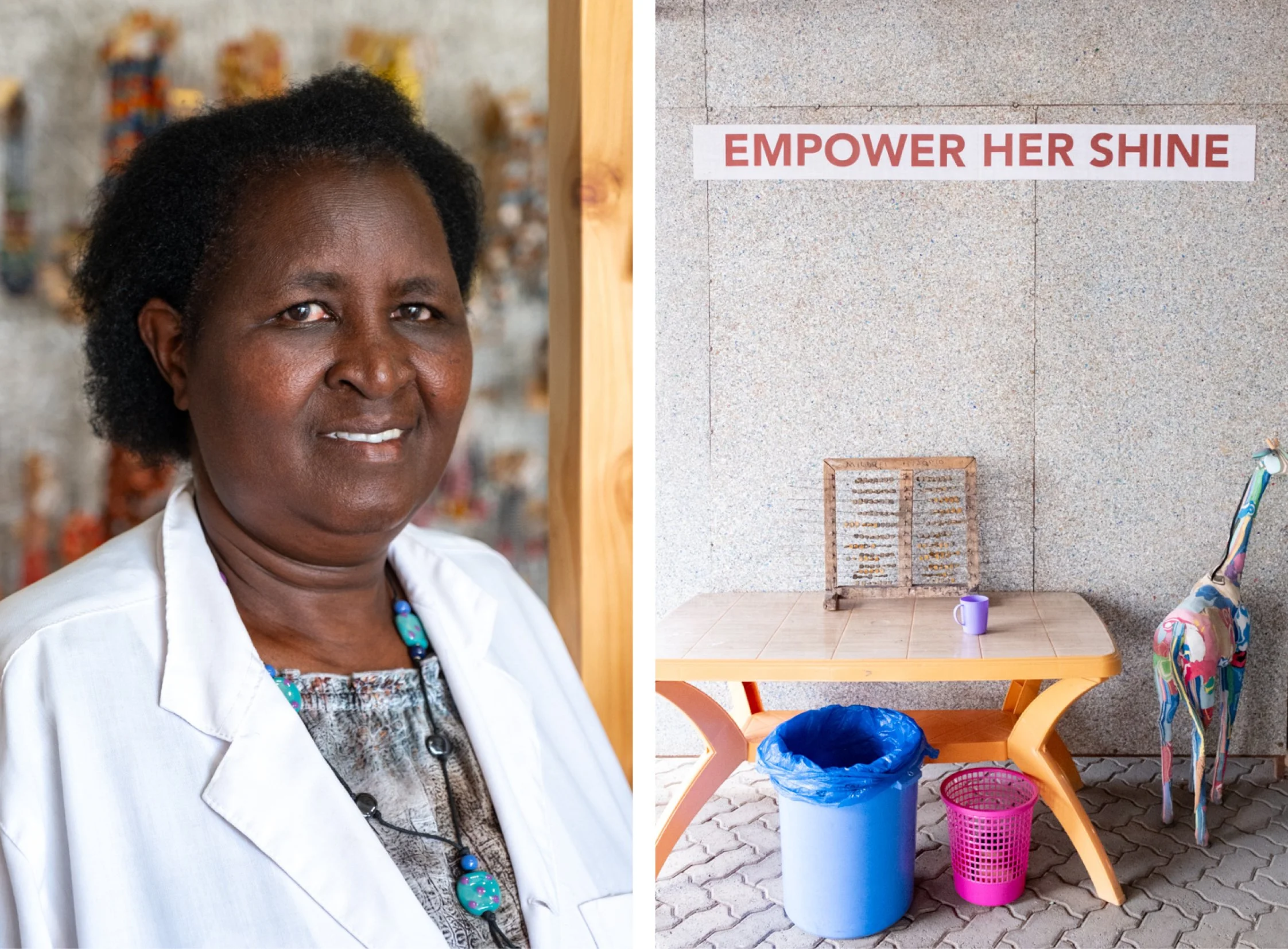
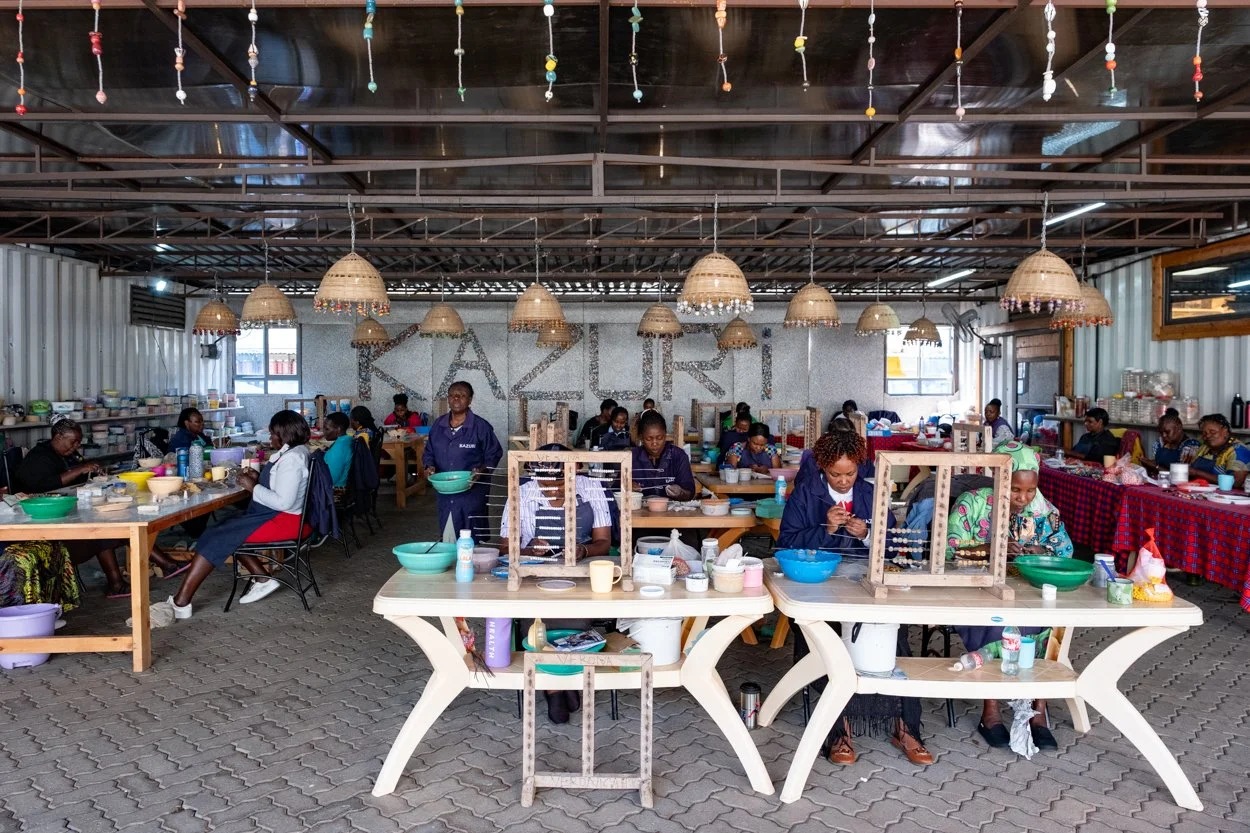
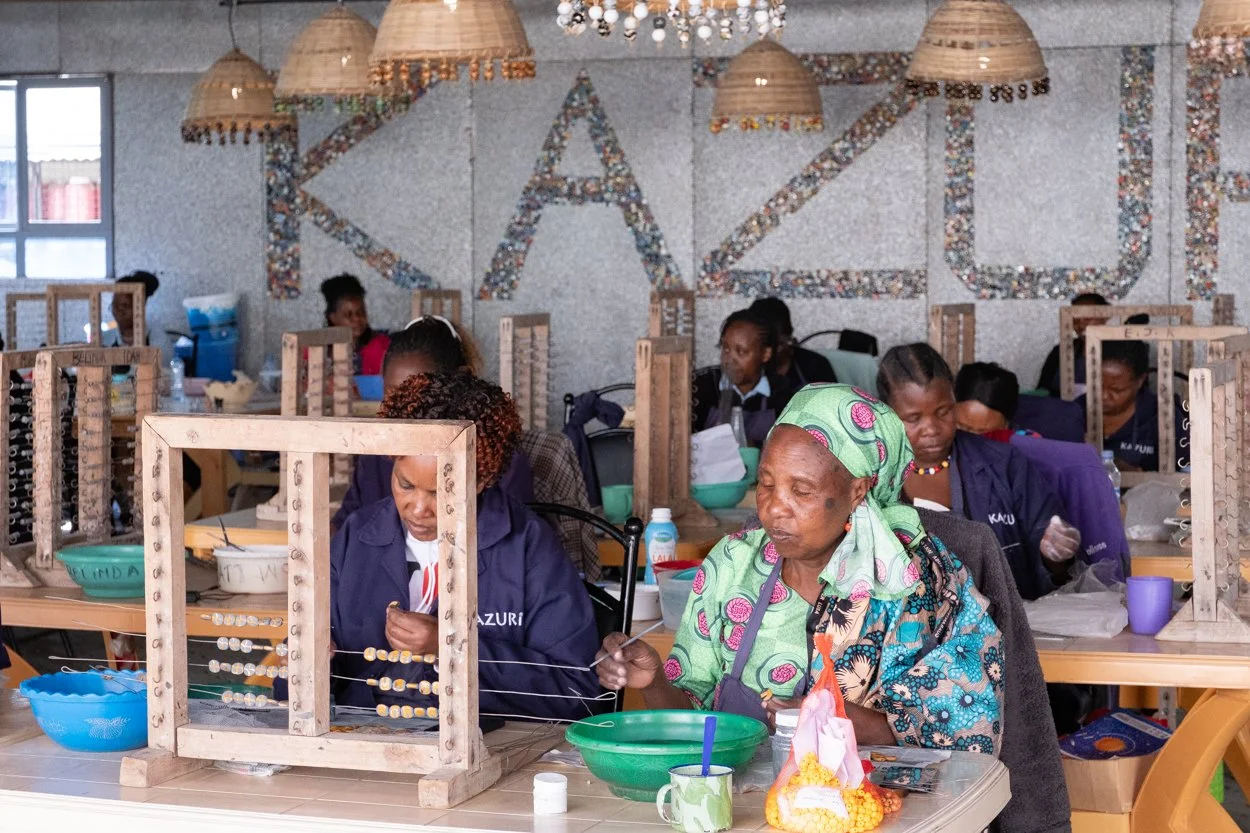
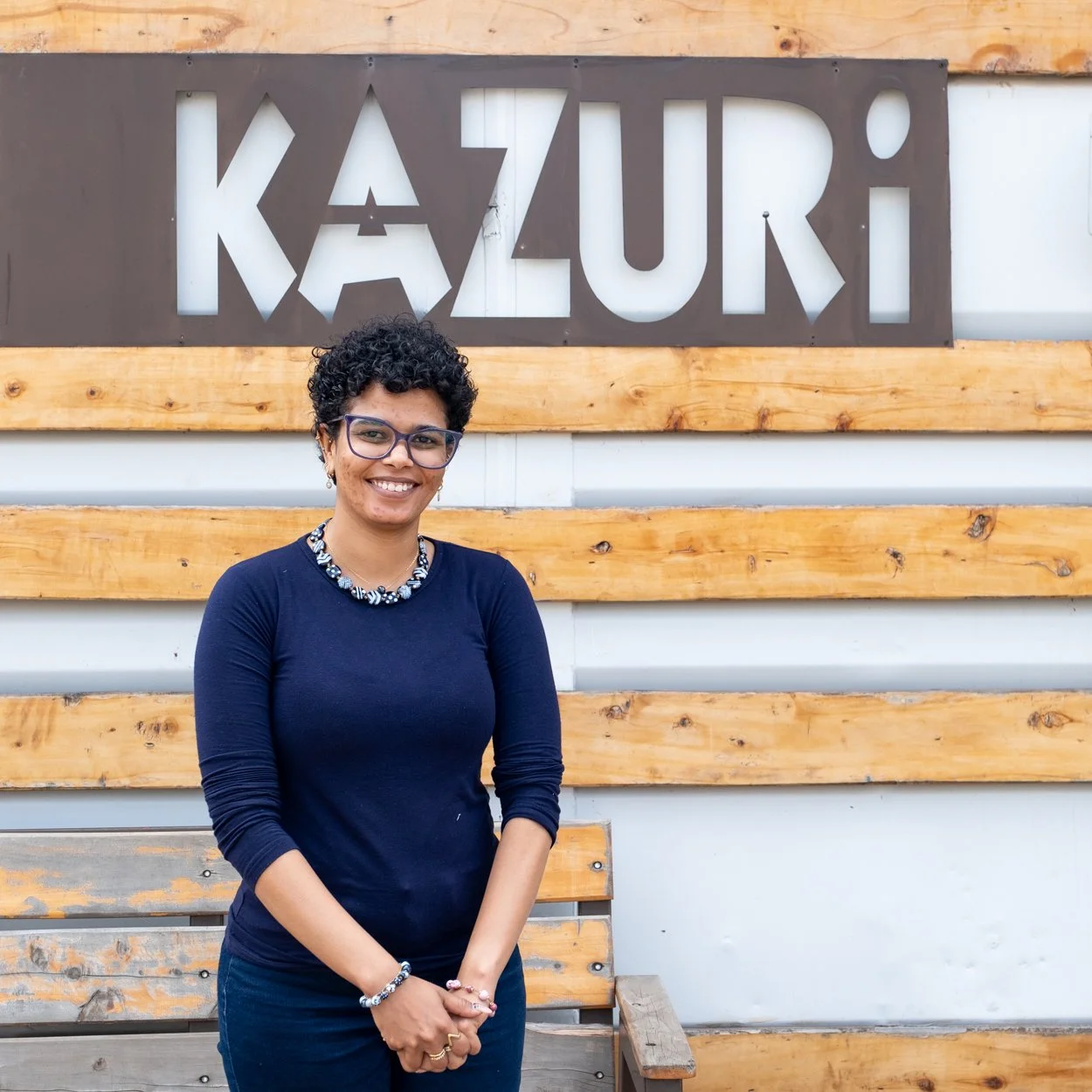
On my last day in Kenya, I popped into the Kazuri Beads in Nairobi for a tour of the workshop with manager, Noora.

The business was started 50 years ago with two main purposes: to preserve traditional Kenyan artisan crafts and to support women – particularly single mothers – marginalised by their communities. 

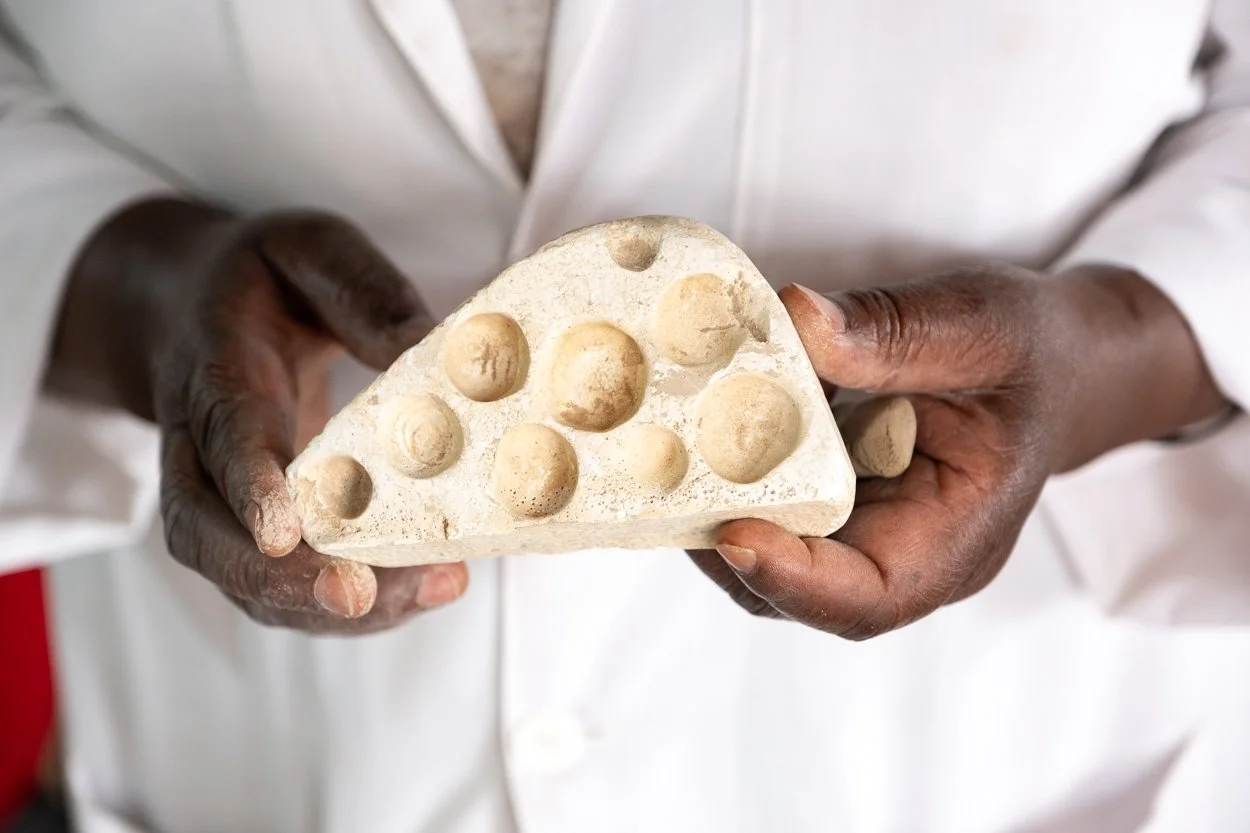
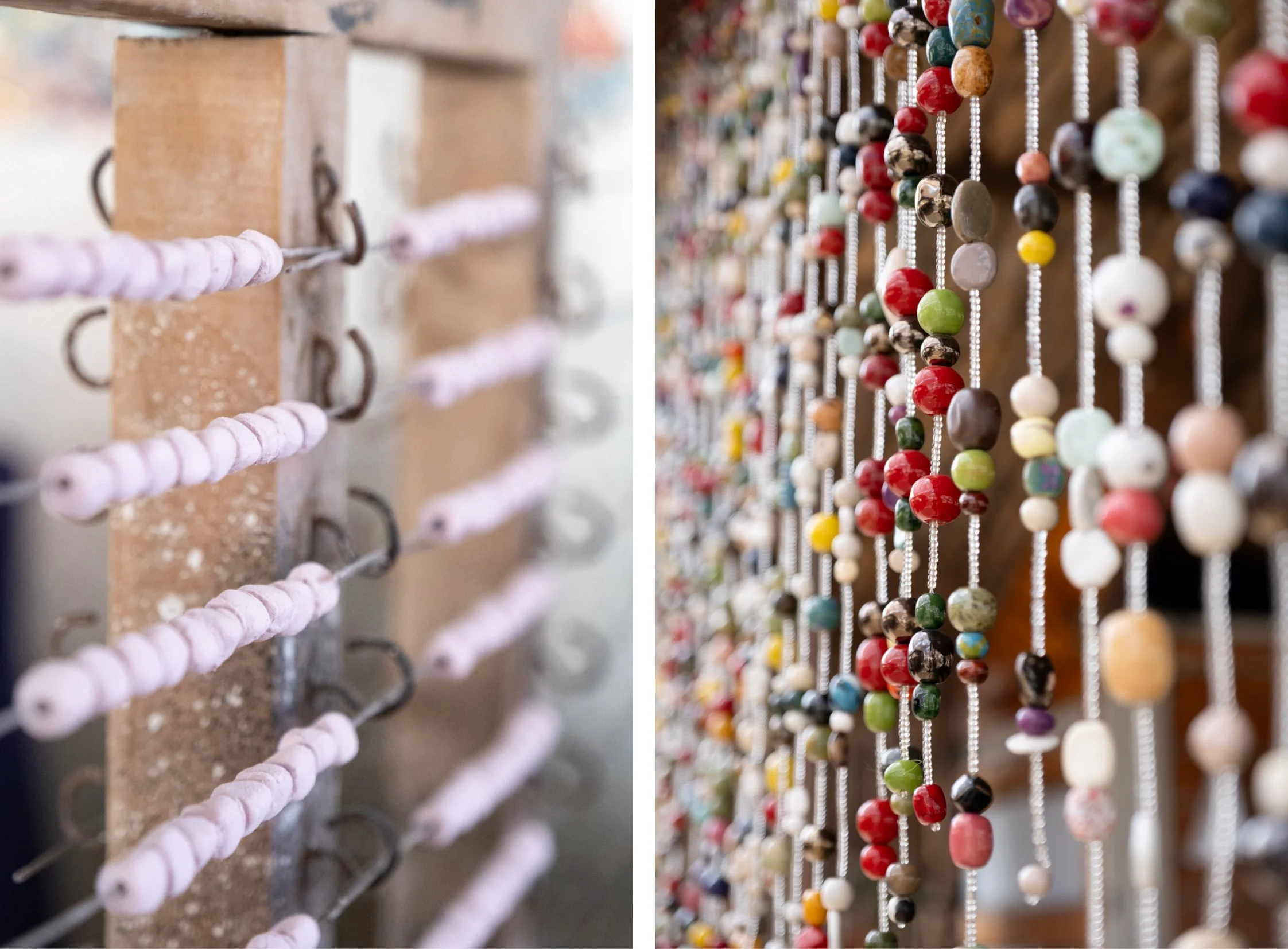
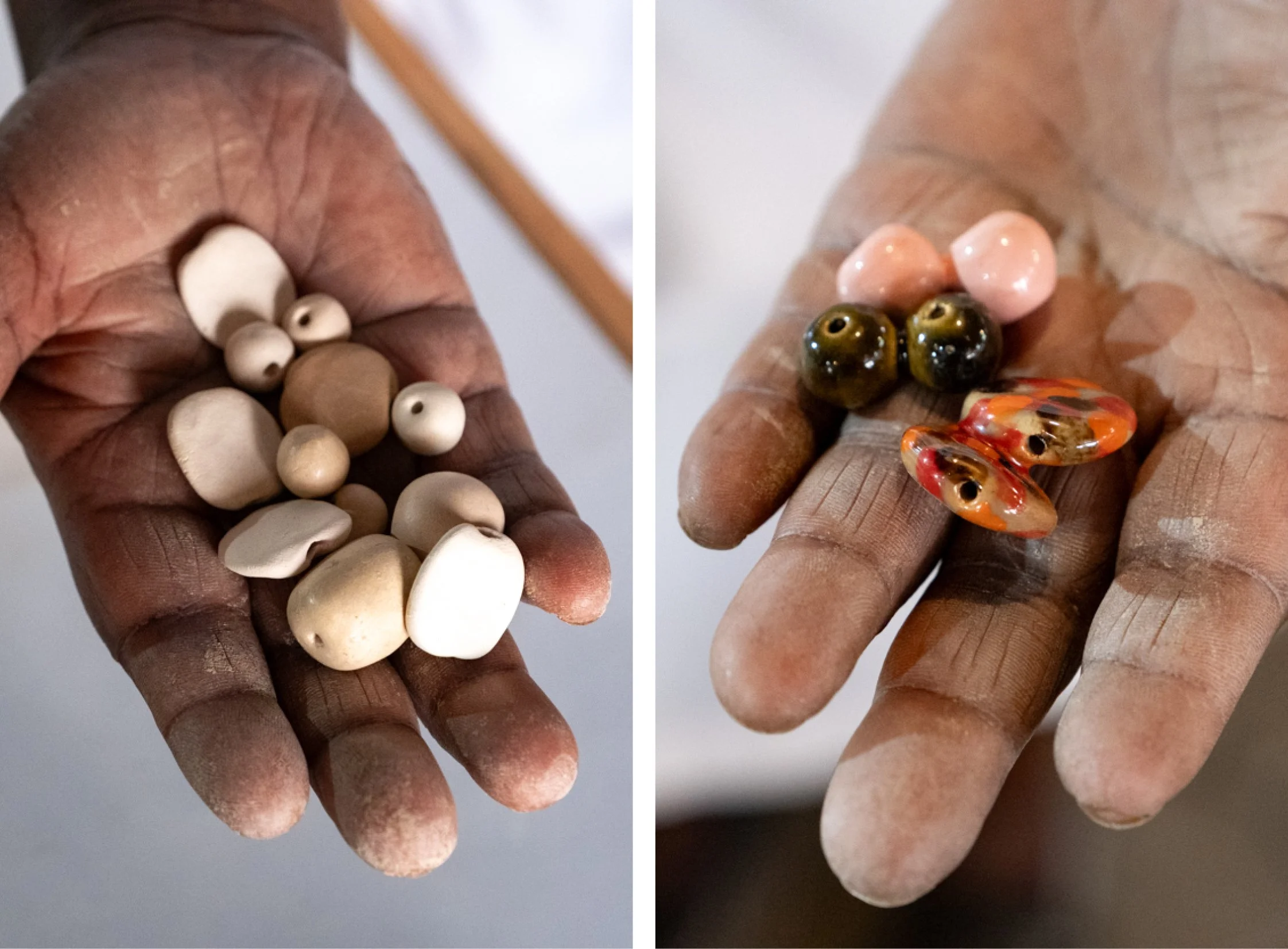
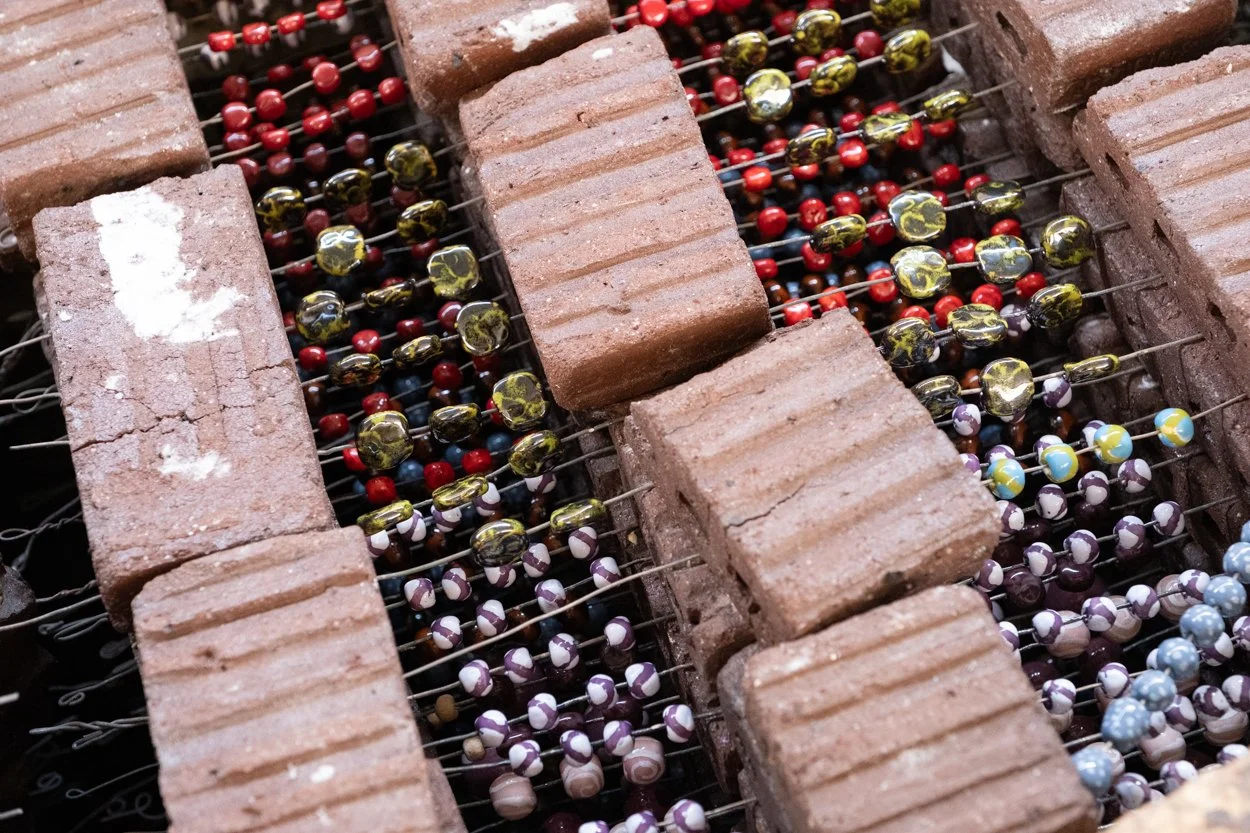
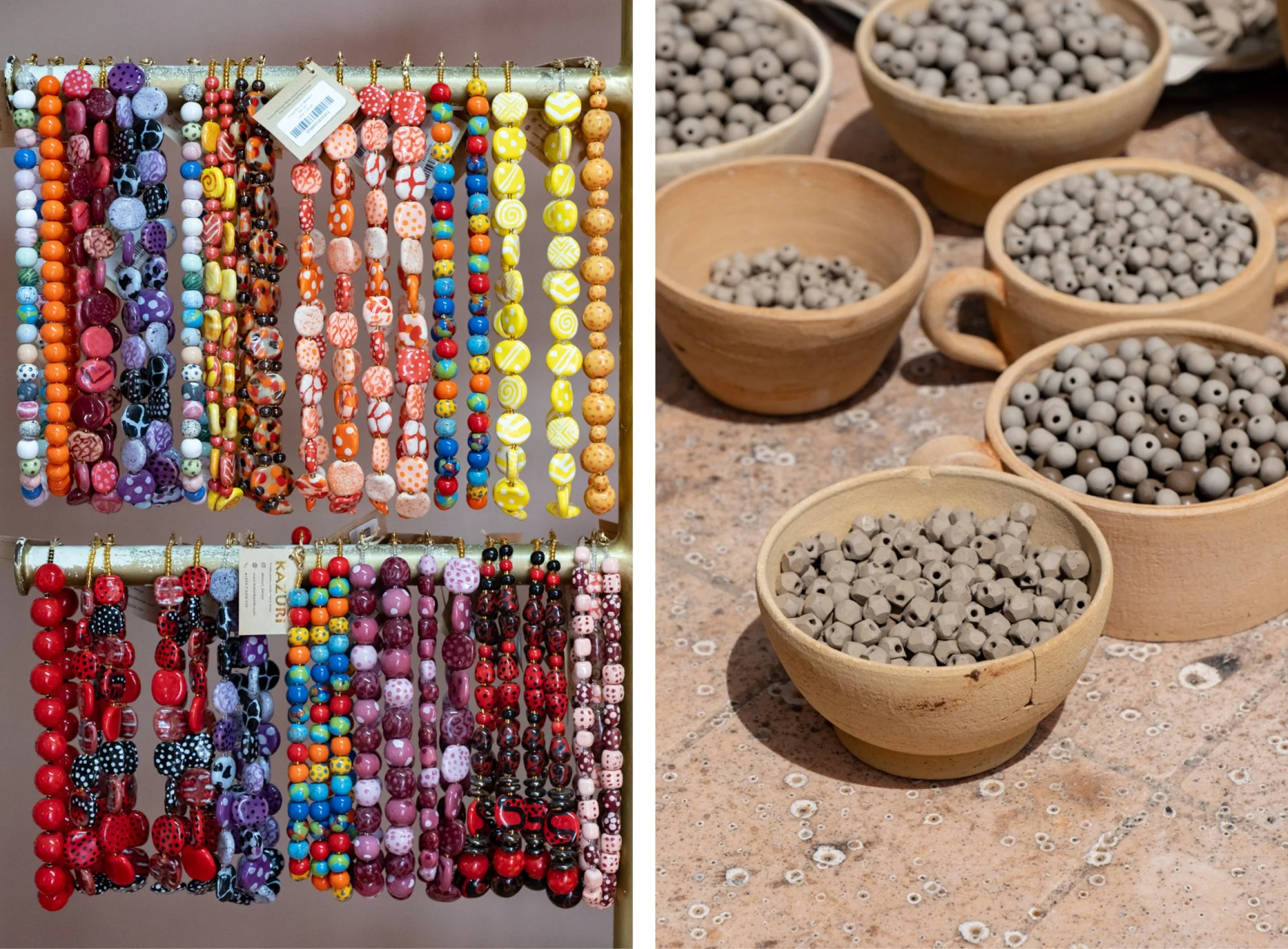
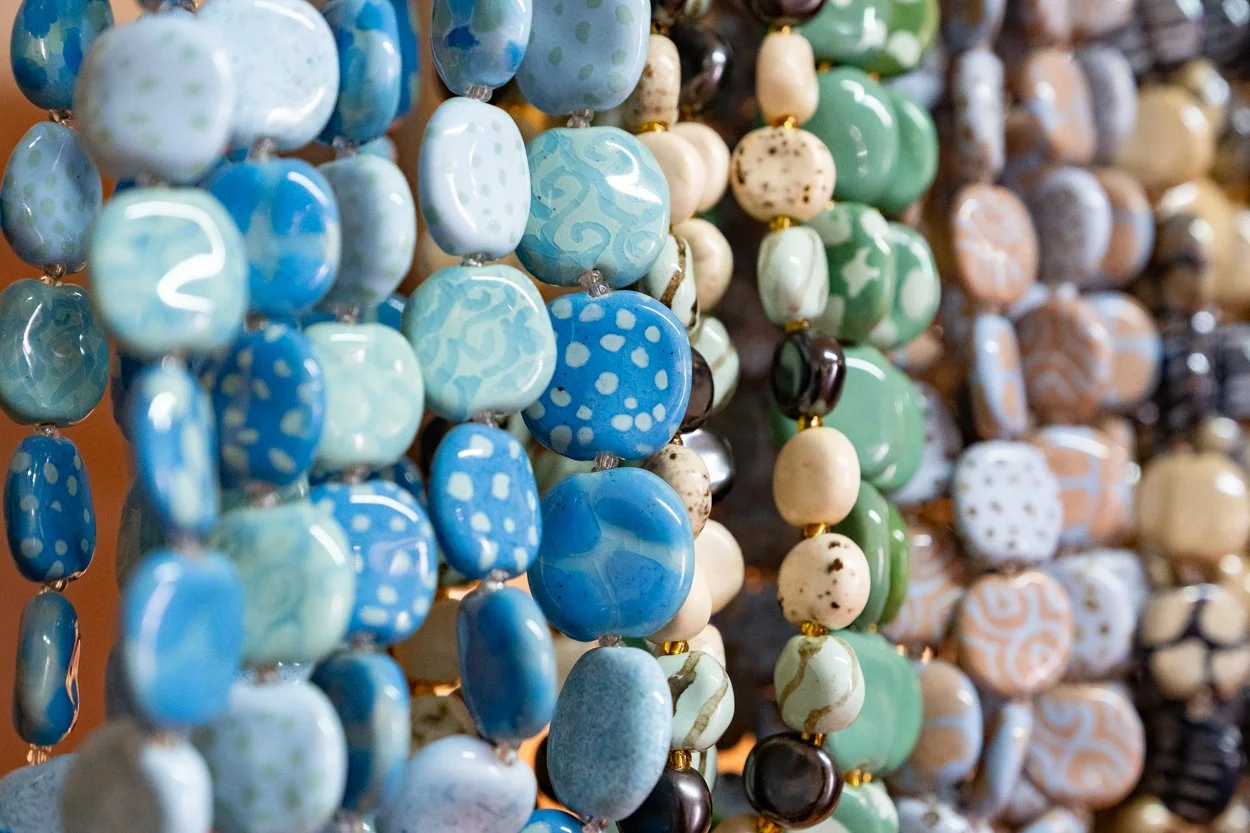
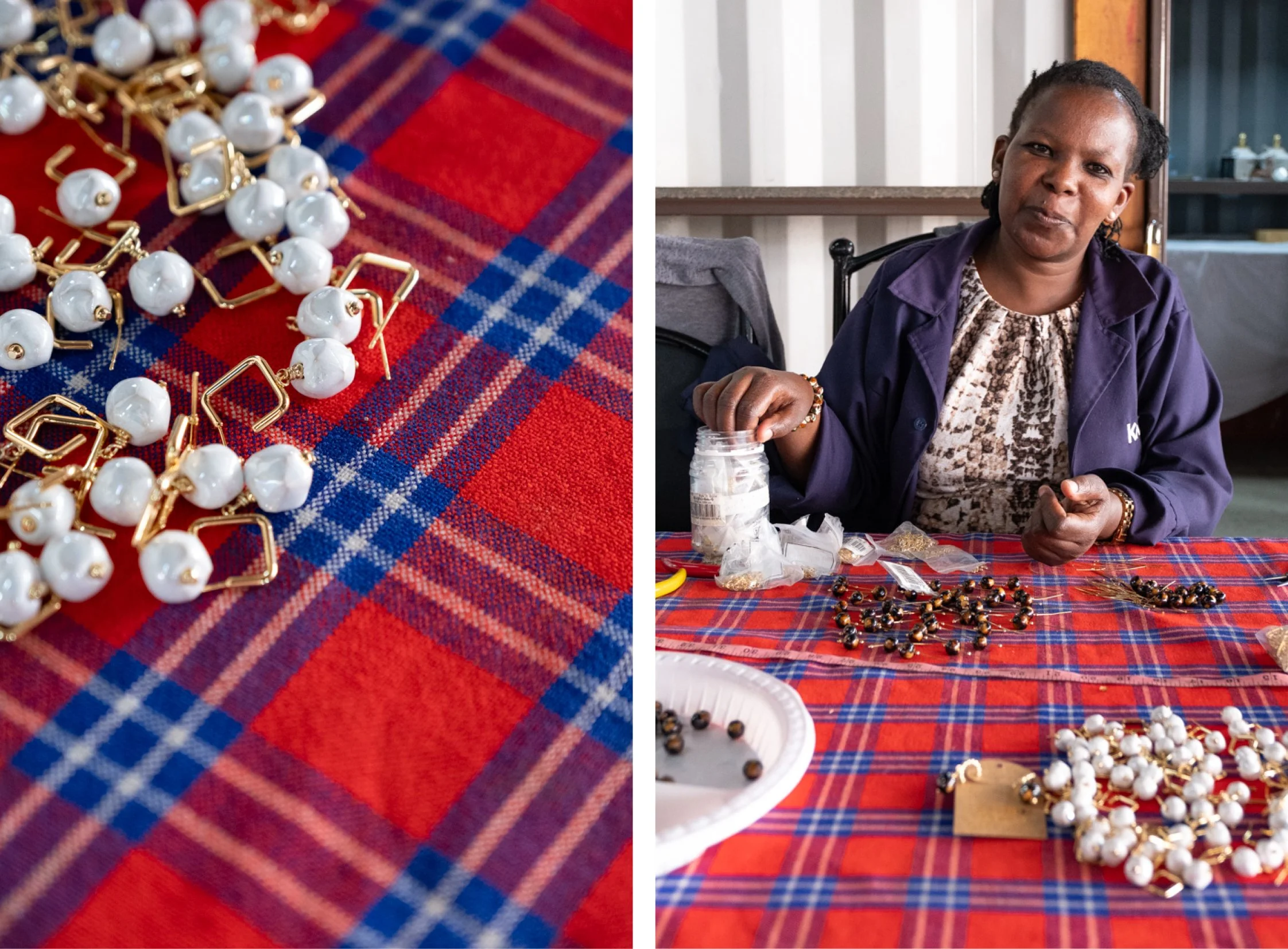
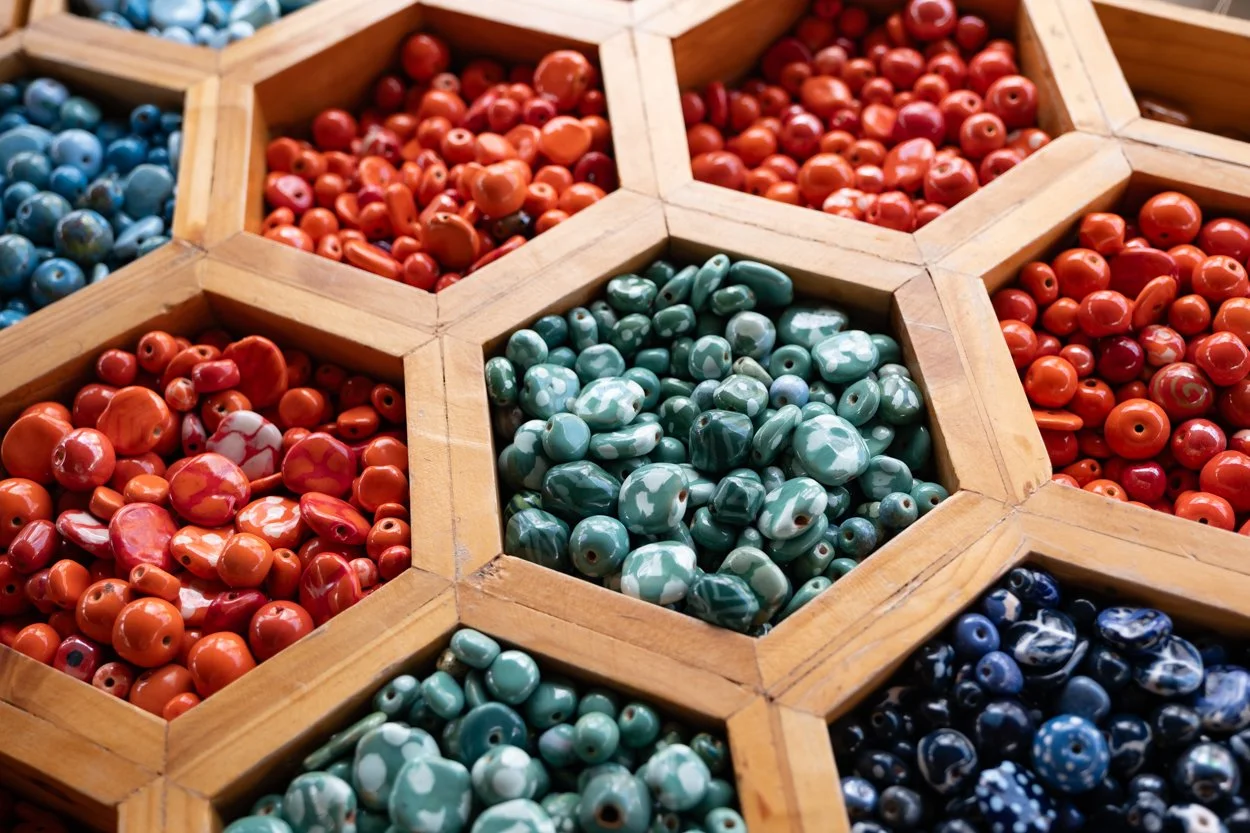
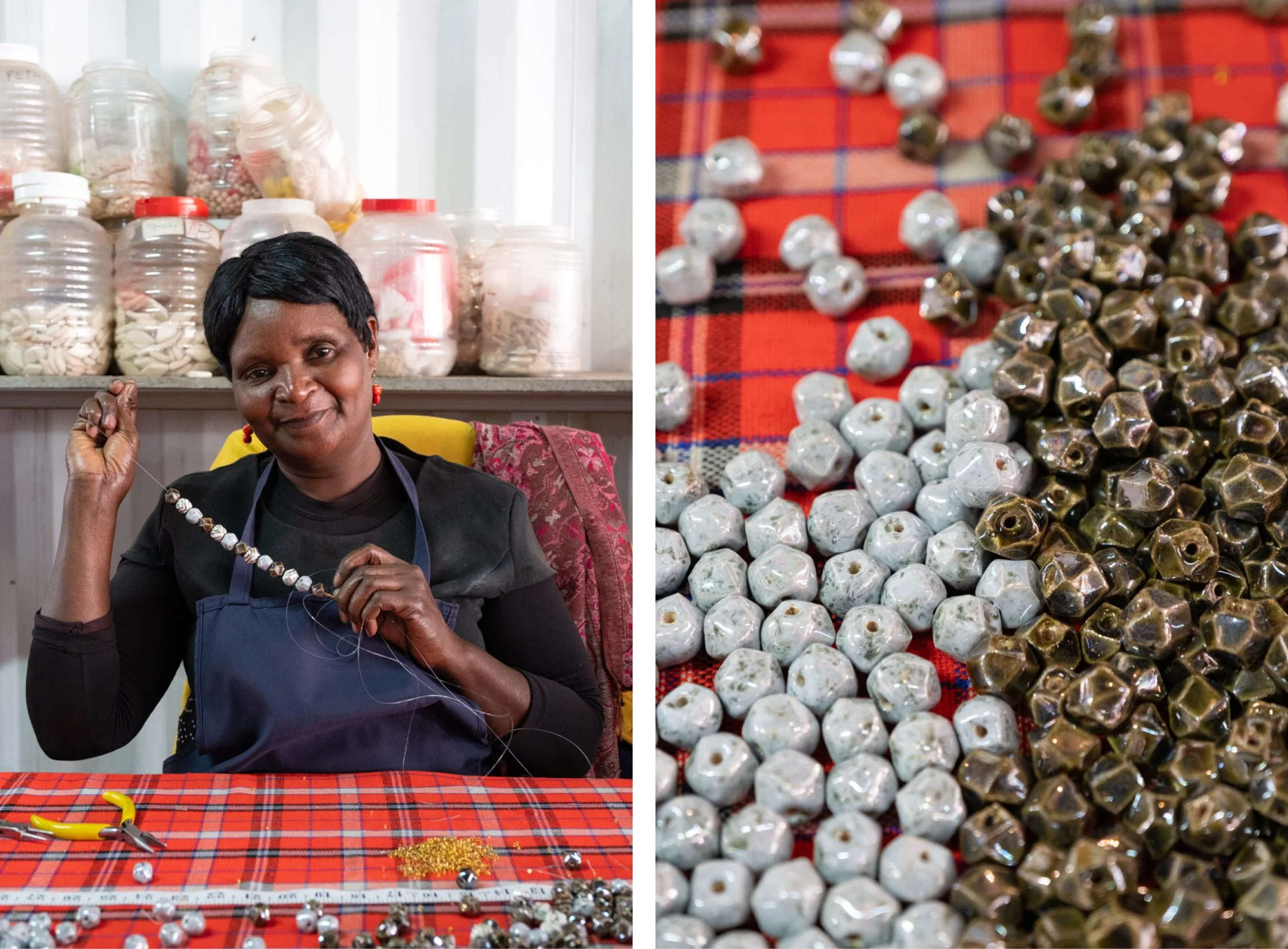
The beads are made from clay sourced near Mount Kenya. Every single bead is crafted by hand and measured against a size chart. They’re threaded onto abacus-like drying racks before being placed in a kiln and fired at a high temperature. After this, each bead is painted in an array of striking designs before being fired again and then strung onto twine to made necklaces or earrings. 

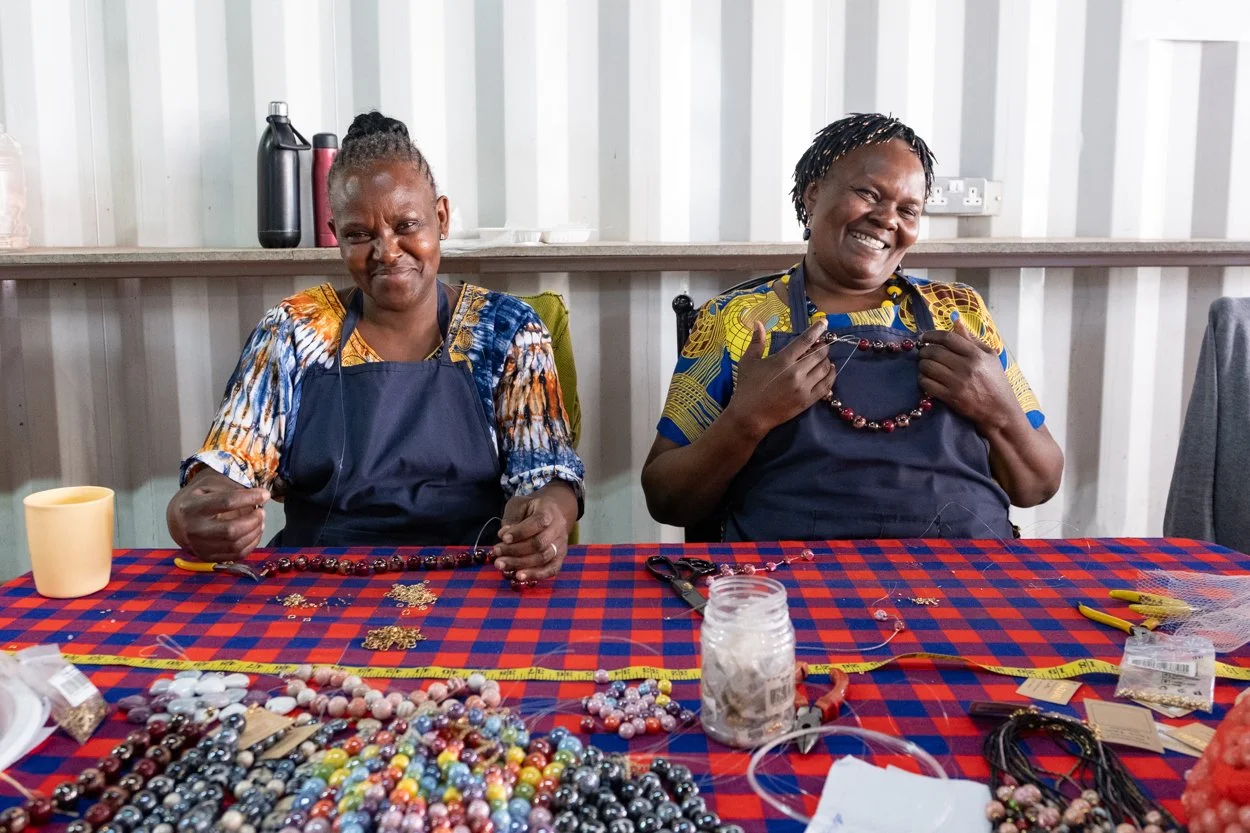
The workshop was a very happy, buzzing place and everyone was very pleased to show me what they were working on. I chatted to several women during my visit and was awed to discover that many of them had been there 15+ years. 

Noora herself hails from Yemen and is also a single mother. When I asked if women’s place in society had changed or improved in recent years she said “Not really. Women are still expected to be married by 18, 20. For those in abusive relationships, it’s often the choice between staying in that marriage or being ostracised as a single mother.”

I was fairly shocked that this was still the case. When I think about female power and equality discourse in this country, it’s a very different landscape – in terms of law, support and (in many parts of society) attitudes. Comparatively, we have so much freedom and support.

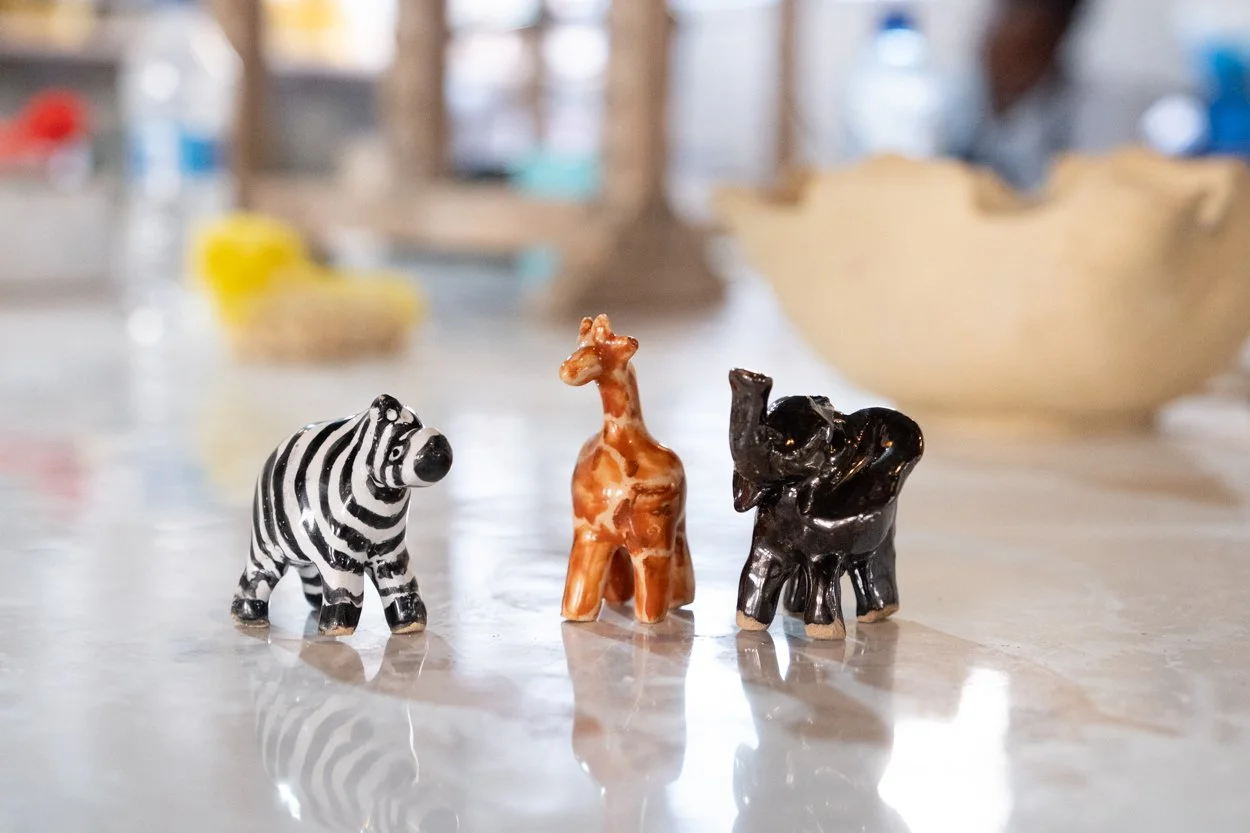
But there’s still a lot of work to be done, globally, to shift perspectives. It was an honour to meet these women and support their work. Yes, I did buy some jewellery and cute little ceramic elephant, but it would be great to amplify their voice and tell their story.

KENYA-NAirobi-Kazuri-3704-2.jpg
KENYA-Nairobi-Kazuri-3566.jpg
Kazuri.jpg
Kazuri4.jpg
Kazuri2.jpg
KENYA-Nairobi-Kazuri-3639.jpg
KENYA-Nairobi-Kazuri-3620.jpg
Kazuri6.jpg
KENYA-NAirobi-Kazuri-3688.jpg
KENYA-Nairobi-Kazuri-3655.jpg
Kazuri5.jpg
KENYA-Nairobi-Kazuri-3674.jpg
KENYA-Nairobi-Kazuri-3658.jpg
Kazuri3.jpg
KENYA-Nairobi-Kazuri-3583.jpg

SWEDEN Vrångö Island

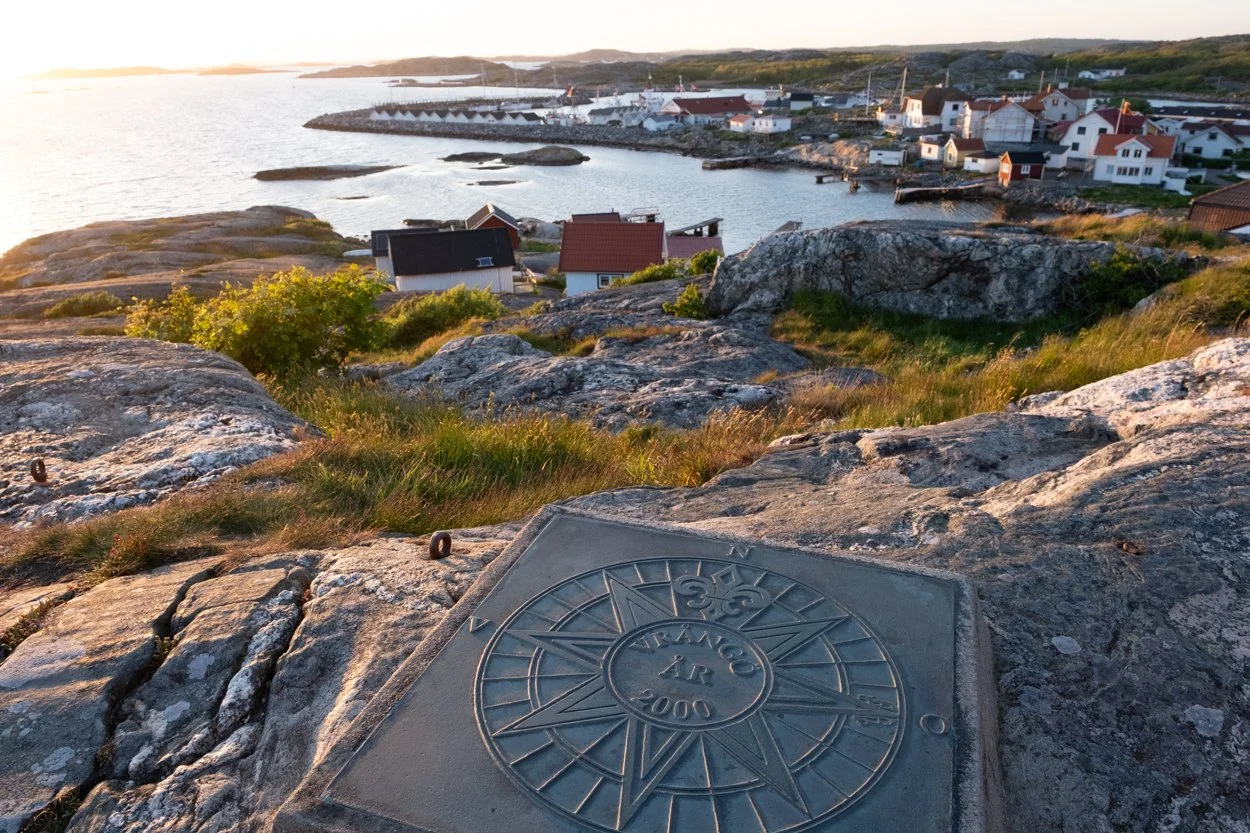
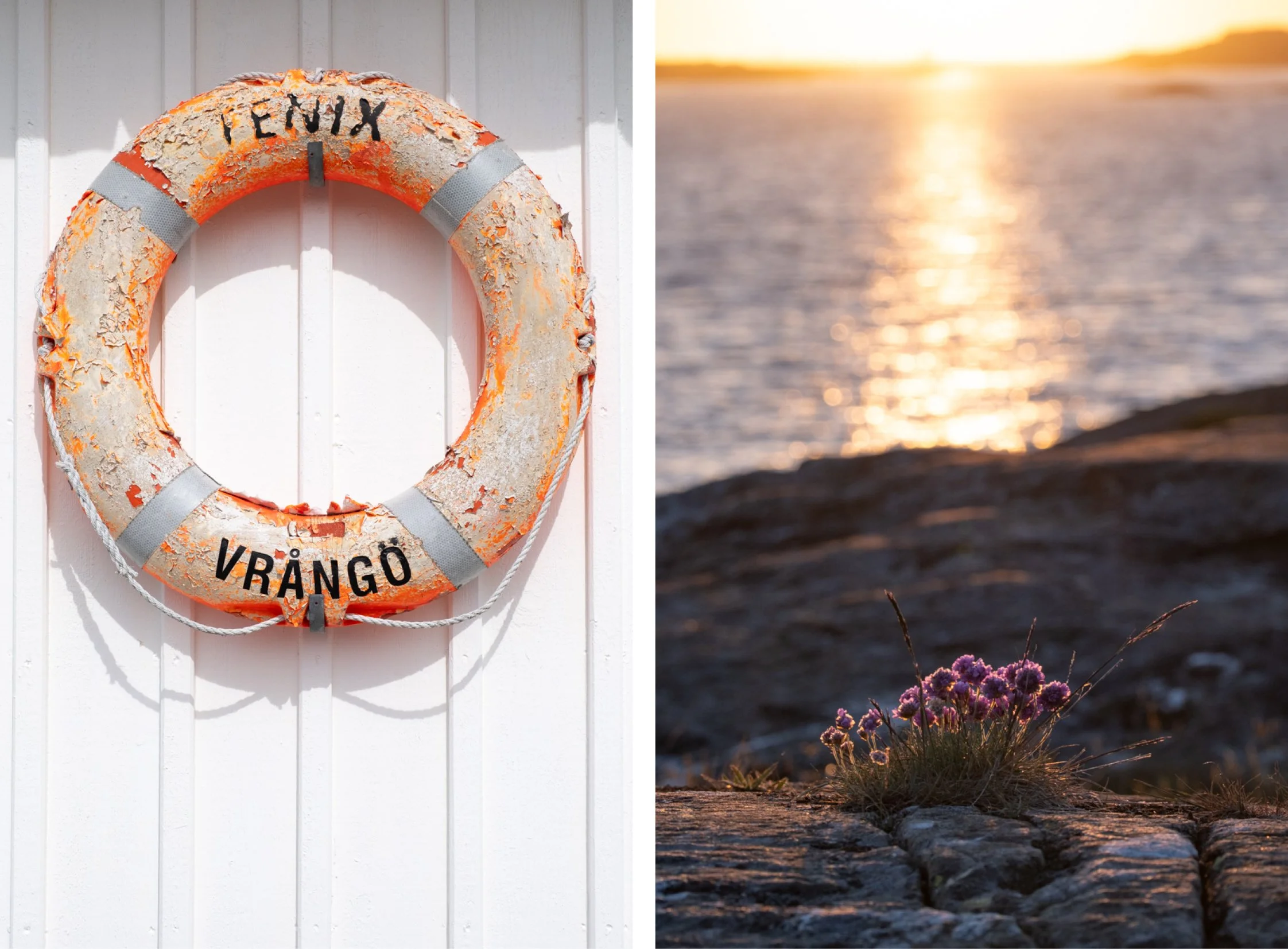
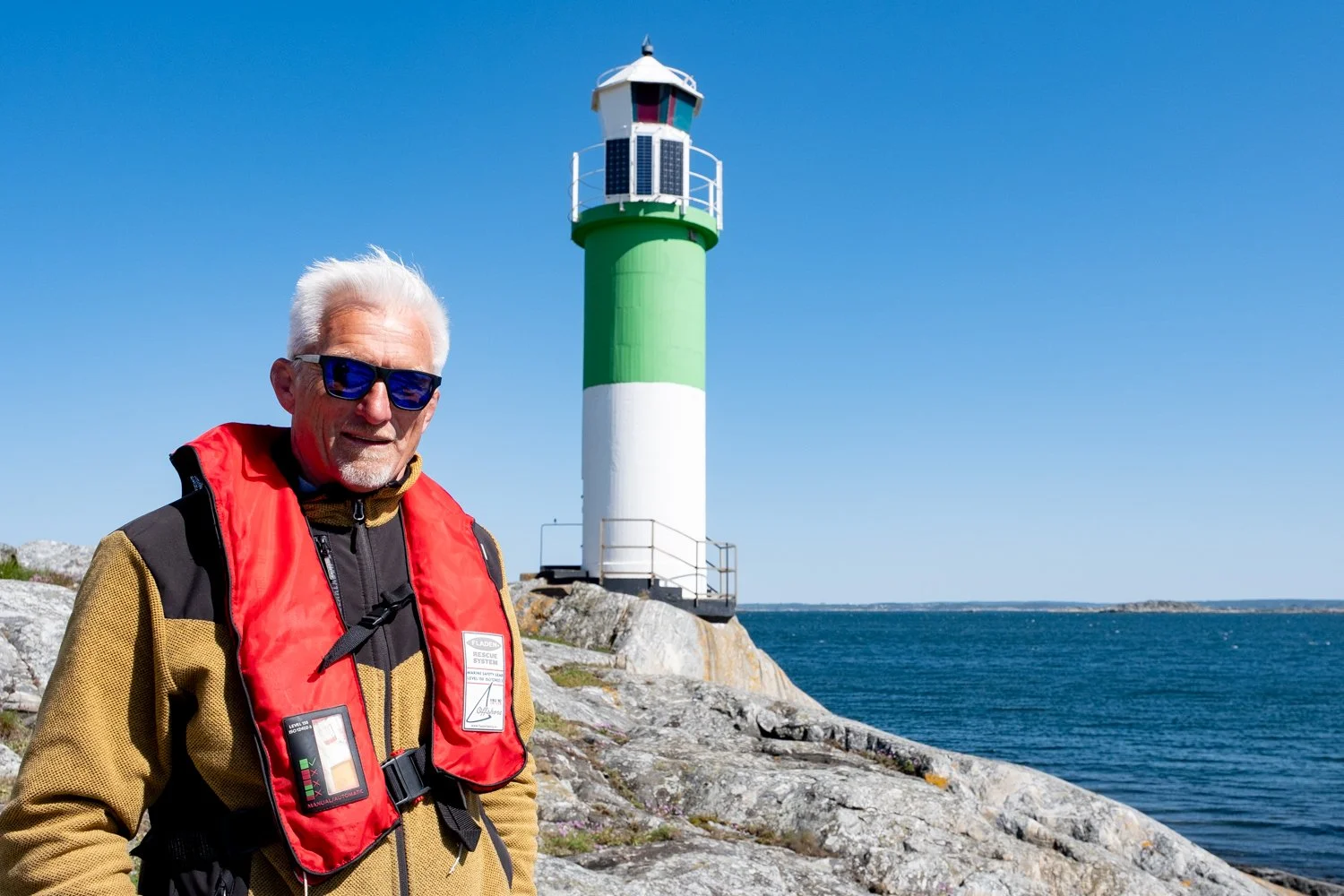
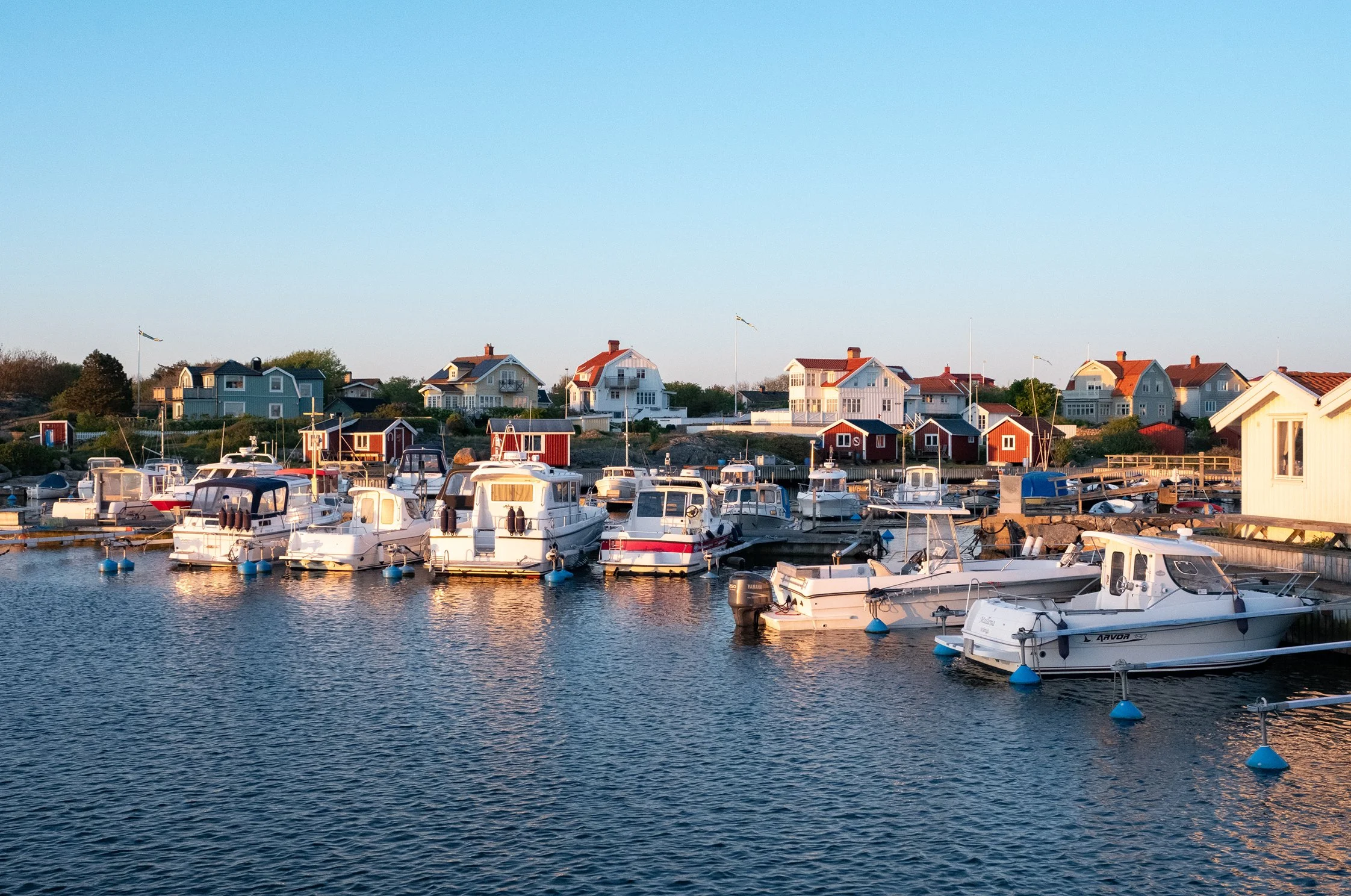
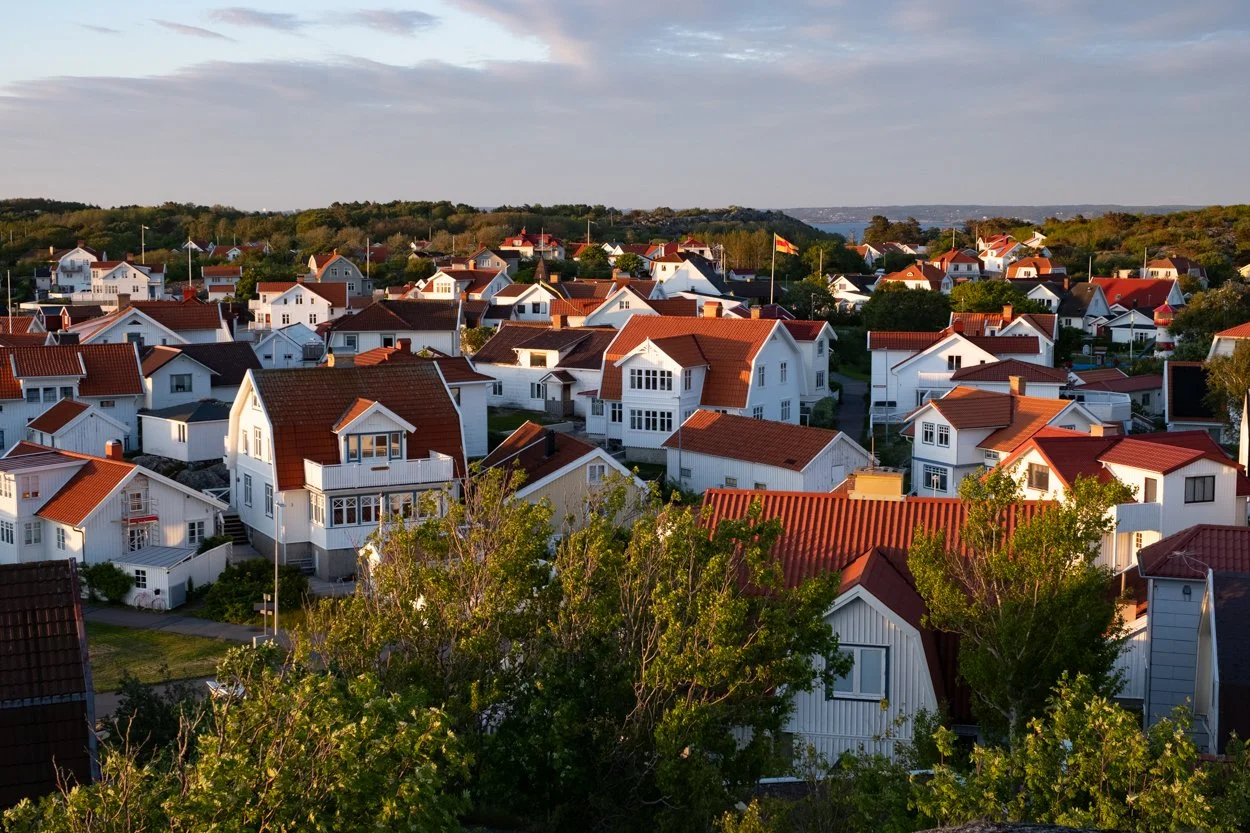
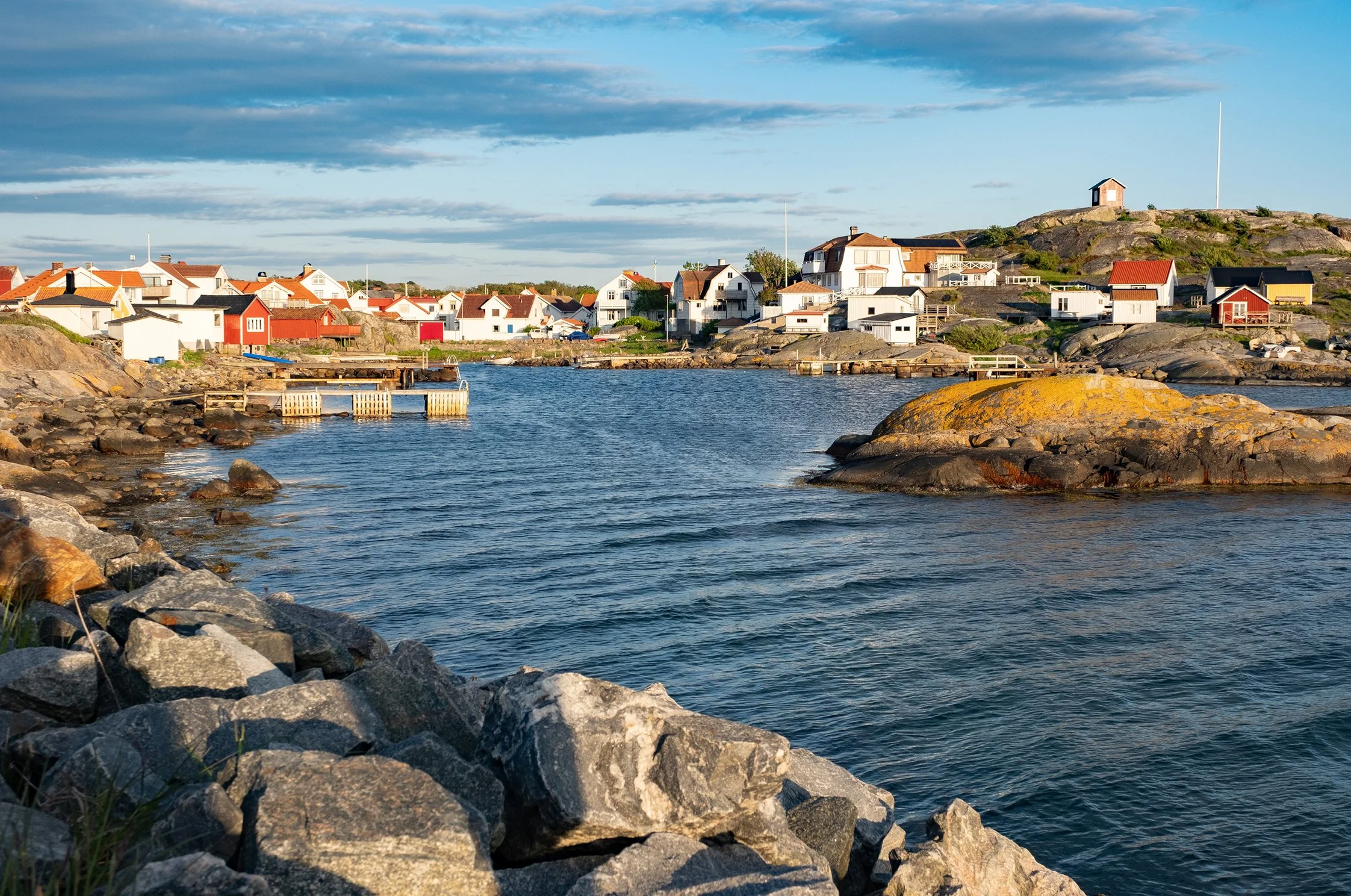
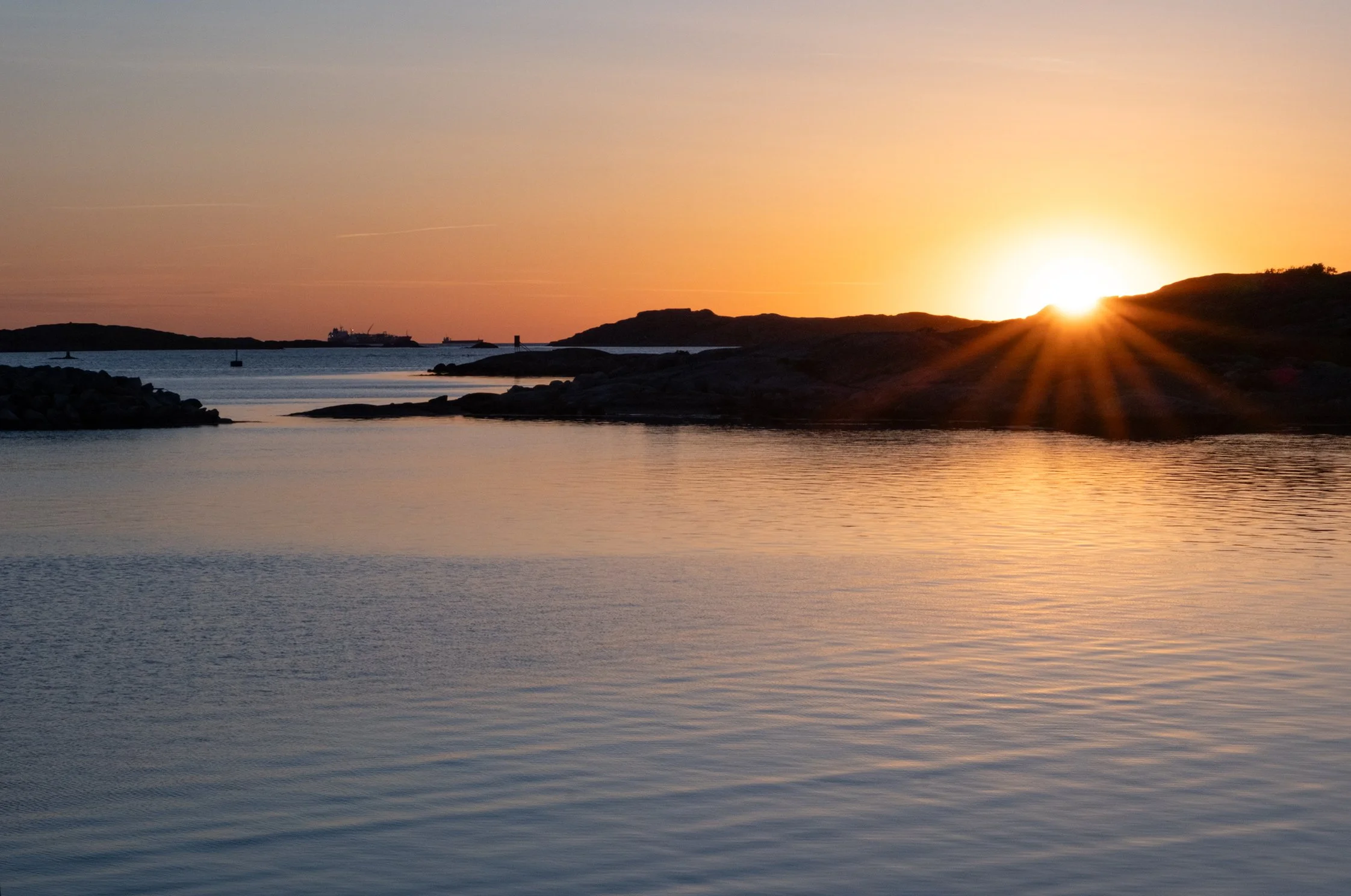
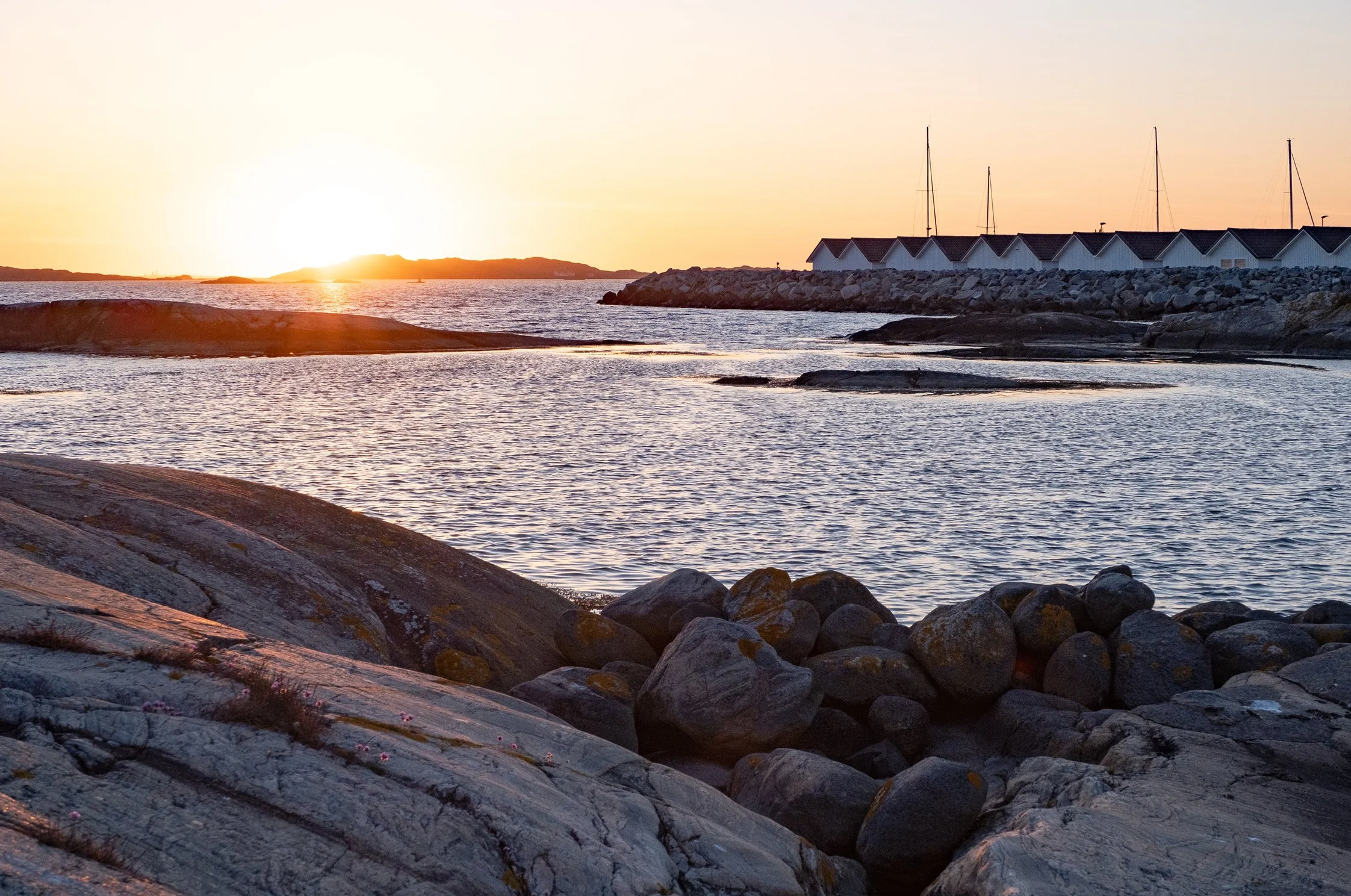
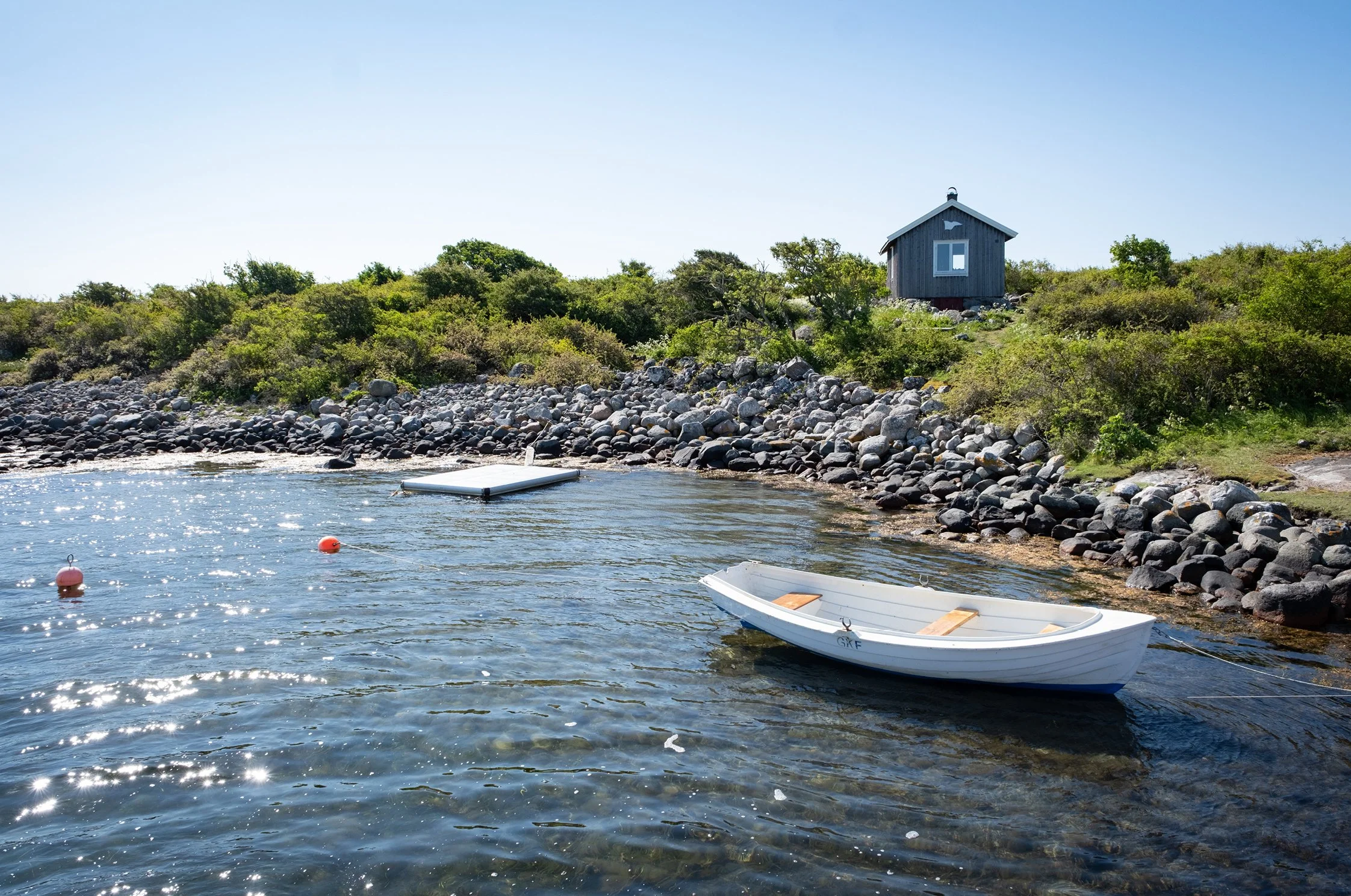
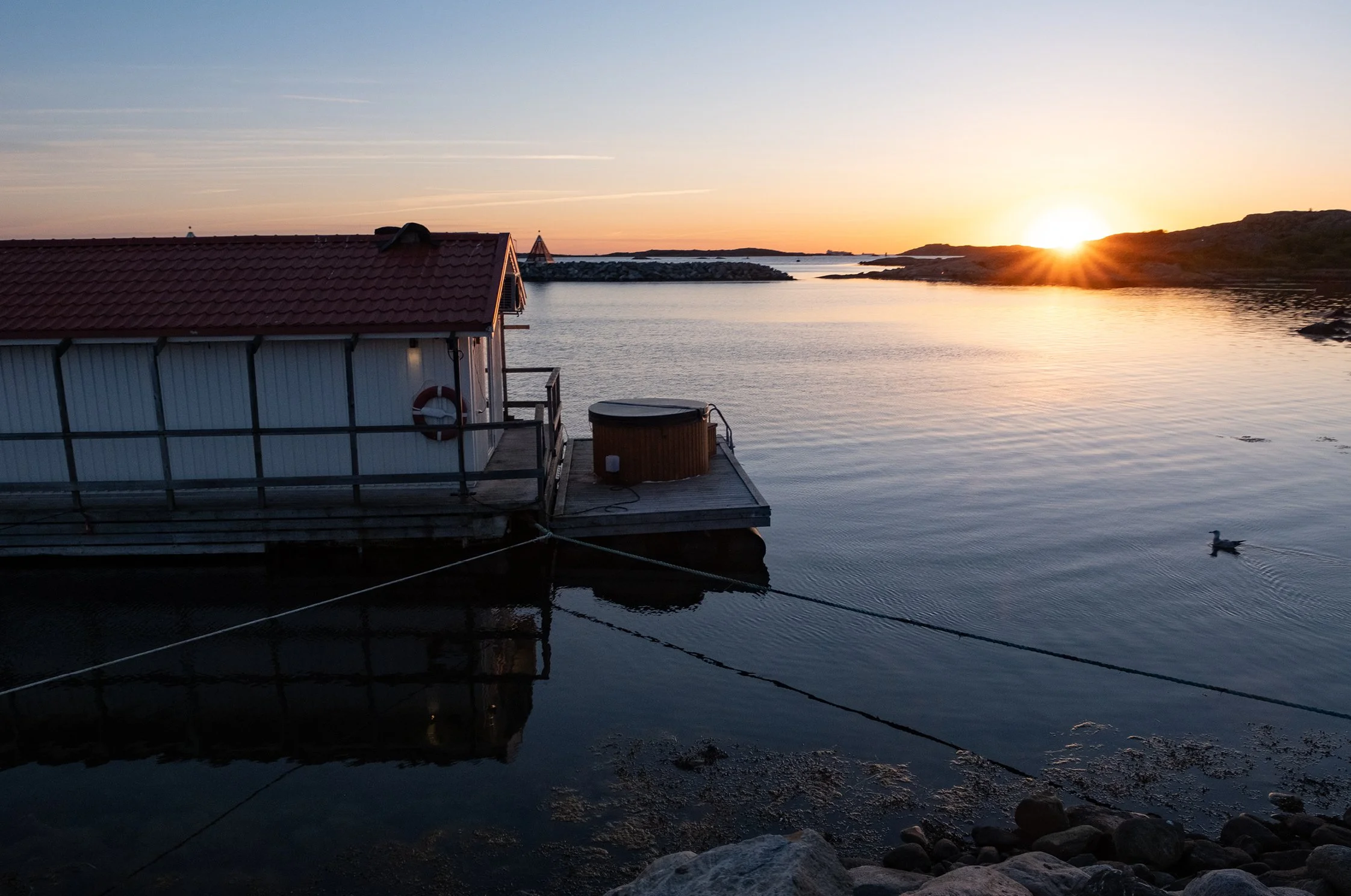
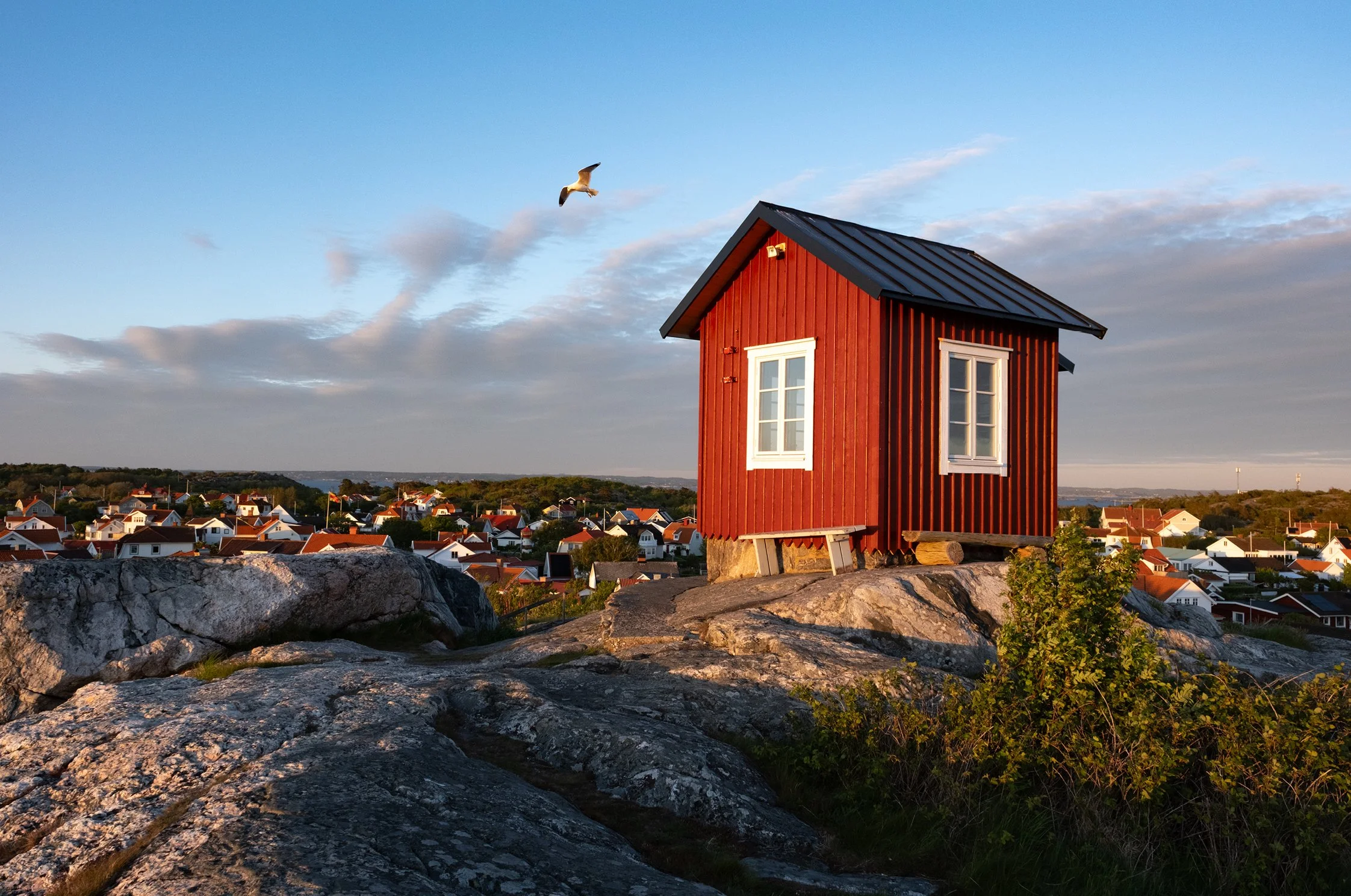
“I’ve never considered taking a summer holiday in Spain or Greece – I’d regret, too much, missing out on a perfect Swedish summer day.” Hårkan tells me. The sky is a cloudless, colouring-book blue  and we’re standing by a lighthouse on Valö, a rocky speck of an island in the Gothenburg archipelago. He took me and my fellow travellers out on his boat from his home on Vrångö and we explored the burgeoning spring as it bursts into colour among the grey rocks of the island terrain.

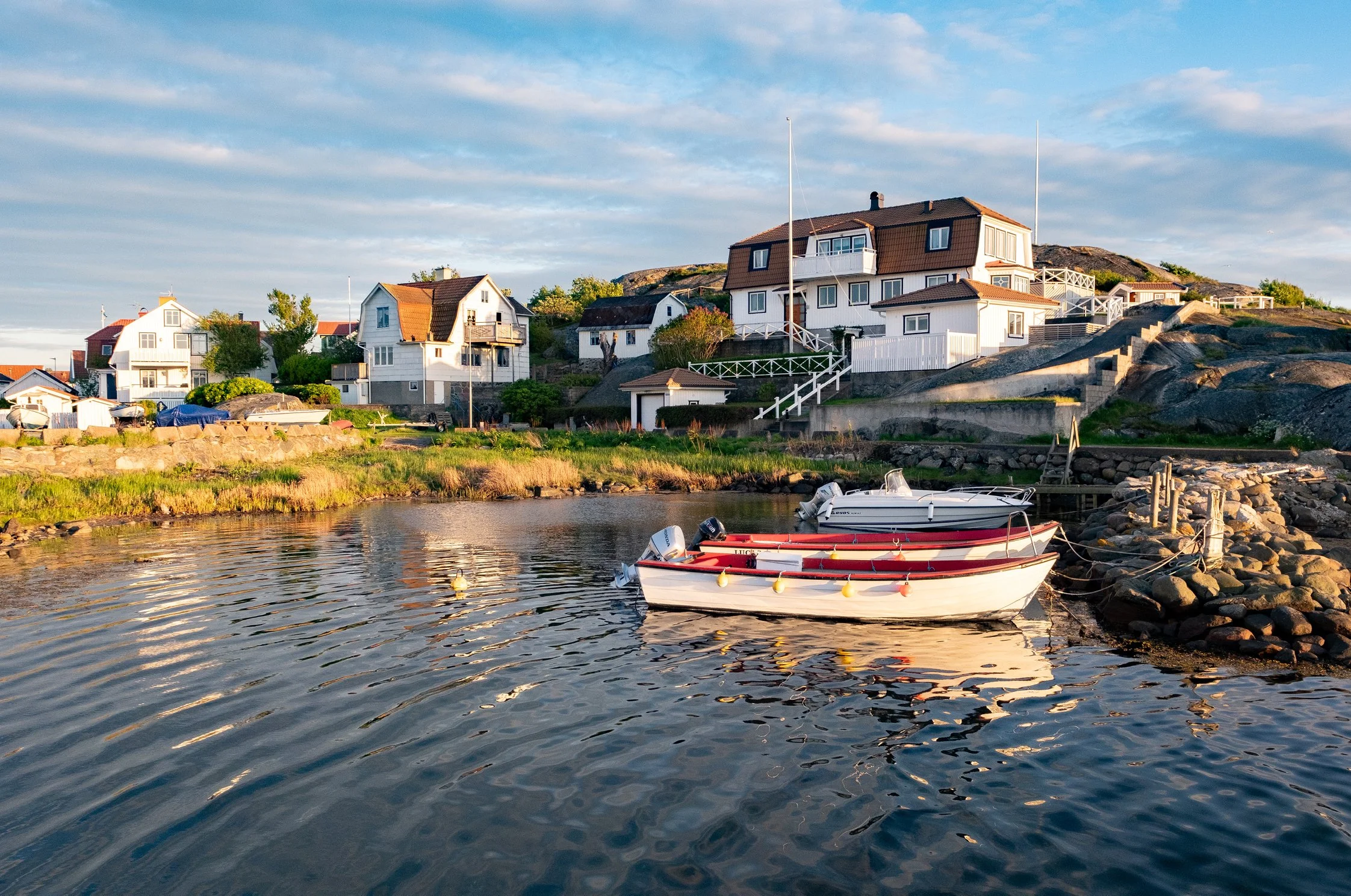
Hårkan’s family have lived and worked on the island of Vrångö in West Sweden’s Gothenburg archipelago for centuries. He points to a tiny, picturesque, maroon hut on the island’s highest point “That’s the pilot house. My father and grandfather and his father before him would guide ships safely to the harbour from here”. 

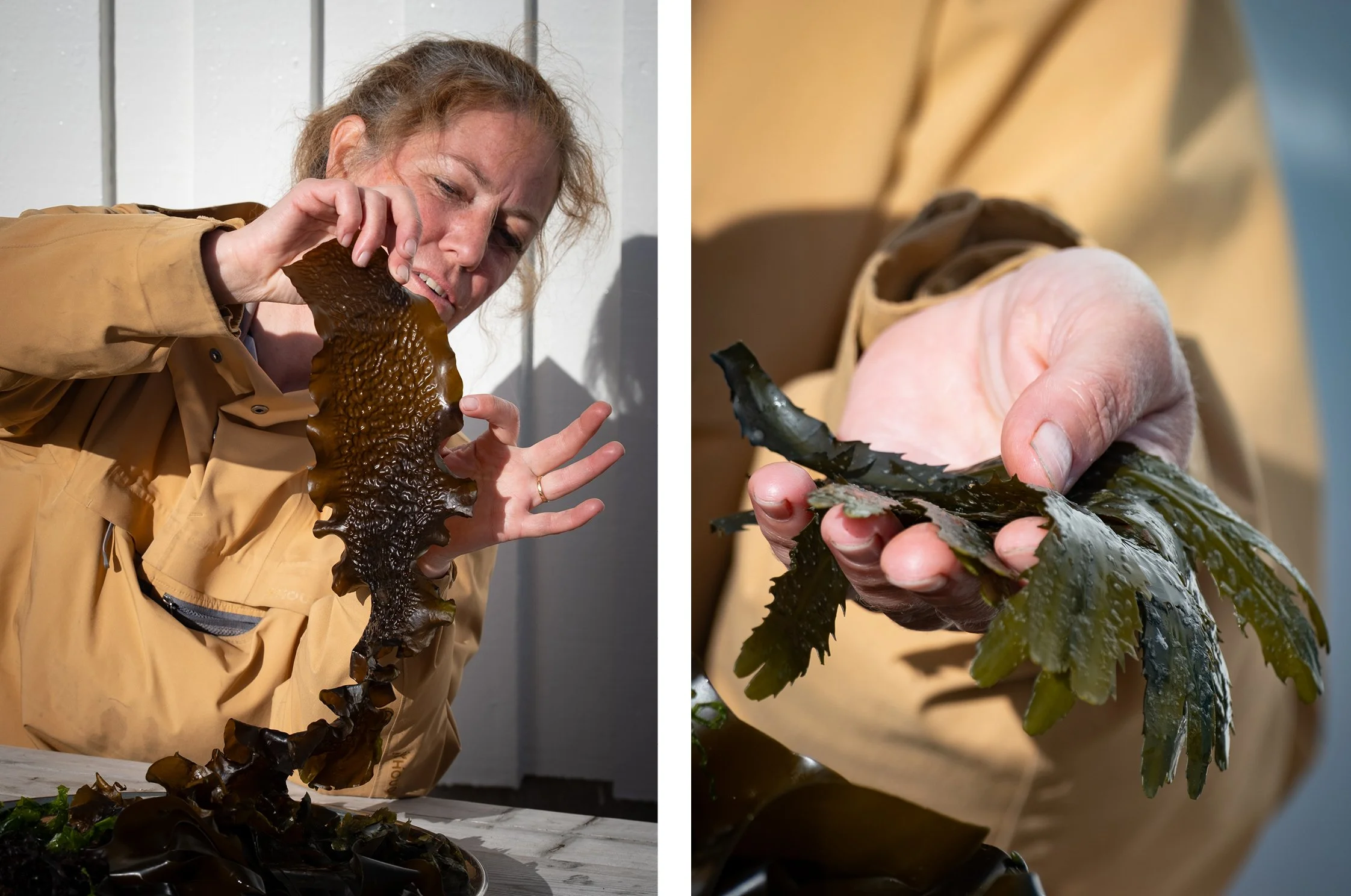
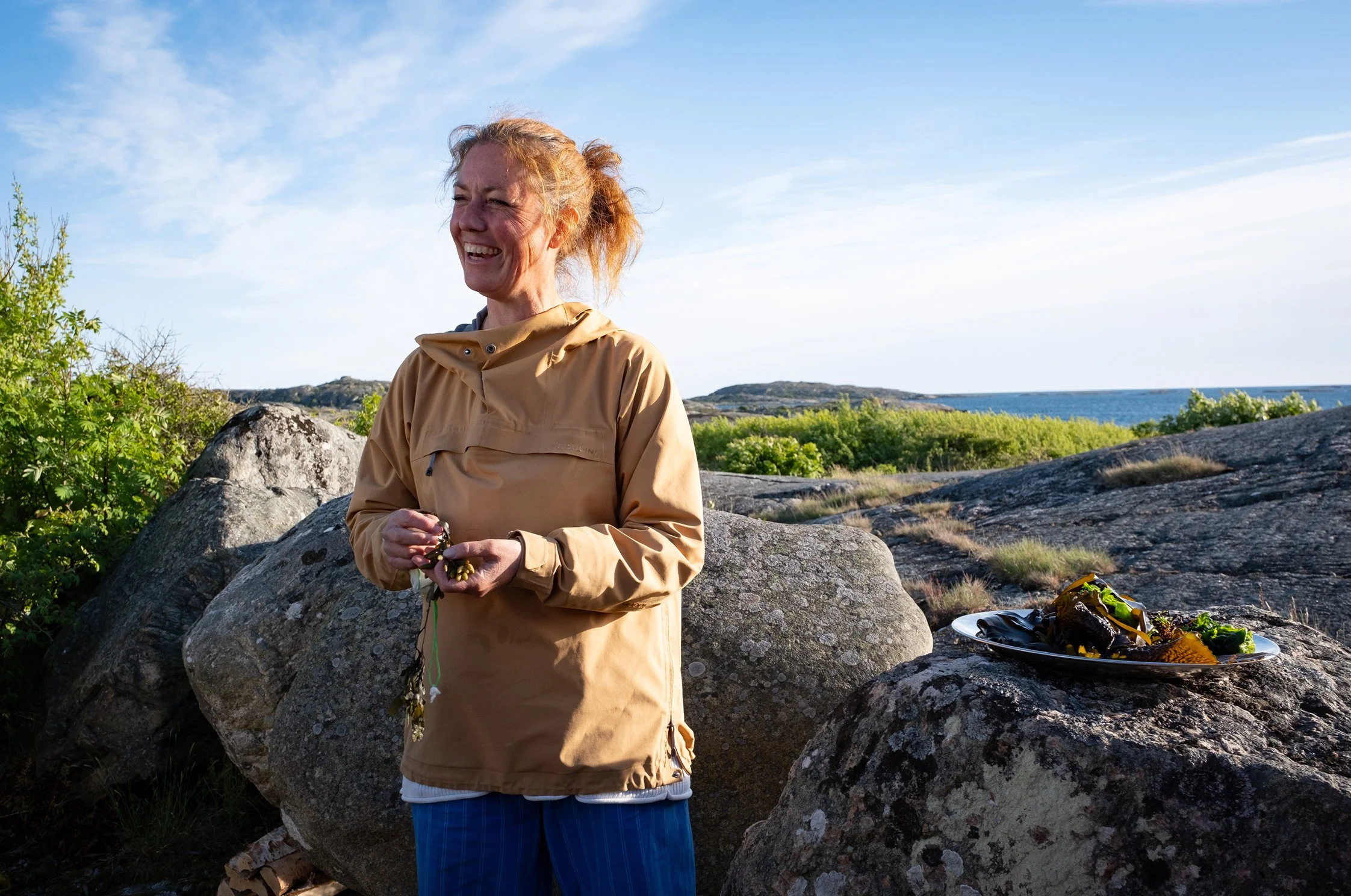
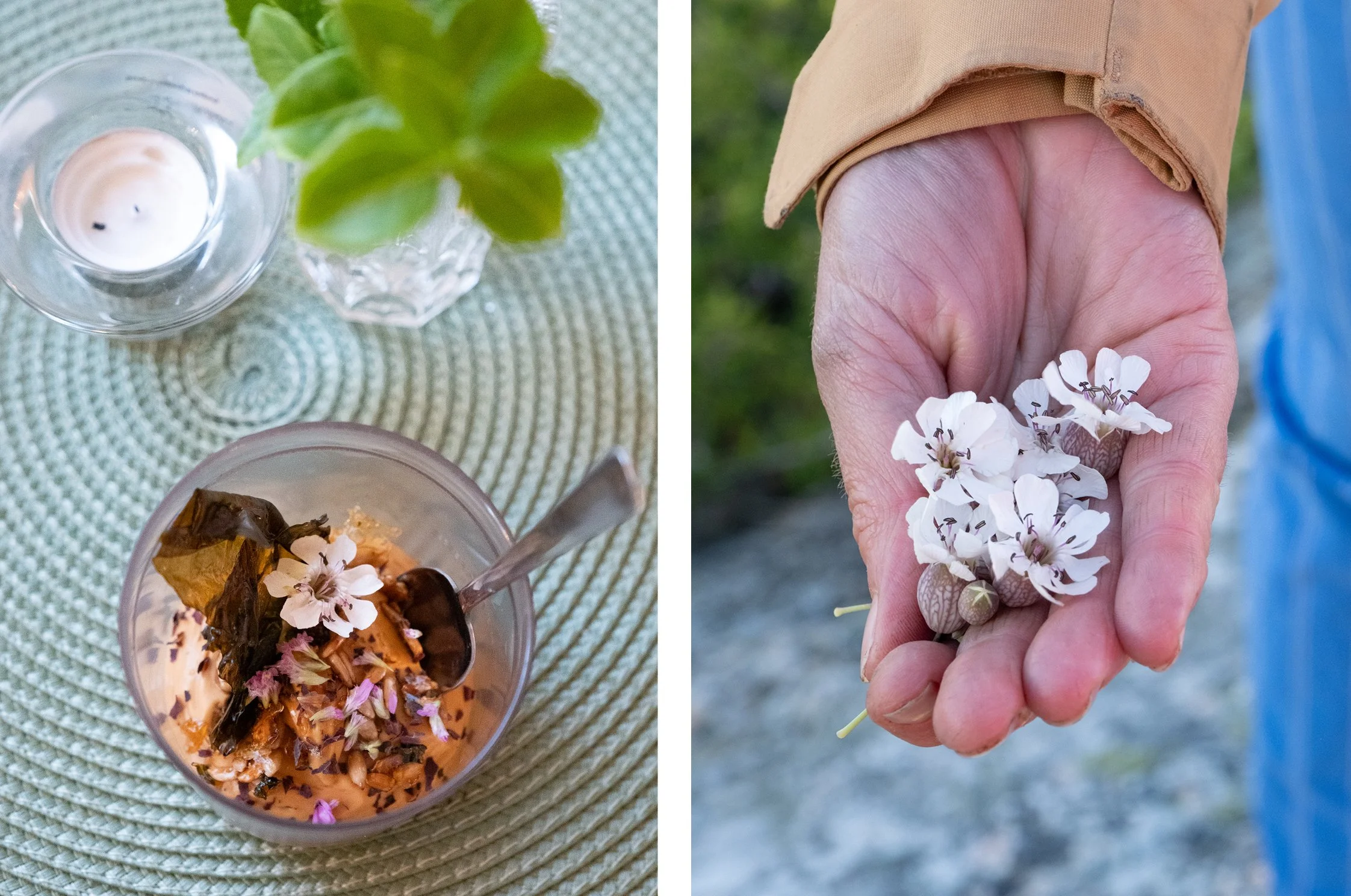
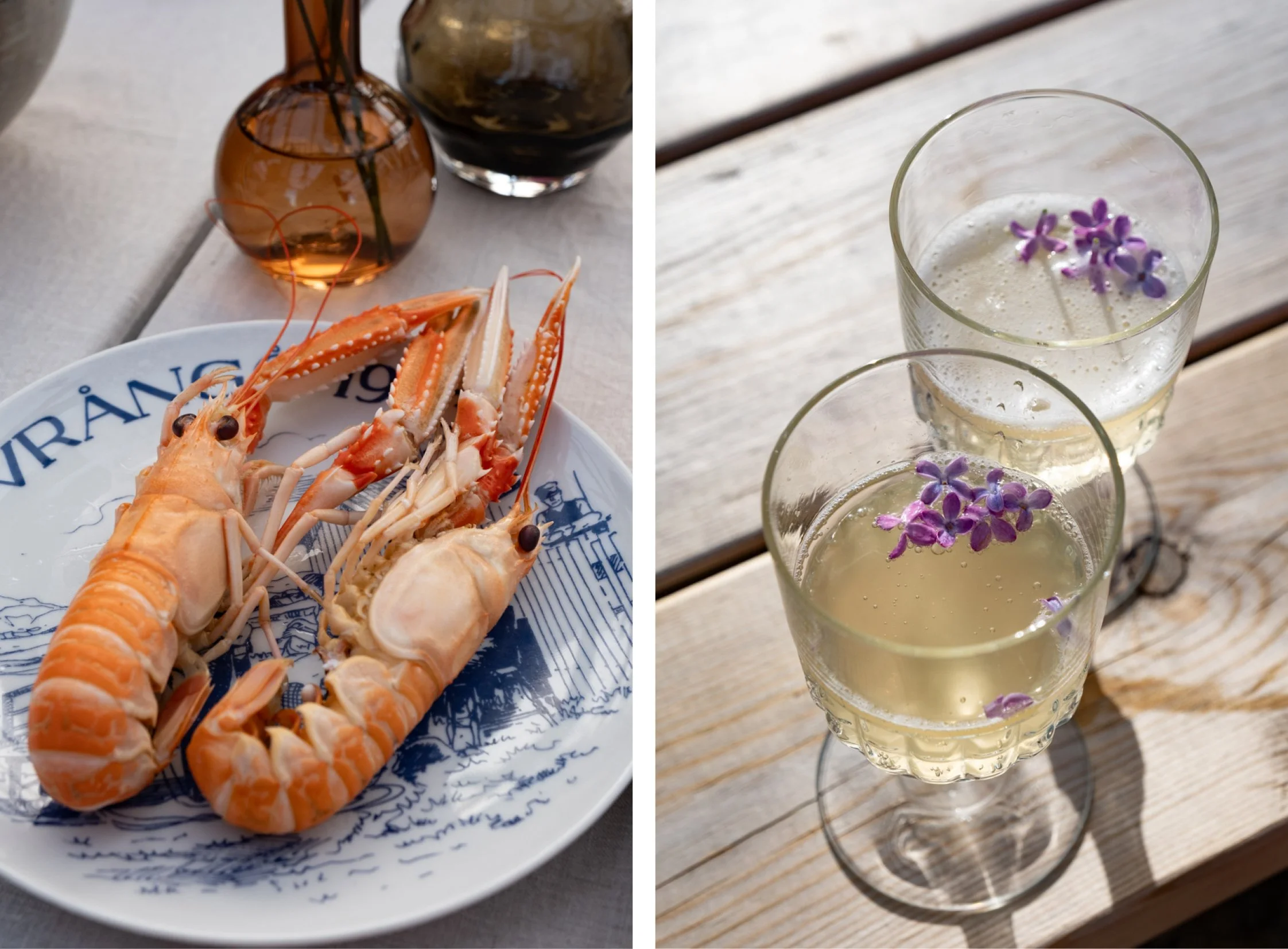
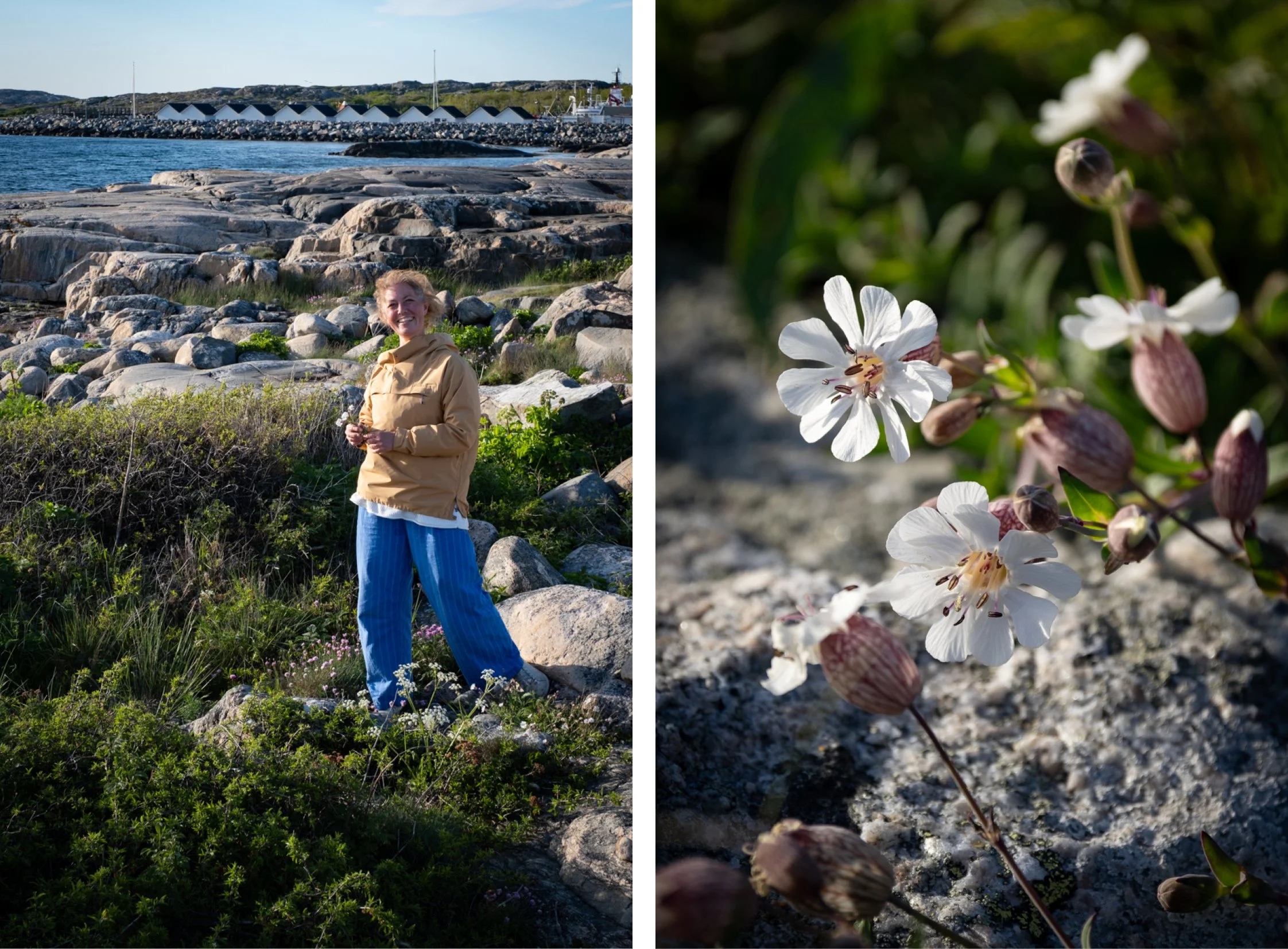
For the evening meal, Hårkan drops us off with his friend Karolina Martinson. She’s a plant and algae expert and an advocate of sustainable foraging along the islands’ coast. After introducing us to a range of pre-foraged seaweeds, she guides us through preparing a feast to share. 

Sweden16.jpg
SWEDEN–Vrango-Island-6548.jpg
Sweden2.jpg
SWEDEN–Vrango-Island-6315.jpg
Sweden18.jpg
Sweden19.jpg
Sweden10.jpg
Sweden20.jpg
Sweden15.jpg
Sweden3.jpg
SWEDEN–Vrango-Island-6546.jpg
Sweden5.jpg
Sweden21.jpg
Sweden6.jpg
Sweden12.jpg
Sweden17.jpg
Sweden6.jpg
Sweden11.jpg

TUNISIA Kairouan

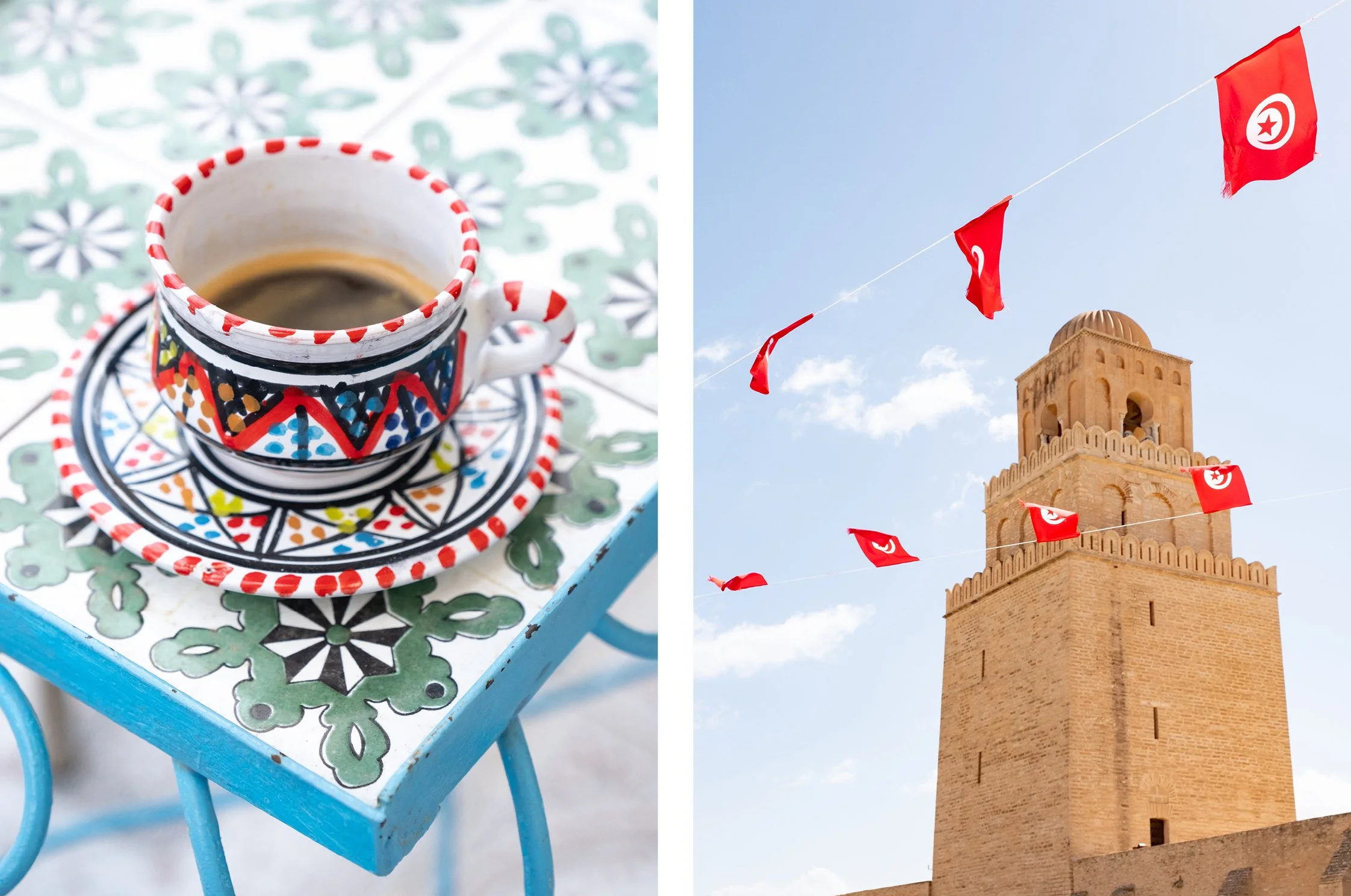
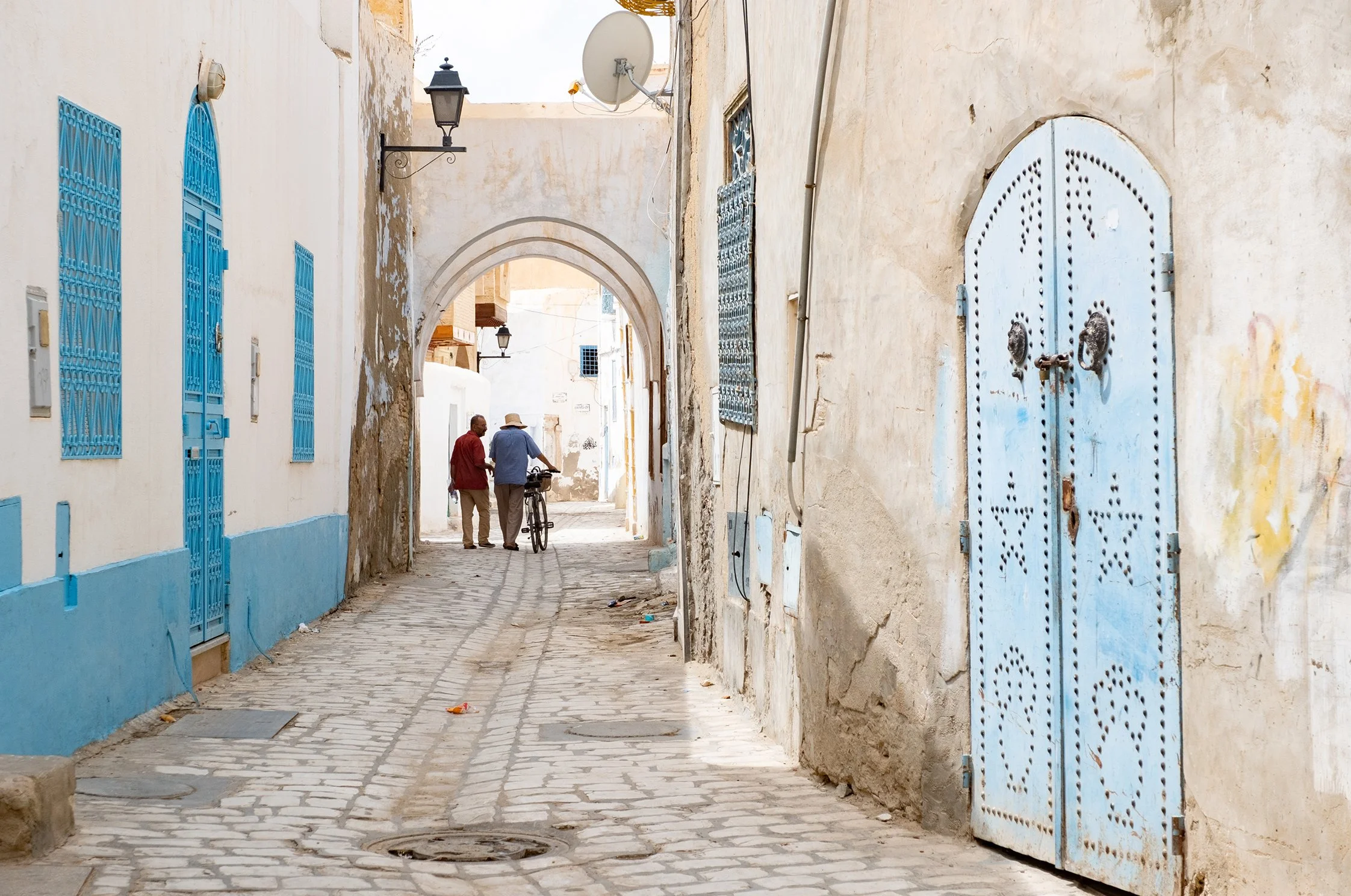
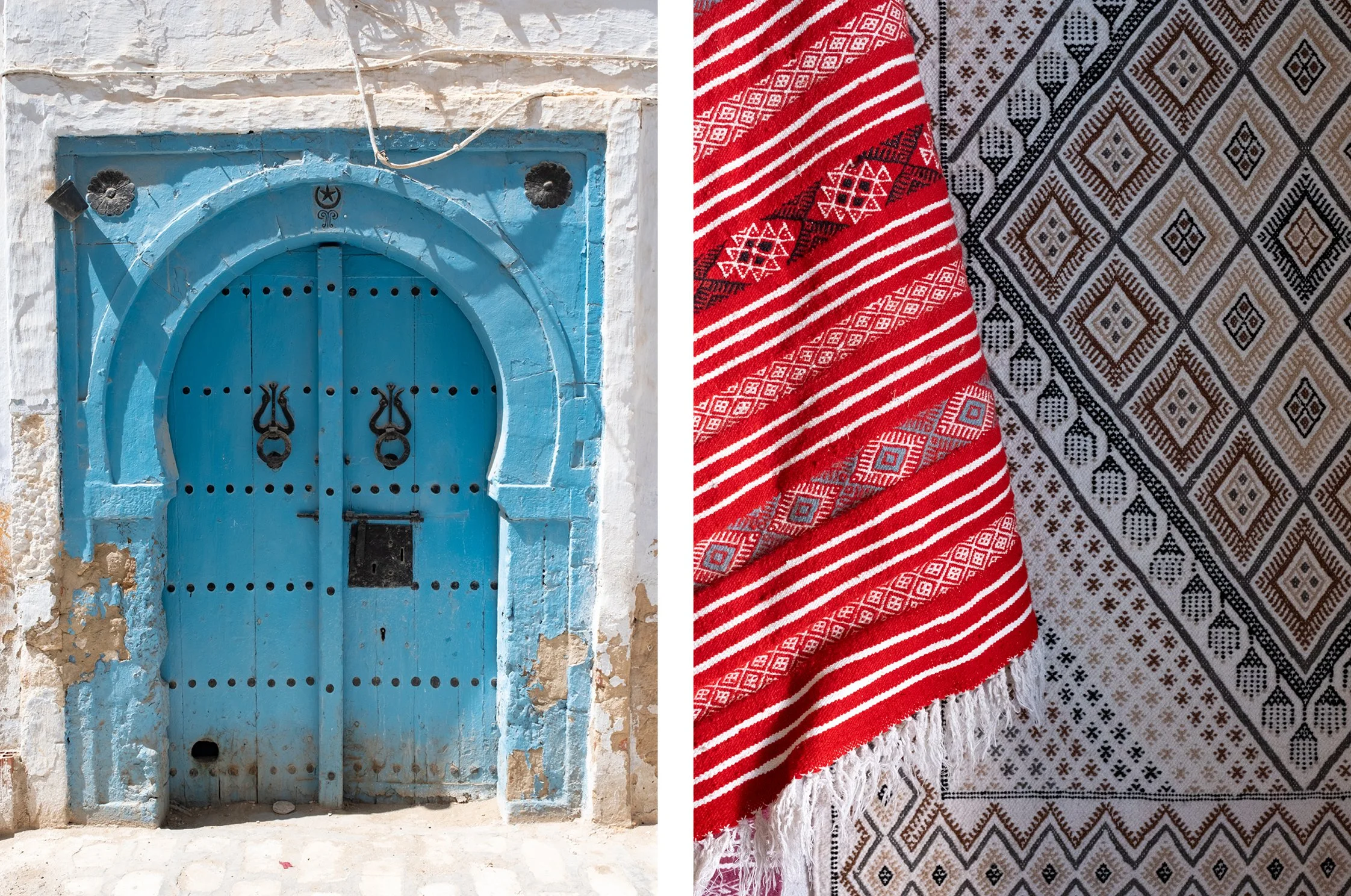
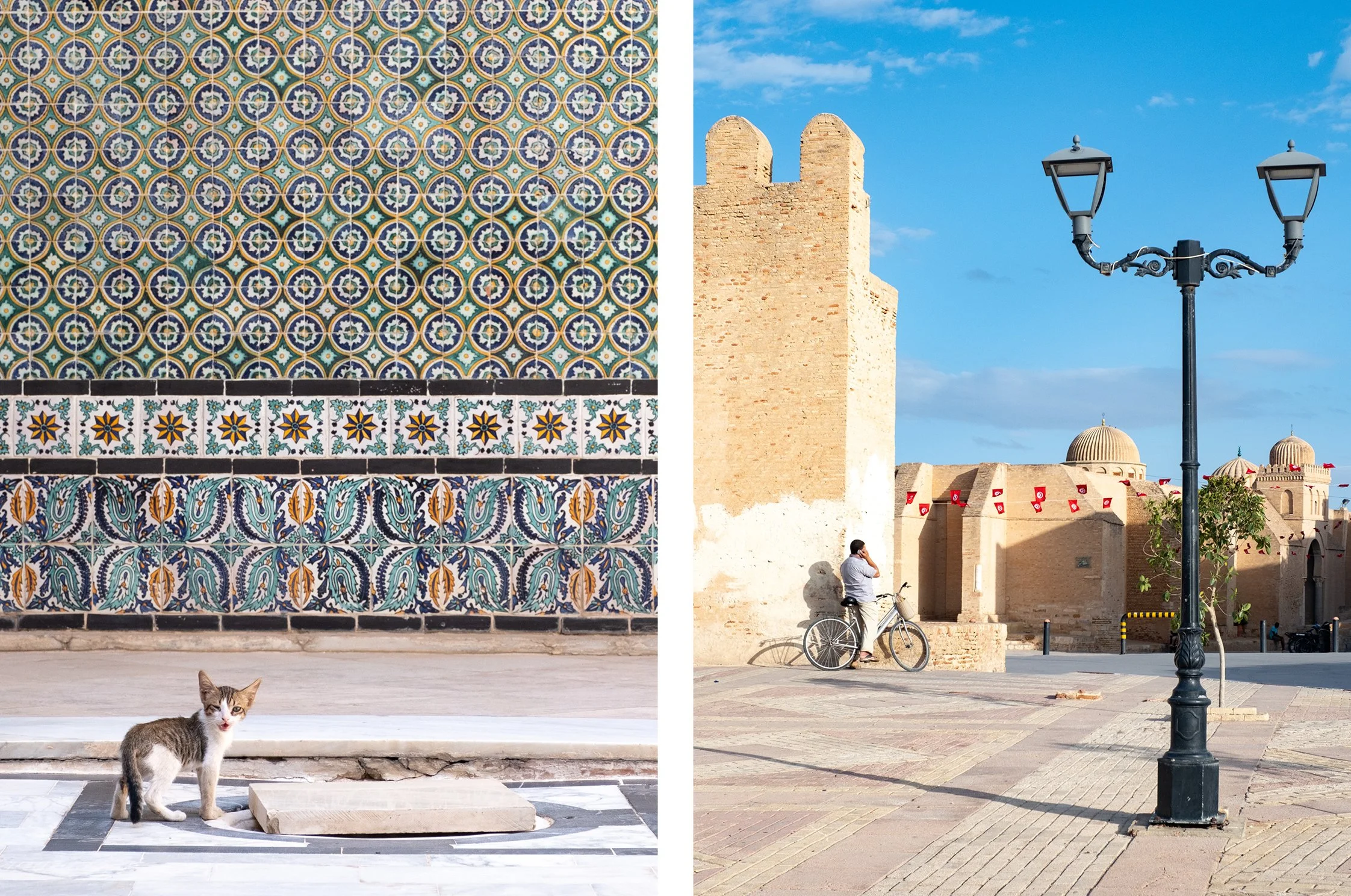
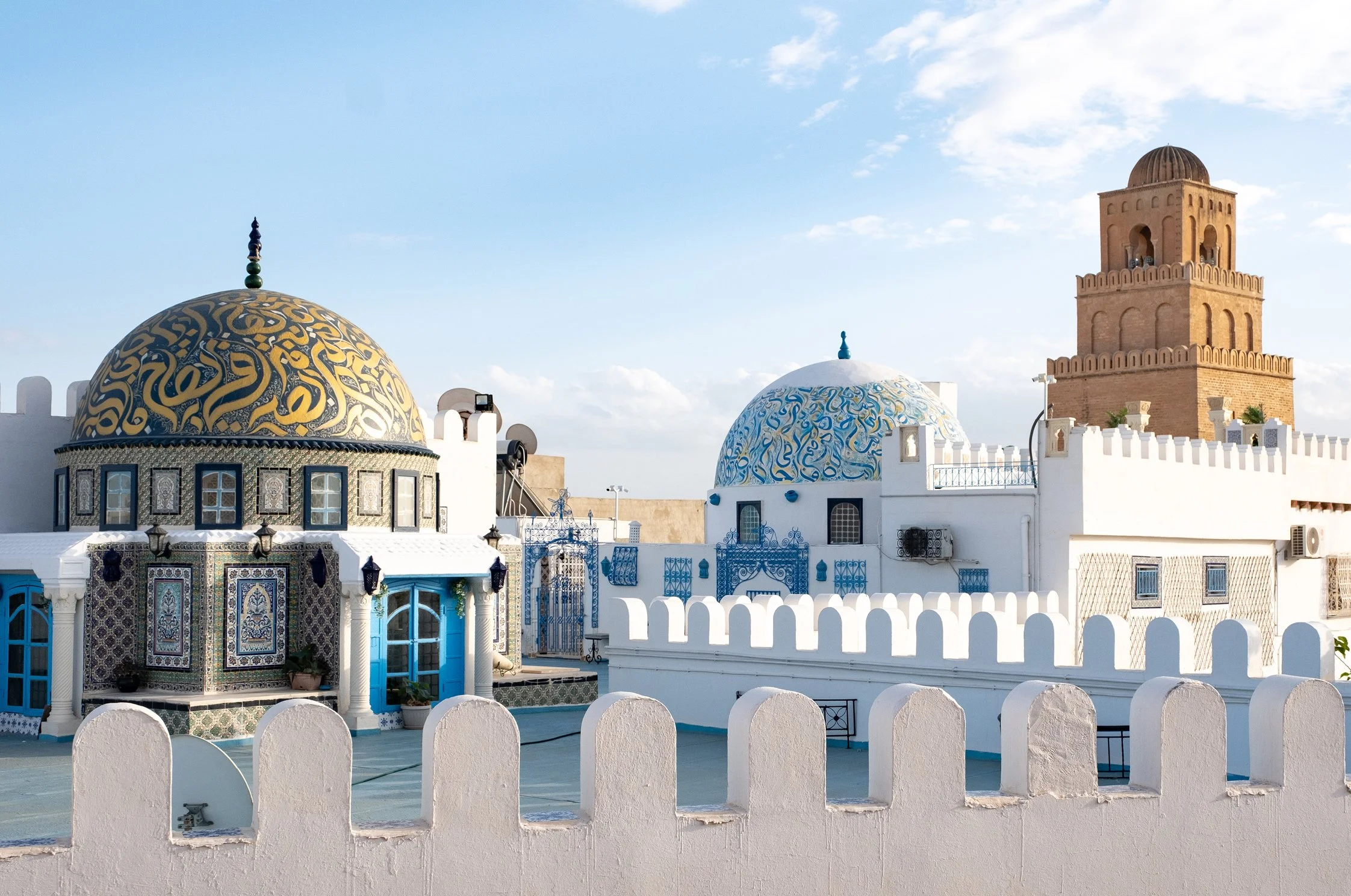
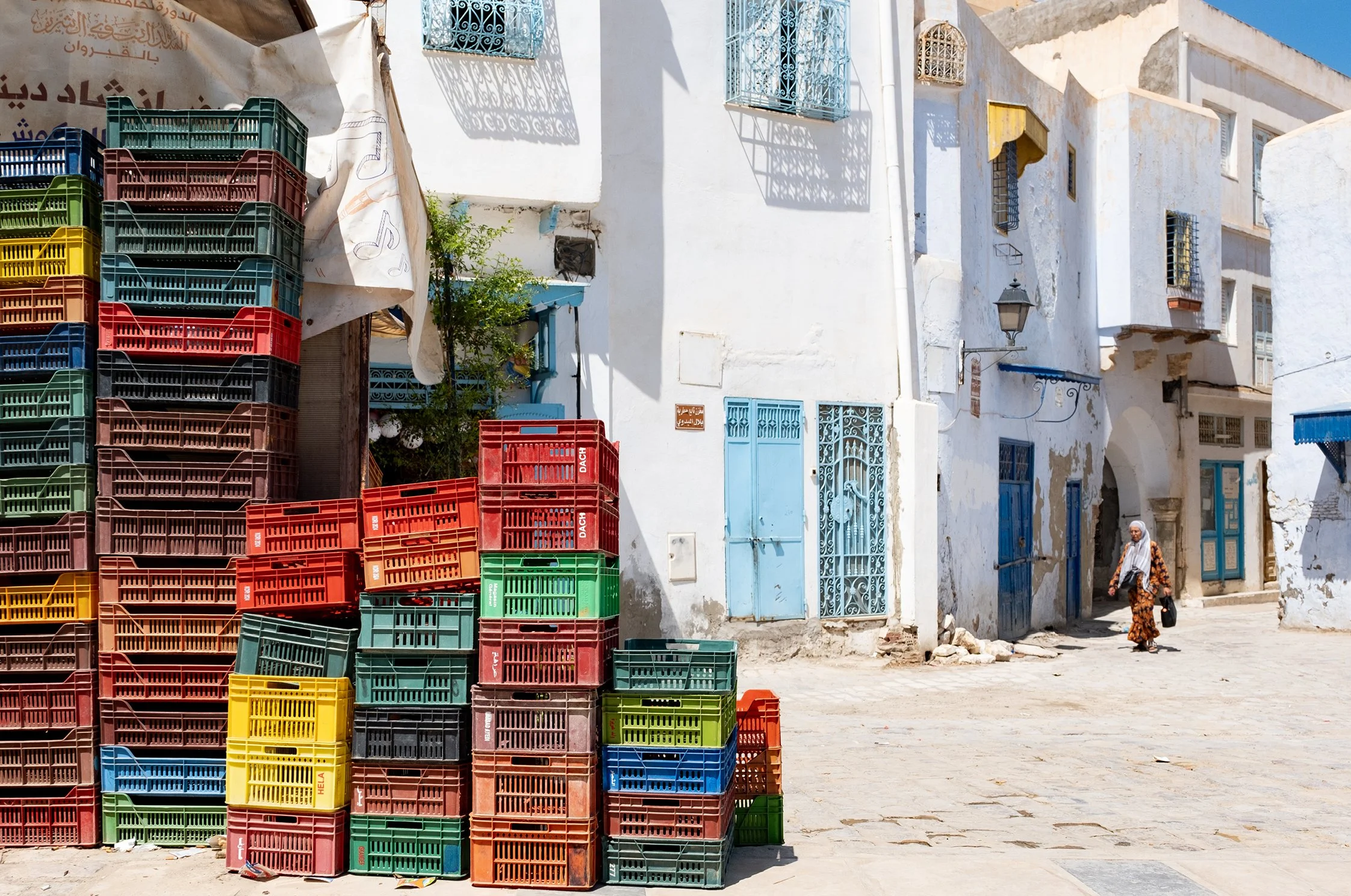
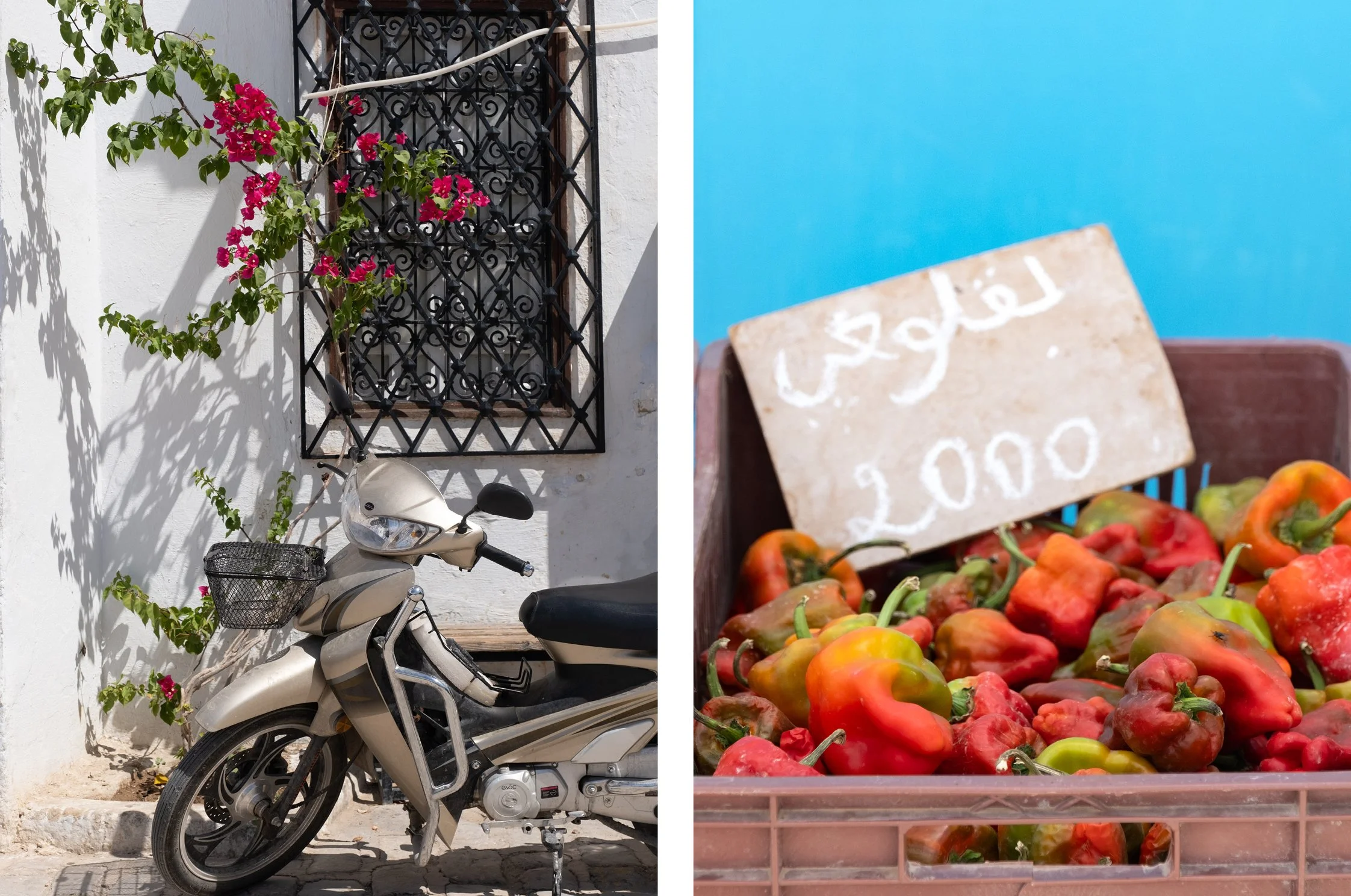
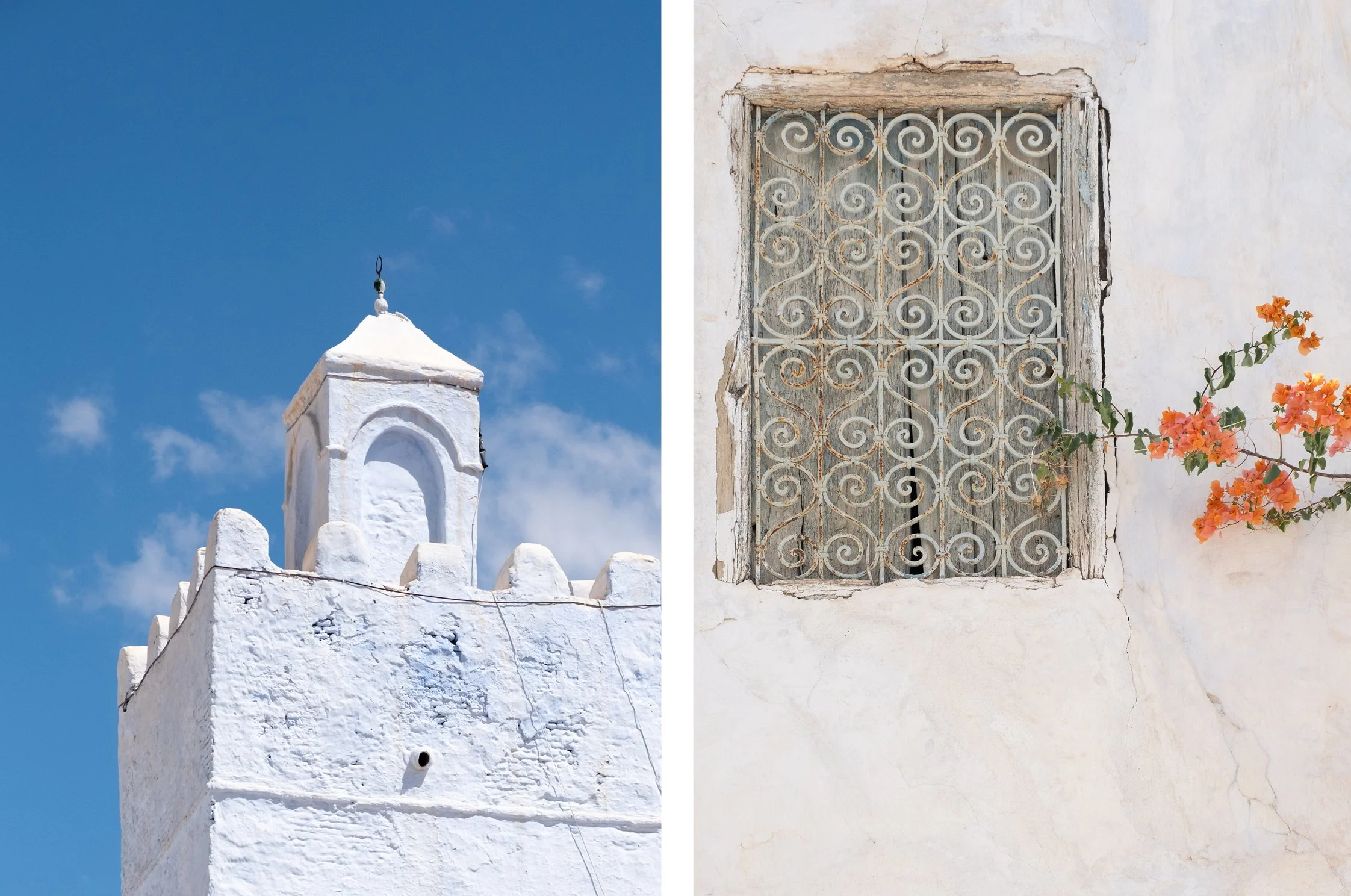
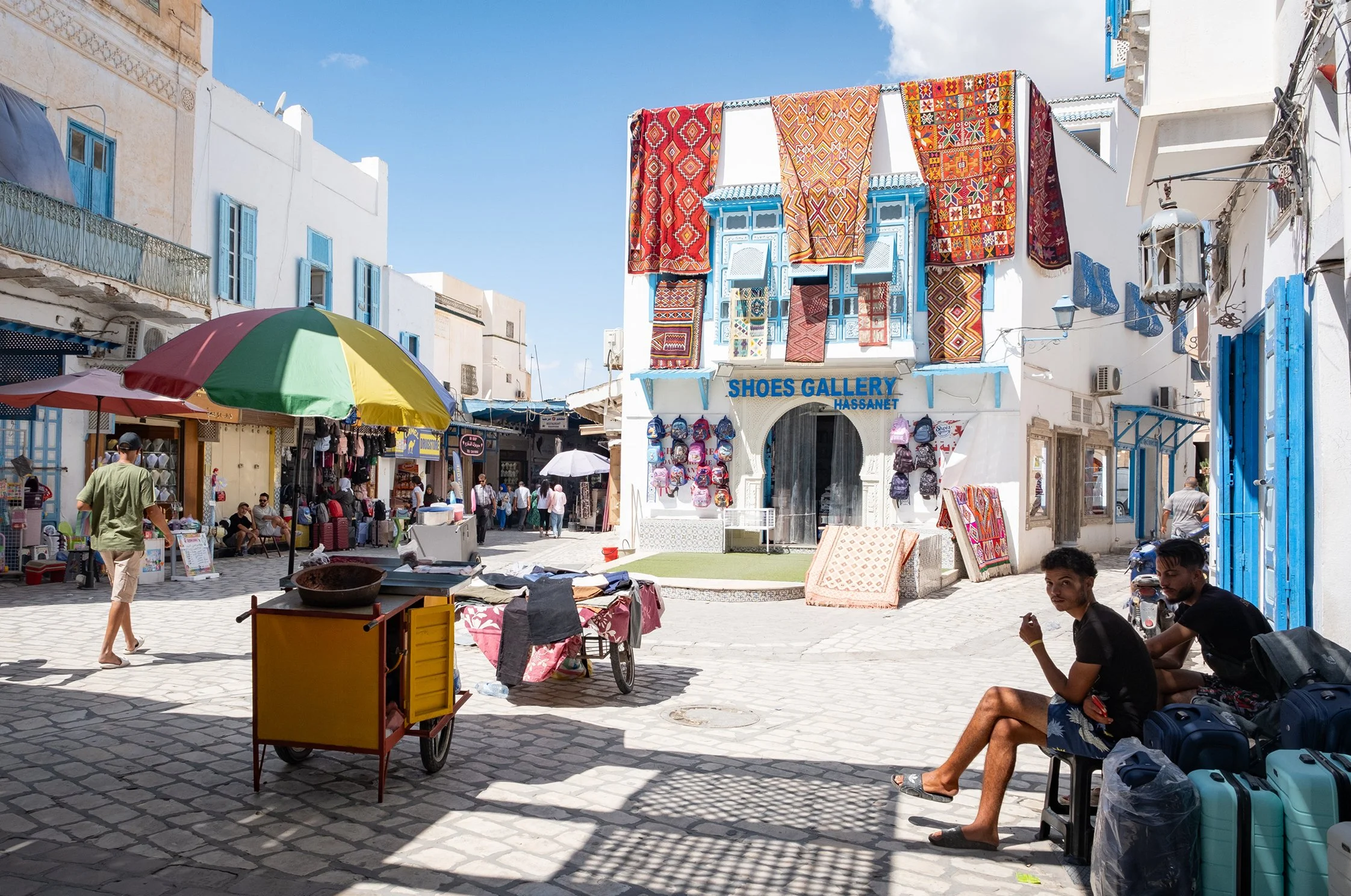
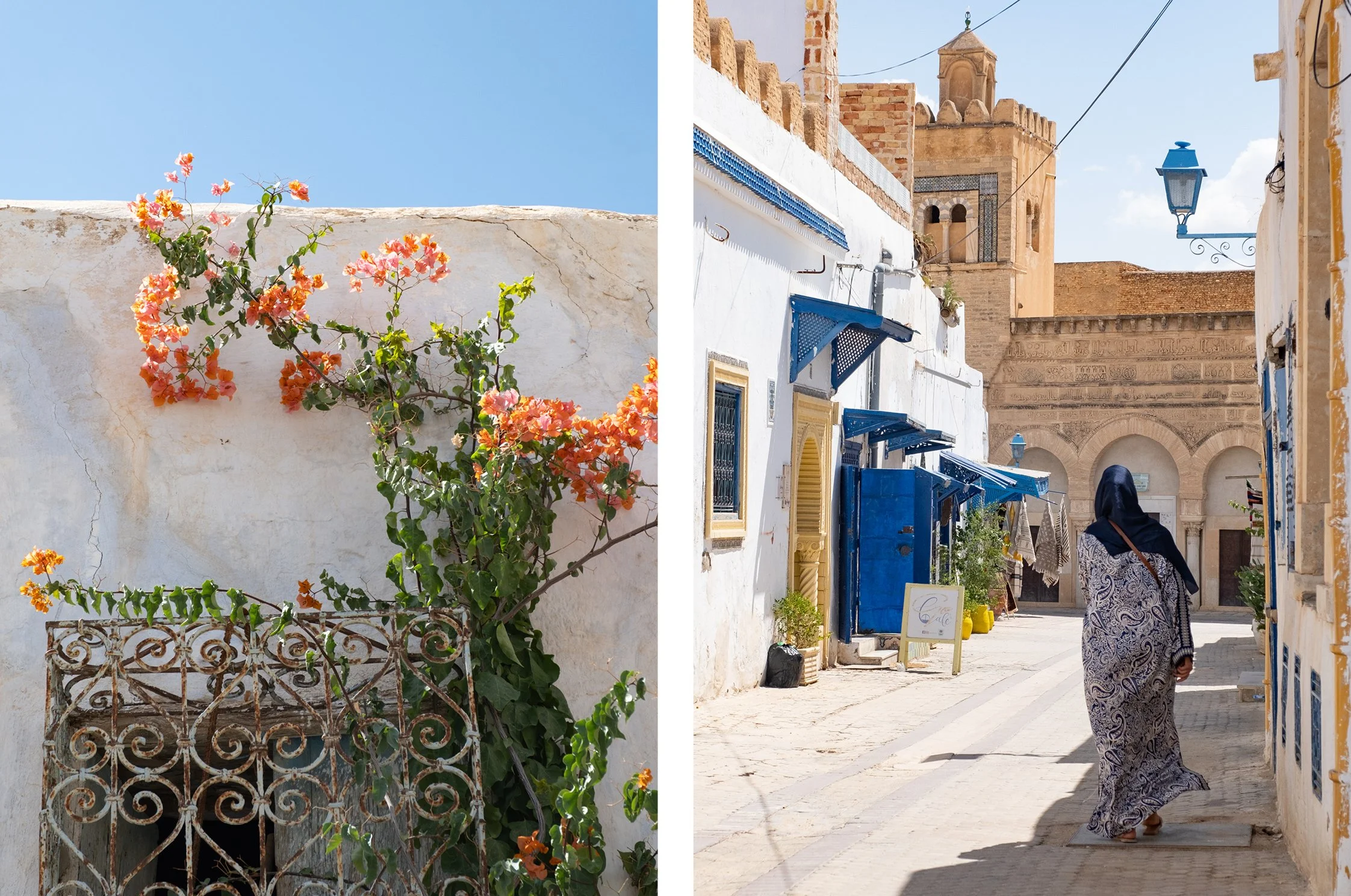
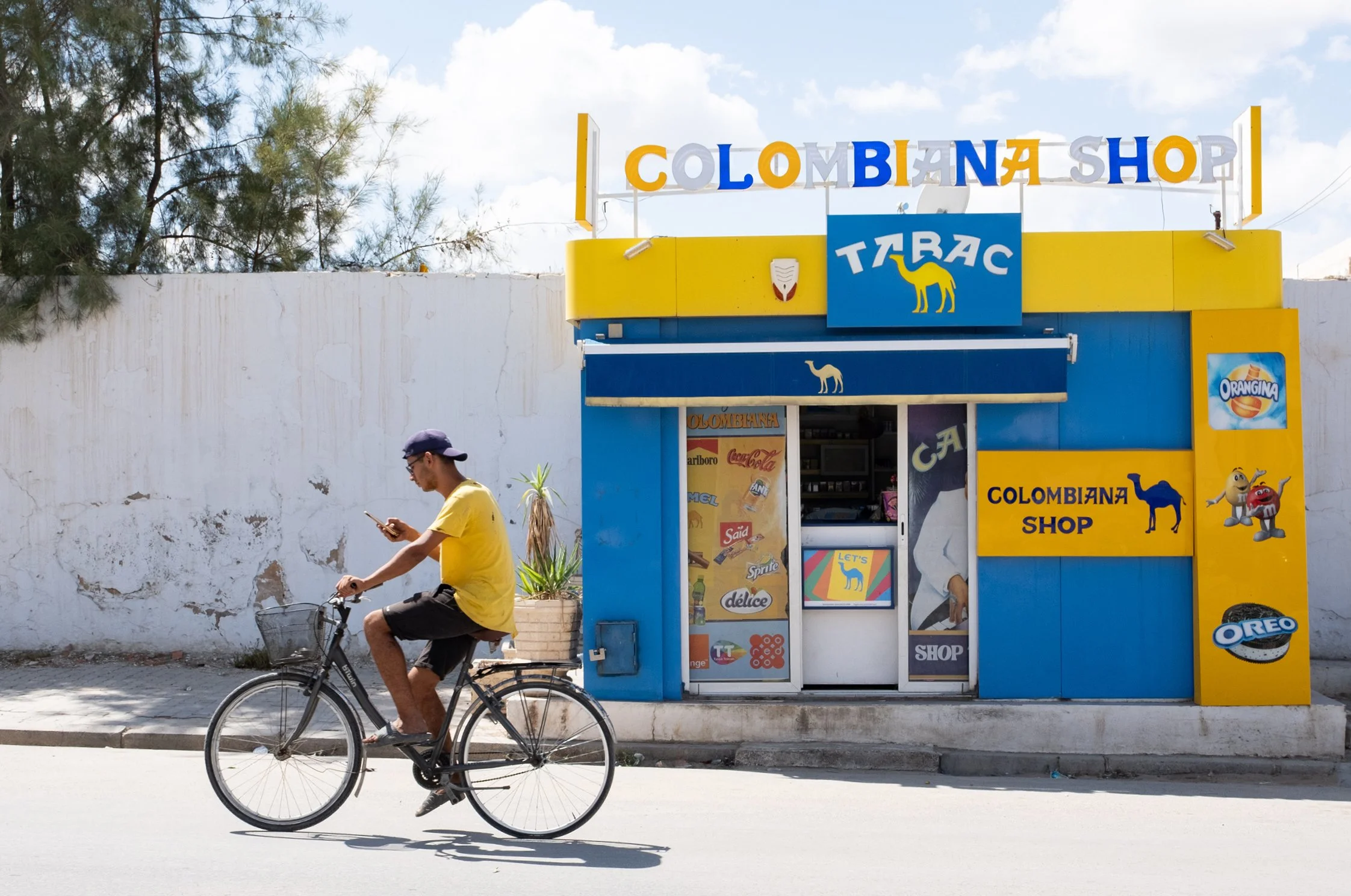
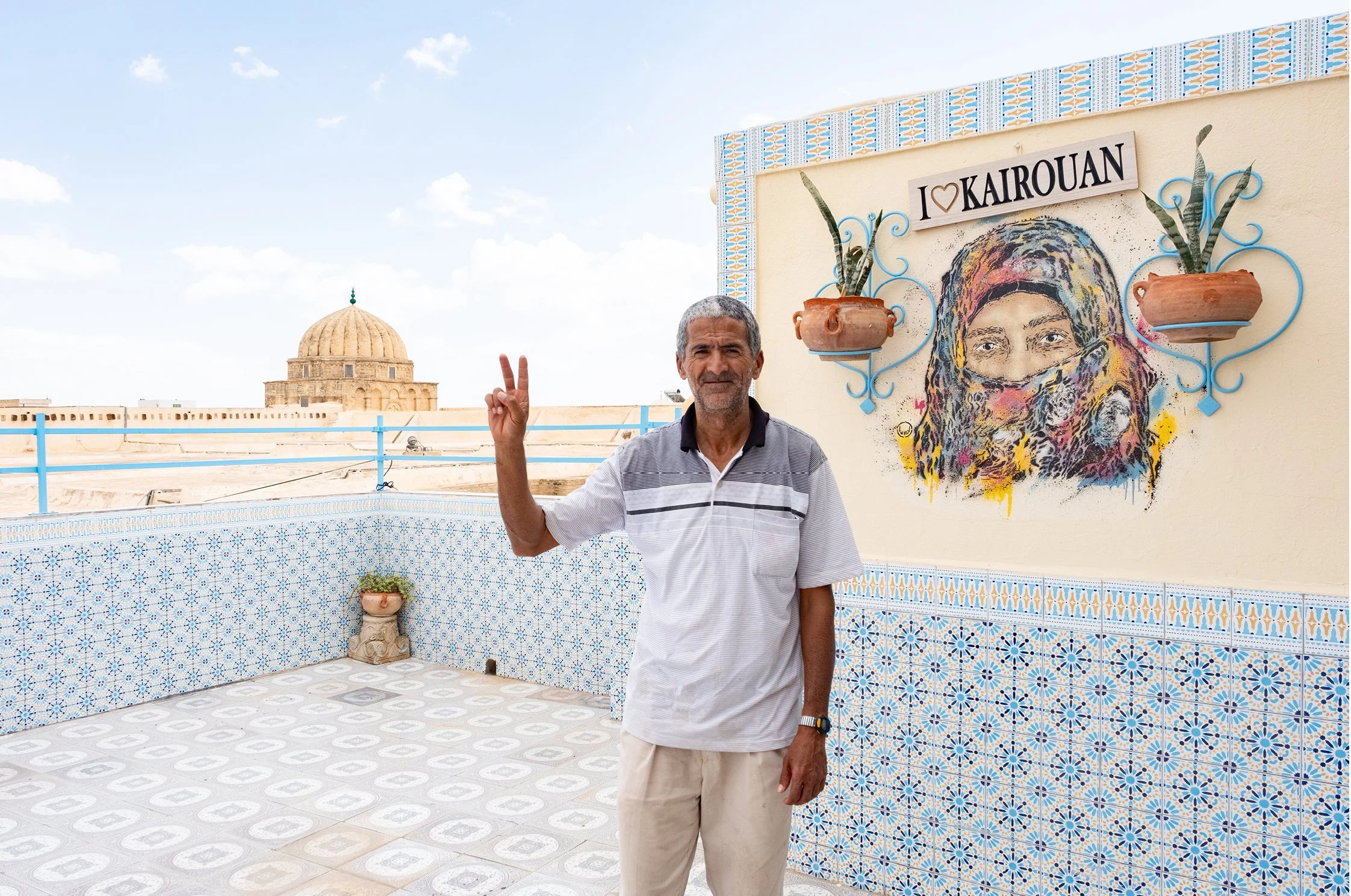
Kairouan, 100 or so miles south of the Tunisian capital Tunis, has three main claims to fame. It’s one of the most holy in Islam after Mecca, Medina and Jerusalem; it stood in for 1930s Cairo in Indiana Jones – Raiders of the Lost Ark; and it’s the carpet capital of Tunisia. 

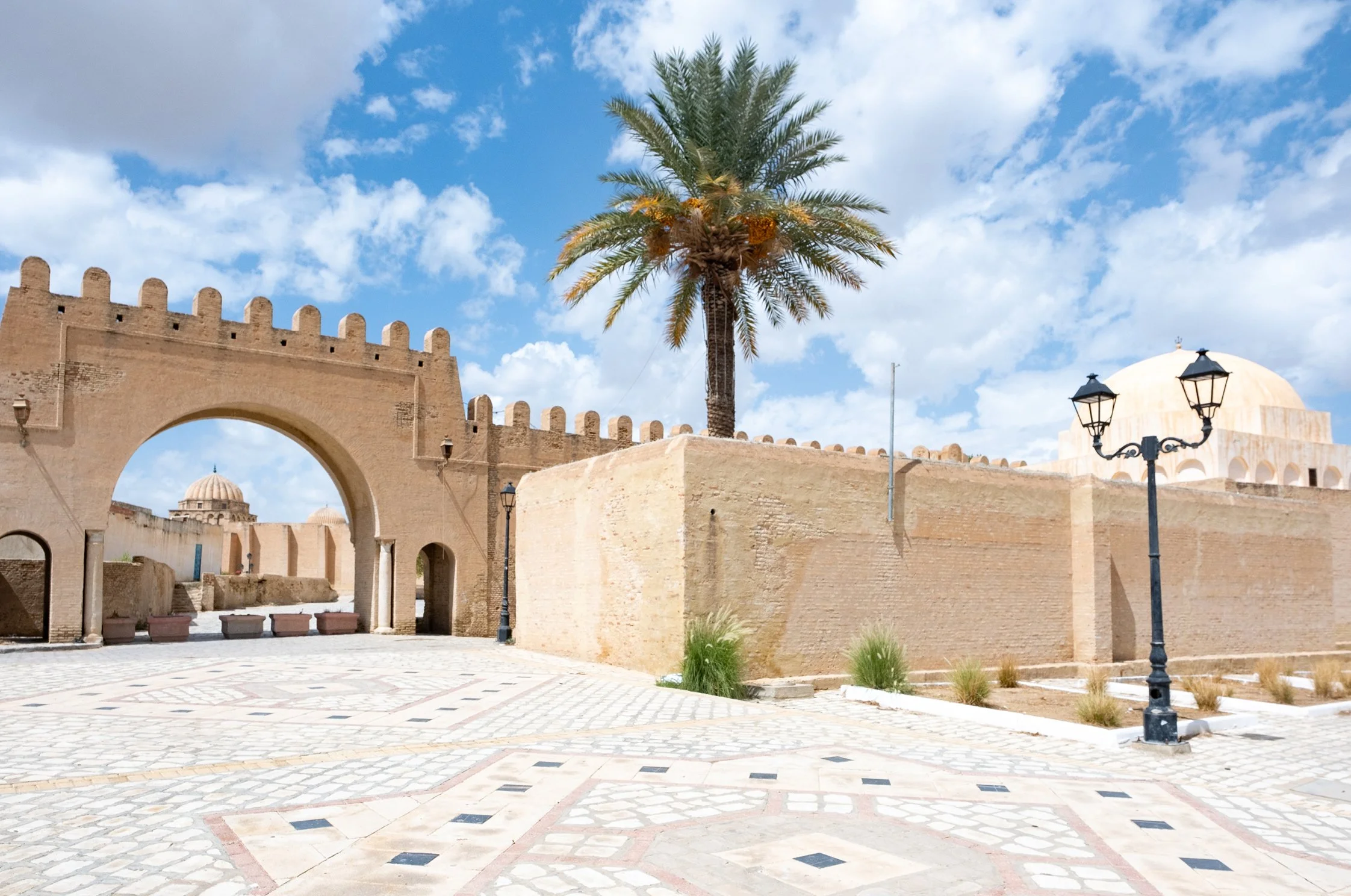
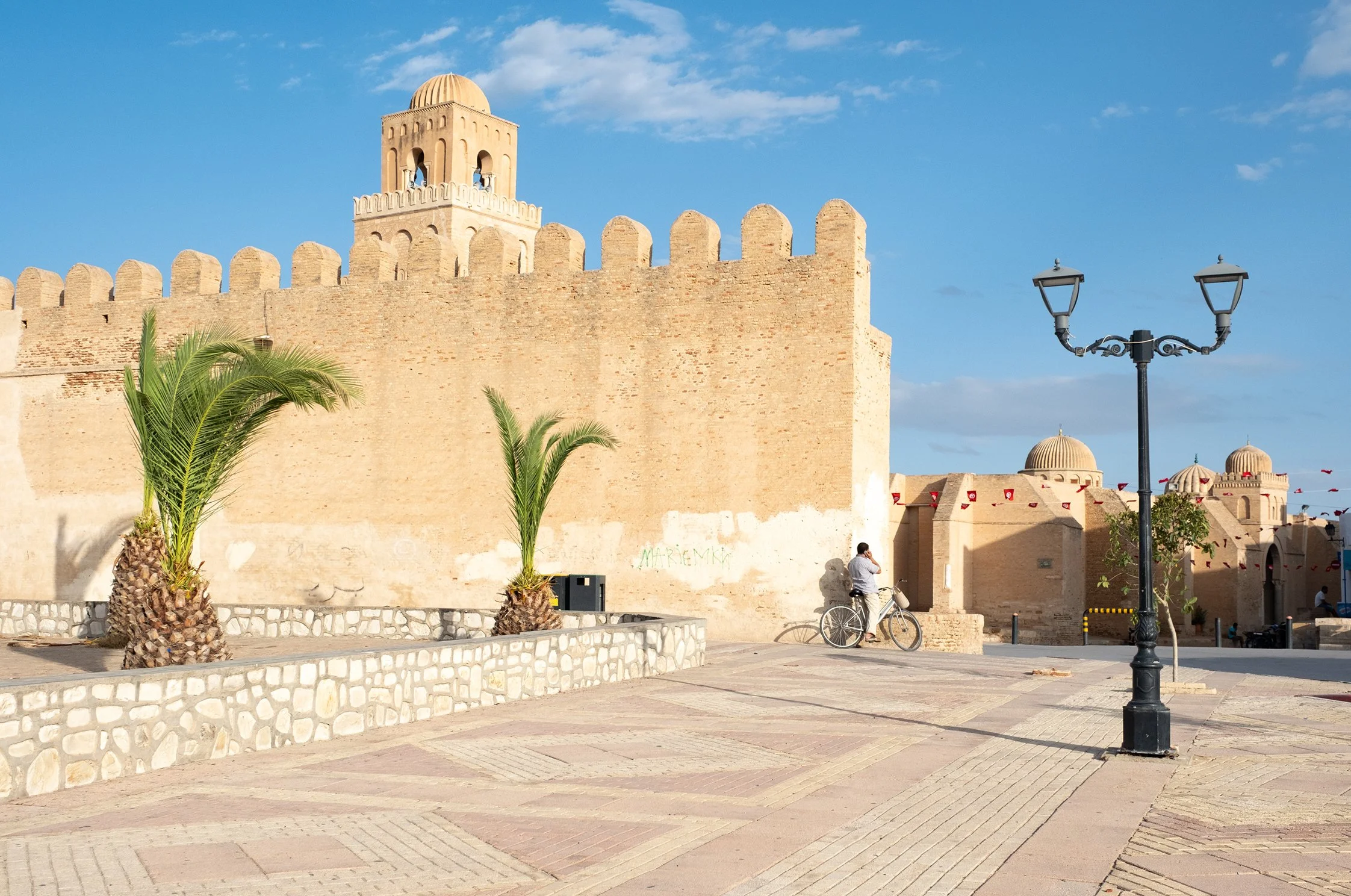
Loosely translated, Kairouan means 'military column' or 'caravan' in middle Persian, which hints at its historical significance as a staging post or stop-off for travellers. This weary traveller was only too happy to linger for a few days exploring this ancient, UNESCO protected, walled city.

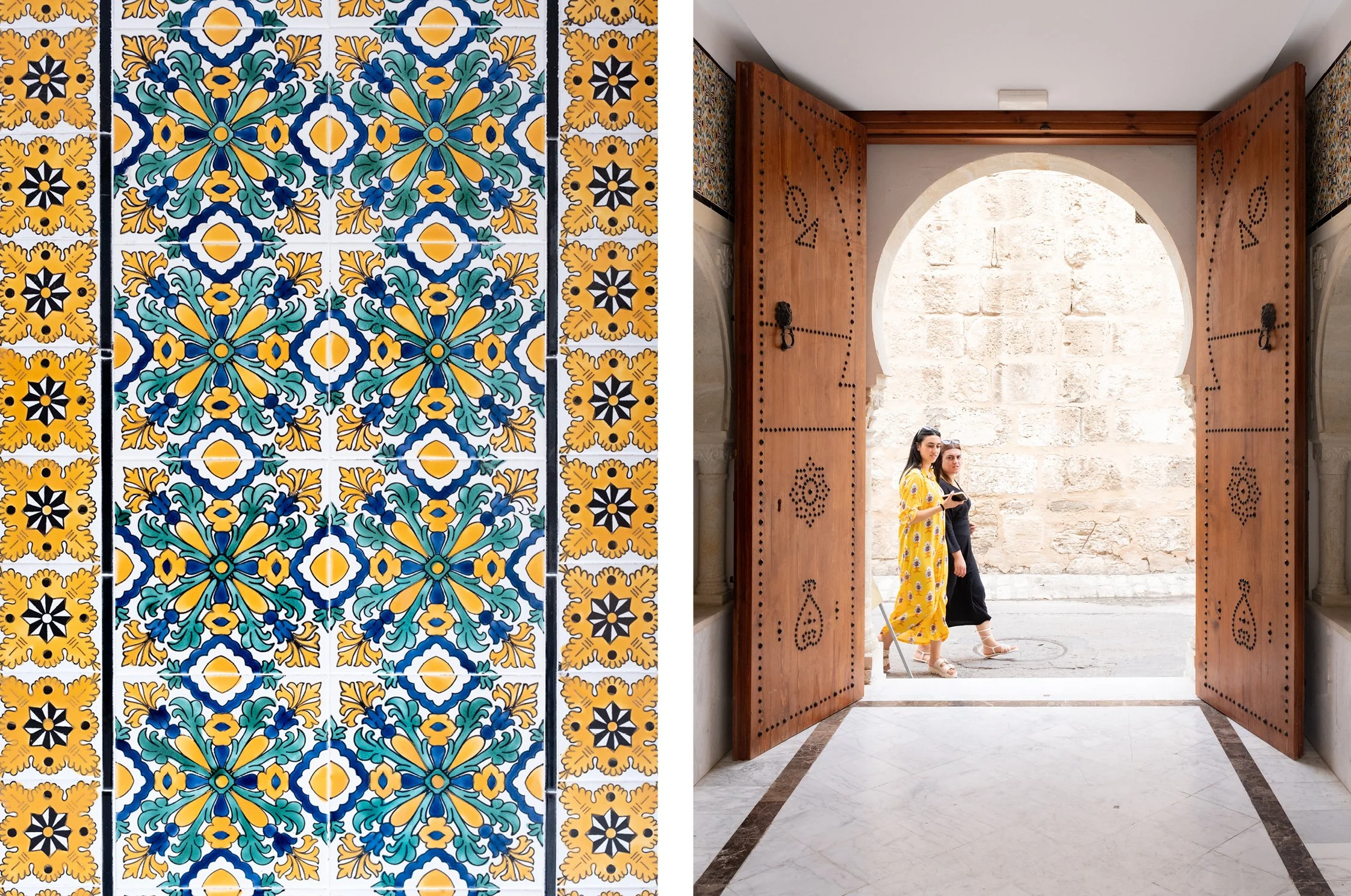
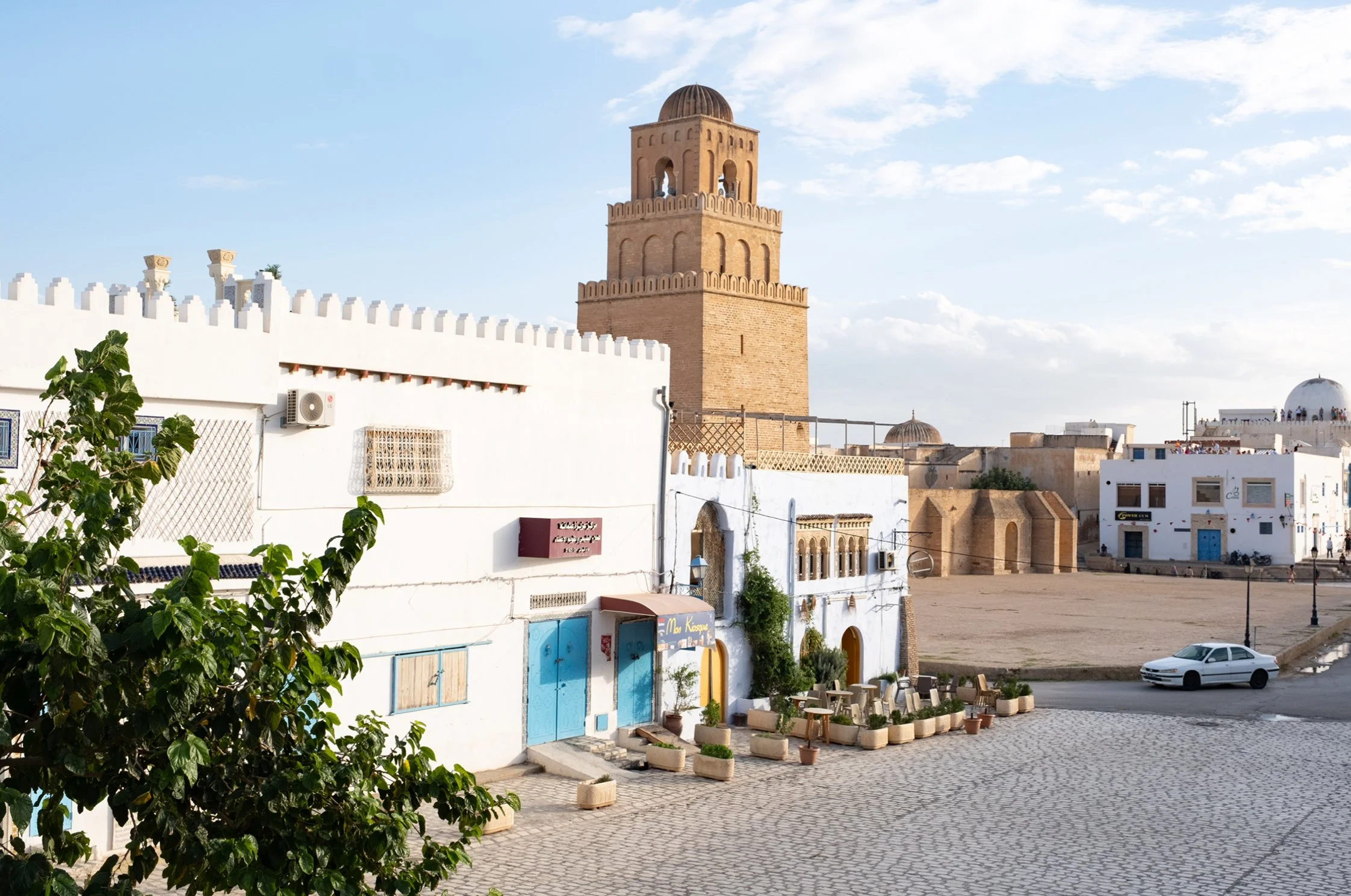
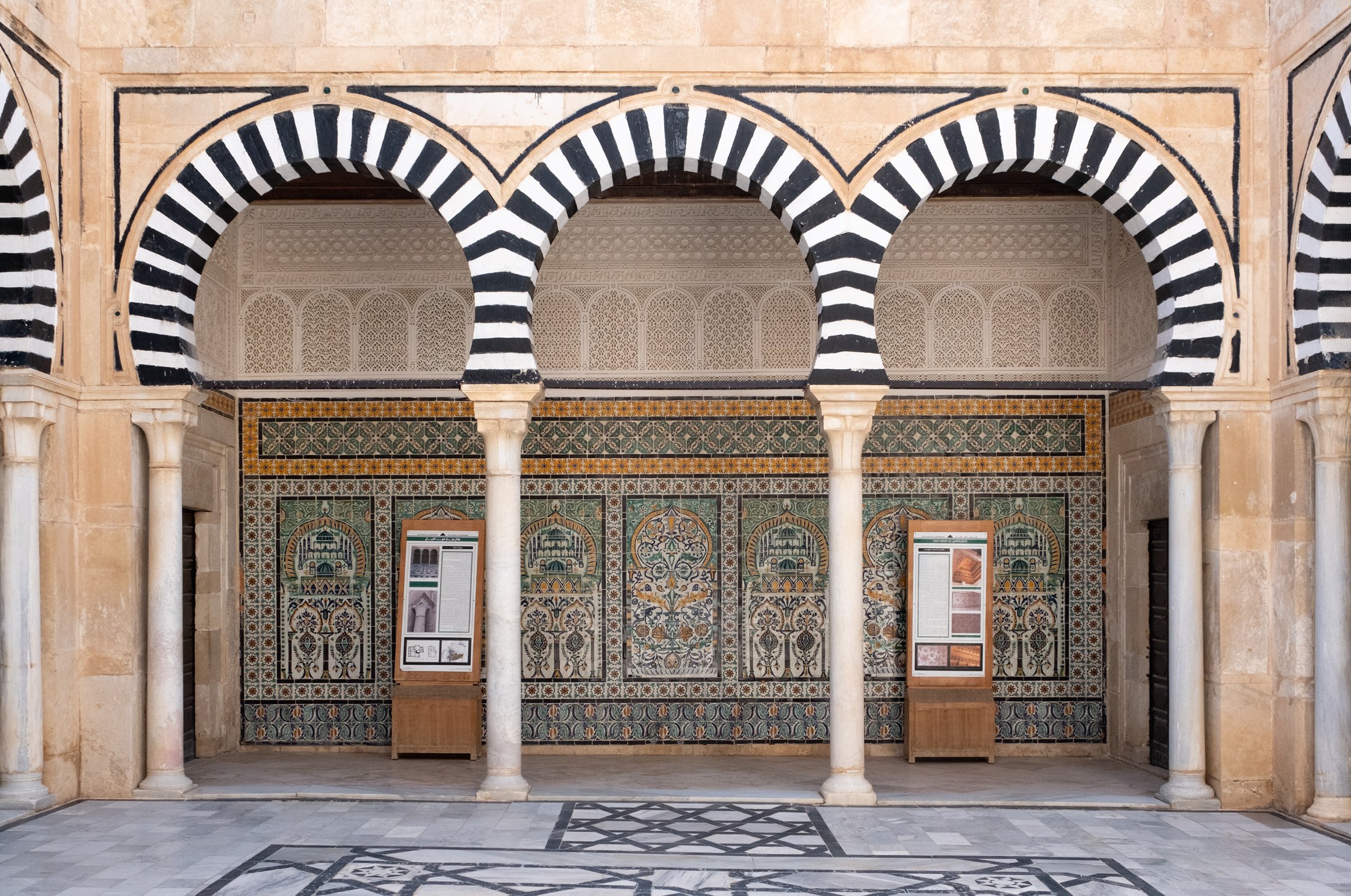
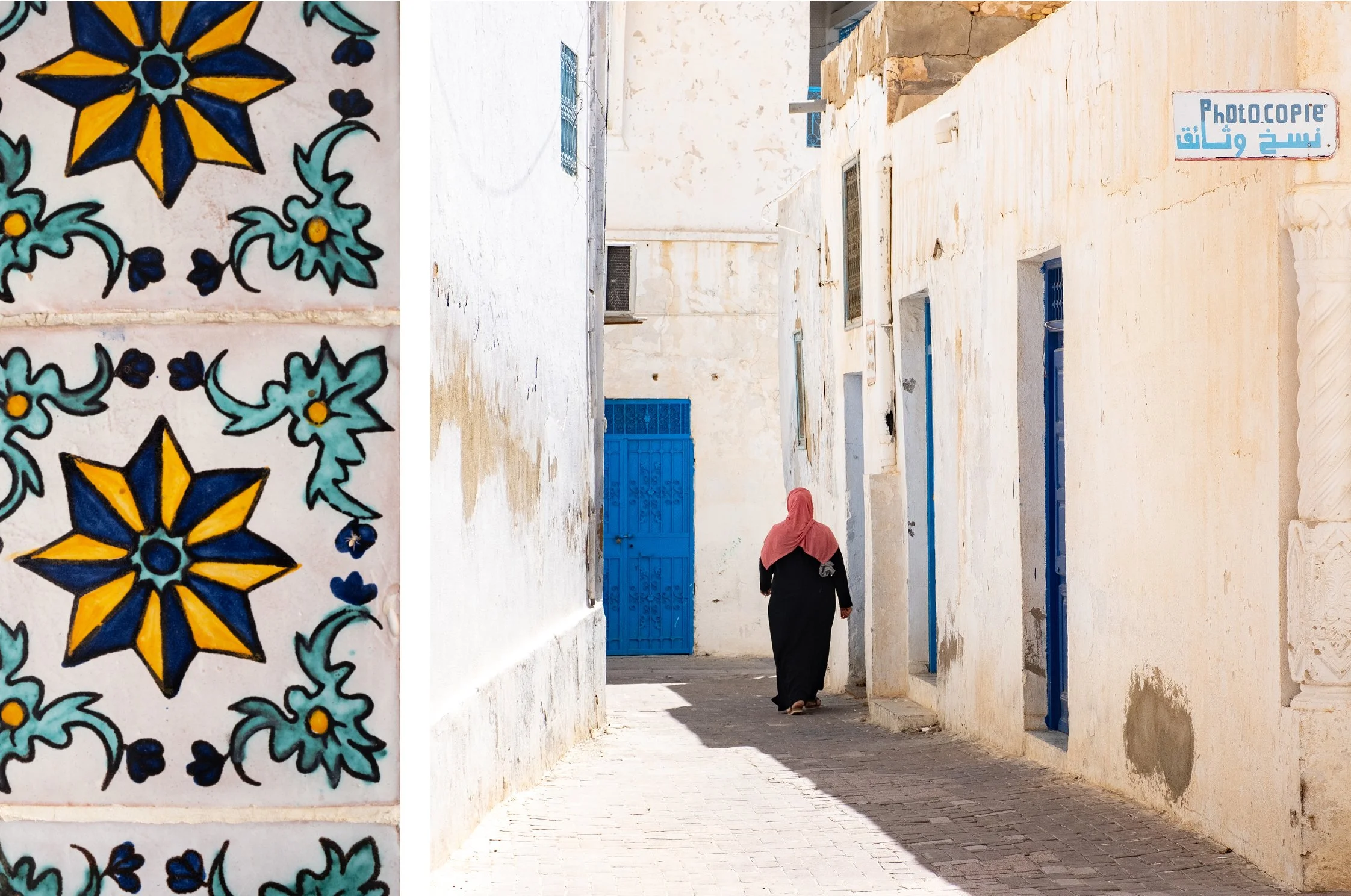
The mosque dominates one side of the walls and I loved the laid-back gentle flow of life through the colourful narrow streets surrounding it. I stopped in at the Zaouia of Sidi Abid el Ghariani Sahab, a 14-century Moorish style mausoleum with impressive tile designs, and cool respite from the heat. The Aghlabid Basins are worth a quick stop, too: 9th-century cisterns lauded for their sophisticated engineering.

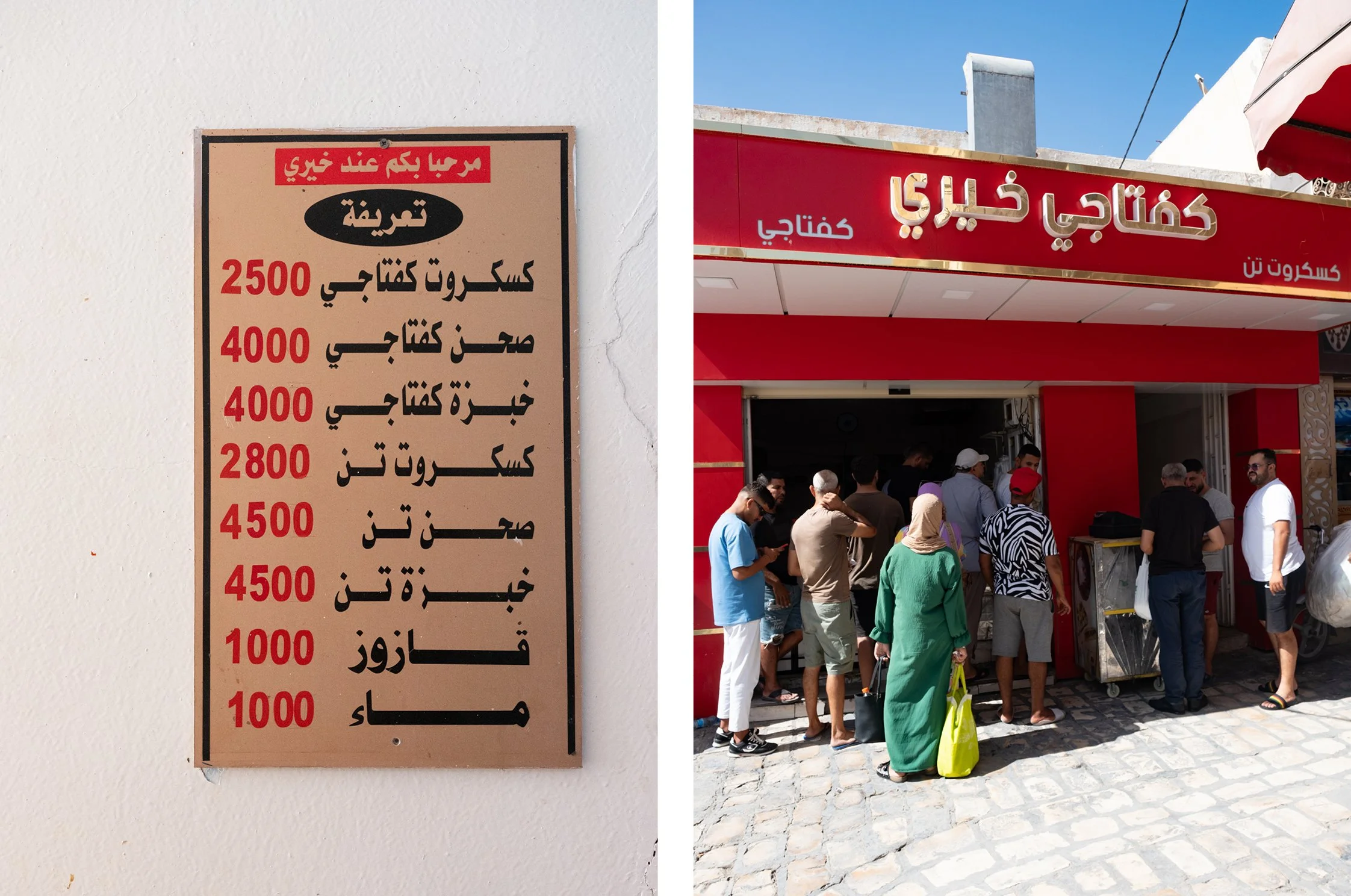
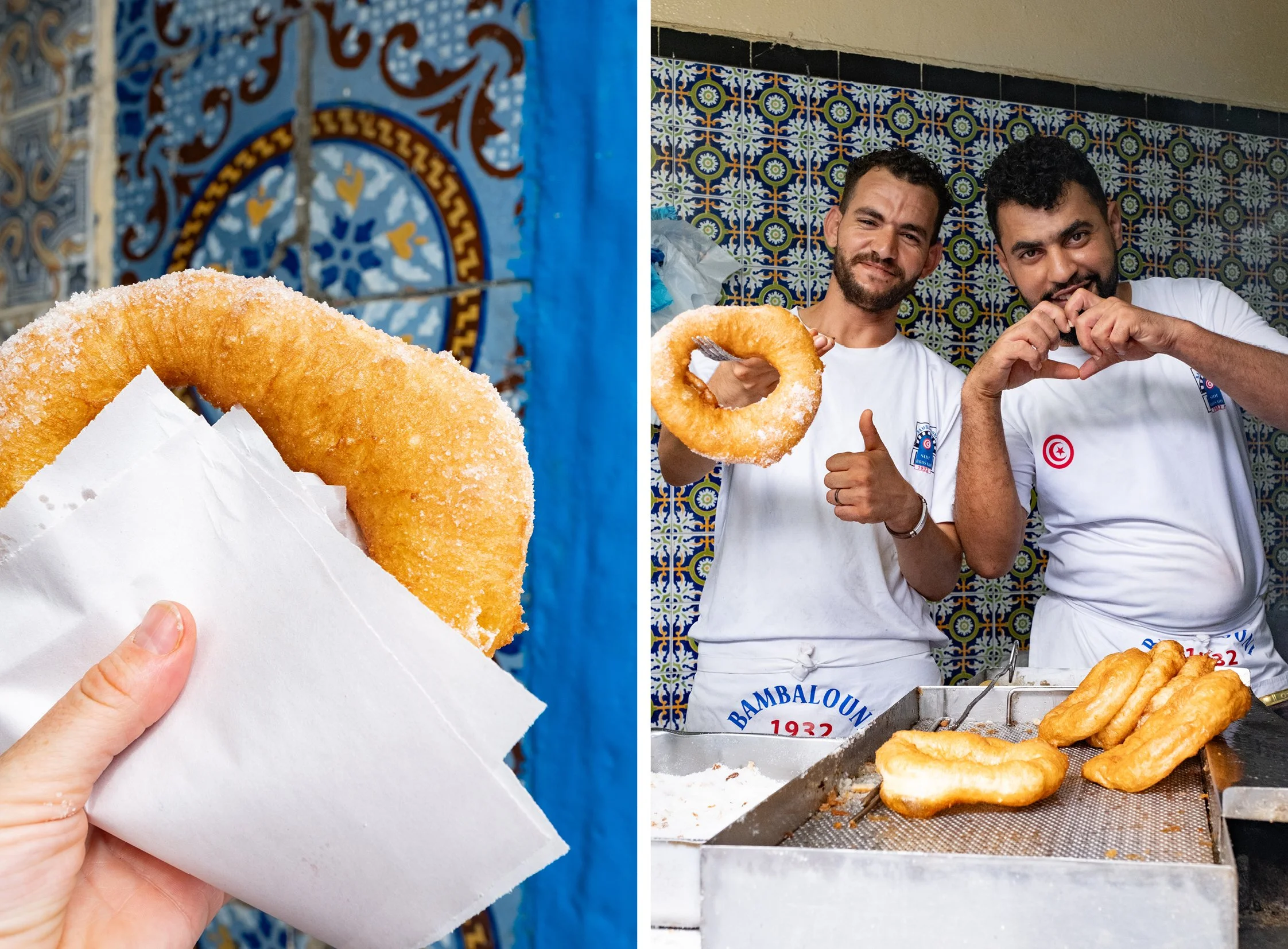
According to my guidebook (the Bradt guide by Oscar Scafidi) Kafteji Khari in the main Medina is a lunchtime institution. There’s only Arabic script on exterior but googlemaps said I was in the right place so I took a table in the busy canteen and was promptly served. Kafteji is essentially a sandwich filled with a spicy mix of fried onions, pumpkin, tomatoes, pepper, garlic and onions, and highly worth seeking out.

Another popular Tunisian dish you must try is Ojja, a spicy red sauce with peppers, salt and pepper. At El Brija set high up on the ramparts of the walled city, they served me one with merguez sausage. And accompanied by another brik, of course.

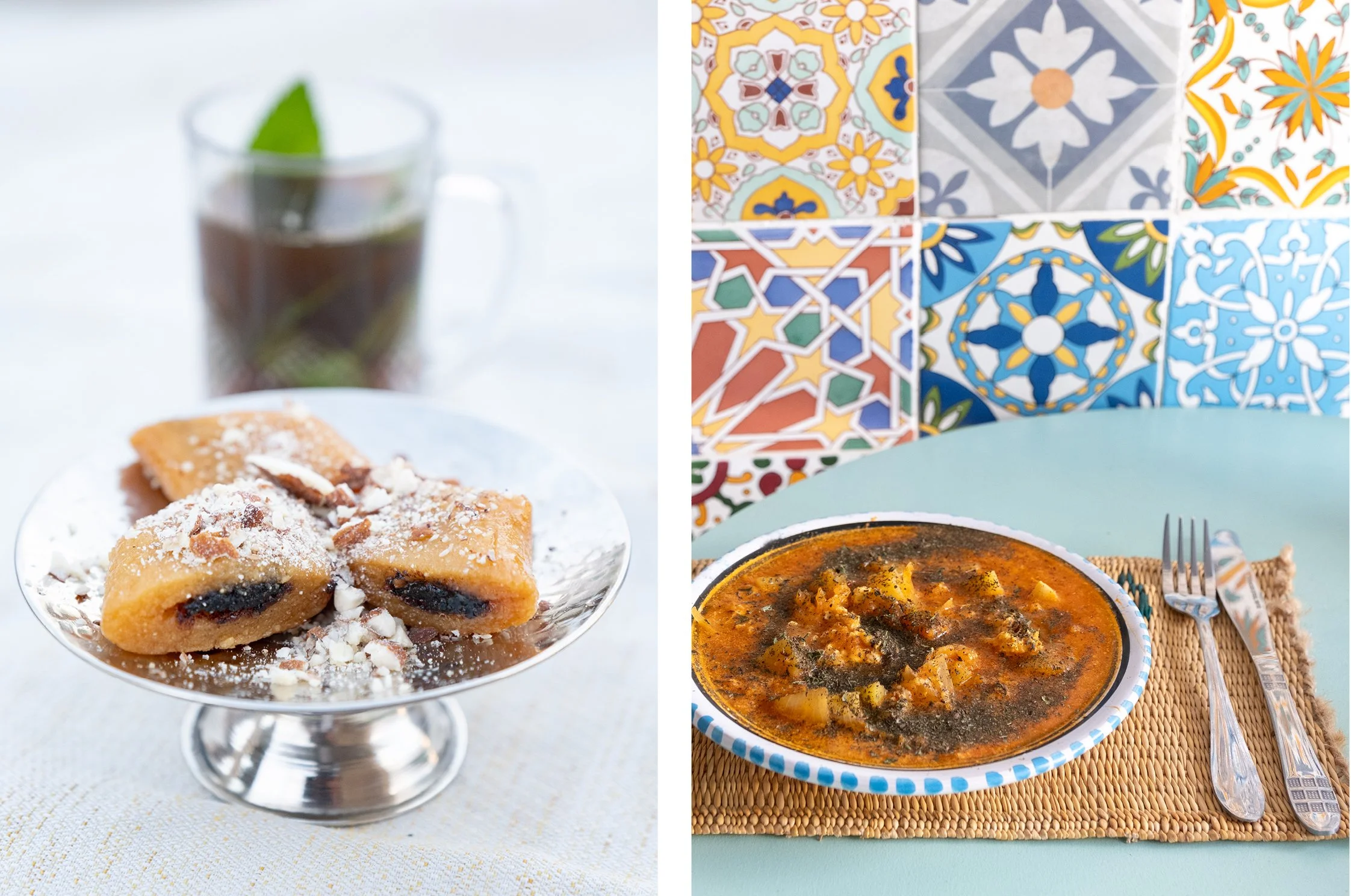
Before my return to Tunis, I had one last wander through the walled city’s streets and stumbled on Go Café. Lured in by the colourful tiles and Tunisian breakfast menu, I whiled away an hour or so, feasting on Tunisian-style Chakchuka; unlike other middle-eastern shakshukas I’ve sampled, the eggs are stirred into a spiced tomato, potato and onion sauce and topped in a mint sauce. 

Tunisia-Kairouan4.jpg
Tunisia-Kairouan2.jpg
Tunisia-Kairouan8.jpg
Tunisia-Kairouan2.jpg
Tunisia-Kairouan10.jpg
Tunisia-Kairouan7.jpg
Tunisia-Kairouan4.jpg
Tunisia-Kairouan7.jpg
Tunisia-Kairouan13.jpg
Tunisia-Kairouan10.jpg
Tunisia-Kairouan12.jpg
Tunisia-Kairouan24.jpg
Tunisia-Kairouan14.jpg
Tunisia-Kairouan13.jpg
Tunisia-Kairouan18.jpg
Tunisia-Kairouan17.jpg
Tunisia-Kairouan15.jpg
Tunisia-Kairouan19.jpg
Tunisia-Kairouan21.jpg
Tunisia-Kairouan23.jpg
Tunisia-Kairouan19.jpg
Tunisia-Kairouan24.jpg

TUNISIA Sidi Bou Saïd

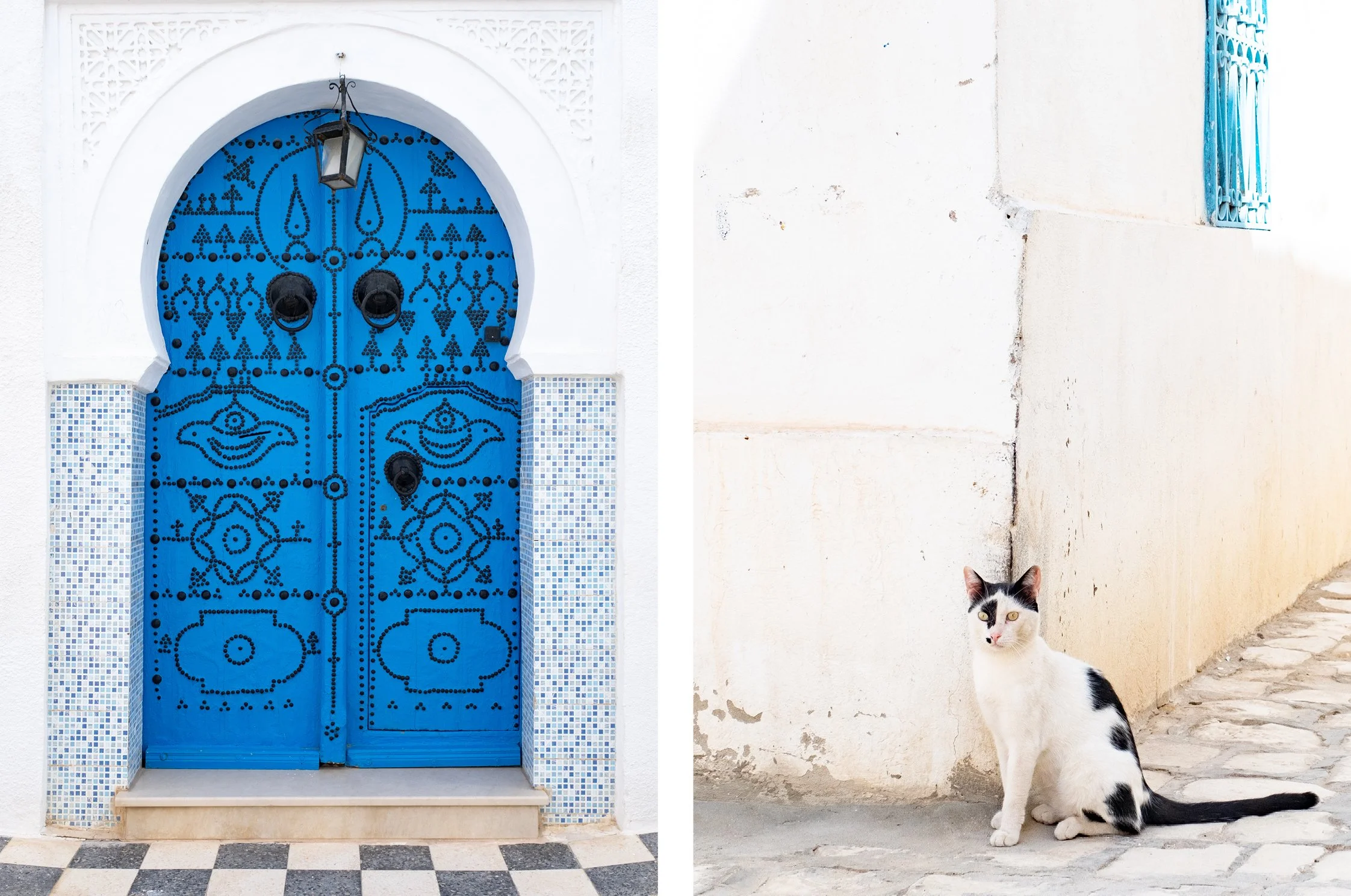
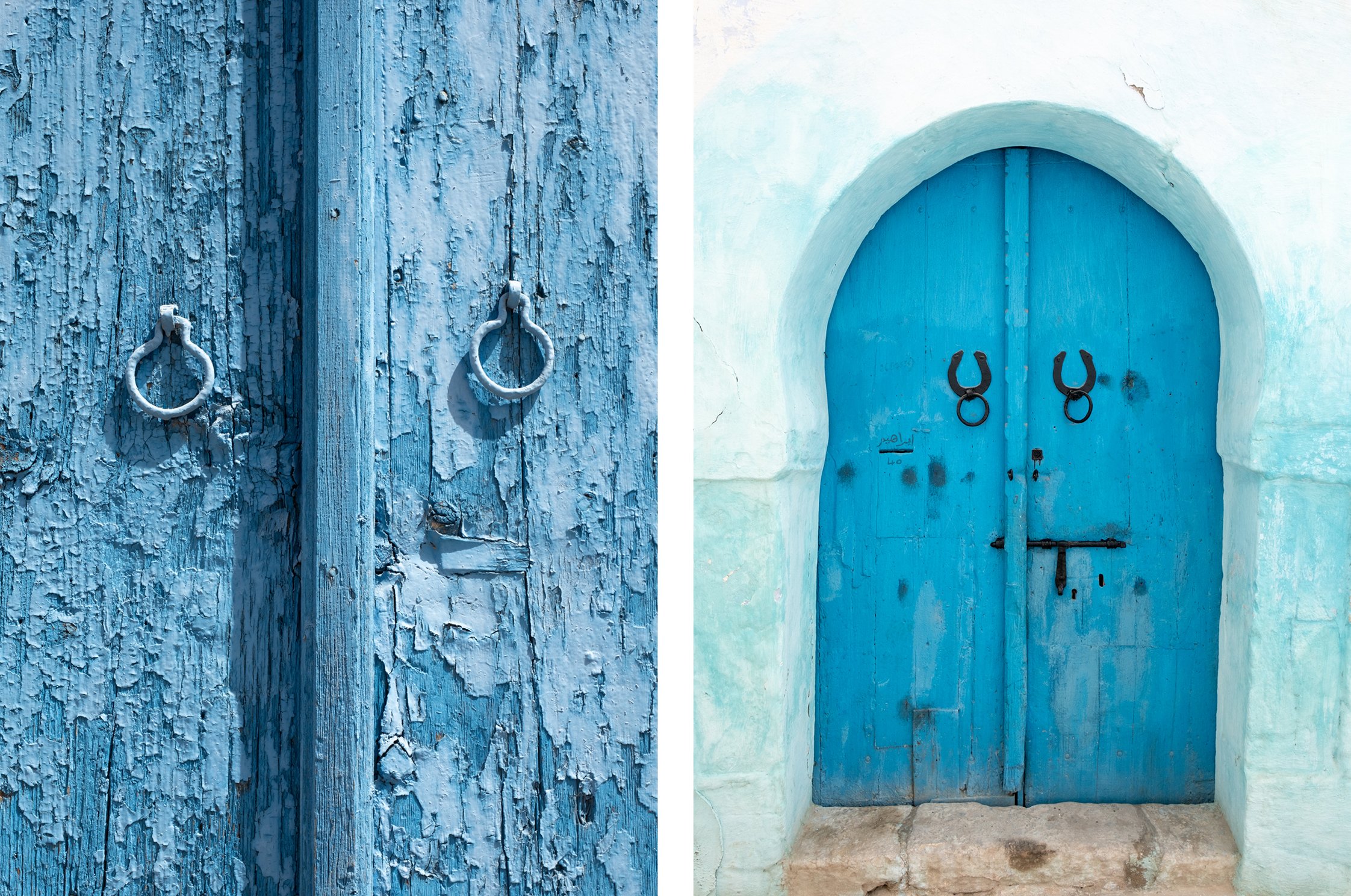
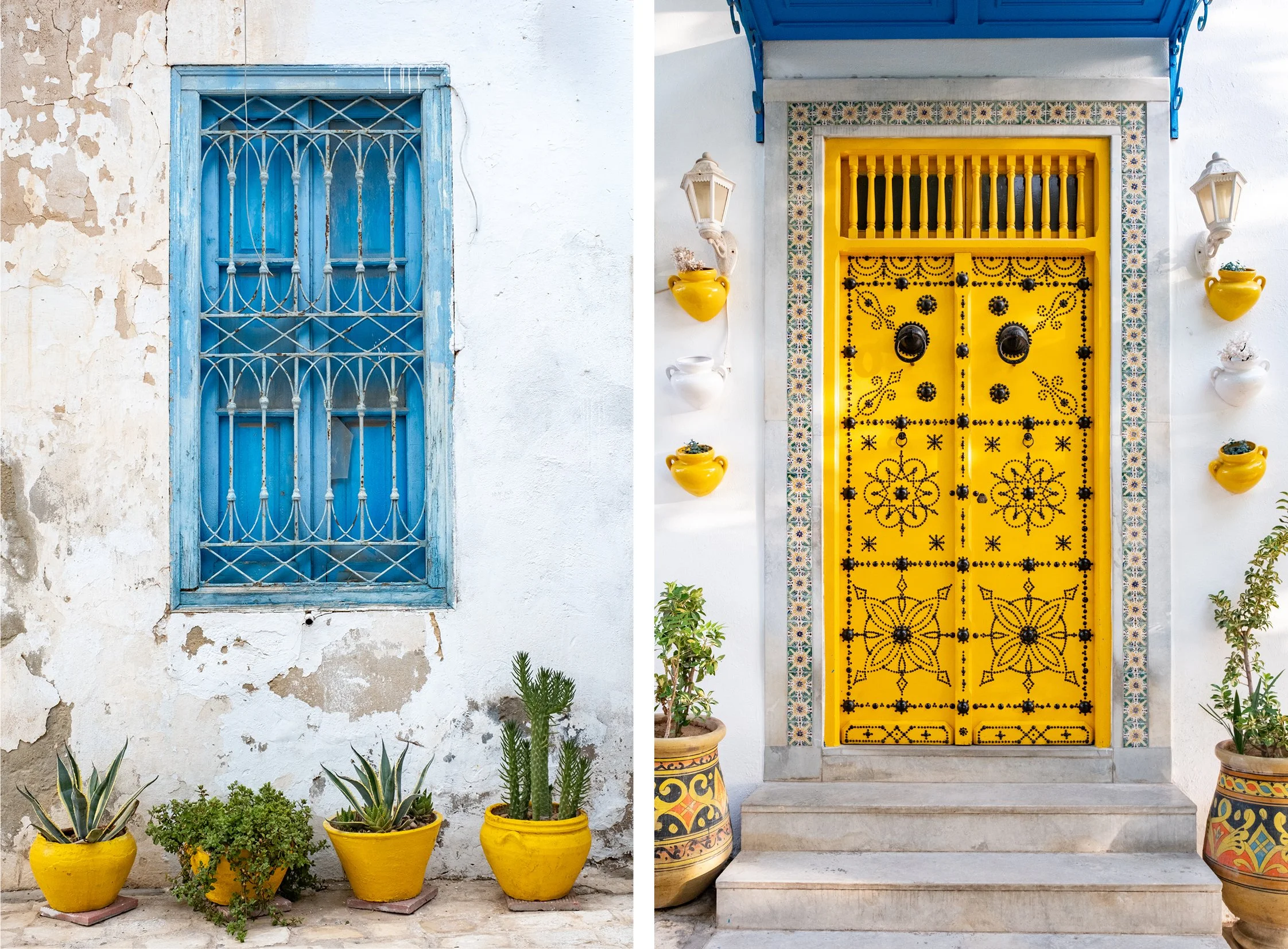
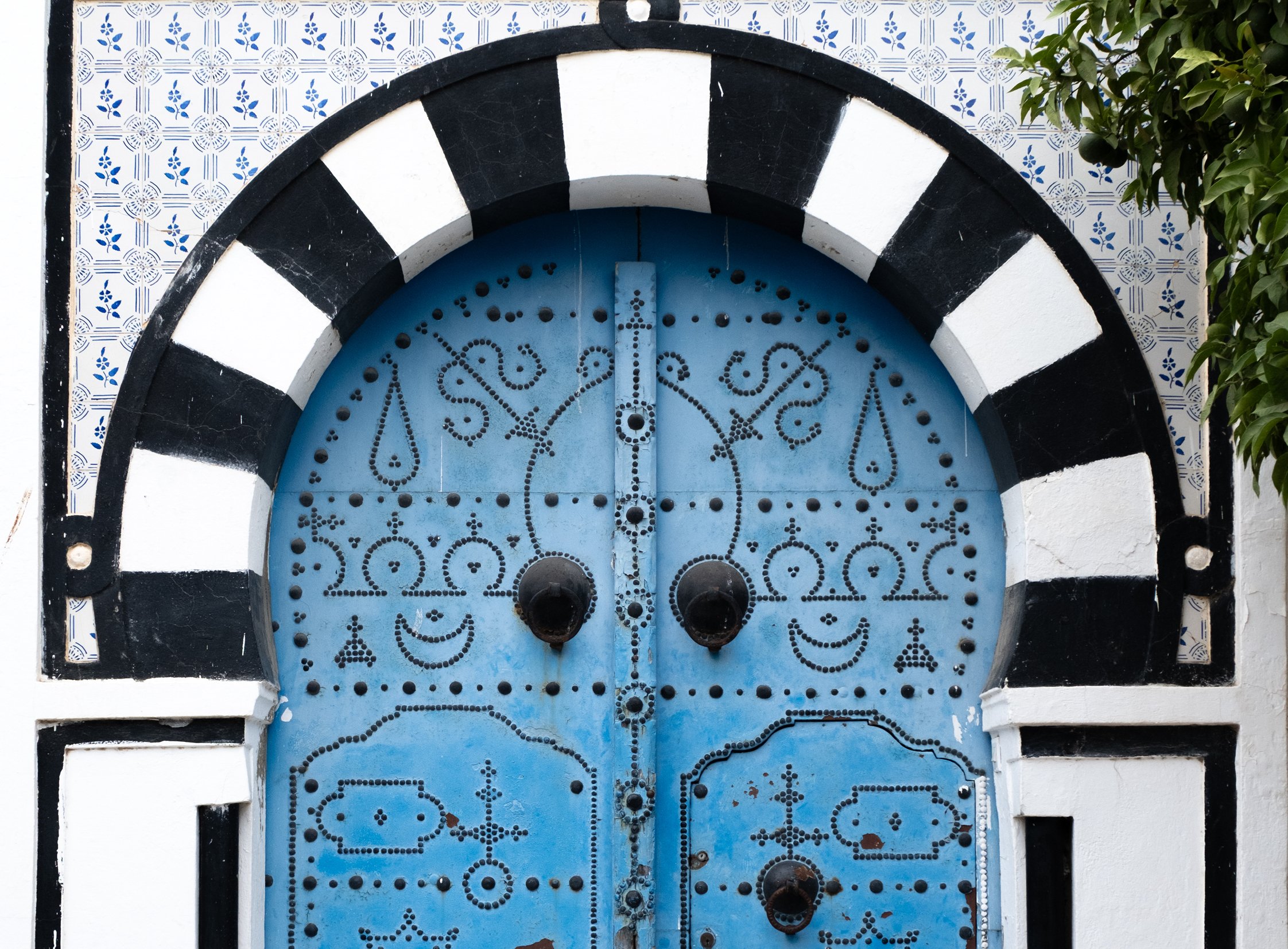
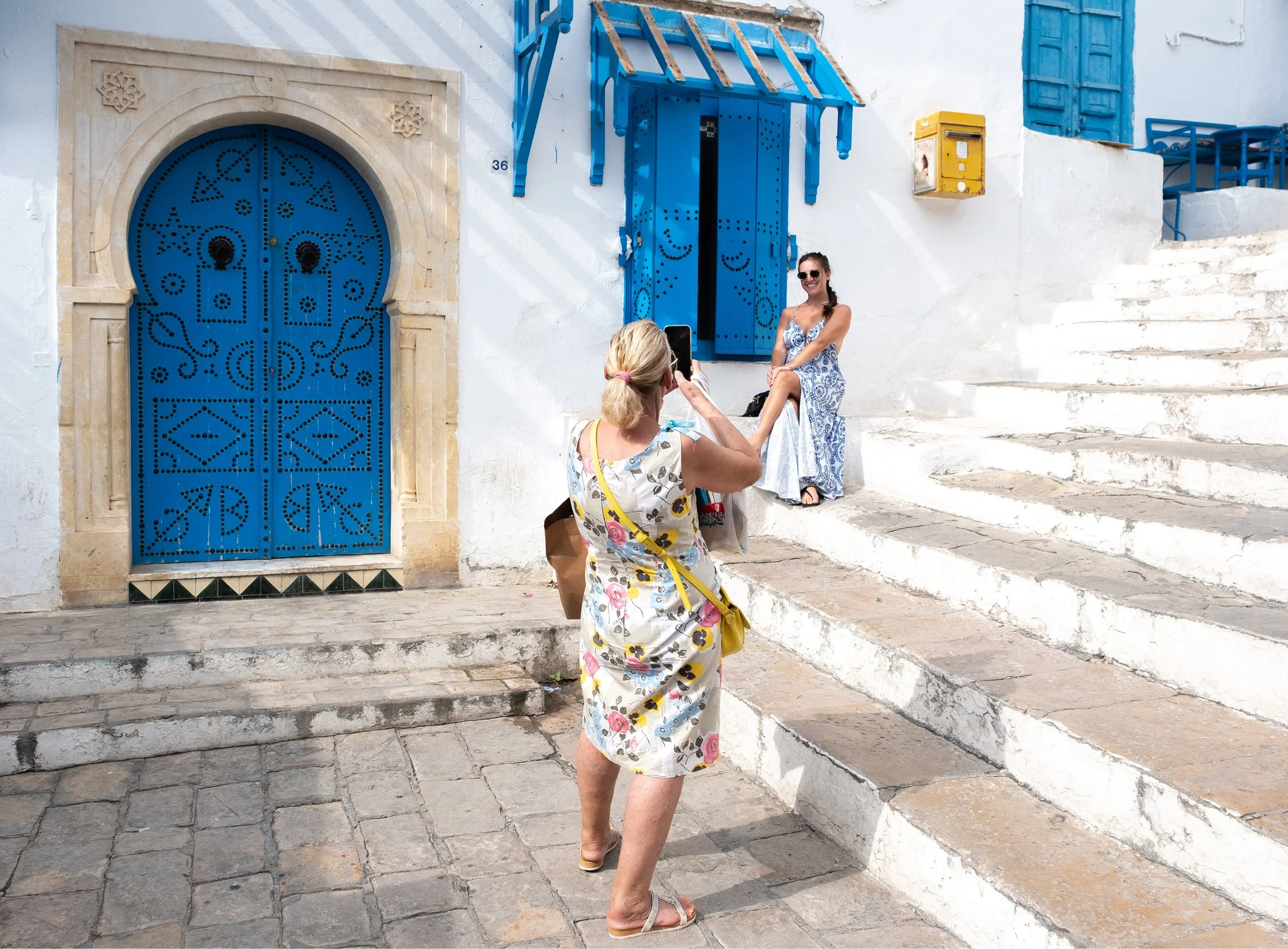
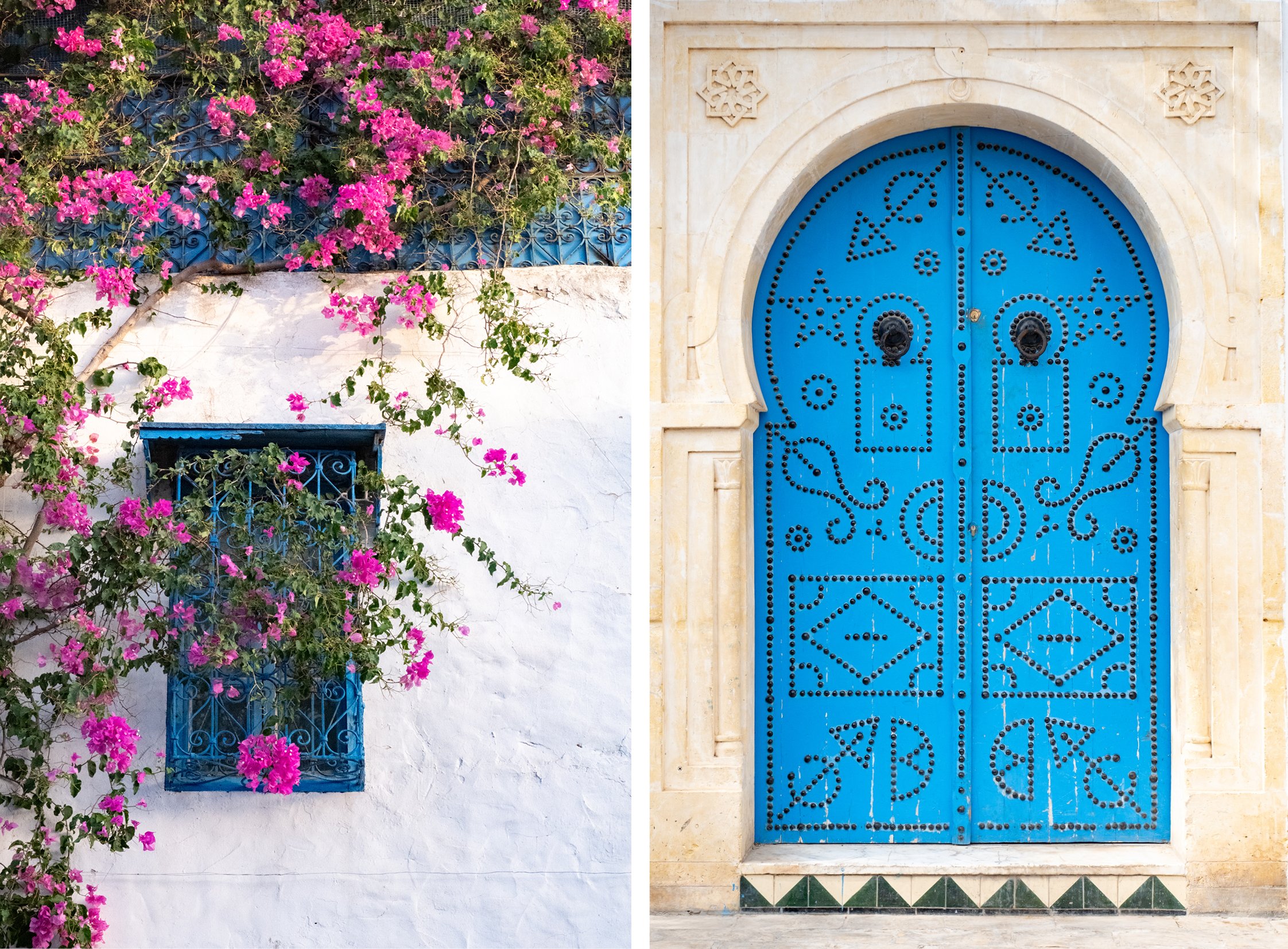
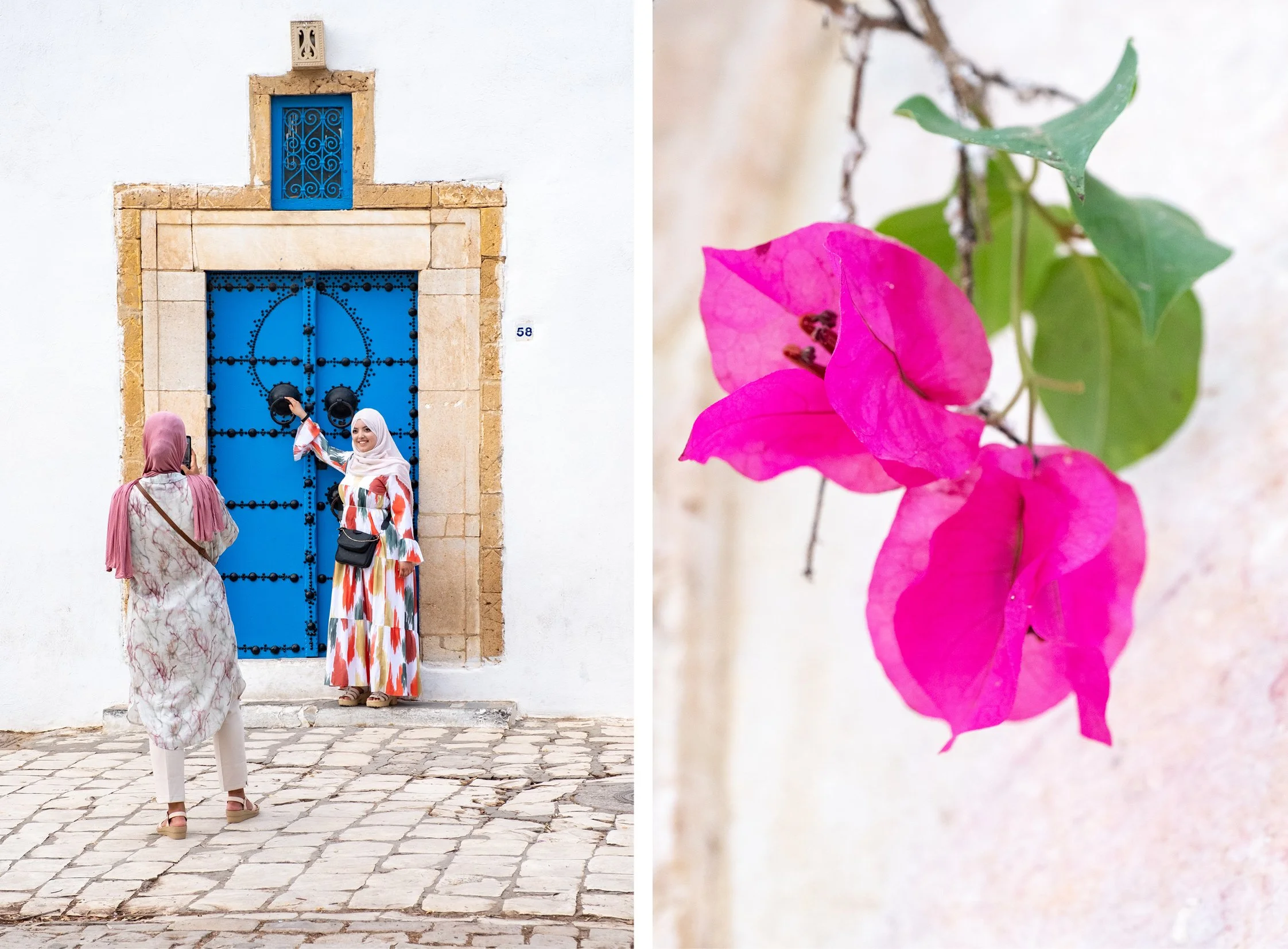
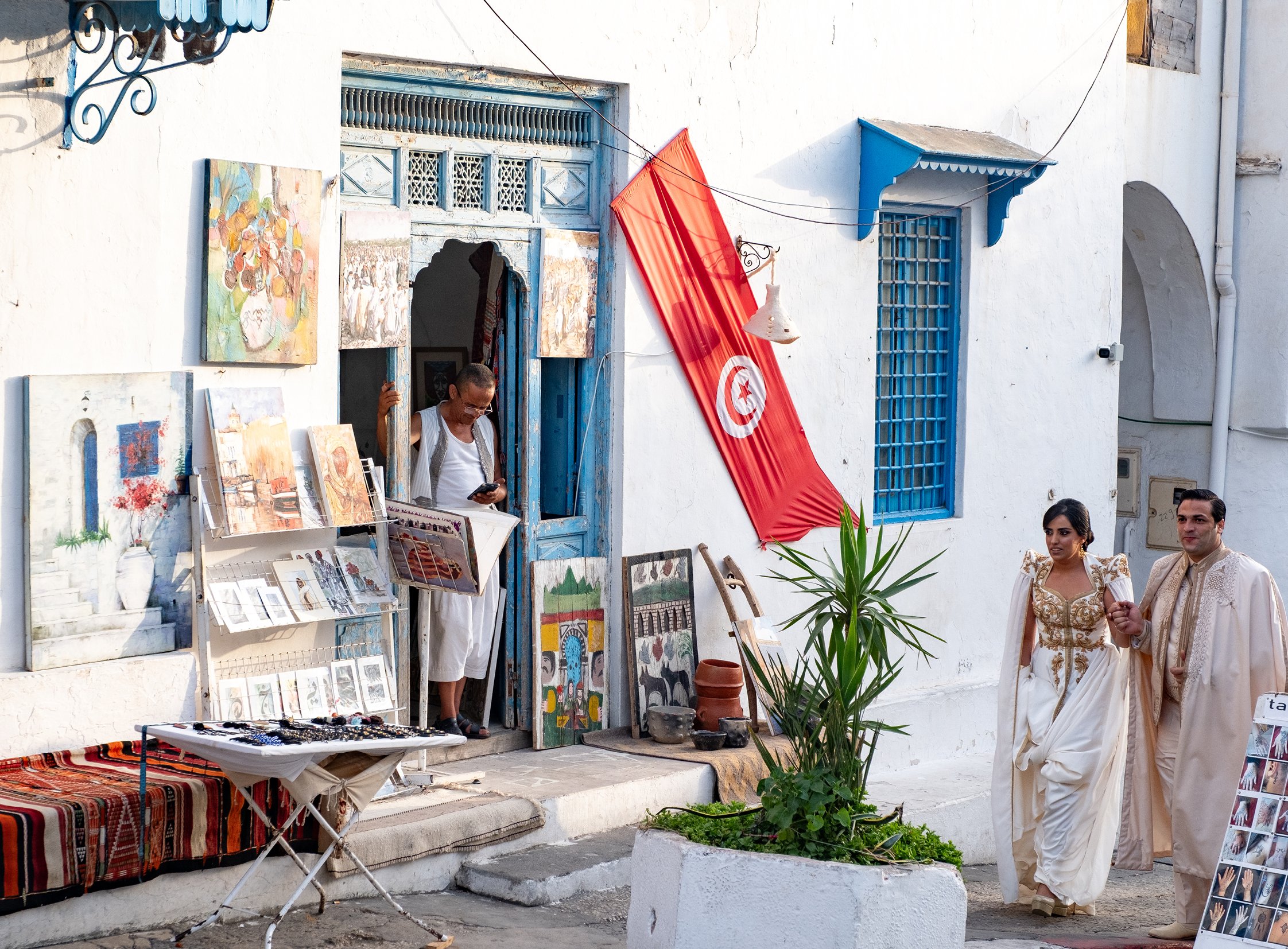
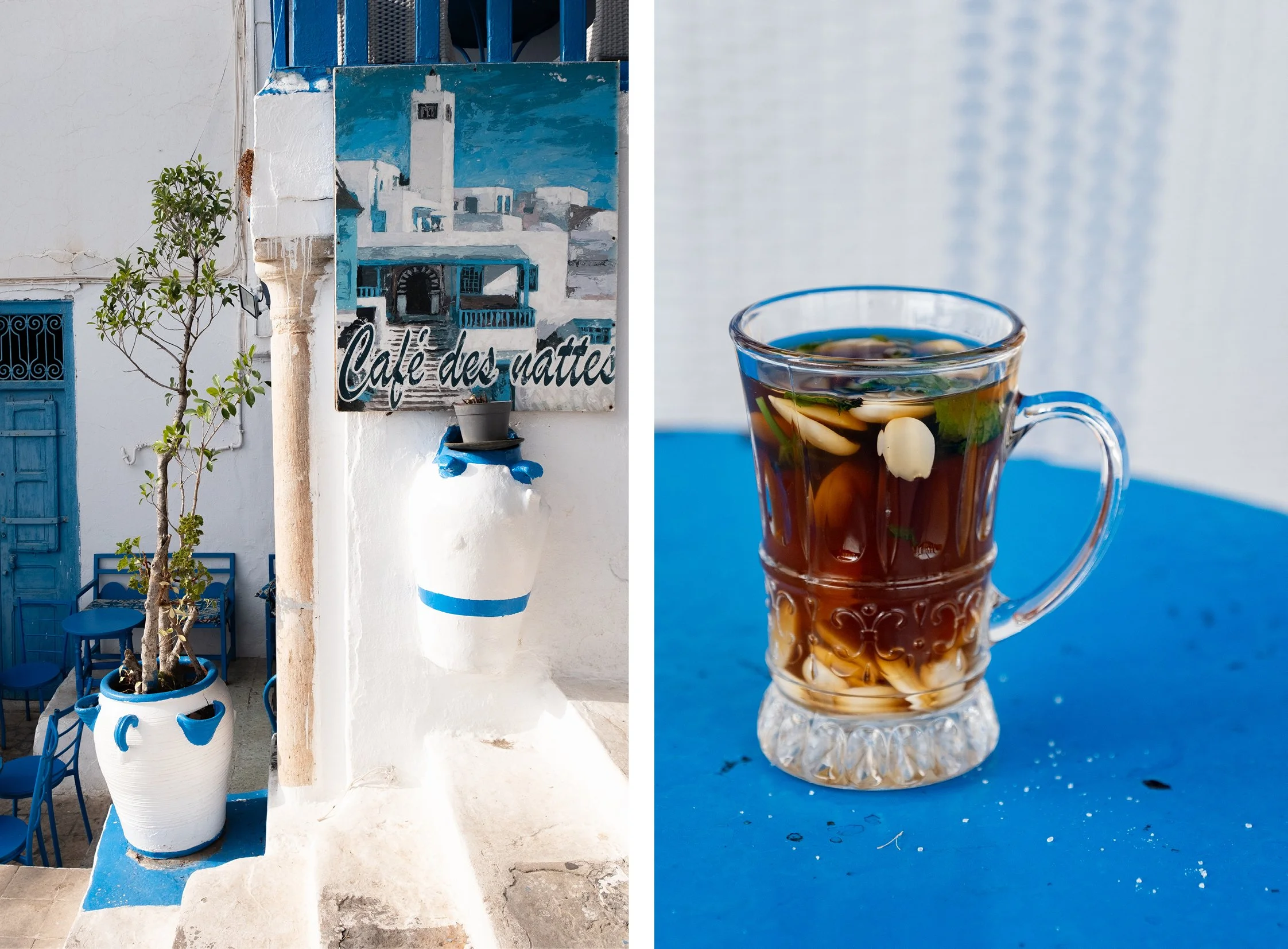
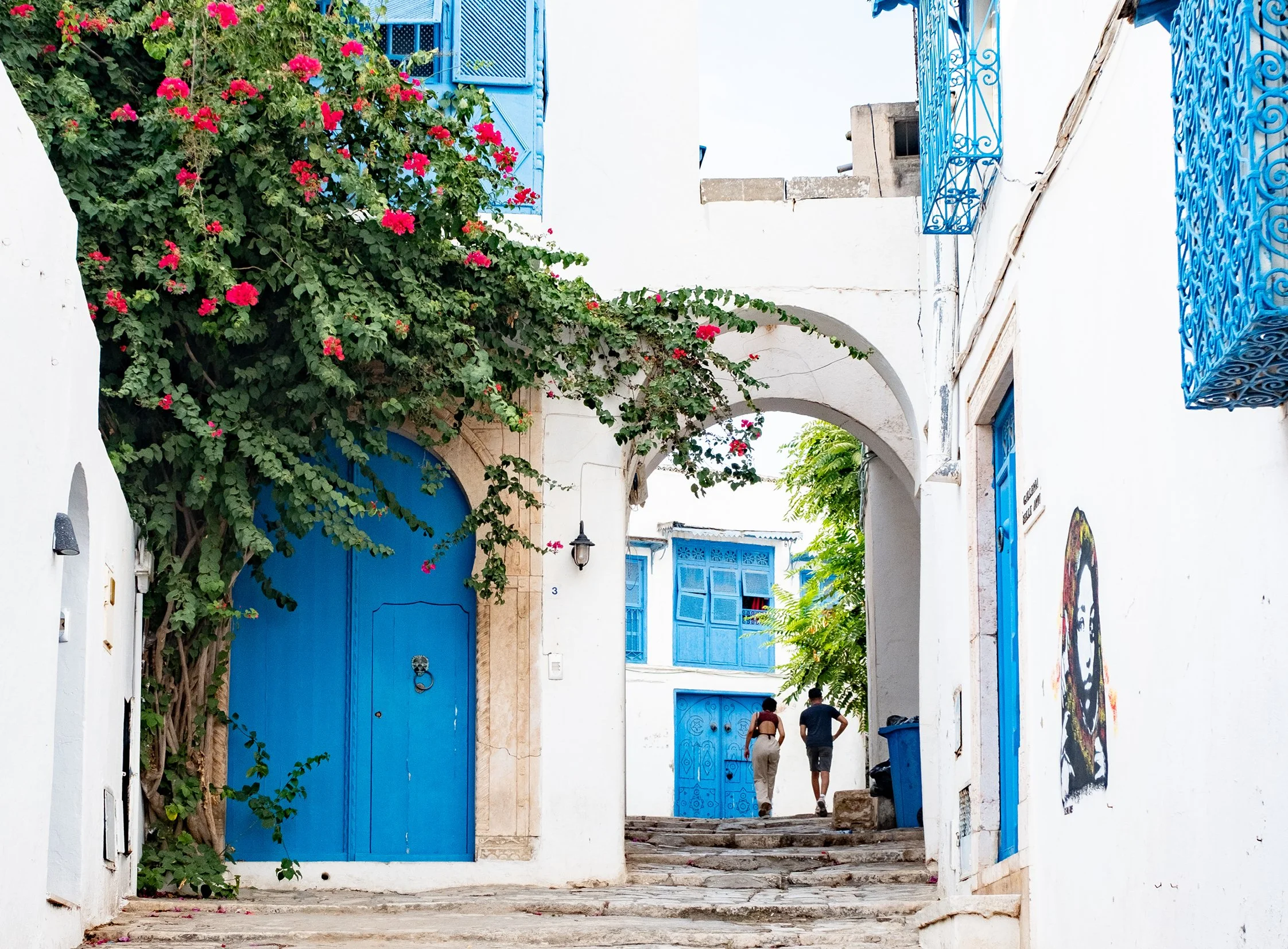
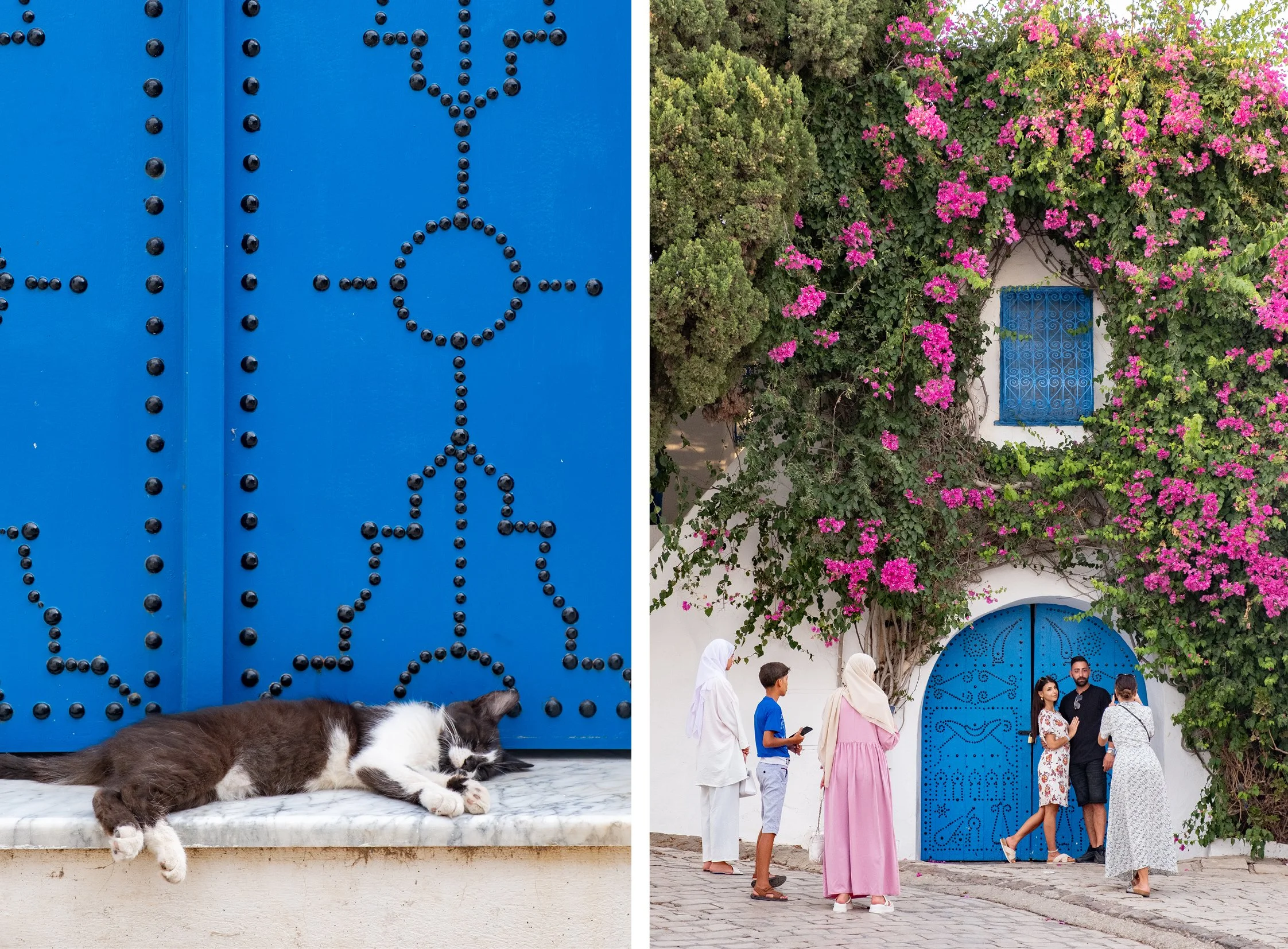
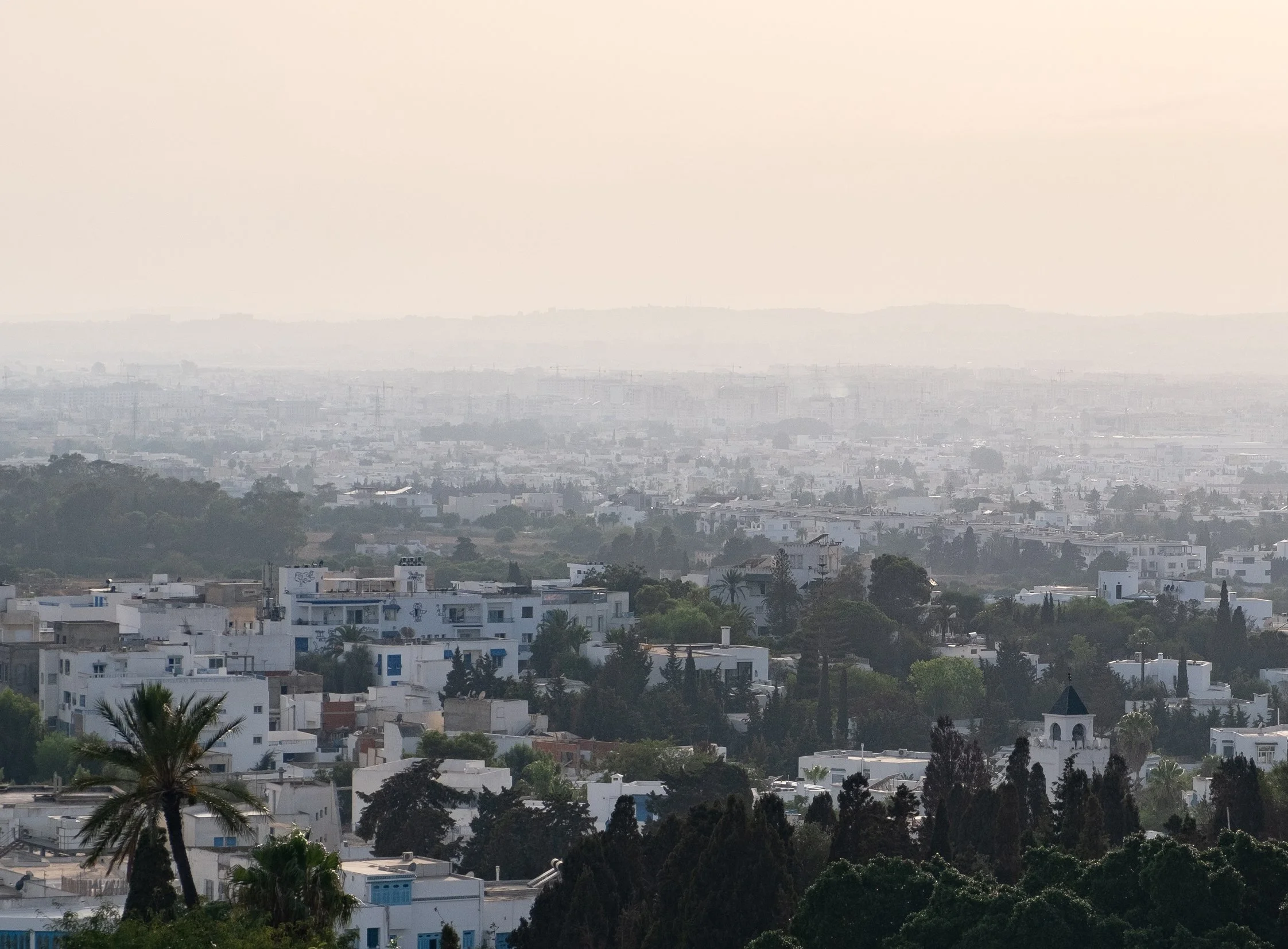
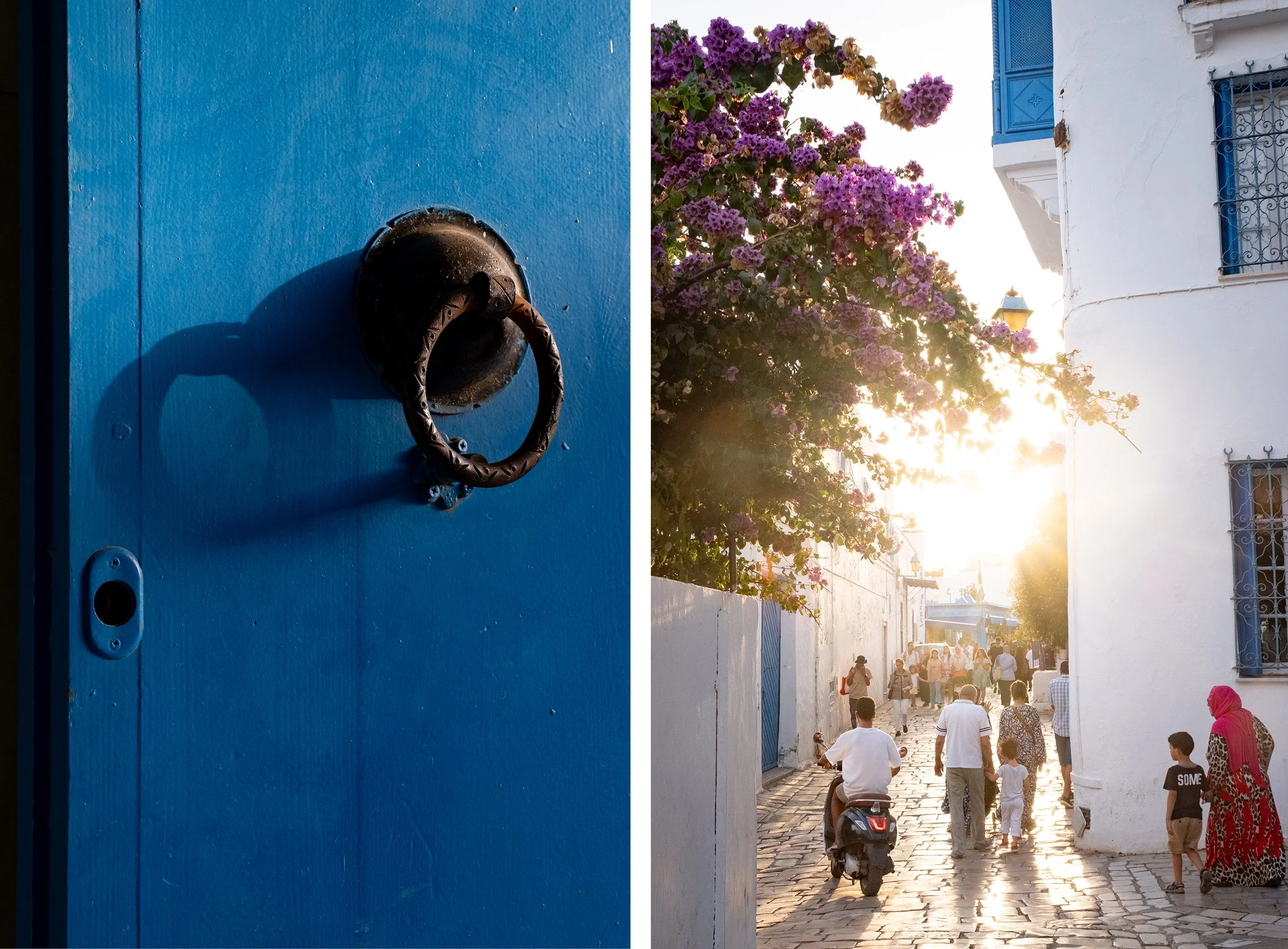
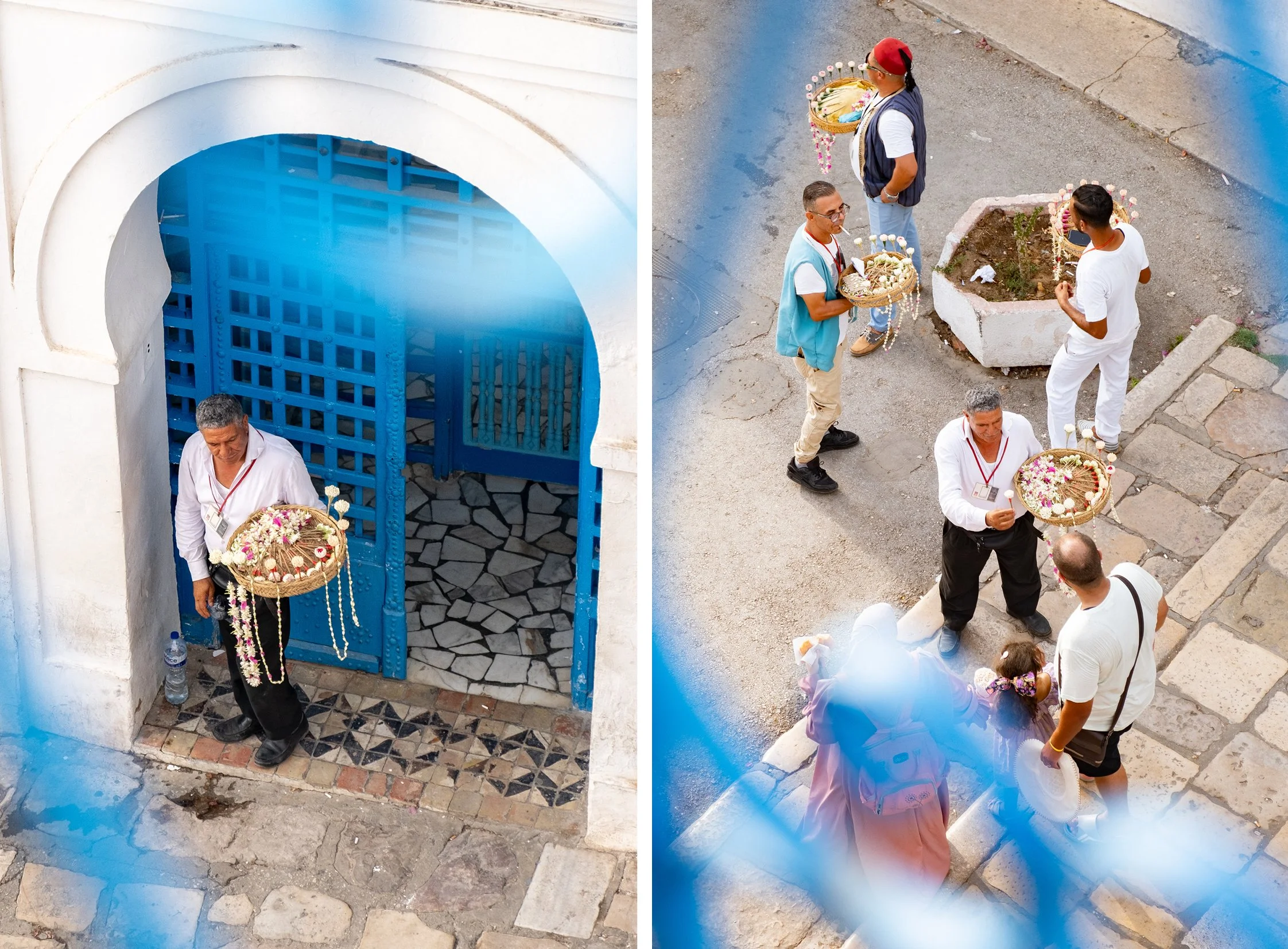
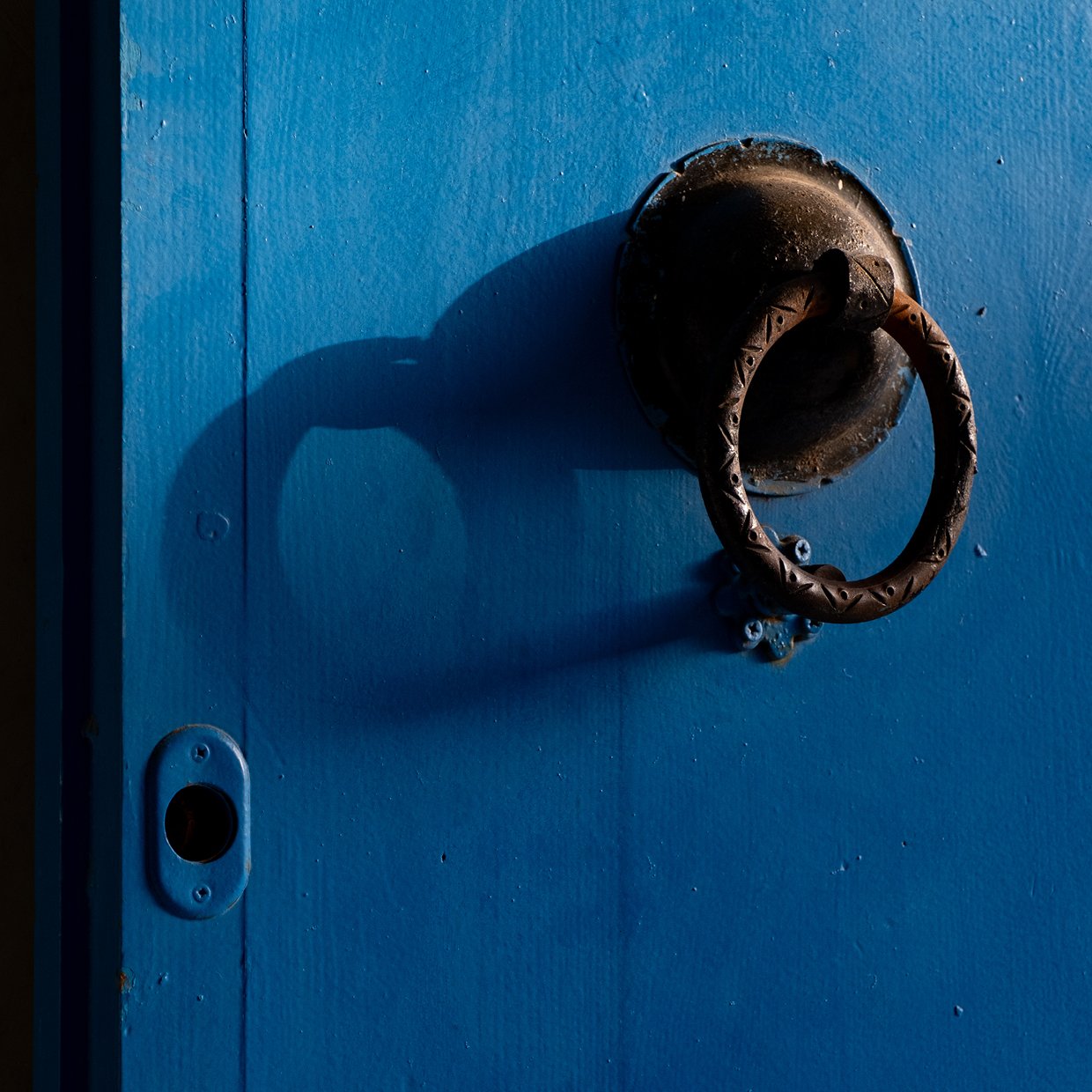
Sidi Bou Saïd is a little hilltop village east of Tunis in Tunisia. It’s full of two main things: an array of picturesque doorways and hoards of visitors, primarily engaged in photographing themselves in front of said doorways. 

The town is often likened to the Greek Island of Santorini and sometimes listed as an alternative on Overtourism and Travel Twin lists.

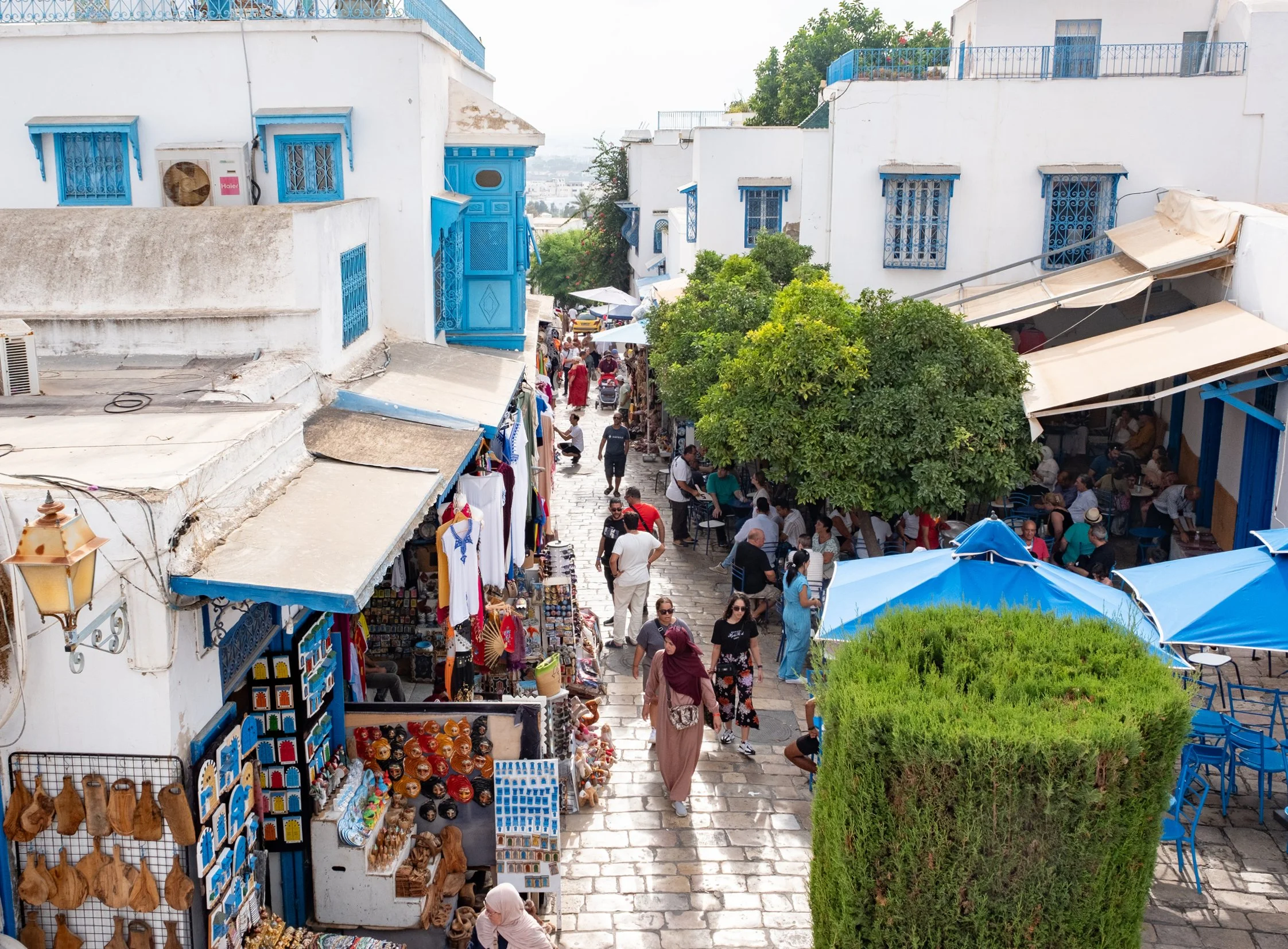
Judging by the day I visited, Sidi Bou Saïd isn’t far behind Santorini in the overtourism stakes. It’s best avoided in the middle of the day when buses bring in hundreds of visitors.

Square-door.jpg
Tunisia-Sidi-Bou-Saïd7.jpg
Tunisia-Sidi-Bou-Saïd12.jpg
Tunisia-Sidi-Bou-Saïd3.jpg
Tunisia-Sidi-Bou-Saïd2.jpg
Tunisia-Sidi-Bou-Saïd.jpg
Tunisia-Sidi-Bou-Saïd4.jpg
Tunisia-Sidi-Bou-Saïd5.jpg
Tunisia-Sidi-Bou-Saïd6.jpg
Tunisia-Sidi-Bou-Saïd9.jpg
Tunisia-Sidi-Bou-Saïd10.jpg
Tunisia-Sidi-Bou-Saïd13.jpg
Tunisia-Sidi-Bou-Saïd8.jpg
Tunisia-Sidi-Bou-Saïd11.jpg
Tunisia-Sidi-Bou-Saïd15.jpg

ST HELENA Landscapes

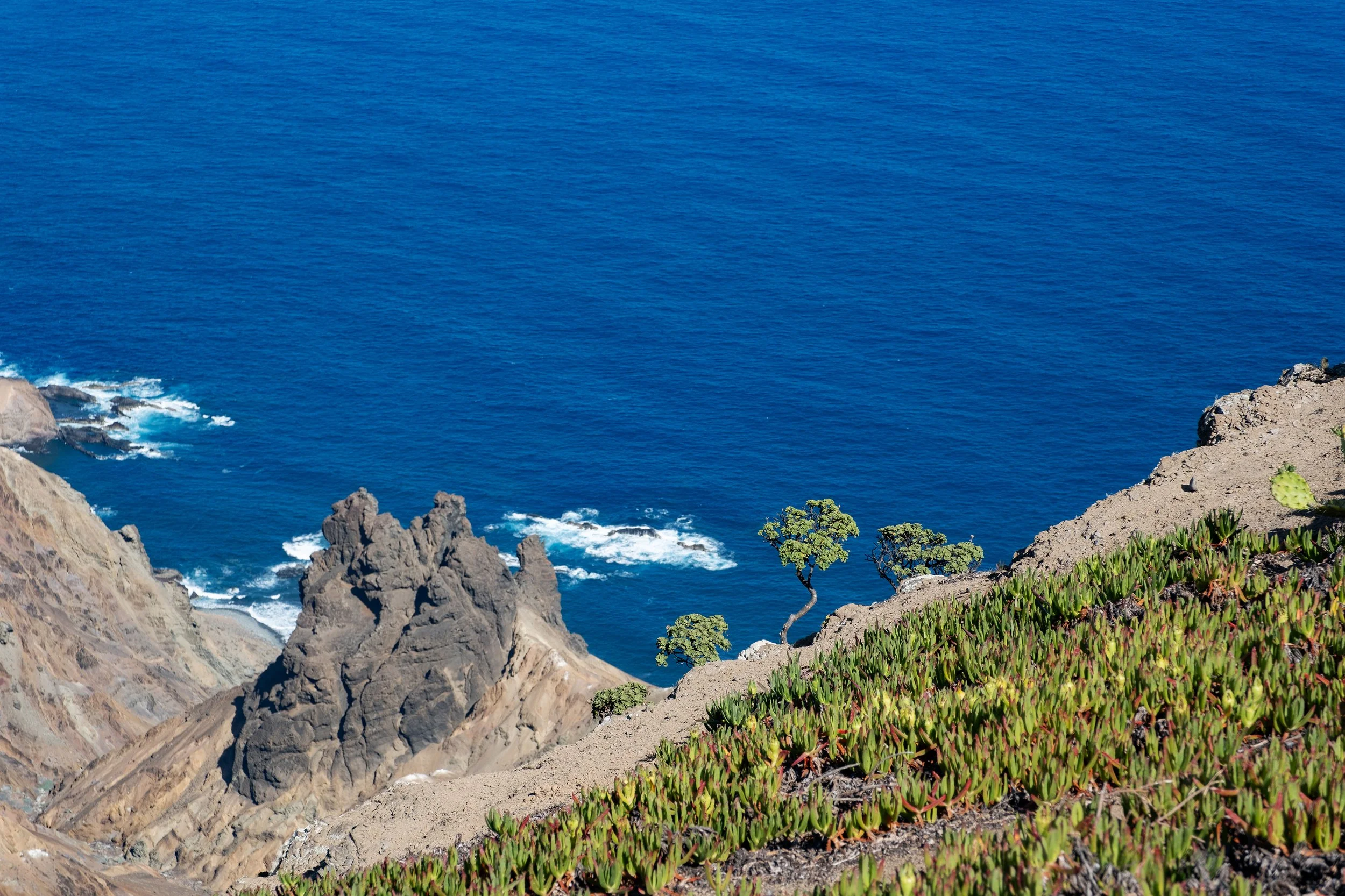
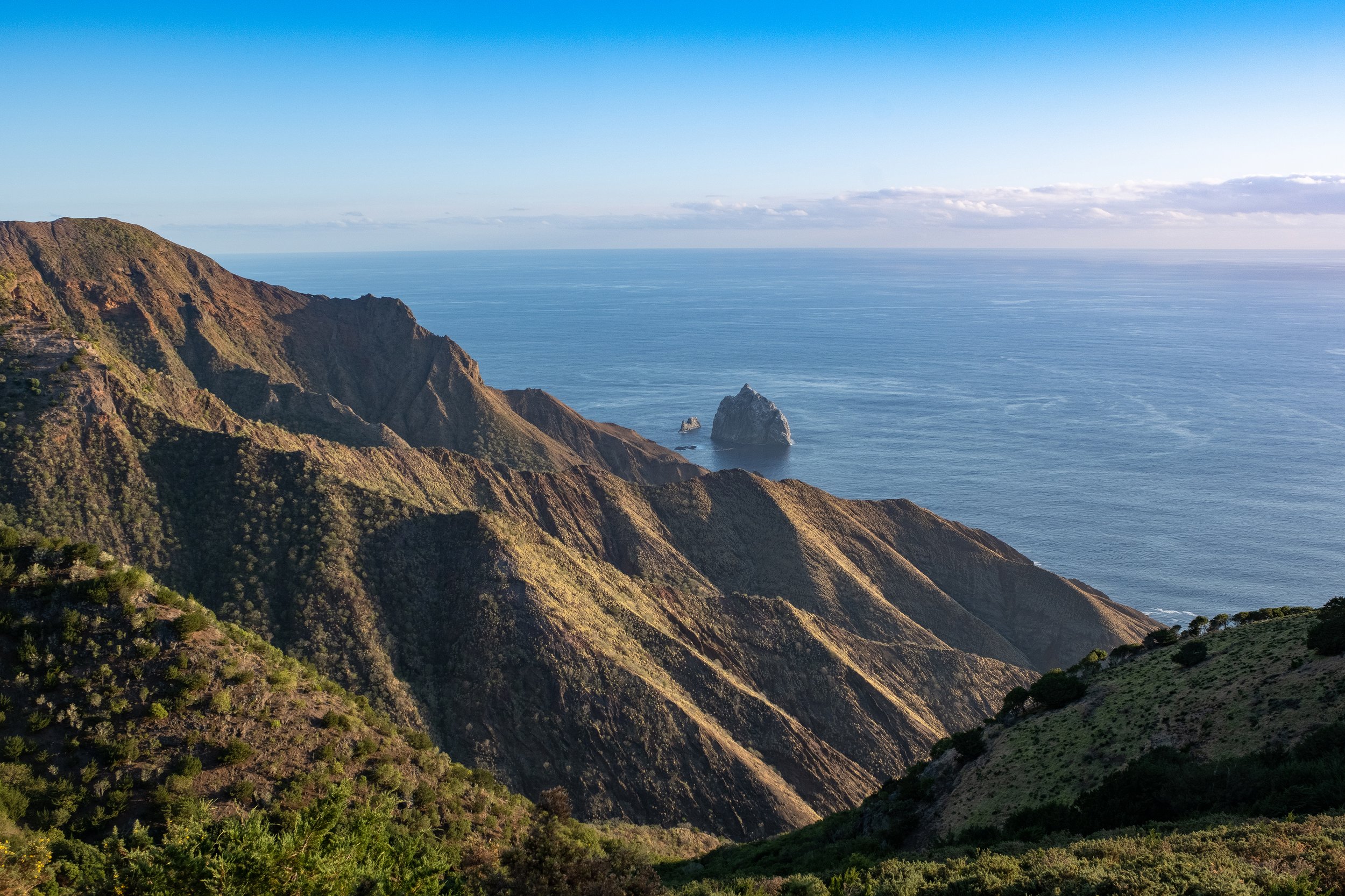
St Helena is 1800 miles from Angola, 1200 miles from Brazil and, at one-third the size of the Isle of Wight, it’s pretty tiny. But when you’re on foot on one of the many hiking trails, the landscapes feel vast, epic and far-reaching.

It’s a volcanic island, cleft from the same fragments of land as the Canary Islands, Madeira, the Bijagos Islands and all the other tiny landmasses in the mid and near Atlantic. There are endemic species aplenty. I was surprised to discover that 94% of British wildlife is found on British Overseas Territories like St Helena, which has nearly a third of them.

St-Helena-1957.jpg
St-Helena-3686.jpg
St-Helena-2735.jpg
Landcapes.jpg
St-Helena-2747.jpg
St-Helena-2748.jpg
St-Helena-2749.jpg
St-Helena-2755.jpg
St-Helena-3769.jpg
St-Helena-1048.jpg

ST HELENA Jamestown

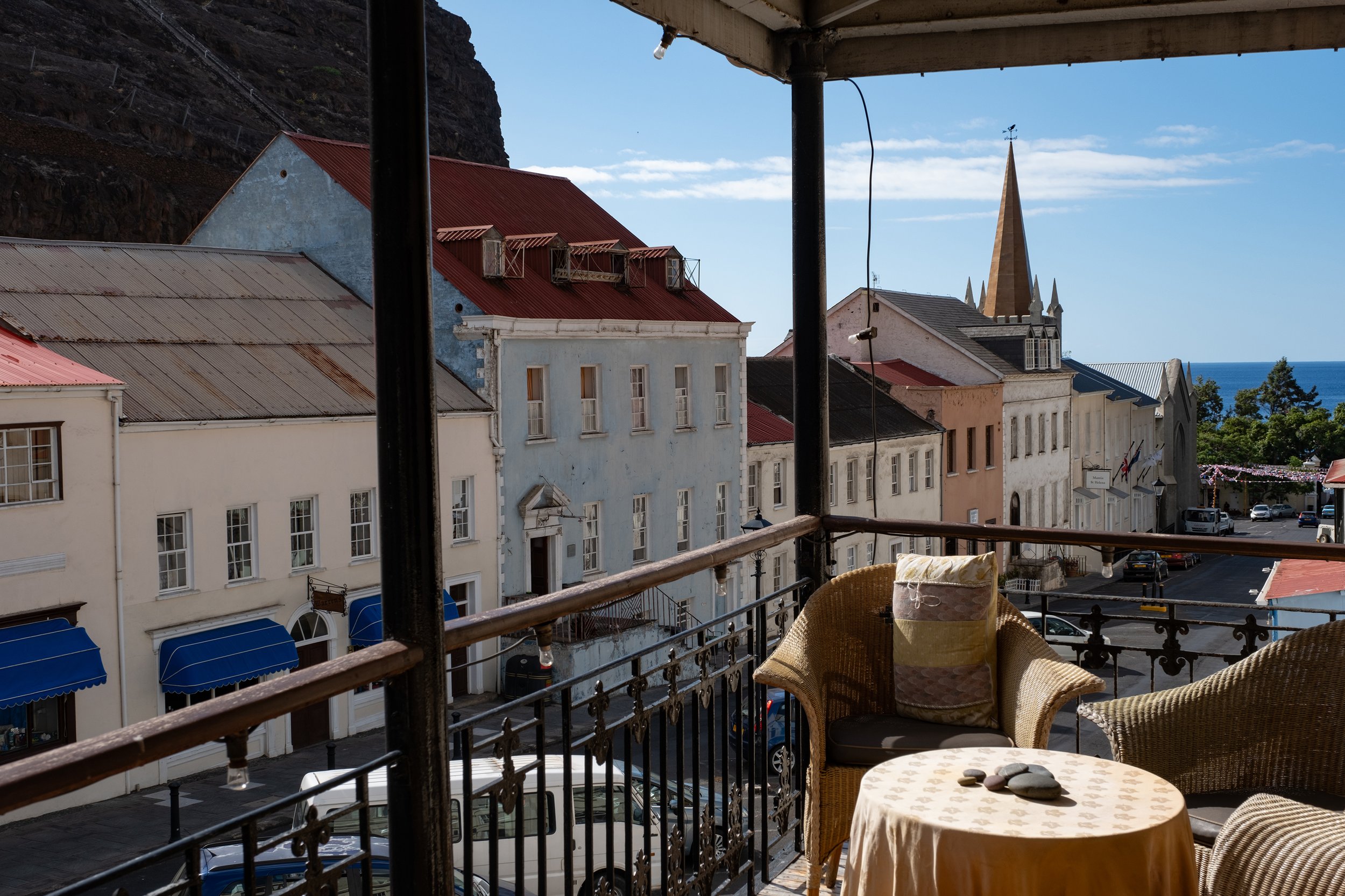
Jamestown is the main town on St Helena. It’s got distinct Cornish fishing village vibes, but with tropical heat and humidity.

It’s a tiny sliver of a town, crammed in between two huge volcanic rocks and opening out onto the sea.

St-Helena--2.jpg
Skips.jpg
St-Helena-3501.jpg
St-Helena-1141.jpg
St-Helena-1659.jpg
St-Helena-1876.jpg
harbour.jpg
St-Helena-3432.jpg
St-Helena-1882.jpg
St-Helena-1890.jpg
St-Helena-3662.jpg

ALBANIA Tragjas mountains

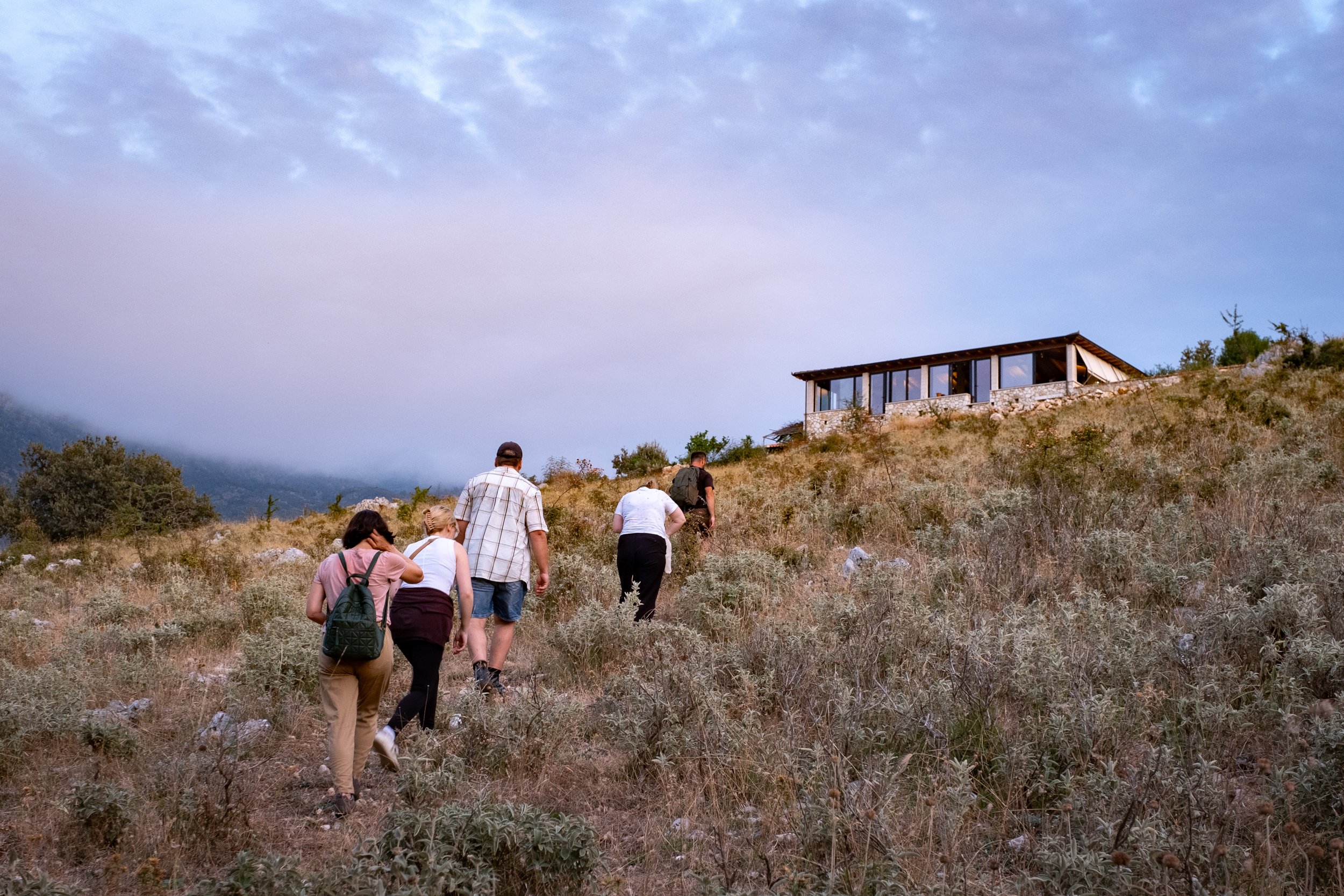
The coastal resort town of Vlorë is surrounded by mountains and, as the sun is lowering in the sky, turning everything into golden, we set off on foot up a stony mountain path. As dusk overtakes the day, multiple aromas emanate from the rich diversity of plants flanking the path. And we go up, up through an oak glade and a plain of spiny thickets, pausing occasionally to admire the view across the sea.

Eventually we reach the homestead of Sofo and Dhurata. It’s a lot more developed than the ‘shepherd’s hut’ we’d been promised.

We arrive just in time to watch Sofo put his free-ranging turkeys to bed for the night and lock his equally free-to-roam goats up into a pen, safe from the jaws of resident wolves. Dhurata brings us freshly made traditional sweet pancake-like treats that she’s made to celebrate the birth of a cousin’s baby.

Sofo entertains us on his selection of wooden flutes. He tells us, through translation from our guide Elton, that wooden flutes were once whittled and played while shepherds tended their flocks out on the mountains all day. But the art is dying out as everyone now entertains themselves on instagram and other distracting phone apps instead.

Up here in the mountains, it feels remote and quiet, yet Sofo and Dhurata have a large restaurant where they cater for visitors from all over the world. They’ve also built three thatched wooden huts that, alas we are not staying in, but would make a perfect base for a night of breathing in fresh mountain air.

ALBANIA-Vlorë–Trajan-mountains-.jpg
ALBANIA-Vlorë–Trajan-mountains-9331.jpg
ALBANIA-Vlorë–Trajan-mountains-9345.jpg
ALBANIA-Vlorë–Trajan-mountains-9349.jpg
ALBANIA-Vlorë–Trajan-mountains-9355.jpg
Tragas mountians2.jpg
ALBANIA-Vlorë–Trajan-mountains-9379.jpg
ALBANIA-Vlorë–Trajan-mountains-9357.jpg
Tragas mountians.jpg
ALBANIA-Vlorë–Trajan-mountains-9374.jpg
ALBANIA-Vlorë–Trajan-mountains-9434.jpg
ALBANIA-Vlorë–Trajan-mountains-9340.jpg
ALBANIA-Vlorë–Trajan-mountains-9417.jpg
ALBANIA-Vlorë–Trajan-mountains-9348.jpg

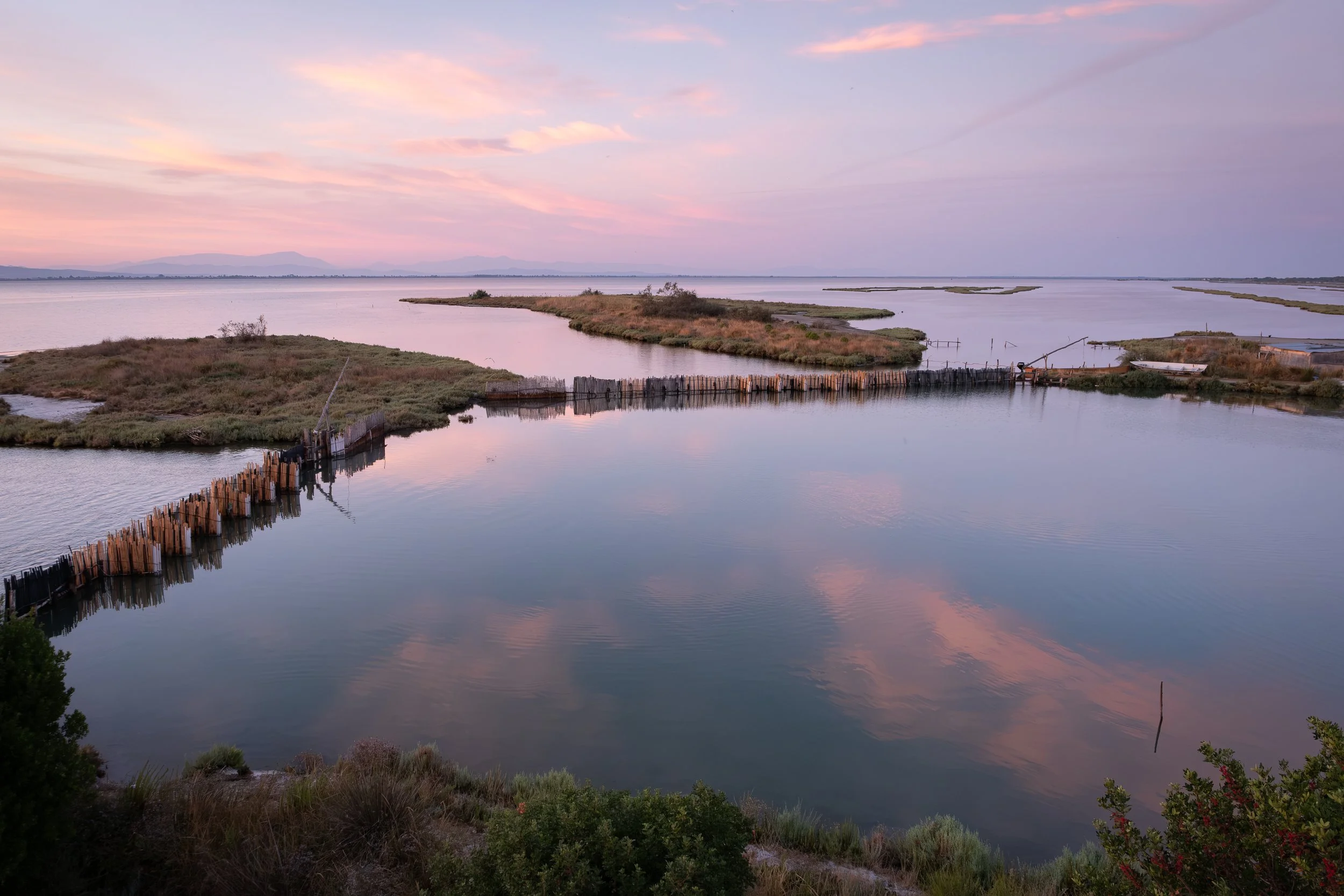
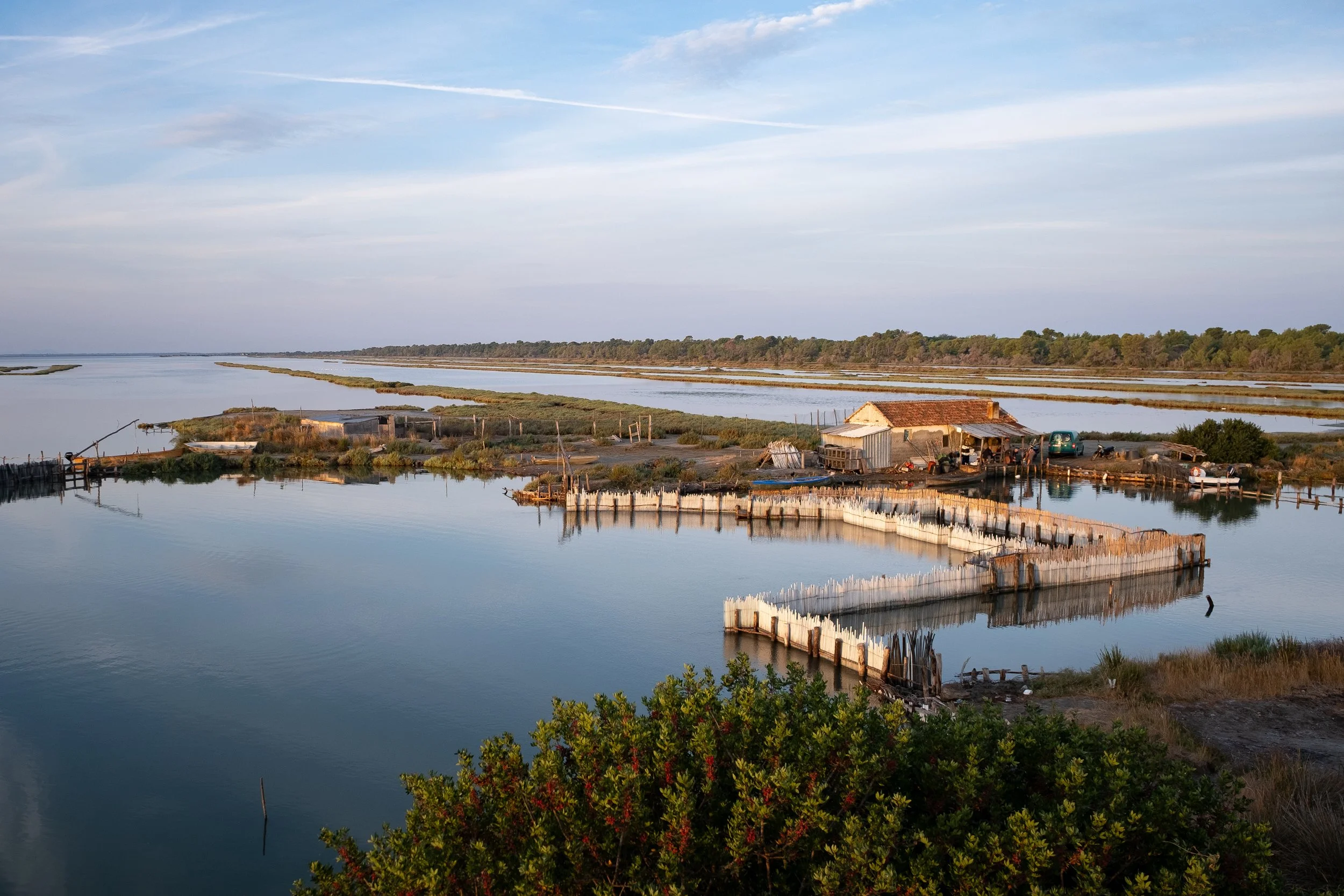
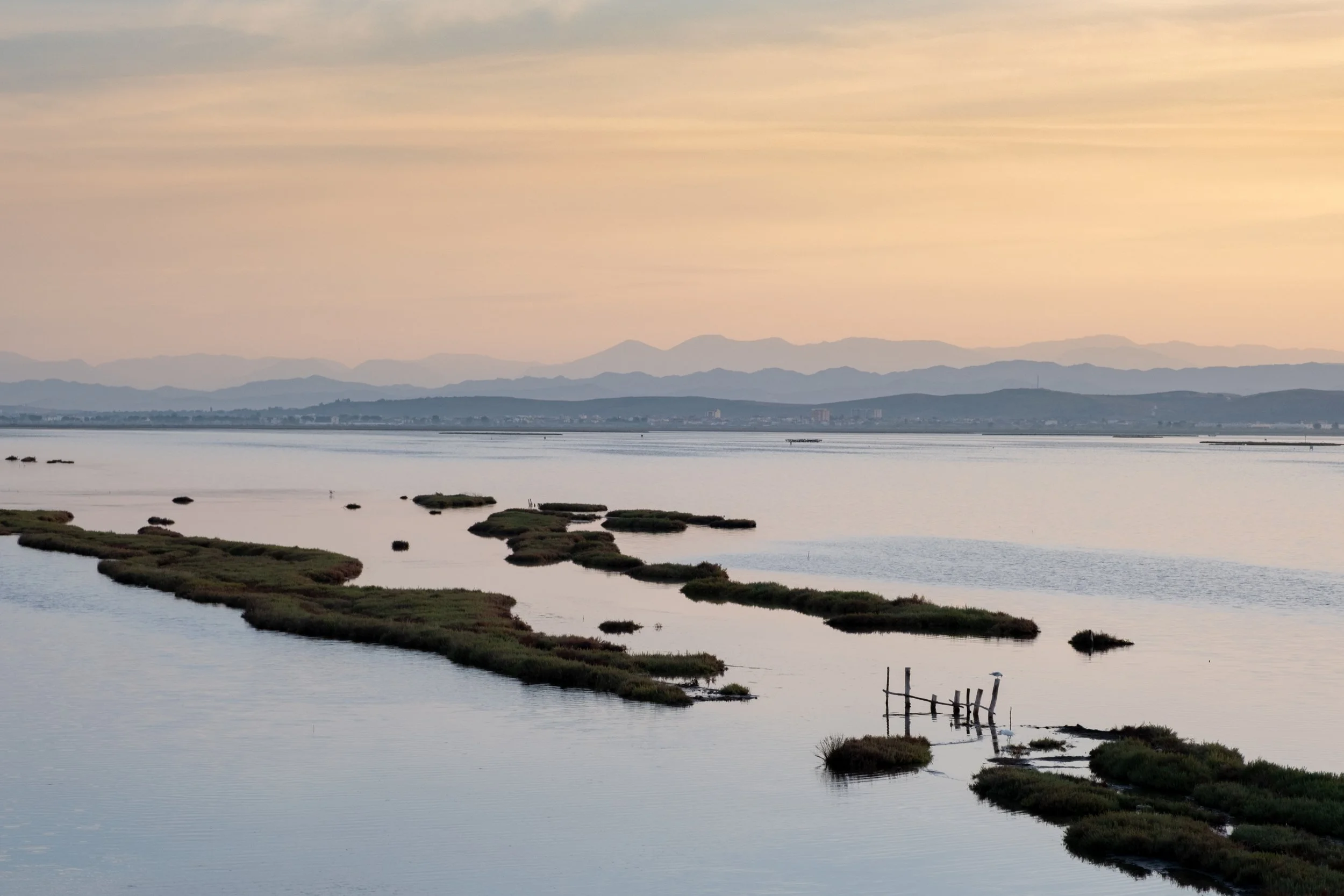
ALBANIA Karavasta lagoon and National Park

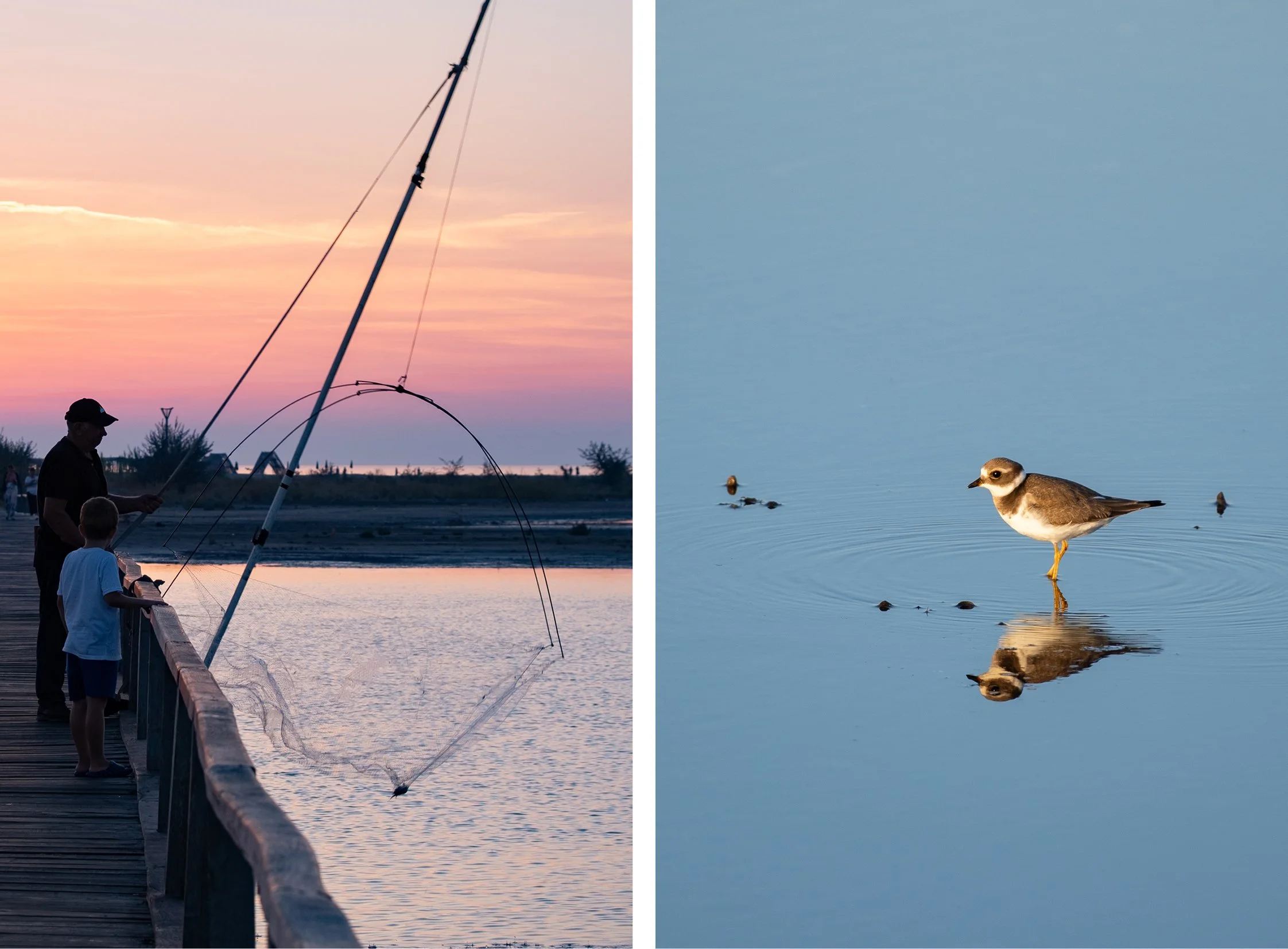
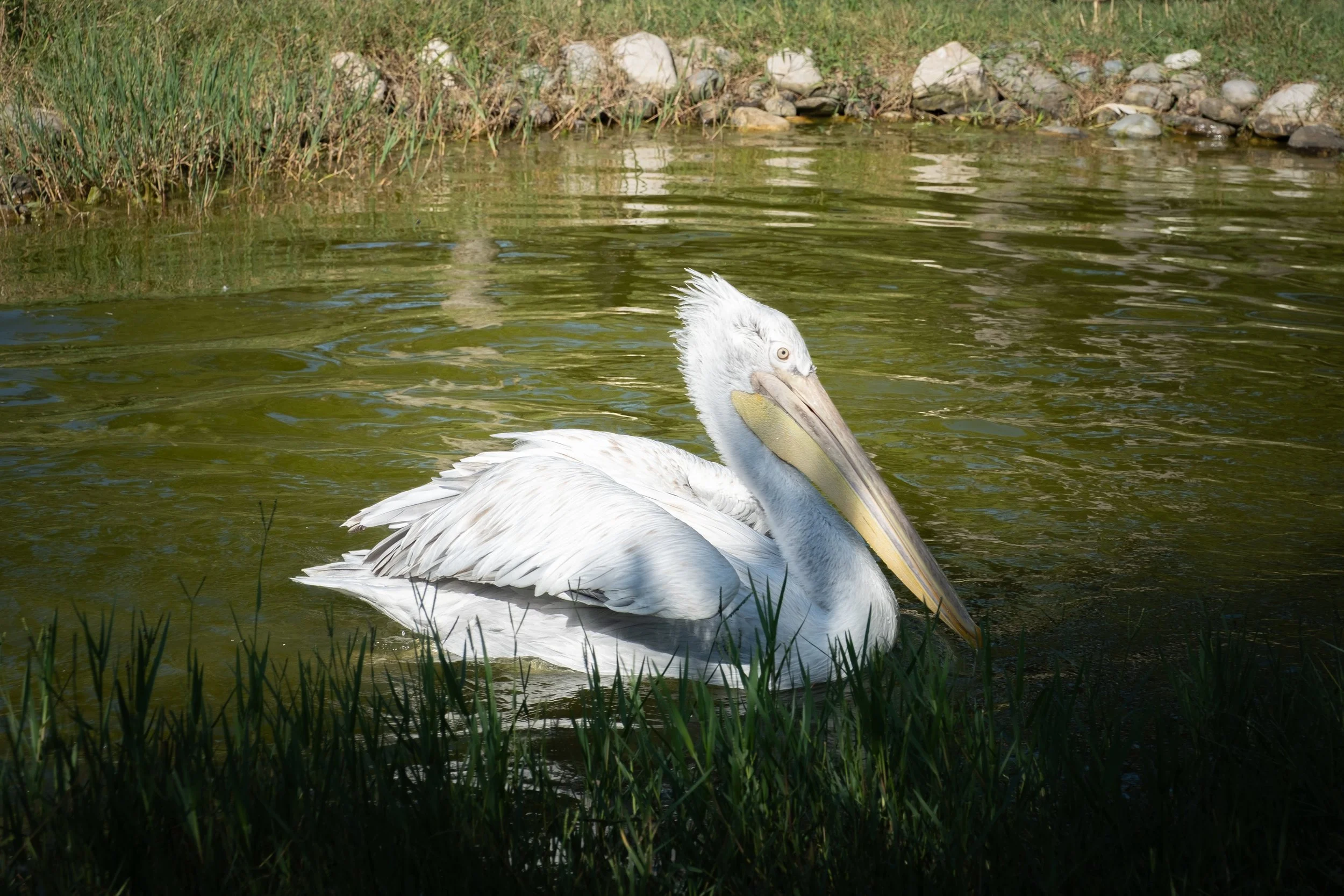
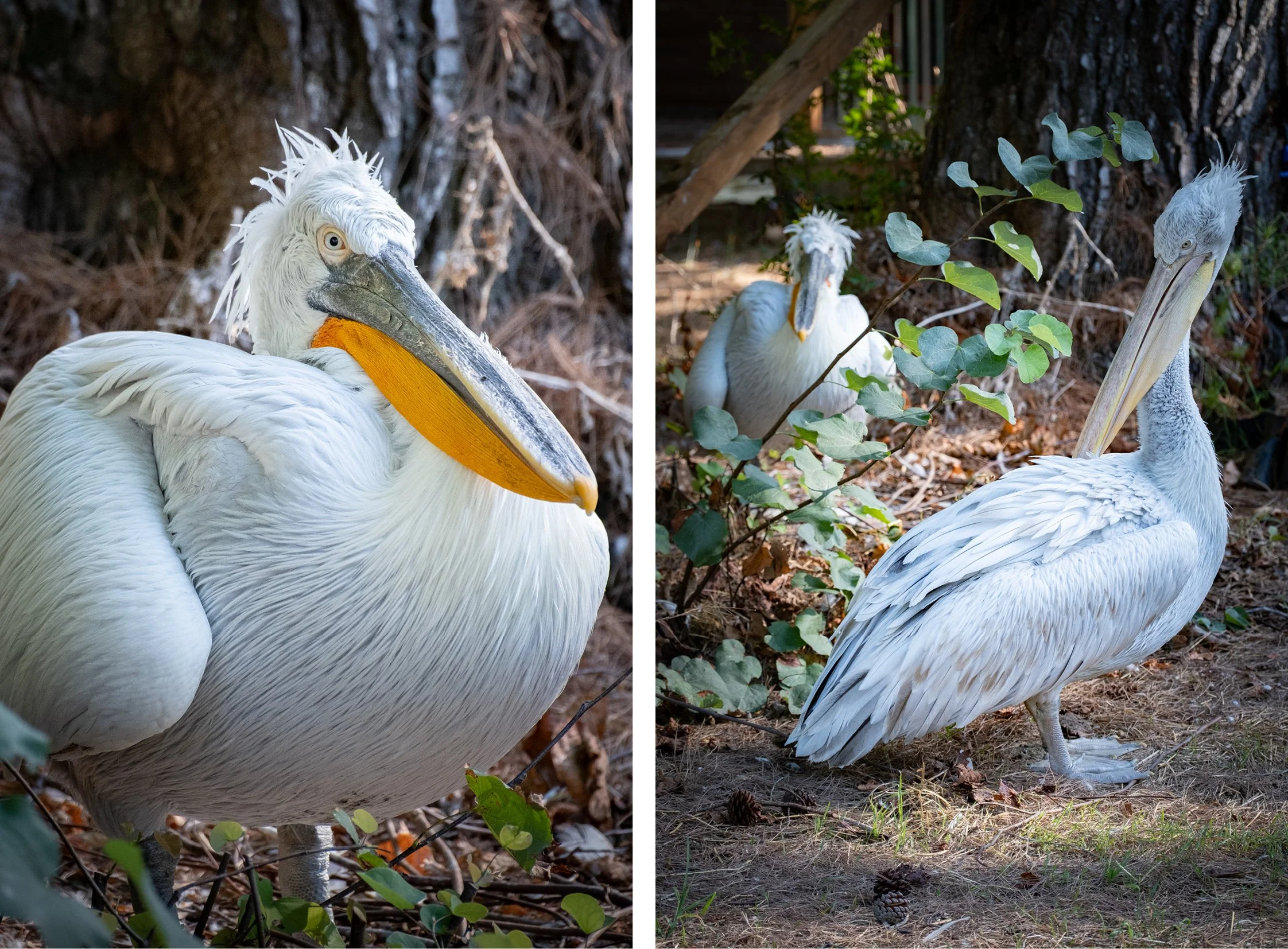
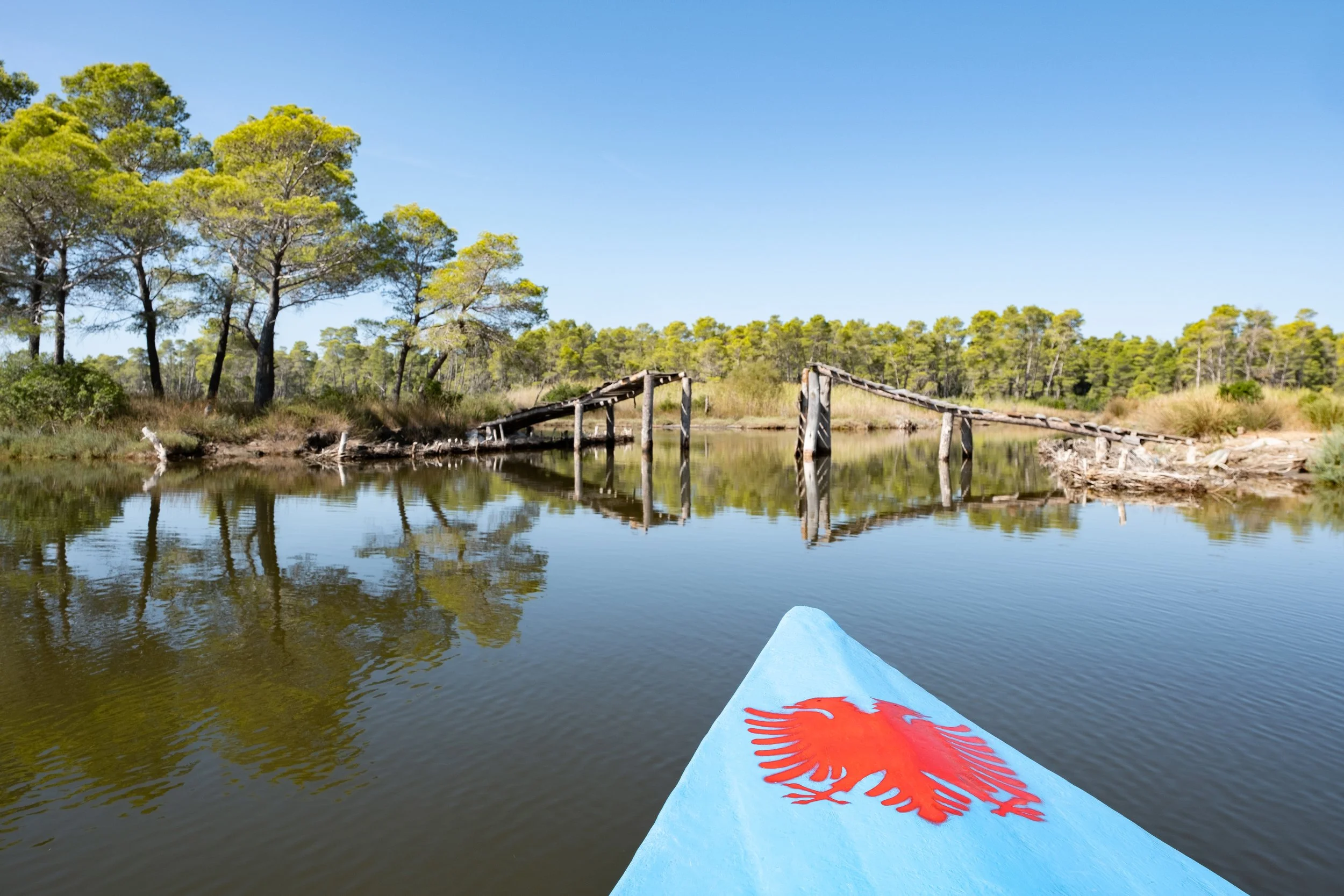
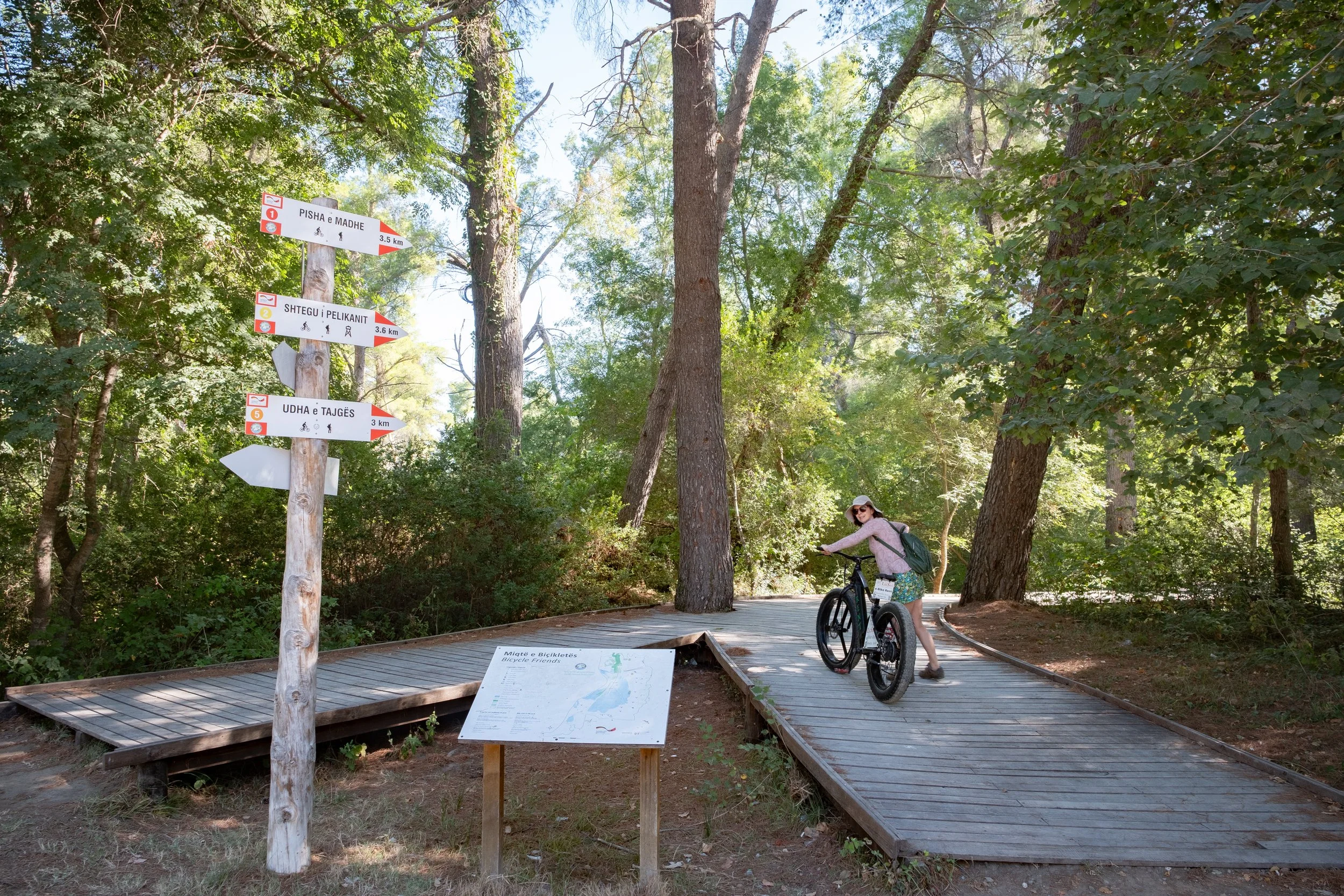
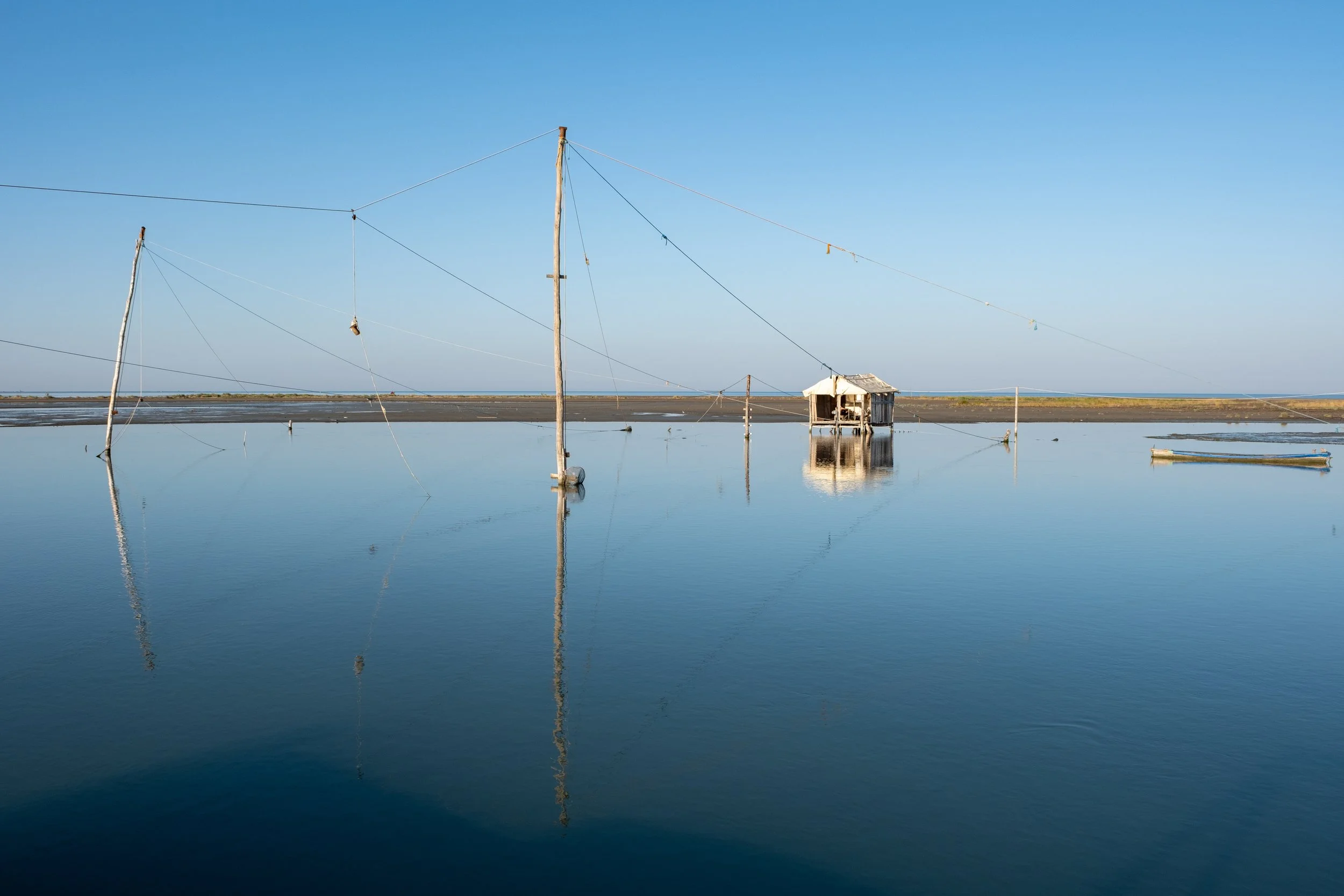
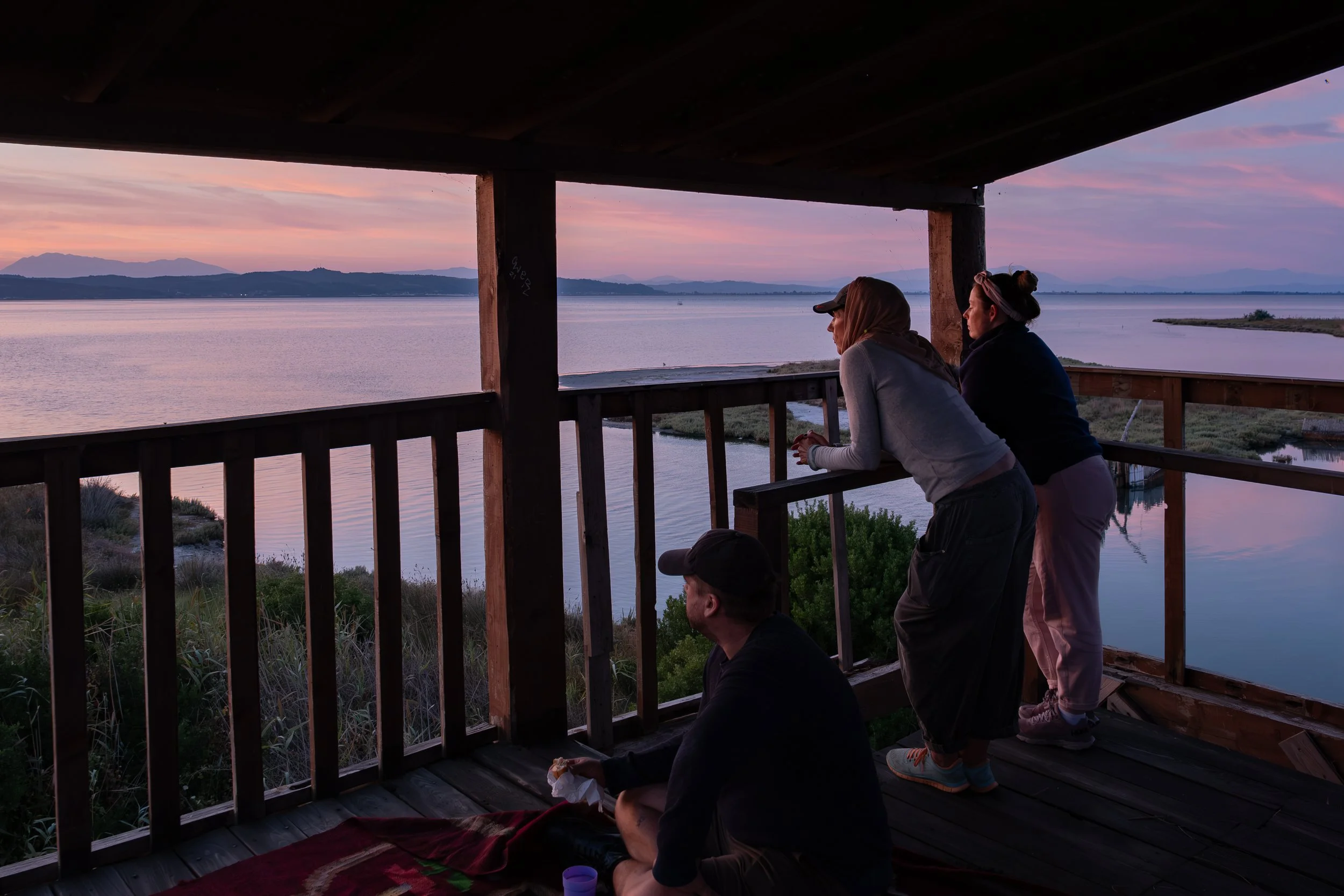
Karavasta Lagoon is a RAMSAR-protected wetland area on the Albanian coast and part of the Divjaka-Karavasta National Park.

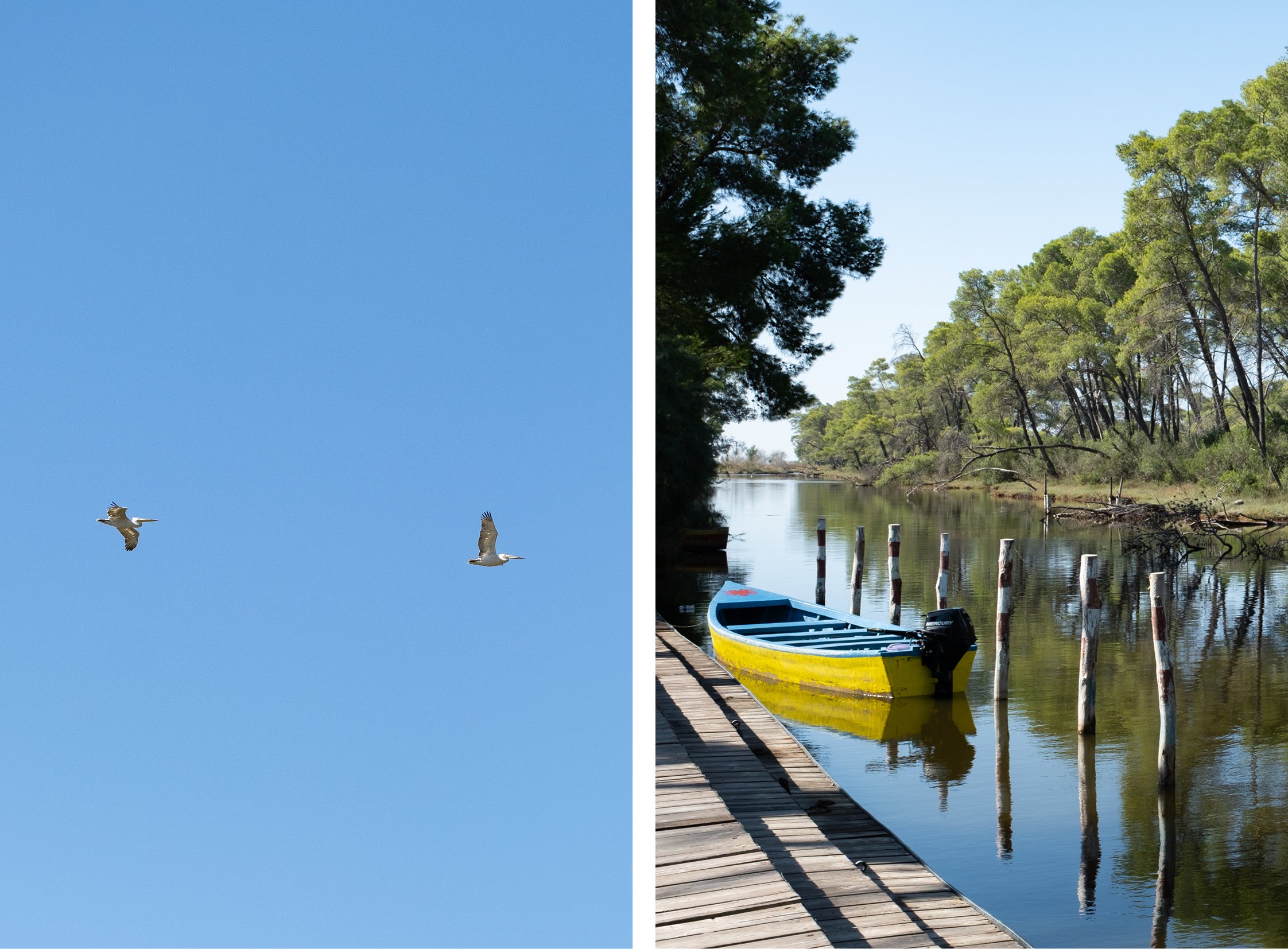
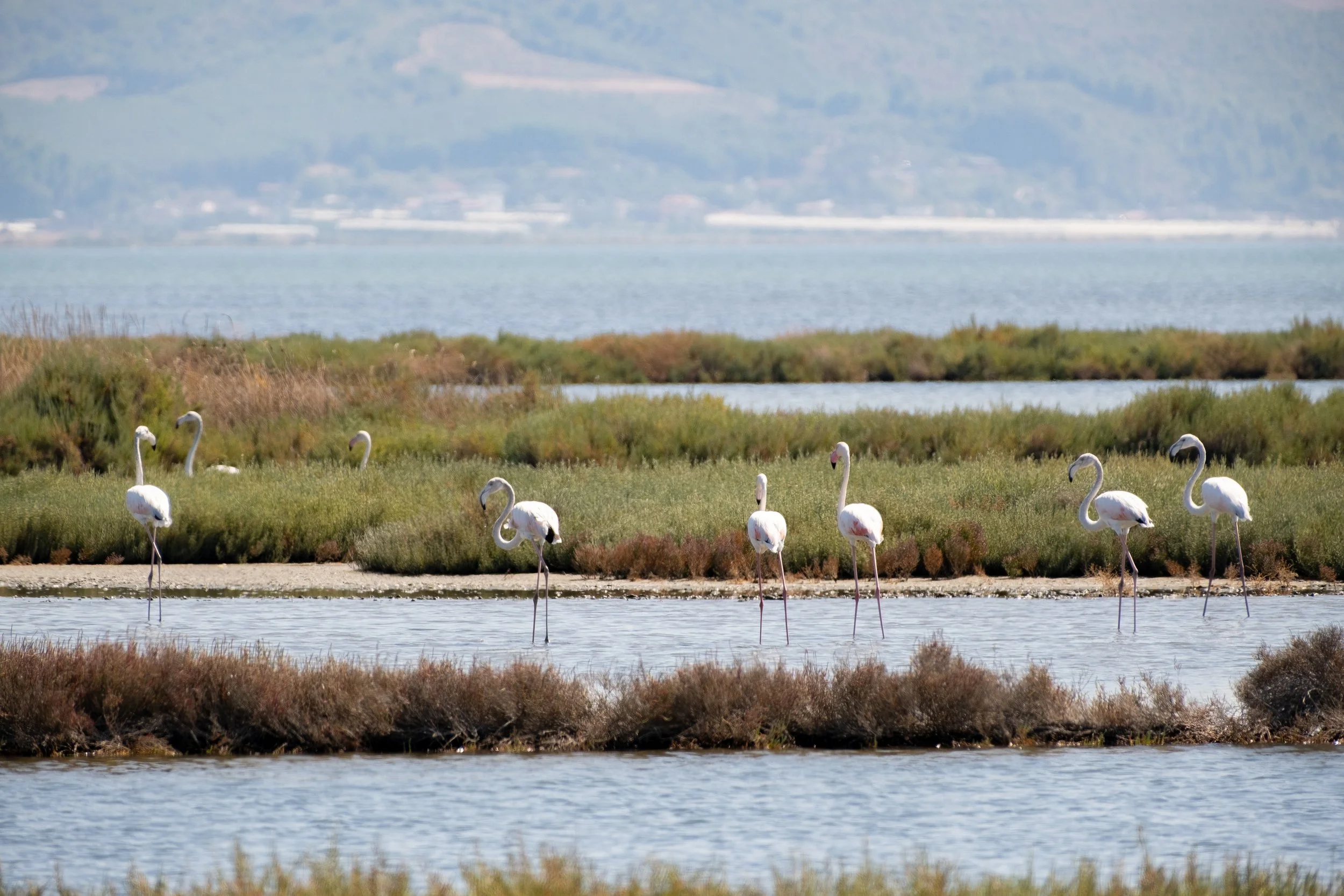
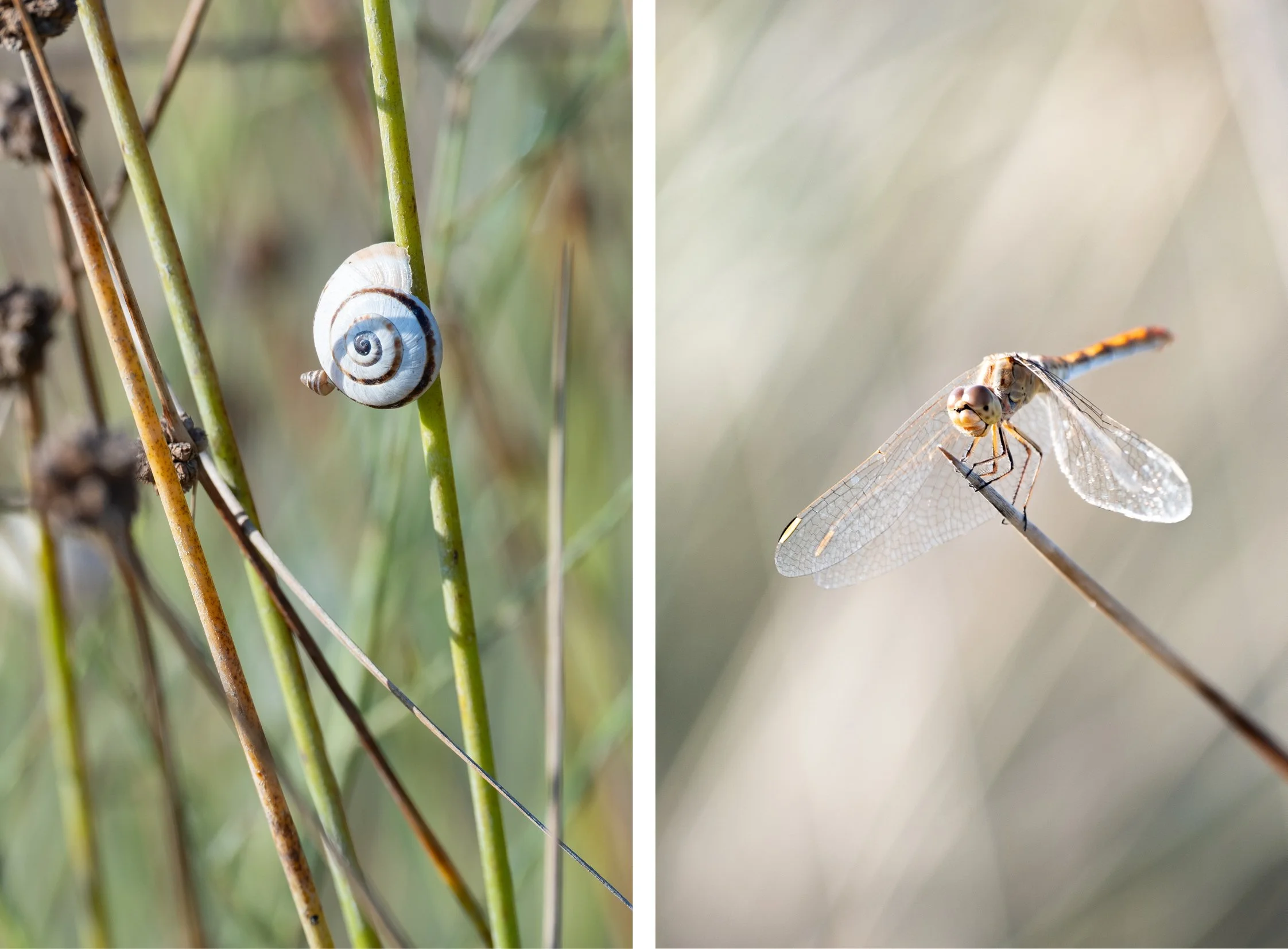
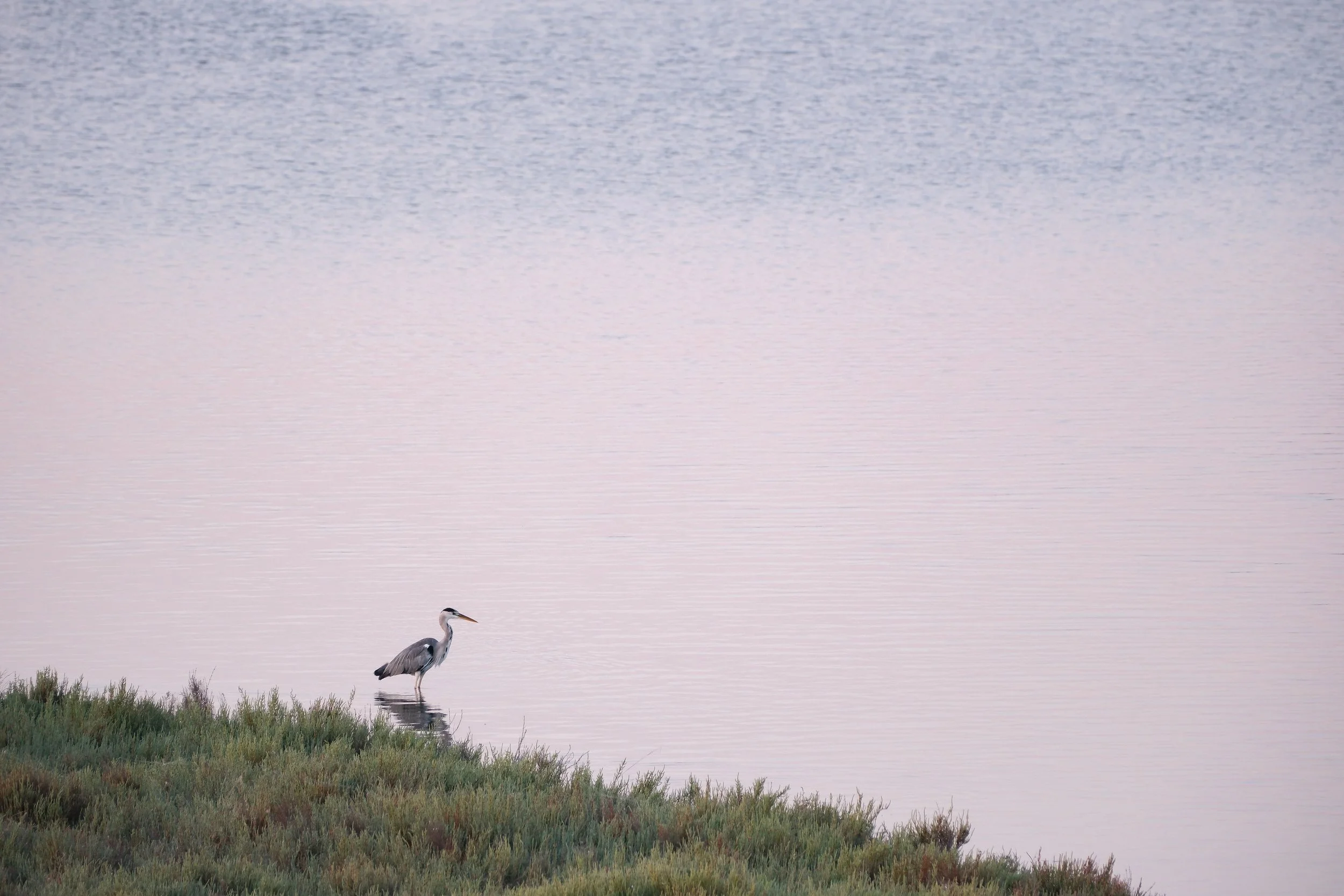
It’s famous for the Dalmatian pelicans who call it home, but there’s also plenty of other bird species to spot, too, including greater flamingos and migrating waders.

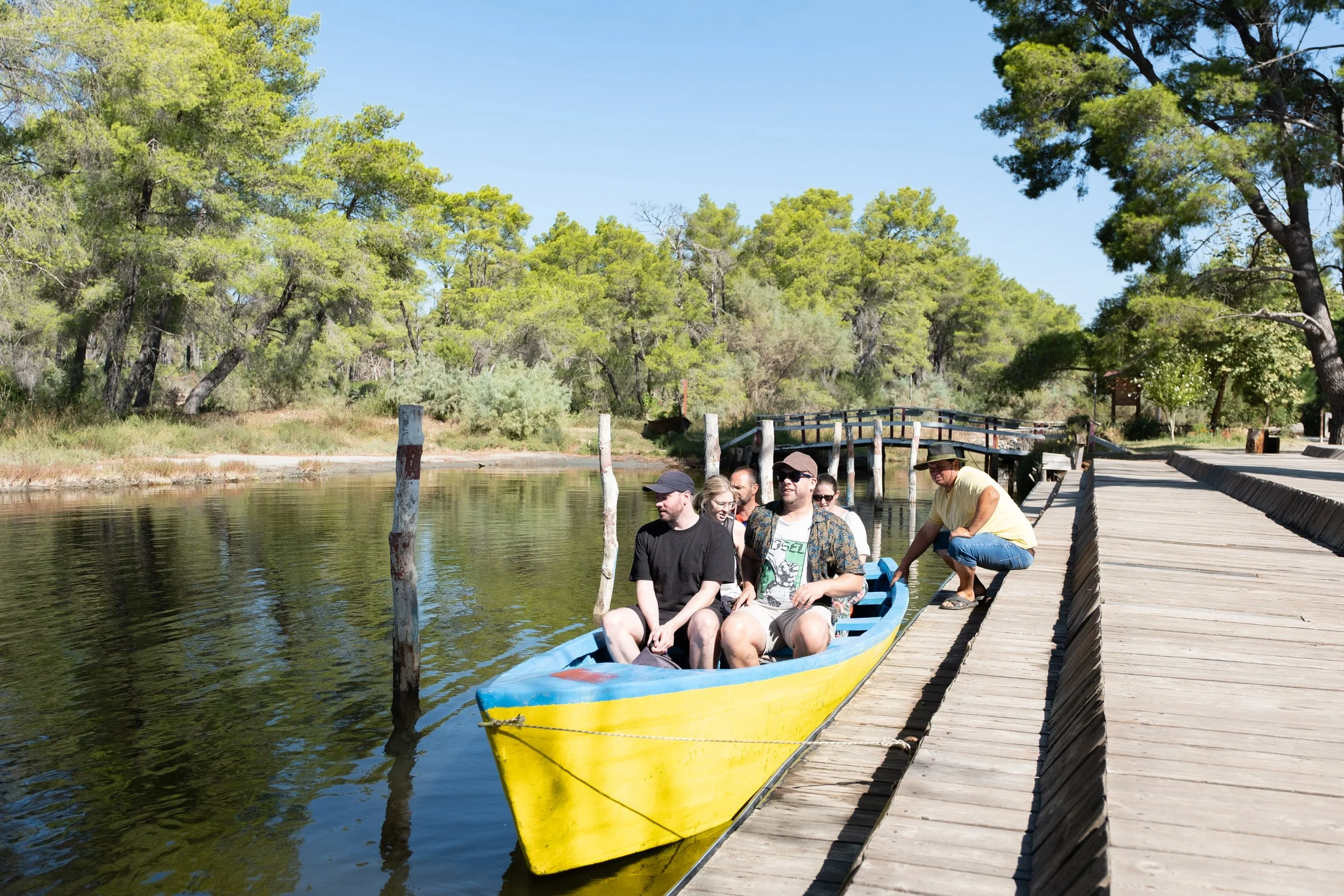
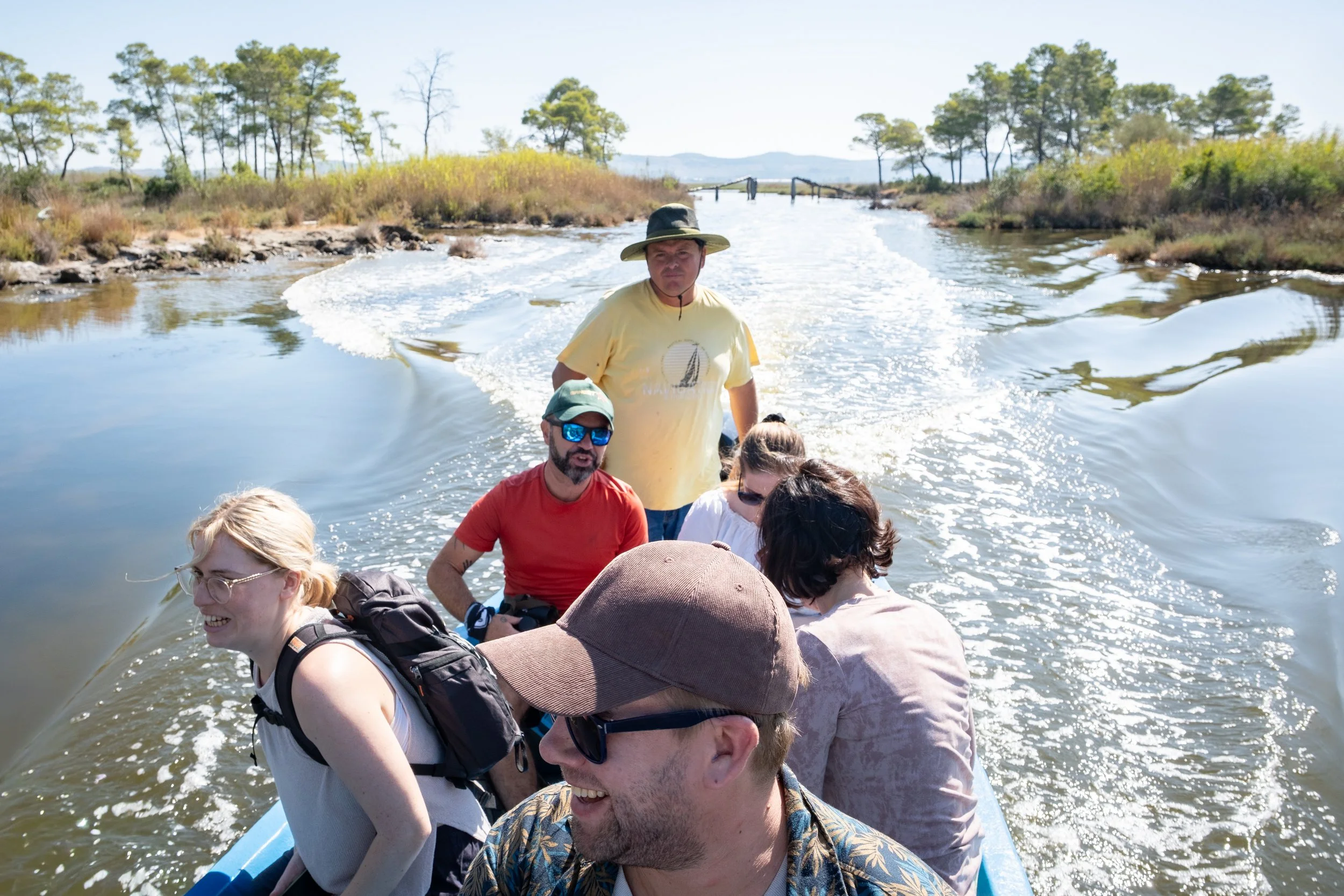
You can take a boat through the reed-flanked wetlands, walk among the pinewood paths or cycle along the thin strip of land separating the lagoon from the sea.

ALBANIA-Karavasta-.jpg
Karavasta portraits3.jpg
ALBANIA-Karavasta-8420.jpg
Karavasta portraits.jpg
ALBANIA-Karavasta-8537.jpg
Karavasta portraits4.jpg
ALBANIA-Karavasta-8561.jpg
ALBANIA-Karavasta-8566.jpg
ALBANIA-Karavasta-9005.jpg
Karavasta portraits2.jpg
ALBANIA-Karavasta-8522.jpg
ALBANIA-Karavasta-8503.jpg
ALBANIA-Karavasta-9093.jpg
ALBANIA-Karavasta-8873.jpg
ALBANIA-Karavasta--3.jpg
ALBANIA-Karavasta--2.jpg
ALBANIA-Karavasta--4.jpg
ALBANIA-Karavasta-9163.jpg
ALBANIA-Karavasta-9166.jpg
ALBANIA-Karavasta-9191.jpg
ALBANIA-Karavasta-9047.jpg

ALBANIA Lake Komani

ALBANIA-Lake-Komani-9667.jpg
ALBANIA-Lake-Komani-9649.jpg
ALBANIA-Lake-Komani-9653.jpg
Komani portraits for website2.jpg
ALBANIA-Lake-Komani-9656.jpg
ALBANIA-Lake-Komani-9693.jpg
ALBANIA-River-Shala-9781.jpg
ALBANIA-Lake-Komani-9700.jpg
Komani portraits for website.jpg
ALBANIA-Lake-Komani-9704.jpg
ALBANIA-Lake-Komani-9712.jpg
ALBANIA-Lake-Komani-9614.jpg
ALBANIA-Lake-Komani-9616.jpg
ALBANIA-Lake-Komani-9624.jpg
ALBANIA-Lake-Komani-9595.jpg
Komani portraits for website3.jpg
ALBANIA-Lake-Komani-9600.jpg

ALBANIA Old Tirana

It was by pure chance that we met Edmond and Hirka.

Elton, our guide, had taken us on a walking tour of Old Tirana with the main purpose of showing us relics from the communist era. We loitered around an unassuming green door with an engraved stone plaque and Elton explained that it commemorated the building’s former purpose as the printing press for propaganda poster and papers.

As we lingered, we were joined by the building’s current resident, Edmond, whose uncle and other antecedents had been the printers, propagandists and conspirators. He invited us in to the yard and his mother, Hirka, joined us. She (in some ways) fondly remembers the communist days; she waited tables in a famous cocktail bar and knew all the movers and shakers of the time. She remembers the propaganda printing and tells us stories of near captures and the fate of various family members.

This is our first experience of Albanian warmth and welcoming hospitality. It’s certainly not our last.

There aren’t many communist era buildings left in Old Tirana anymore. Each plot of land is highly sought after by developers and many owners of these old, crumbling buildings are, understandably, only too willing to exchange cash for decaying past.

ALBANIA-Tirana-8673.jpg
ALBANIA-Tirana-8665.jpg
Tirana old town4.jpg
ALBANIA-Tirana-8677.jpg
ALBANIA-Tirana-8682.jpg
ALBANIA-Tirana-8687.jpg
Tirana old town.jpg
Tirana old town2.jpg
Tirana old town3.jpg
Tirana old town5.jpg
Tirana old town6.jpg
Tirana old town7.jpg
Tirana old town8.jpg
Tirana old town9.jpg

ALBANIA Berat

ALBANIA-Berat-9107.jpg
ALBANIA-Berat-9108.jpg
ALBANIA-Berat-9112.jpg
ALBANIA-Berat-9136.jpg
ALBANIA-Berat-9146.jpg
ALBANIA-Berat-9147.jpg
ALBANIA-Berat-9154.jpg
ALBANIA-Berat-9163.jpg

ALBANIA Adriatik

After a long cycle ride among the dunes, woodlands and waterside paths of the Divjaka–Karavasta National Park, we arrive hot, sweaty and hungry at the Rrasa family homestead.

The intricately ornate yard is decked with stone carvings and sculptures adorning every available wall and they’ve all been lovingly created by Adriatik Rrasa, stone mason, wood carver, metalworker and all-round enthusiastic master craftsman ad his son Euro.

With a canopy of vine leaves overhead gently flickering the midday sun and shade across the stone surfaces, it was a photographers’ nightmare to capture. Yet it was an utterly joyous place to sit, look…and learn.

Eva Rrasa is an expert in Tasseomancy – the art of fortune telling by interpreting the patterns in coffee grounds – and she uses thick Turkish coffee to divine innate truths. She starts by swilling a drop of two of water around the cup I’ve just drunk from and sets it upside down for ten minutes. With her daughter Arnisa translating, she reveals insights that really do make more than a hint of sense.

ALBANIA-Karavasta-8752.jpg
ADriatik portraits4.jpg
ALBANIA-Karavasta-8647.jpg
ADriatik portraits3.jpg
ALBANIA-Karavasta-8701.jpg
ADriatik portraits.jpg
ALBANIA-Karavasta-8764.jpg
ALBANIA-Karavasta-8768.jpg
ALBANIA-Karavasta-8797.jpg
ALBANIA-Karavasta-8835.jpg

ALBANIA Vlorë

ALBANIA-Vlorë–Orikum-9098.jpg
ALBANIA-Vlorë–Orikum-8939.jpg
ALBANIA-Vlorë–Trajan-mountains-9282.jpg
ALBANIA-Vlorë–Trajan-mountains-9272.jpg
ALBANIA-Vlorë–Orikum-8935.jpg
ALBANIA-Vlorë–Trajan-mountains-9269.jpg
ALBANIA-Vlorë–Orikum-8949.jpg
ALBANIA-Vlorë–Orikum-8946.jpg
ALBANIA-Vlorë–Orikum-8958.jpg
ALBANIA-Vlorë–Orikum-8978.jpg
ALBANIA-Vlorë–Orikum-8970.jpg
ALBANIA-Vlorë–Orikum-8981.jpg
ALBANIA-Vlorë–Orikum-8984.jpg
ALBANIA-Vlorë–Orikum-8995.jpg
ALBANIA-Vlorë–Orikum-8997.jpg
ALBANIA-Vlorë–Orikum-8998.jpg
ALBANIA-Vlorë–Orikum-9010.jpg
ALBANIA-Vlorë–Orikum-.jpg
ALBANIA-Vlorë–Orikum-9020.jpg
ALBANIA-Vlorë–Orikum-9022.jpg
ALBANIA-Vlorë–Orikum-9025.jpg
ALBANIA-Vlorë–Orikum-9039.jpg
ALBANIA-Vlorë–Orikum-9481.jpg
ALBANIA-Vlorë–Orikum-9058.jpg
Vlorë2.jpg
ALBANIA-Vlorë–Orikum-9095.jpg
ALBANIA-Vlorë–Orikum-9088.jpg

ALBANIA Tirana

ALBANIA-Tirana-8545.jpg
ALBANIA-Tirana-8496.jpg
Tirana6.jpg
ALBANIA-Tirana-8196.jpg
ALBANIA-Tirana-8464.jpg
Tirana.jpg
ALBANIA-Tirana-8546.jpg
Tirana4.jpg
ALBANIA-Tirana-8470.jpg
Tirana5.jpg
Tirana2.jpg
Tirana7.jpg
Tirana old town10.jpg

ALBANIA Durrës

ALBANIA-Bari-Durres-boat-8164.jpg
ALBANIA-Bari-Durres-boat-8168.jpg
ALBANIA-Bari-Durres-boat-8173.jpg
ALBANIA-Bari-Durres-boat-8178.jpg
ALBANIA-Bari-Durres-boat-8381.jpg
ALBANIA-Bari-Durres-boat-8396.jpg
ALBANIA-Bari-Durres-boat-8401.jpg
ALBANIA-Bari-Durres-boat-8406.jpg
ALBANIA-Bari-Durres-boat-8434.jpg

MOROCCO Oualidia

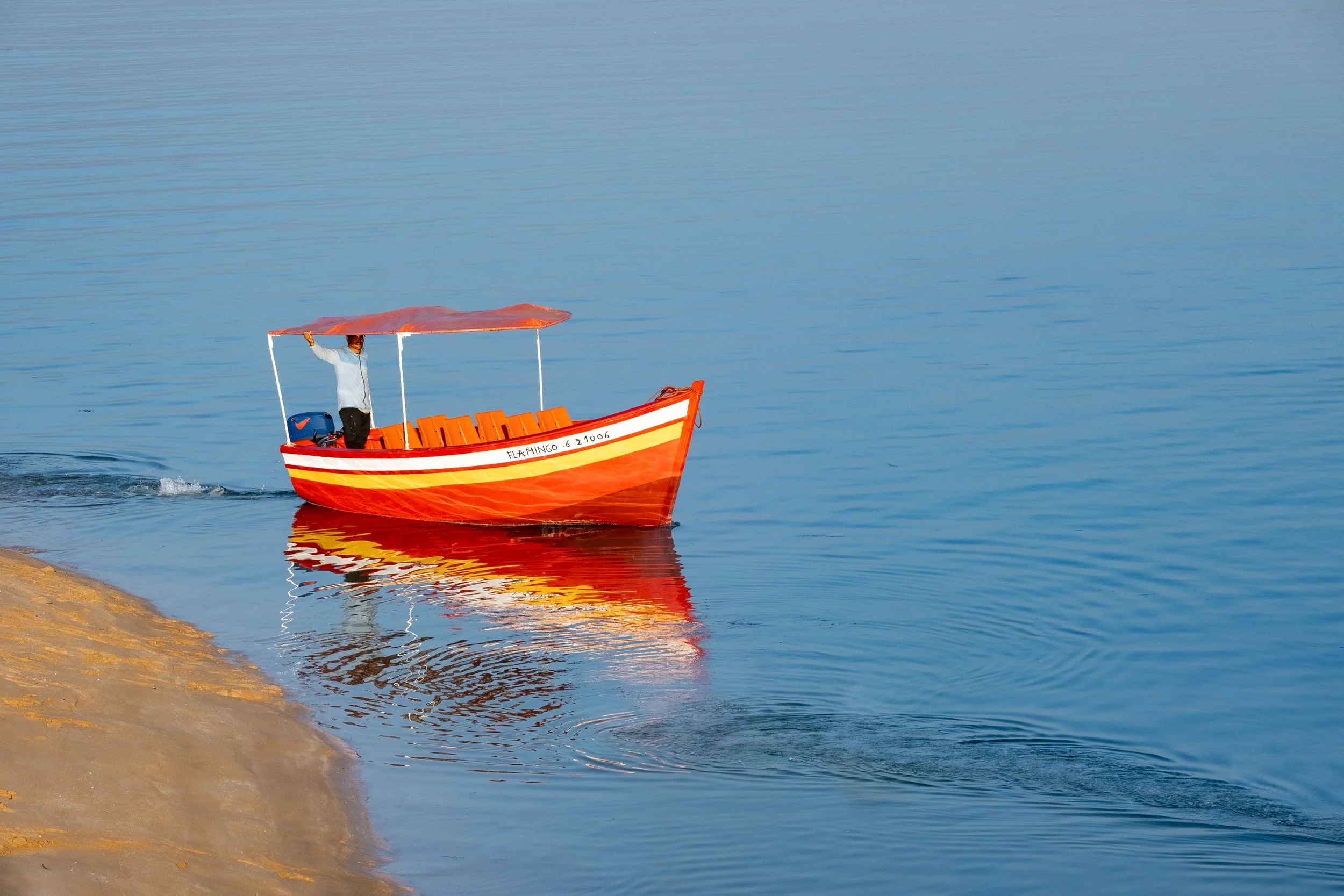
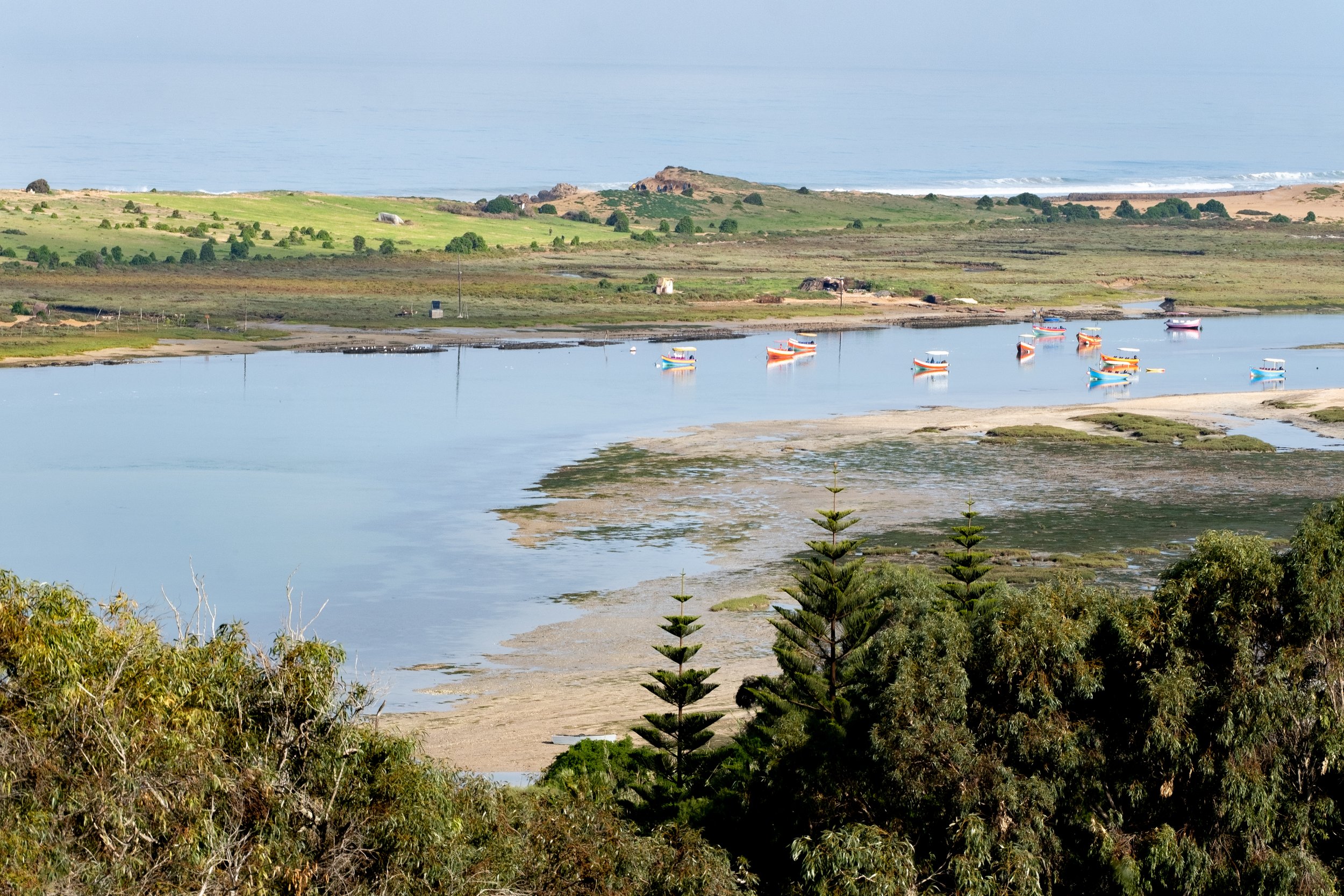
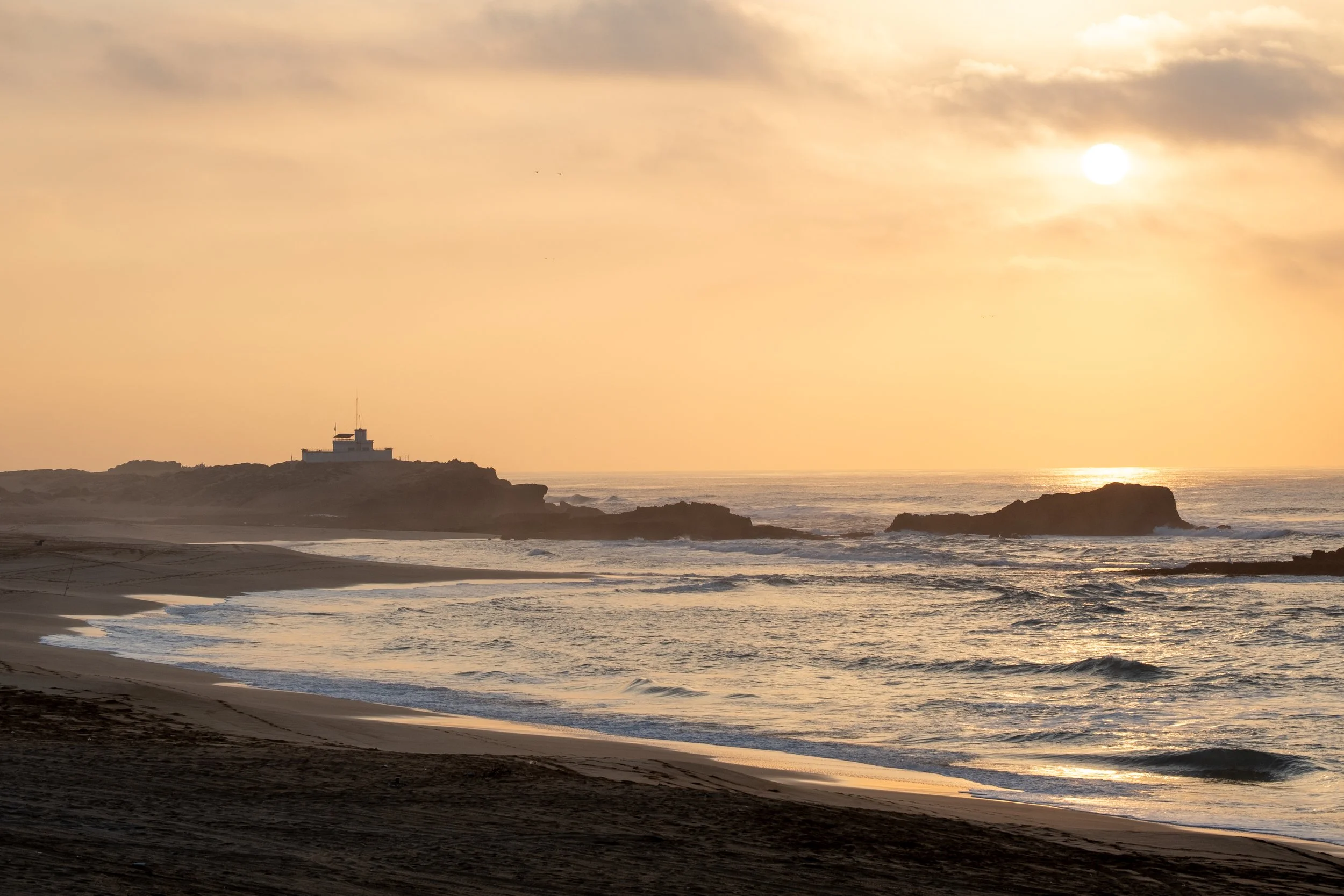
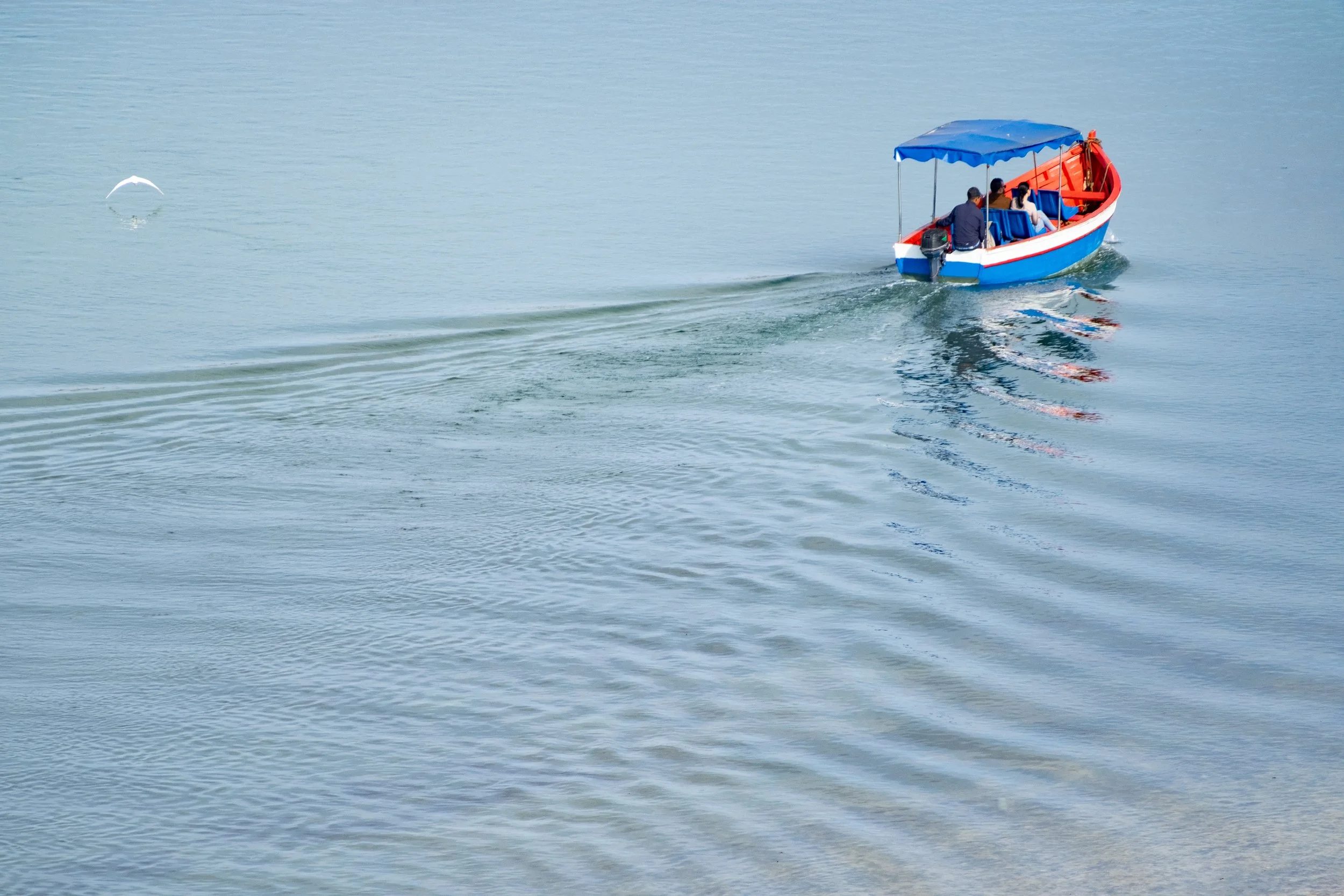
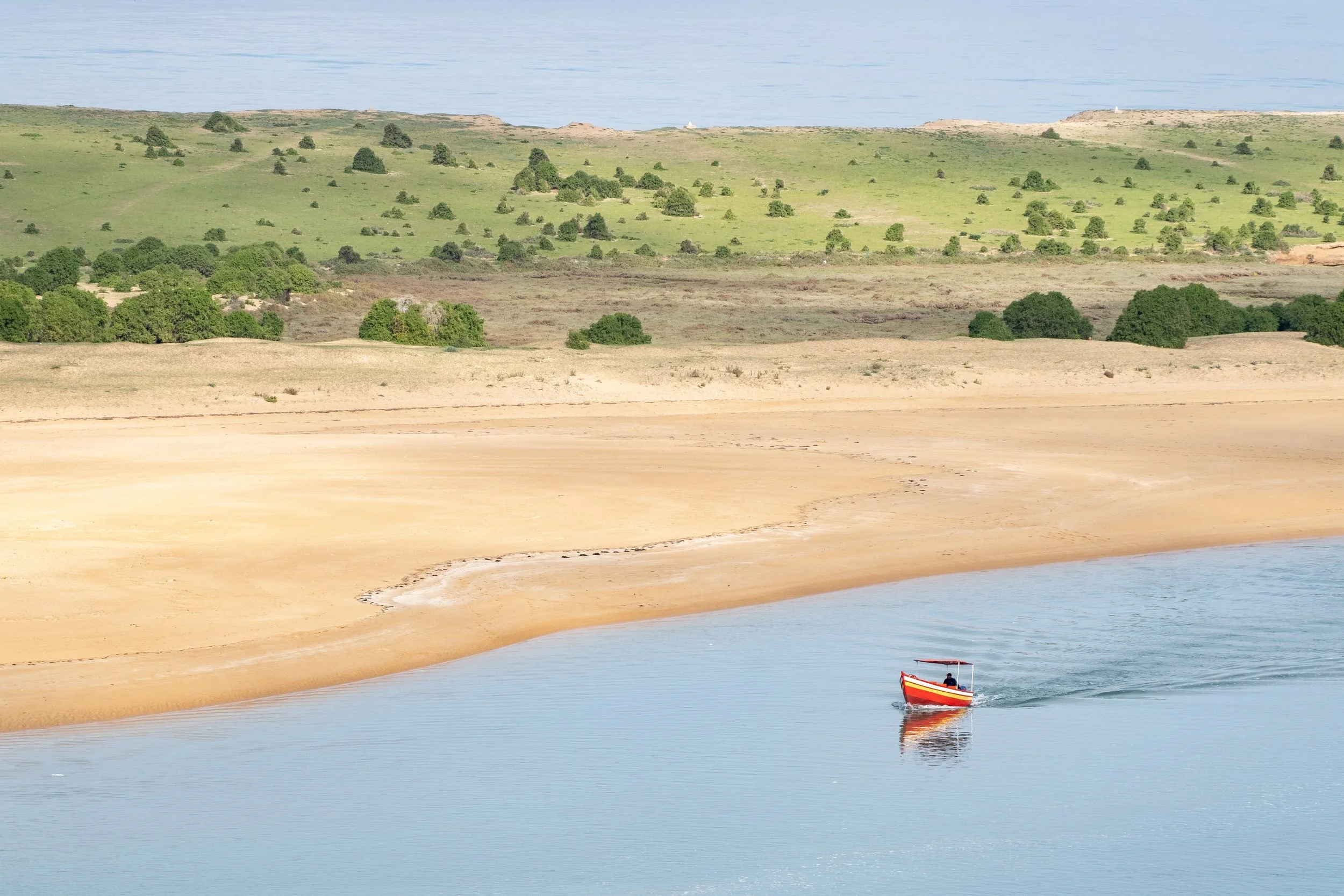
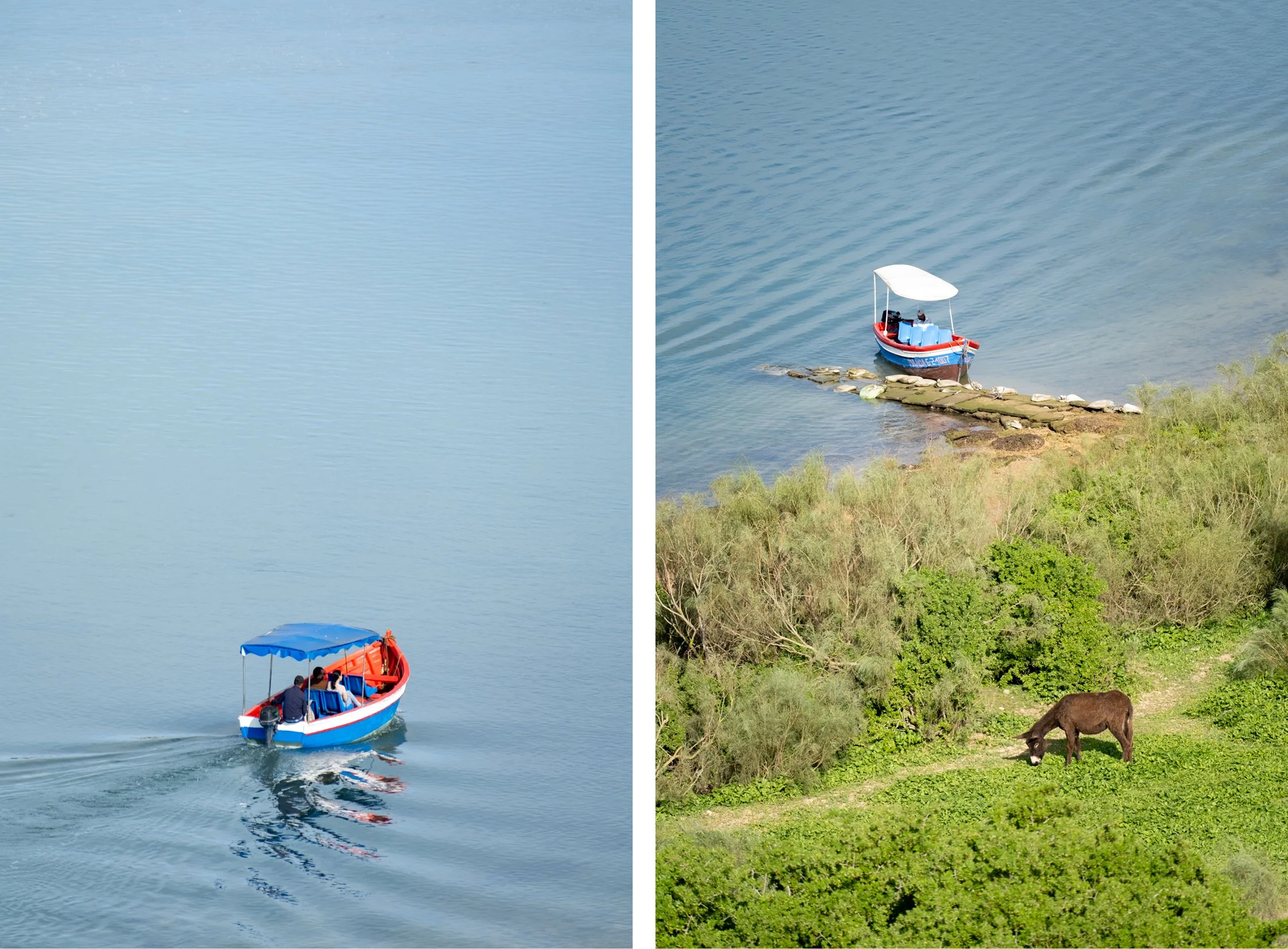
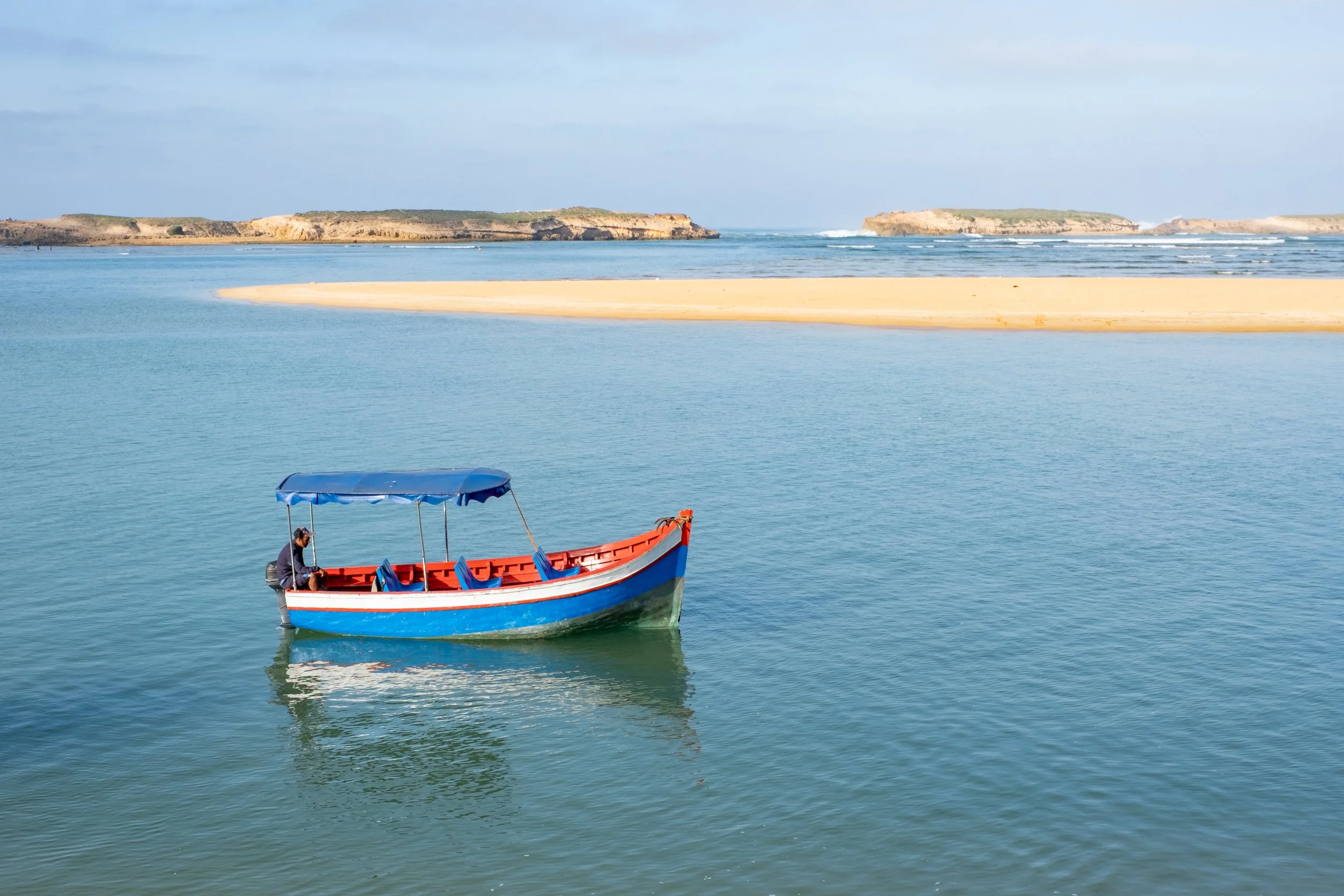
Set between the shifting sands of a nature-rich tidal lagoon and a honey-sand beach with huge Atlantic waves crashing over rocky outcrops, Oualidia in Morocco is a world away from the labyrinthine medinas and frenetic markets of Marrakesh or Fez. In fact you’re unlikely to even see a carpet seller or ceramics trader in this resort town; it’s much more a favourite weekend destination for rich Marakshis than a Westerner/backpacker hang out.

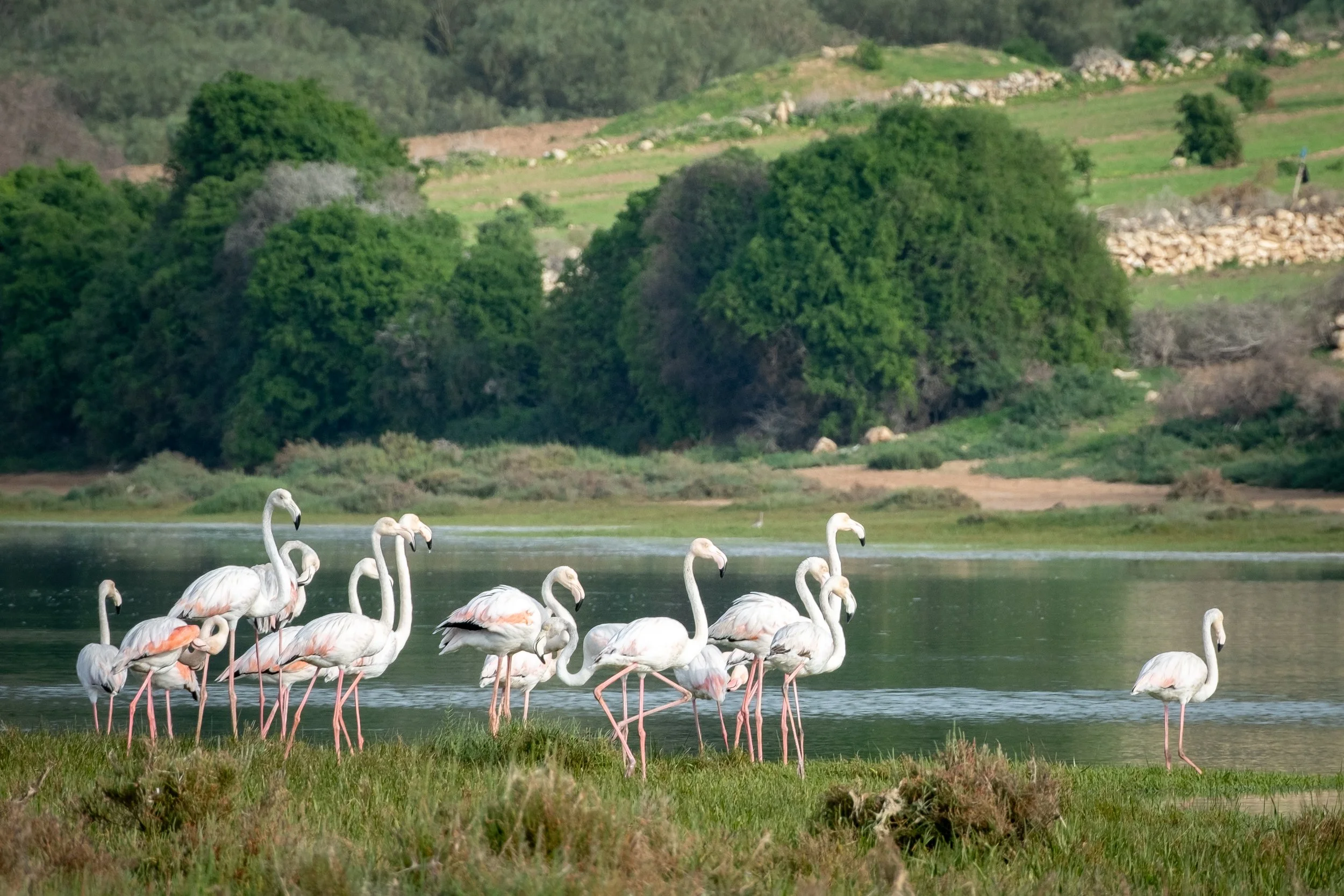
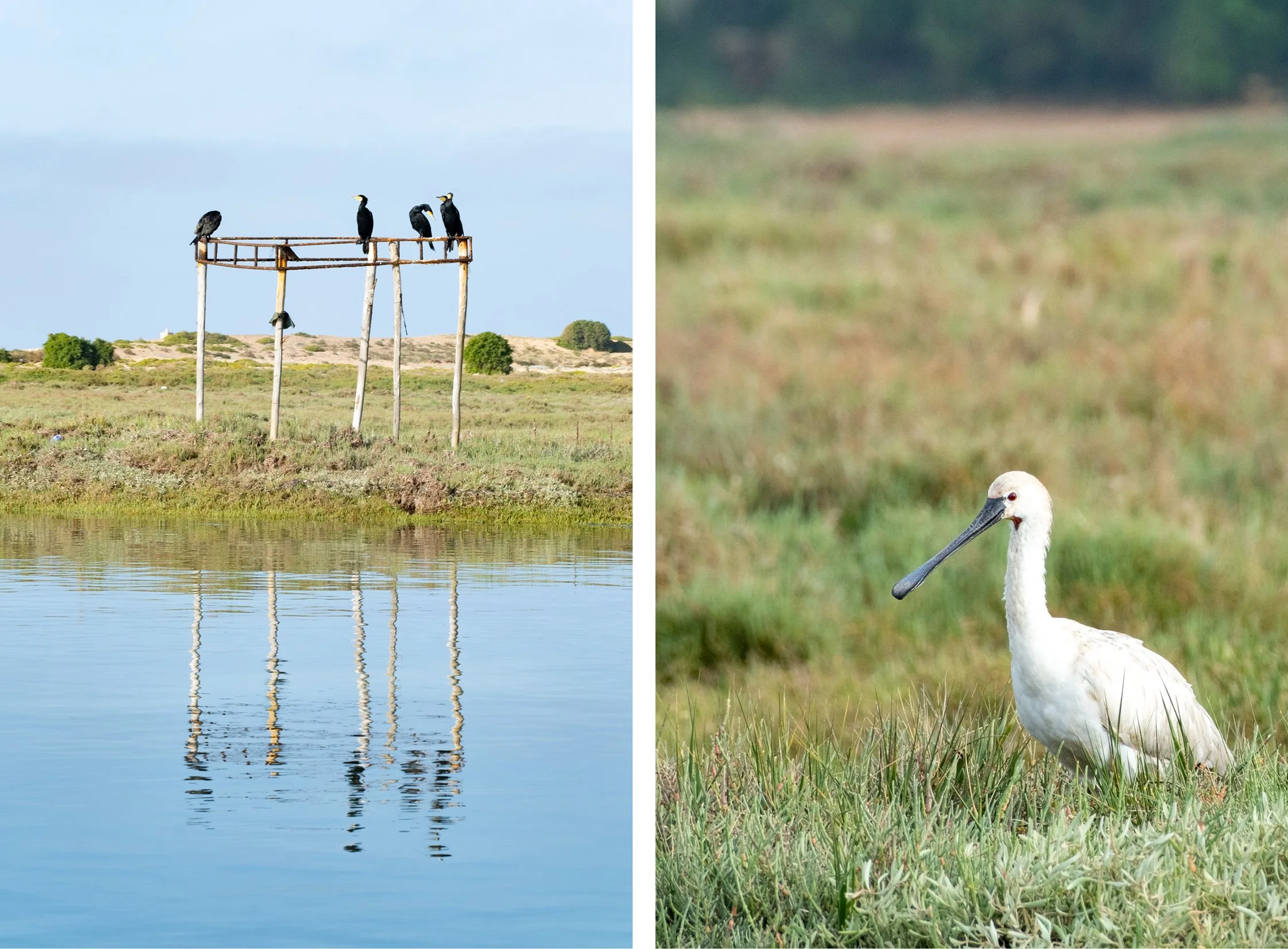
The lagoon is part of the RAMSAR protected Sidi Moussa-Oualidia wetland complex and an important ecosystem for both biodiversity and agriculture. It’s a prime stop-off for migratory birds and you can take a boat and guide out into the lagoon to see the rich birdlife. Look out for global red-listed endangered species like the marbled teal and purple swamphen along with easier-to-spot species like the greater flamingoes and Eurasian spoonbills.

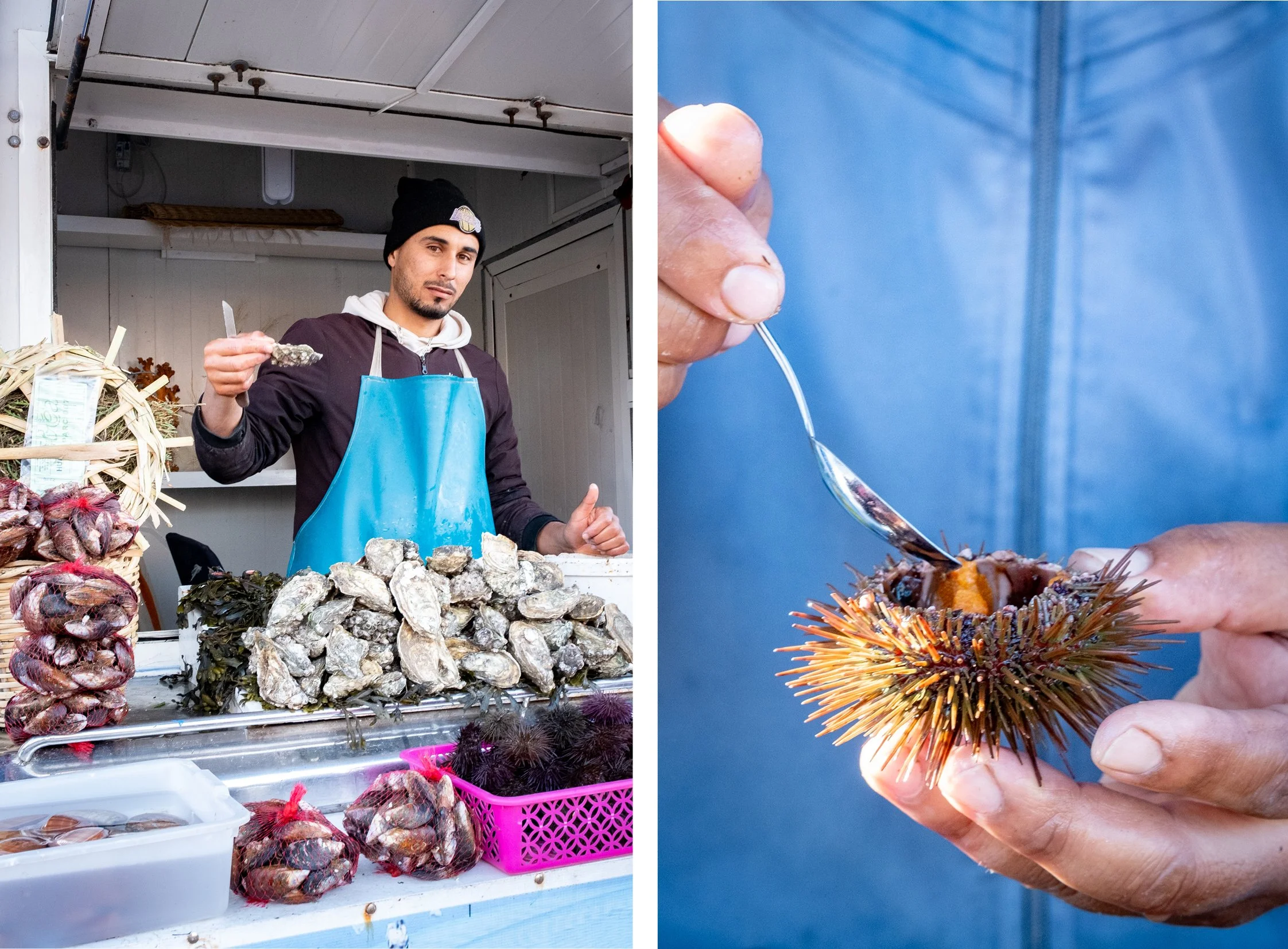
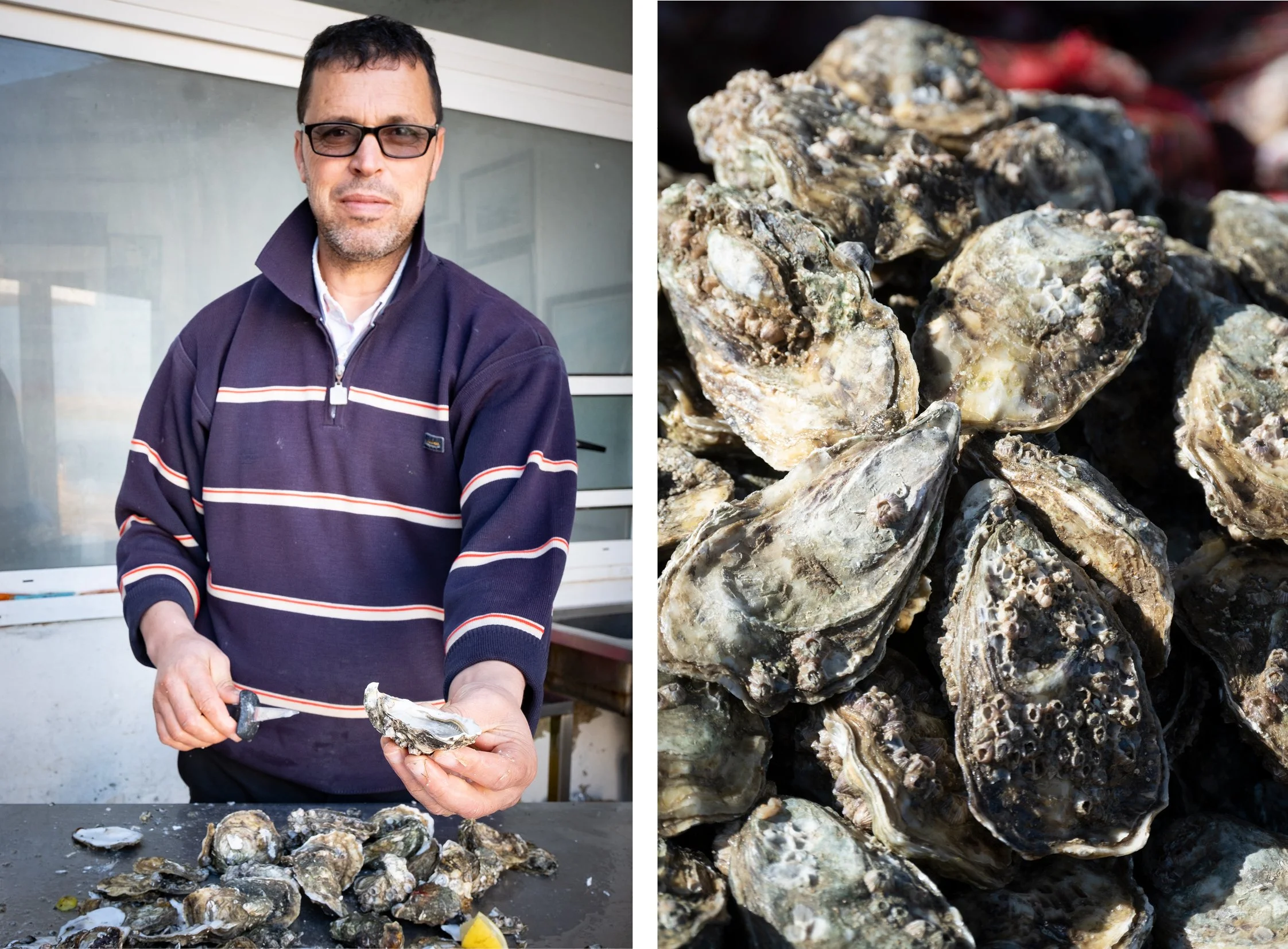
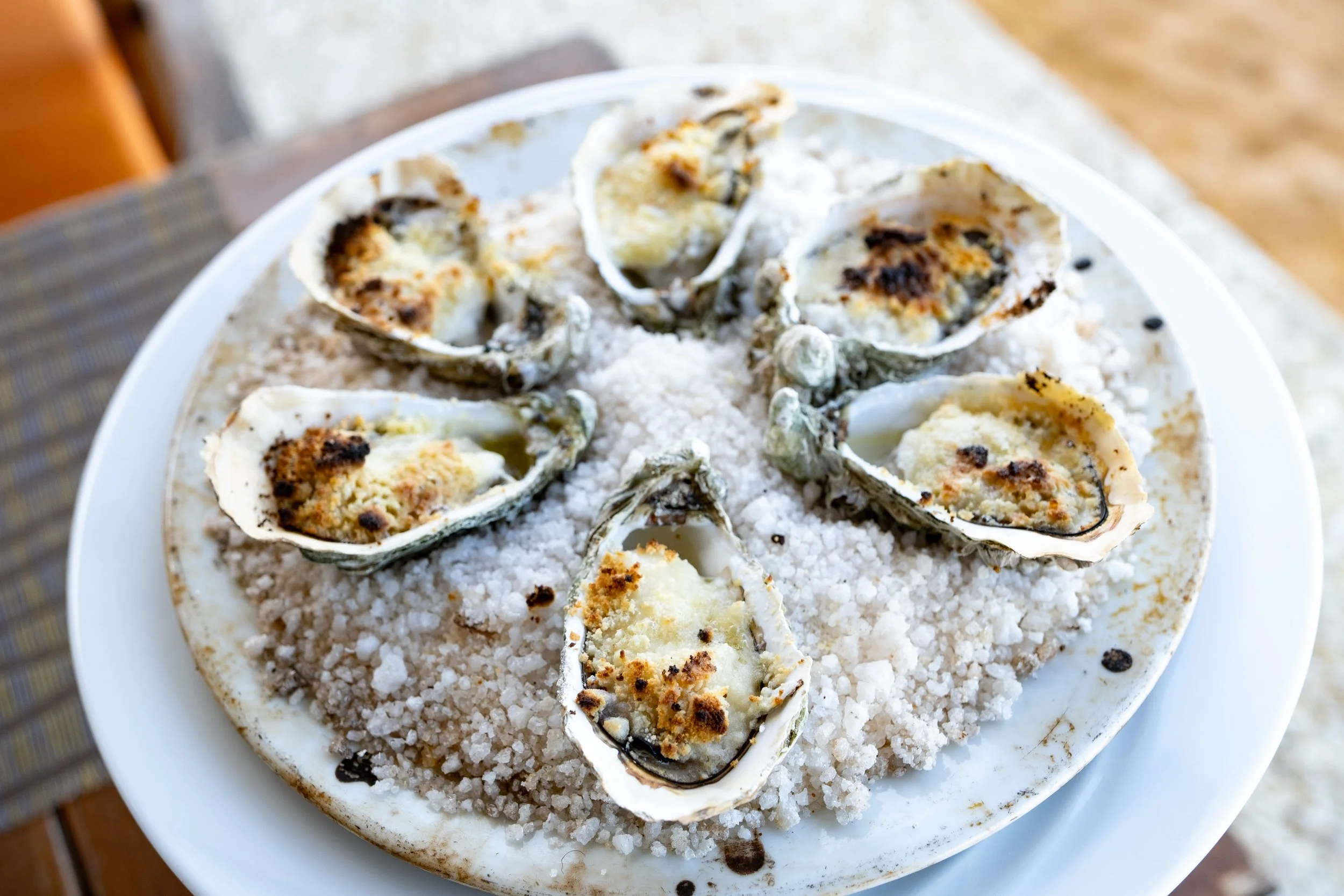
The town has become famous for the cultivation of Japanese oysters. Try them for a few dirhams each in one of the harbour shacks, or head to Ostrea II a little walk up the coast and have them with champagne.

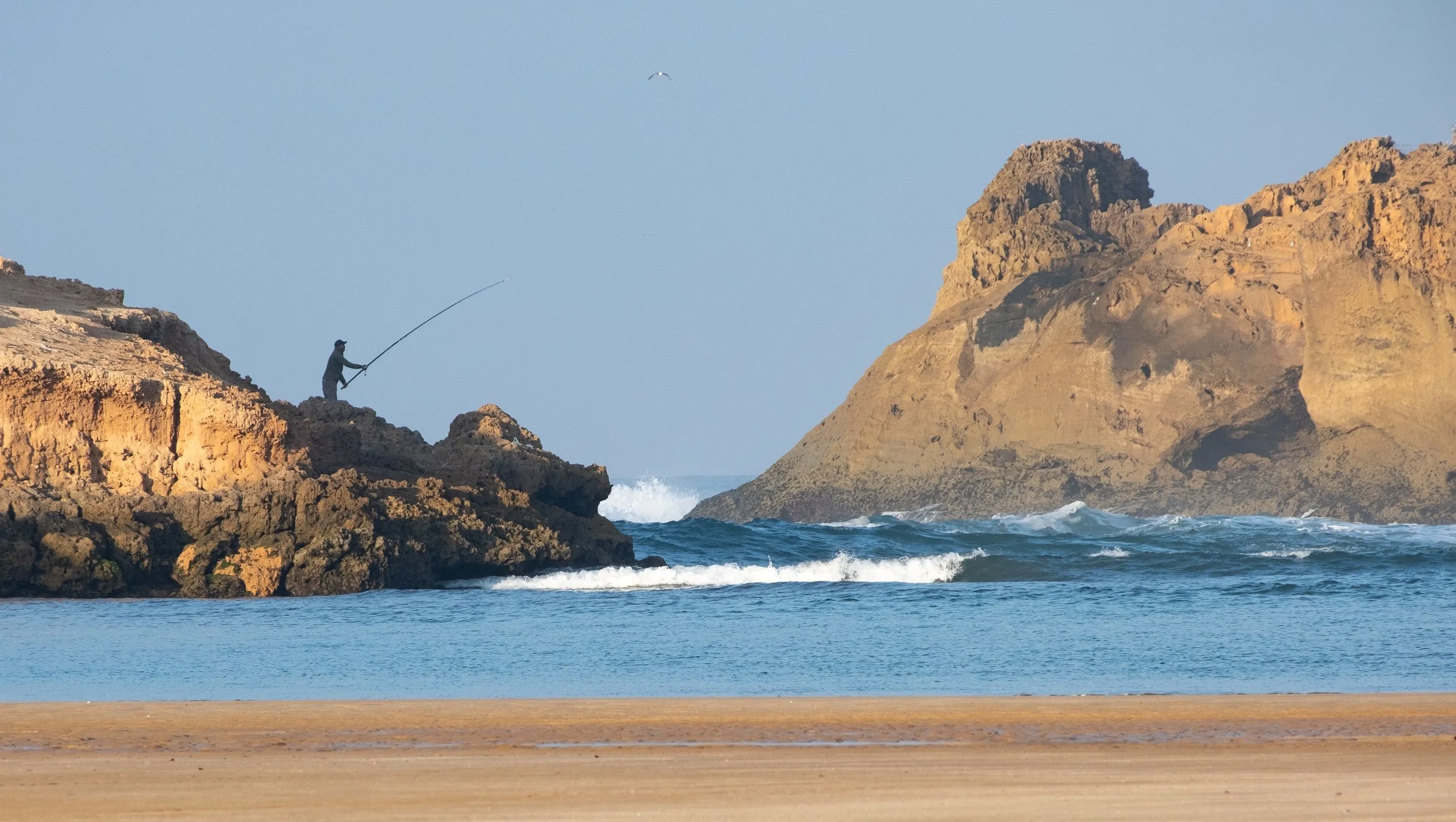
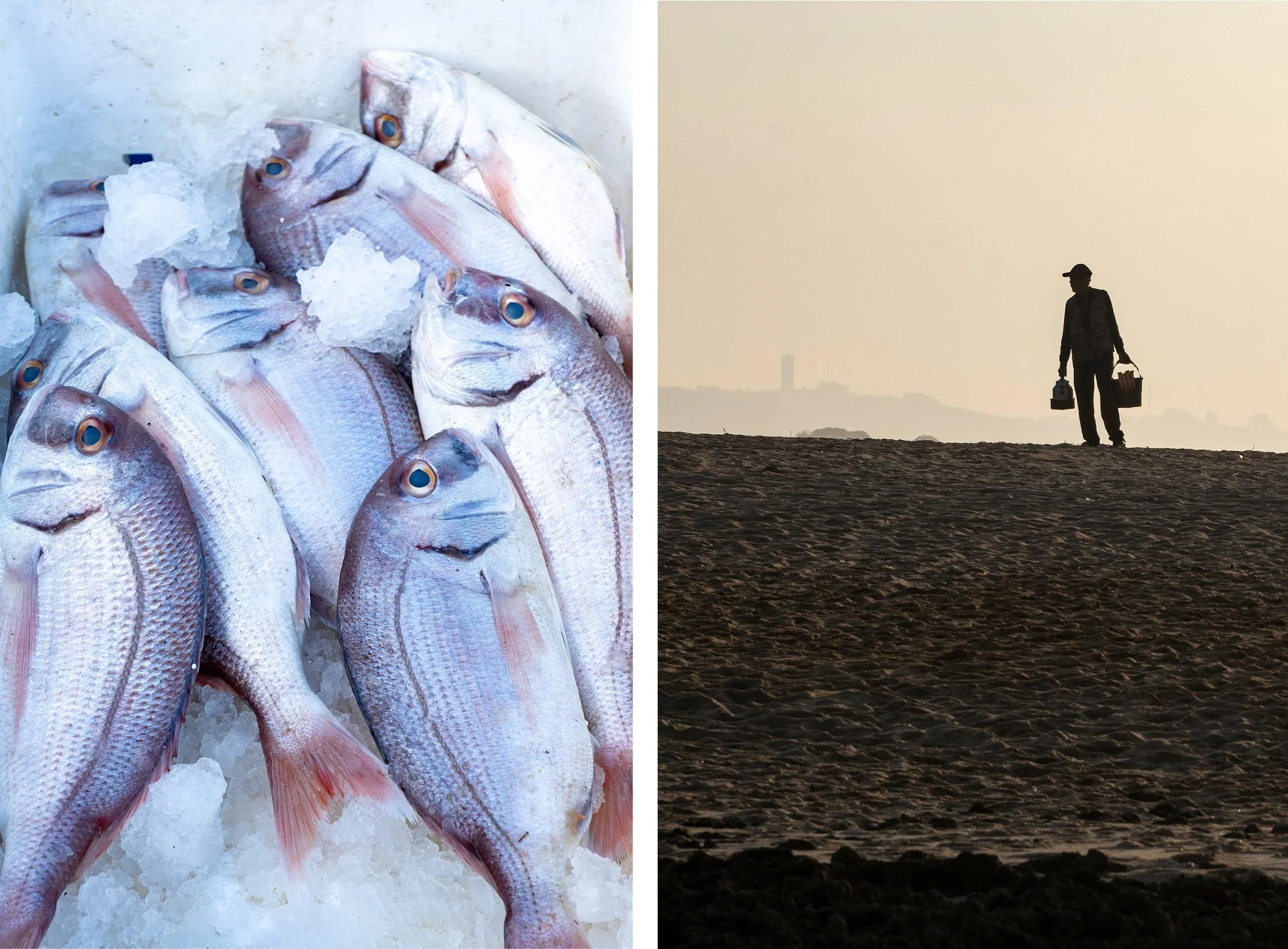
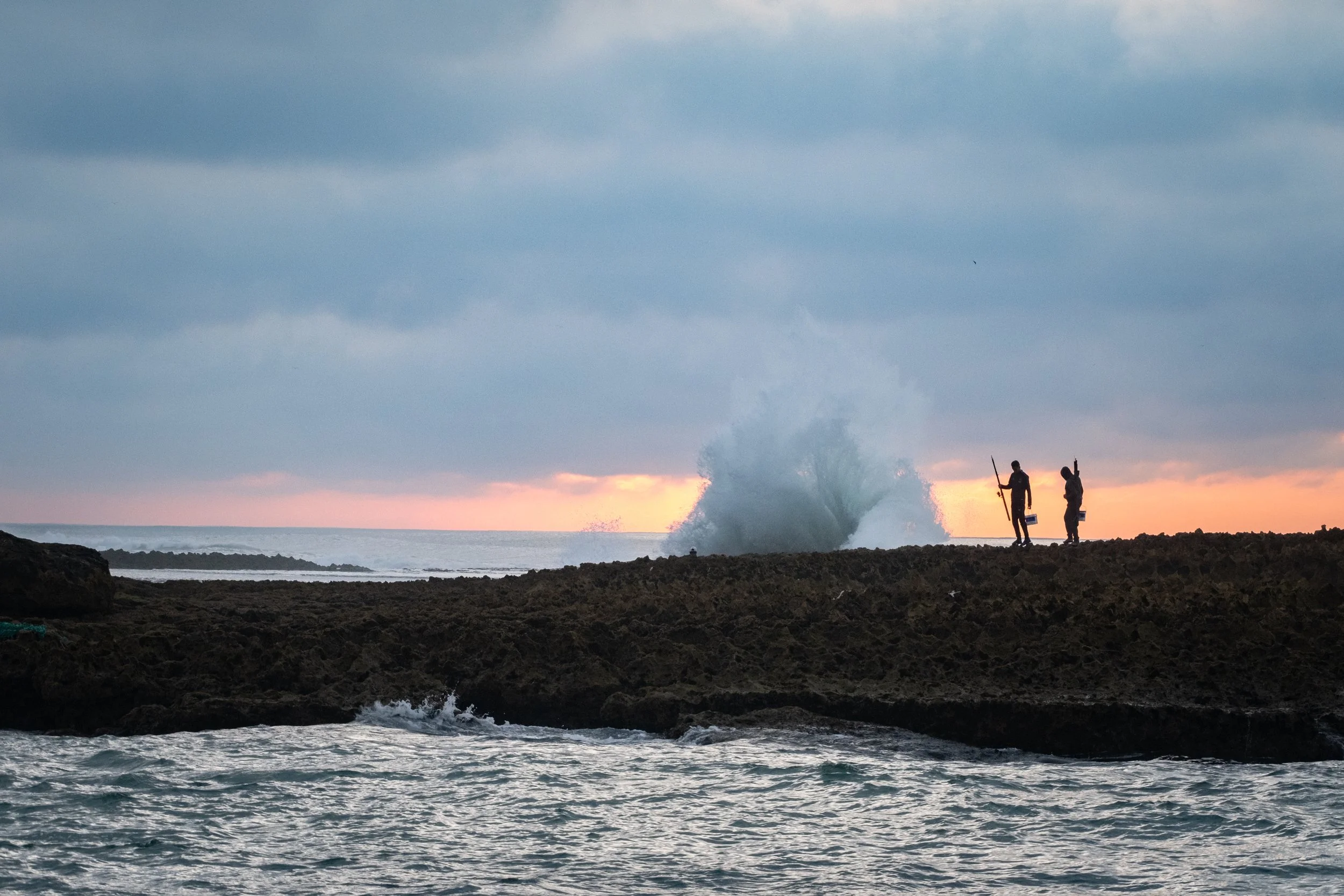
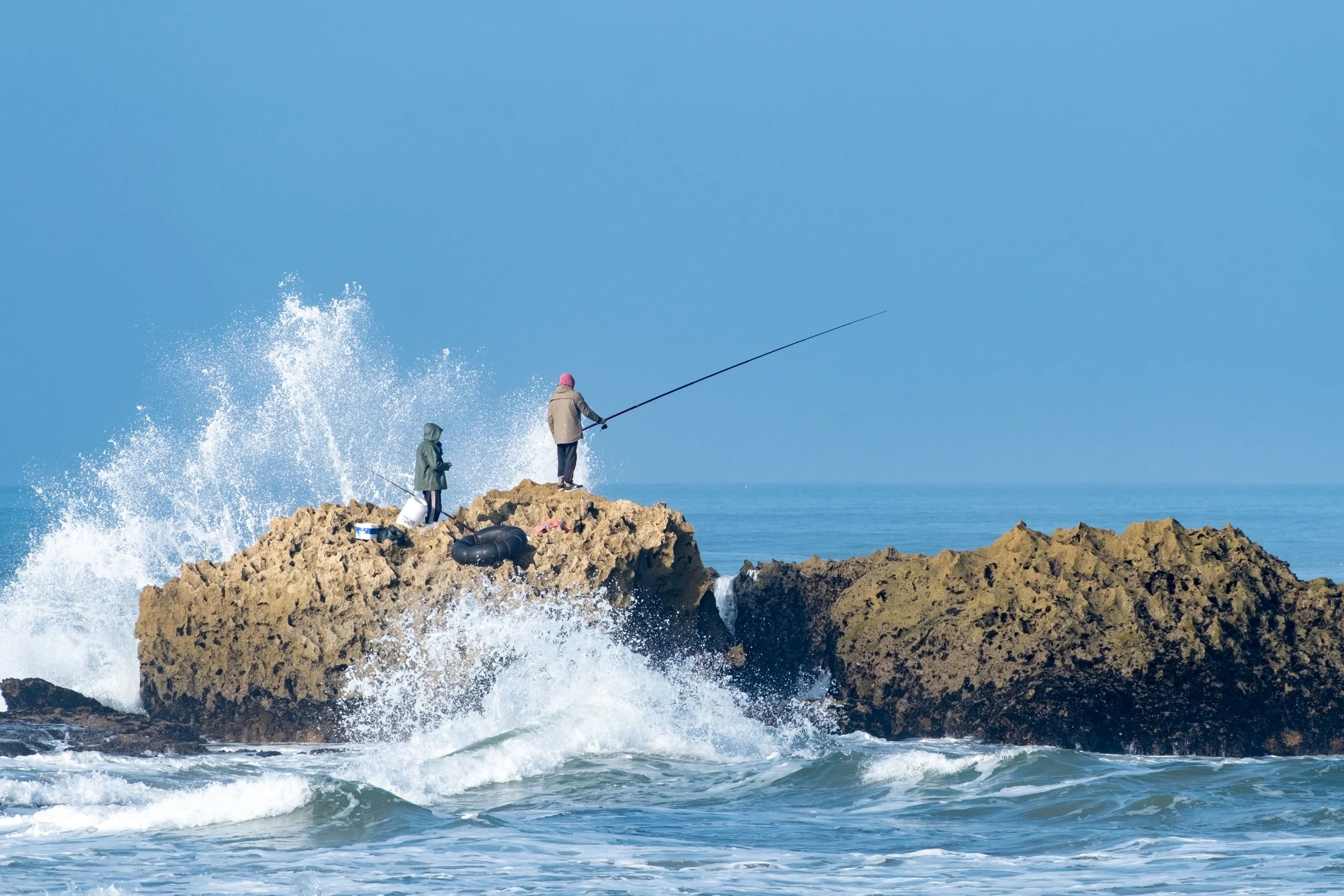
Fishing is one of the main pastimes in Oualidia and you’ll spot precariously perched fishermen on rocky outcrops already surrounded by the crashing waves with their long rods dipping out into the water.

The calm waters of the lagoon are the perfect place to take a dip or learn to surf (although you might be sharing the sea with a hundred or so inquisitive seagulls). The King of Morocco reportedly sends his children here for surfing lessons and his family even used to have a home here.

MOROCCO-Oualidia-0682.jpg
MOROCCO-Oualidia-0958.jpg
MOROCCO-Oualidia-0655.jpg
MOROCCO-Oualidia-0919.jpg
MOROCCO-Oualidia-0621.jpg
MOROCCO-Oualidia-1134.jpg
MOROCCO-Oualidia-0939.jpg
Oualidia portraits for website5.jpg
MOROCCO-Oualidia-0627.jpg
MOROCCO-Oualidia-0778.jpg
Oualidia portraits for website.jpg
MOROCCO-Oualidia-0701.jpg
Oualidia portraits for website2.jpg
MOROCCO-Oualidia-1167.jpg
MOROCCO-Oualidia-0801.jpg
Oualidia portraits for website3.jpg
MOROCCO-Oualidia-0811.jpg
Oualidia portraits for website4.jpg
MOROCCO-Oualidia-1041.jpg
MOROCCO-Oualidia-1062.jpg
MOROCCO-Oualidia-1122.jpg
MOROCCO-Oualidia-1299.jpg

GUINEA-BISSAU João Veira Biosphere Reserve

UNESCO-designated João Vieira Marine Park Biosphere Reserve is located in the Bijagos islands of Guinea-Bissau. It comprises the Ilha de Orango National Park – a mix of savannah and mangroves and home to hippos and crocodiles, among many other species – and Poilão marine reserve – an internationally important nesting site for endangered green and hawksbill turtles.

NOR_9957.jpg
NOR_9898.jpg
NOR_9891.jpg
NOR_9877.jpg
NOR_0132.jpg
NOR_0189.jpg
NOR_0144.jpg

SENEGAL Toubab Dialao

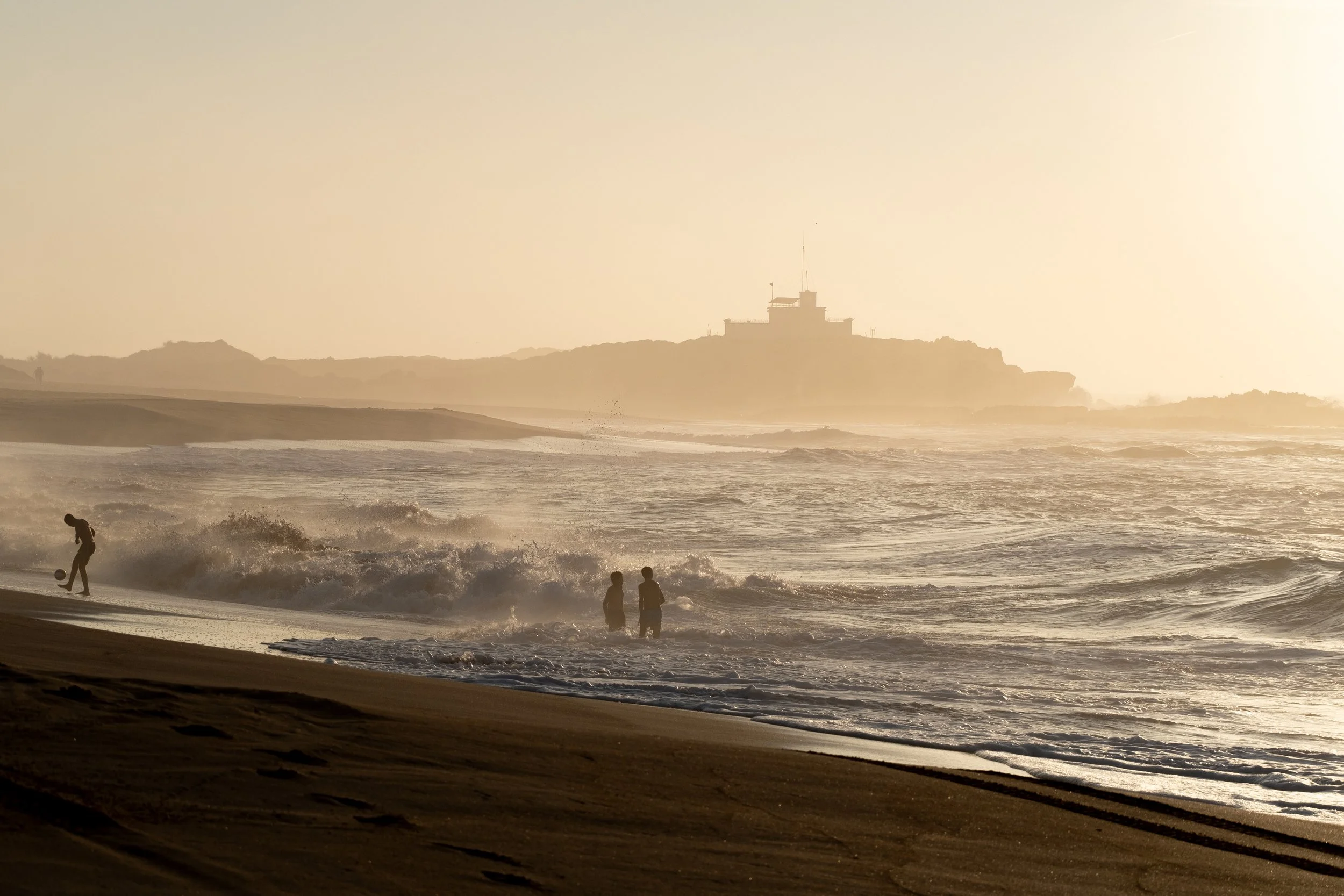
Toubab Diaolao is a fishing village on the Atlantic coast of Senegal. Over thirty years ago Haitian-born Gérard Chenet picked this quiet spot to build a space for a theatre and musicians’ community known as Sobo Badé. In 2017, Senegal’s brand-new international airport was opened a mere 20-minute drive from here, so time will tell how long this village will remain quiet and undiscovered.

_MAL1512.jpg
_MAL1511.jpg
_MAL1540.jpg
_MAL0862.jpg
_MAL0864.jpg
_MAL0869.jpg

INDIA Kolukkumalai

The Kolukkimalai Tea Estate is the world’s highest organic tea plantation and it’s situated on the Kerala/Tamil Nadu borders, high among India’s Western Ghats. Visitors can stay in an eco-chic mountain hut, hike among the surrounding hills, tour the tea factory, try their hand at tea picking and, most importantly of all, sample the many varieties of tea grown on the estate.

Tea picking at the Kolukkumalai estate, Kerala, India
Tea weighing at the Kolukkumalai estate, Kerala, India
Tea picking at the Kolukkumalai estate, Kerala, India
Sunrise at the Kolukkumalai estate, Kerala, India
The log book at the Kolukkumalai estate, Kerala, India
Tea picking managers at the Kolukkumalai estate, Kerala, India
Tea at the Kolukkumalai estate, Kerala, India

INDIA Kaziranga National Park

Kaziranga National Park in Assam, northern India is a World Heritage site and home to two-thirds of the world’s remaining one-horned rhinos. The species is listed as vulnerable by the IUCN Red List but, thankfully, conservation efforts in the park have been successful and the population is gradually increasing. Other creatures you might spot on safari include wild elephants, water buffalo, swamp deer and, if you’re really lucky, tigers.

IND_2211.jpg
IND_1890.jpg
IND_1909_adj.jpg
IND_1988.jpg
IND_2001.jpg
IND_2370.jpg
Tea picking in Assam, India

SENEGAL Popenguine

Sitting atop a crumbling old WWII-era French pillbox on Popenguine’s Cap de Naze, an elevated mass of volcanic rock, crashing wild atlantic waves scour the endless white-sand beaches below and the urban expanse of Dakar shimmers, barely perceptible, in the far distance. A lone osprey gracefully soars overhead and a pair of colourful Abyssinan rollers dart in and out of a stately baobab tree while all around the acacia and tamarisk trees buzz and twitter with insect and bird life. 

Go back thirty years, however, and it was a very different picture: the wood in the forest had been plundered for both building materials and firewood, and the land was so degraded that it no longer acted as a viable defence from the wild ocean. That is until a coalition of local women’s groups from the surrounding villages got together with the Department of Forestry and, along with funding from a French NGO, took on the conservation of the land, naming it Parque Naturelle de Popenguine.

Visiting the park requires a permit and a guide which are easily sought from the Campement next door. Guides are university-educated conservationists and speak a variety of languages including English and French. You can also stay the night in the simple thatched huts of the the Campement and chat with some of the local women involved in the project as they prepare your breakfast. The best time to hike in the park is dawn when the air is moist and cool, and the sun hasn’t yet begun to appear from behind the hills. You might even spot a porcupine or hyena heading home from their nocturnal wanderings.

View from the crumbling pillbox, Popenguine Natural Park
The beach next to Popenguine Natural Park
Kingfisher, Popenguine Natural Park
Abby, one of the ladies involved in the upkeep of the campement at Popenguine Natural Park
The beach at Popenguine, Senegal
The Baobabs and acacias at Popenguine Natural Park, Senegal
_MAL1196.jpg
_MAL1264.jpg

GUINEA-BISSAU Vaca Bruto

The Vaco Bruto is a rite of passage performed by the men of the village on the Guinea-Bissau island of Uno in the Bijagos islands. The men don carefully carved masks and act out a bull fight to show their strength and power.

You can read about more from my trip to Guinea Bissau in this piece I wrote for Rough Guides.

NOR_9575.jpg
NOR_9581.jpg
NOR_9640.jpg
NOR_9691.jpg
NOR_9603.jpg
NOR_9760.jpg

UK Norfolk grey seals

Grey seals breed all around the UK’s coastline and I was lucky enough to see them one cold October day in 2021.

Norfolk-seals-2088.jpg
Norfolk-seals-2181.jpg
Norfolk-seals-2036-3.jpg
Norfolk-seals-2051.jpg
Norfolk-seals-2067-2.jpg
Norfolk-seals-2048.jpg
Norfolk-seals-2084-2.jpg
Norfolk-seals-2187.jpg
Norfolk-seals-2172.jpg
Norfolk-seals-2115.jpg
Norfolk-seals-2176.jpg
Norfolk-seals-2182-2.jpg
Norfolk-seals-1995.jpg

UK Heath Fritillary butterflies in West Blean and Thornden Woods, Kent

Heath fritillary butterflies are one of the UK’s rarest butterfly species, found only in a handful of places in south east England.

Thanks to conservation efforts of the Kent Wildlife Trust, you can see them in abundance (if you know where to look!) in Blean Woods near Canterbury in Kent.

They emerge in June and can be seen throughout July in open areas of the woodland and tend to prefer areas where trees have recently been cut or coppiced. Their favourite plants to feast on are common cow wheat and ribwort plantain. I think they quite like blackberry flowers, too, as that’s what I found them on during my visits.

West Blean and Thornden Woods is managed by Kent Wildlife Trust and it’s also the site of an exciting rewilding project. Bison have been released into a large fenced area of the woodland, along with Konik ponies, Iron Age pigs and wild cattle.

West-Blean-6366-2.jpg
West-Blean-6293.jpg
West-Blean-6345.jpg
West-Blean-6369.jpg
West-Blean-6372.jpg
West-Blean-6397.jpg
West-Blean-6402.jpg
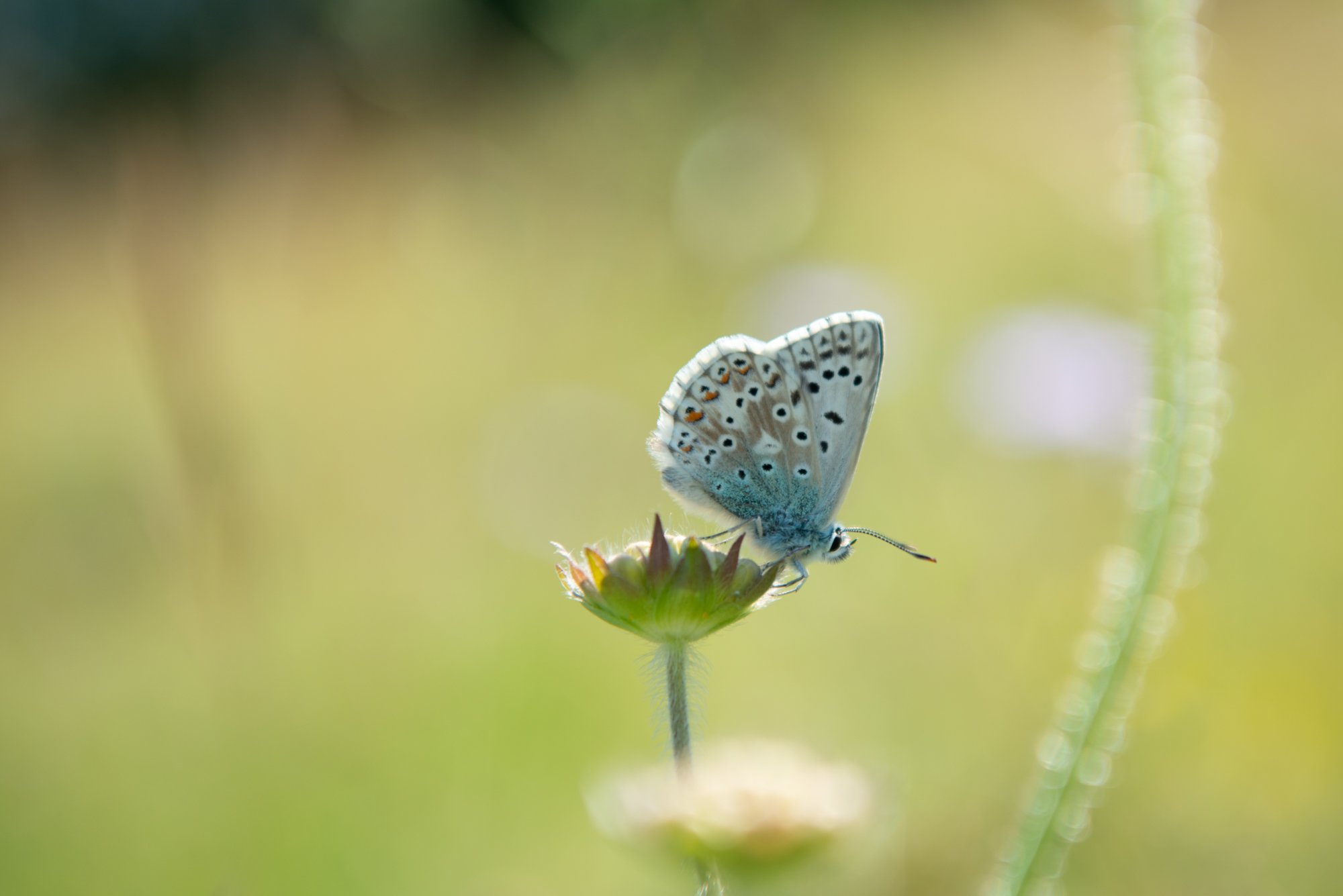
 A chalkhill blue butterfly in a Hertfordshire chalk pit, UK

A chalkhill blue butterfly in a Hertfordshire chalk pit, UK

 A painted lady butterfly on while lavender

A painted lady butterfly on while lavender

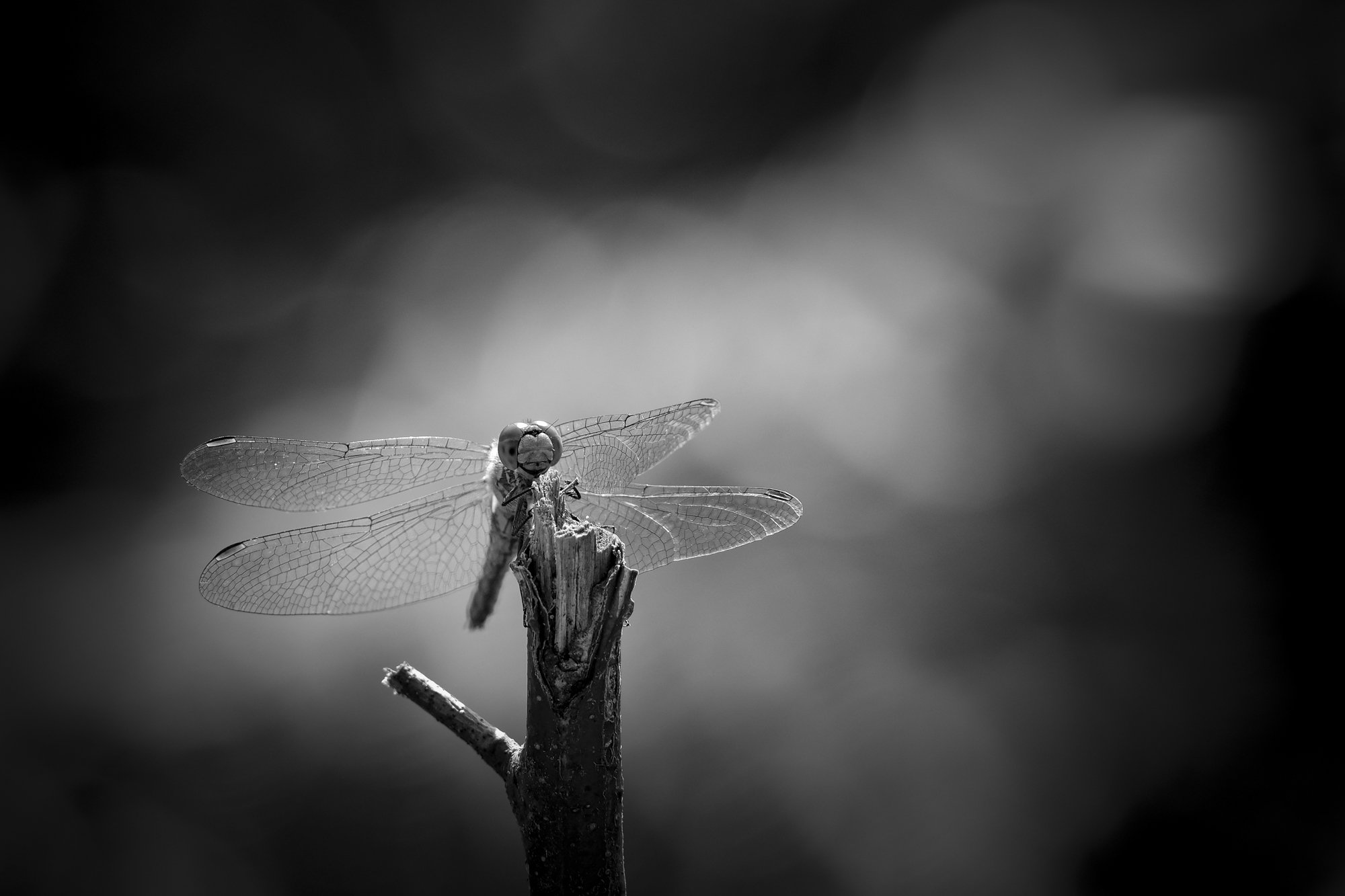
 A dragonfly perched on a dead branch, rendered in black and white. Blean Woods, Kent, UK.

A dragonfly perched on a dead branch, rendered in black and white. Blean Woods, Kent, UK.

SENEGAL Goree Island

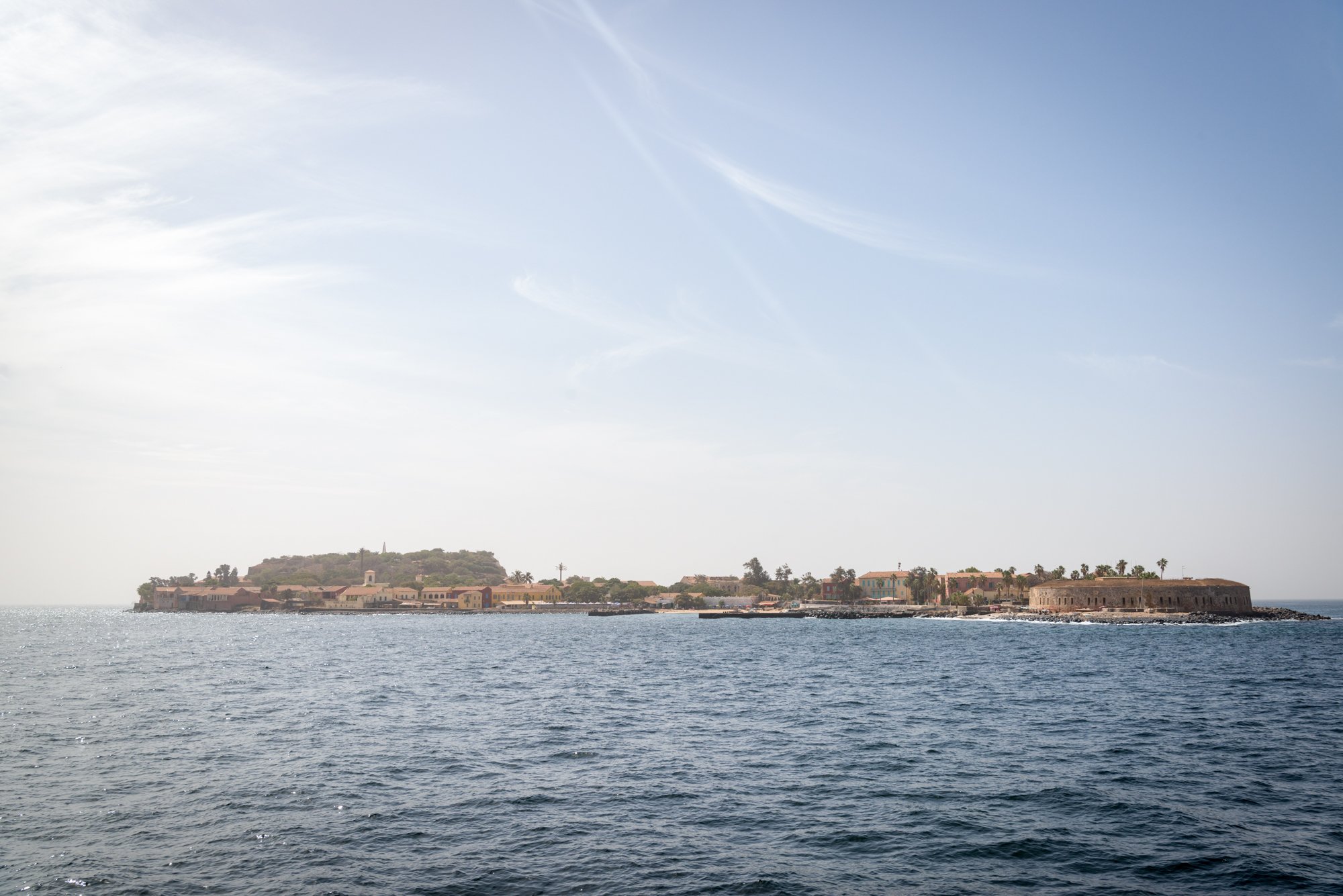
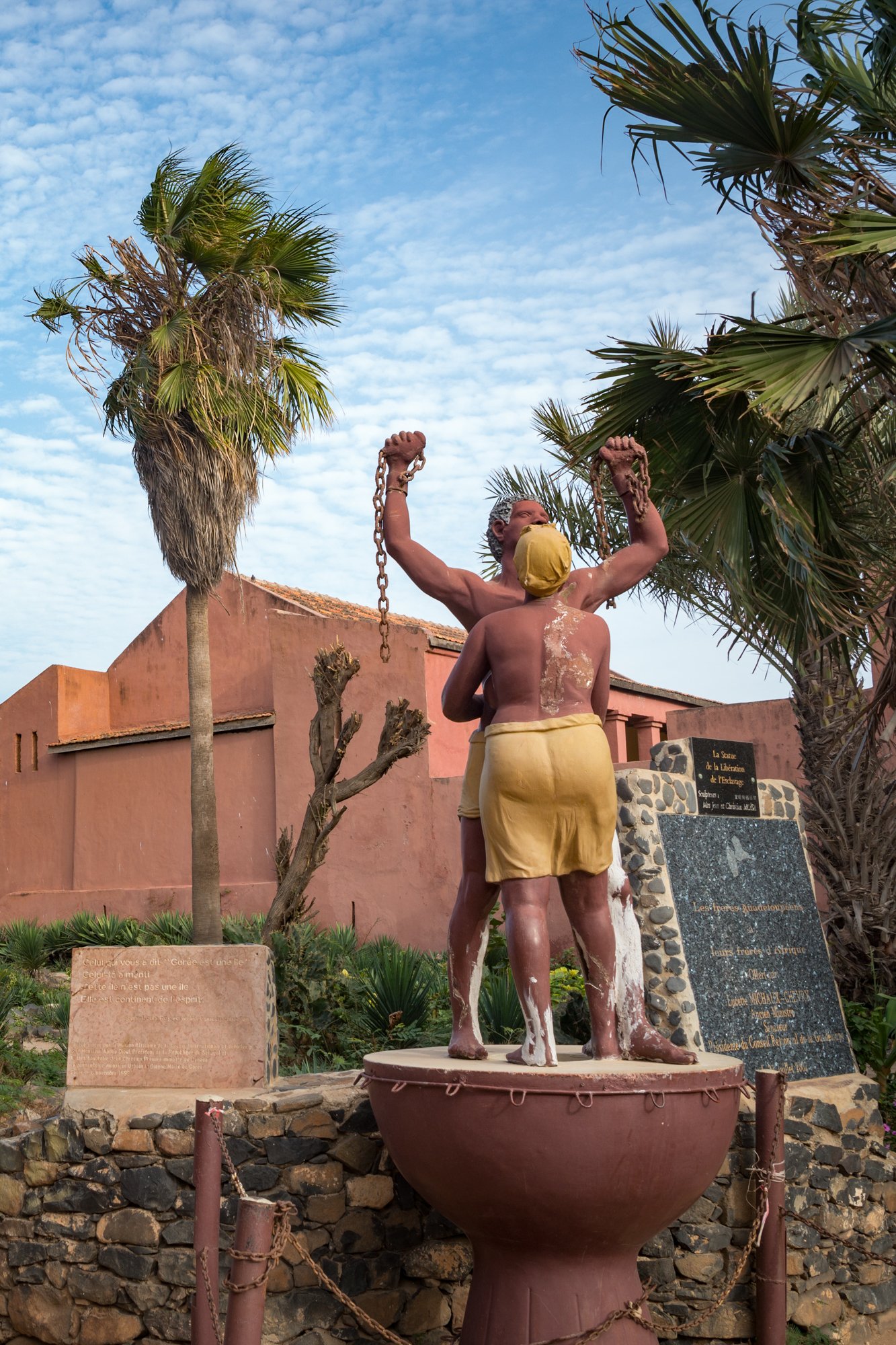
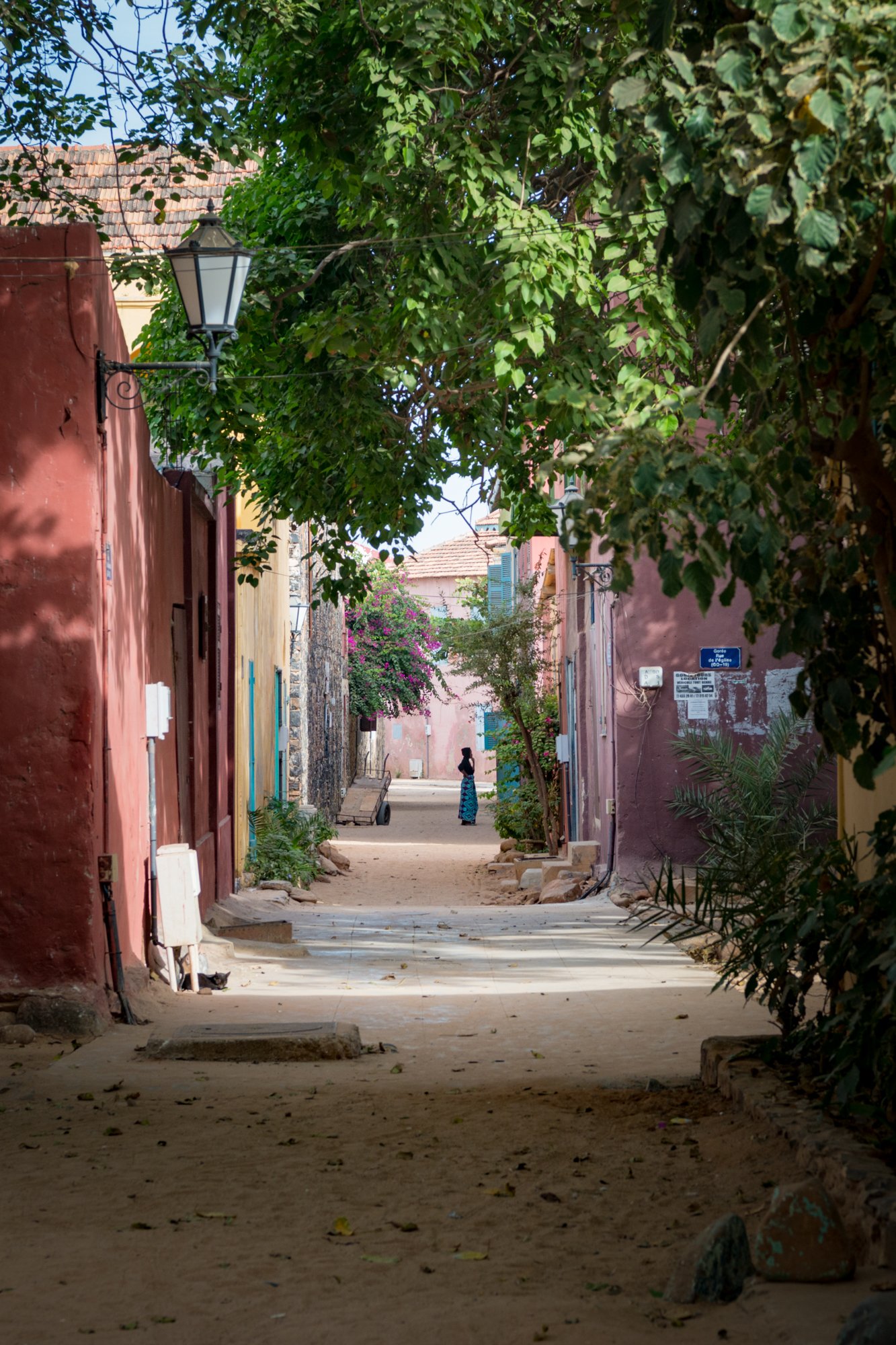
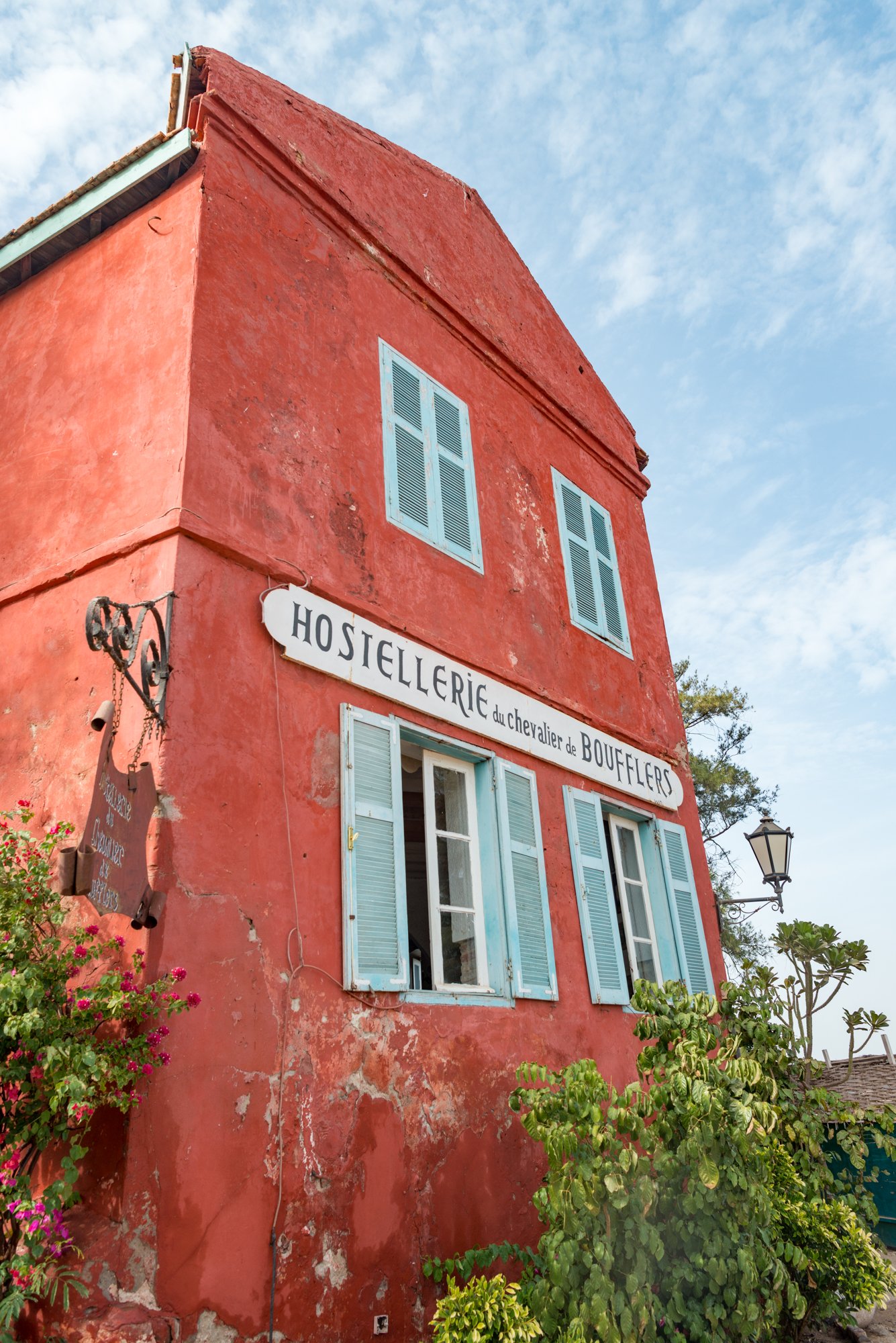
Just a short boat ride from Senegal’s capital, Dakar, Goree Island today is a colourful, car-free island that provides a laid-back respite from the more frenetic capital.

But this wasn’t always the case. The Island played a horrific part in the slave trade and was often the last place in Africa enslaved people saw before boarding ships across the Atlantic.

You can visit the House of Slaves Museum and witness the tiny prison cells in which hundreds of people were kept, as well as the shackles and manacles used to restrain them.

It’s a sobering experience and a very visceral way of comprehending the horrors of the past.

SENEGAL-Goree--2.jpg
SENEGAL-Goree--6.jpg
SENEGAL-Goree--3.jpg
SENEGAL-Goree-.jpg
SENEGAL-Goree-1451.jpg
SENEGAL-Goree-1429.jpg
SENEGAL-Goree-1446.jpg
SENEGAL-Goree-1493.jpg
SENEGAL-Goree--4.jpg
SENEGAL-Goree-1428.jpg
SENEGAL-Goree-1402.jpg
SENEGAL-Goree-1411.jpg
SENEGAL-Goree-1469.jpg
SENEGAL-Goree-1491.jpg

MOROCCO Merzouga

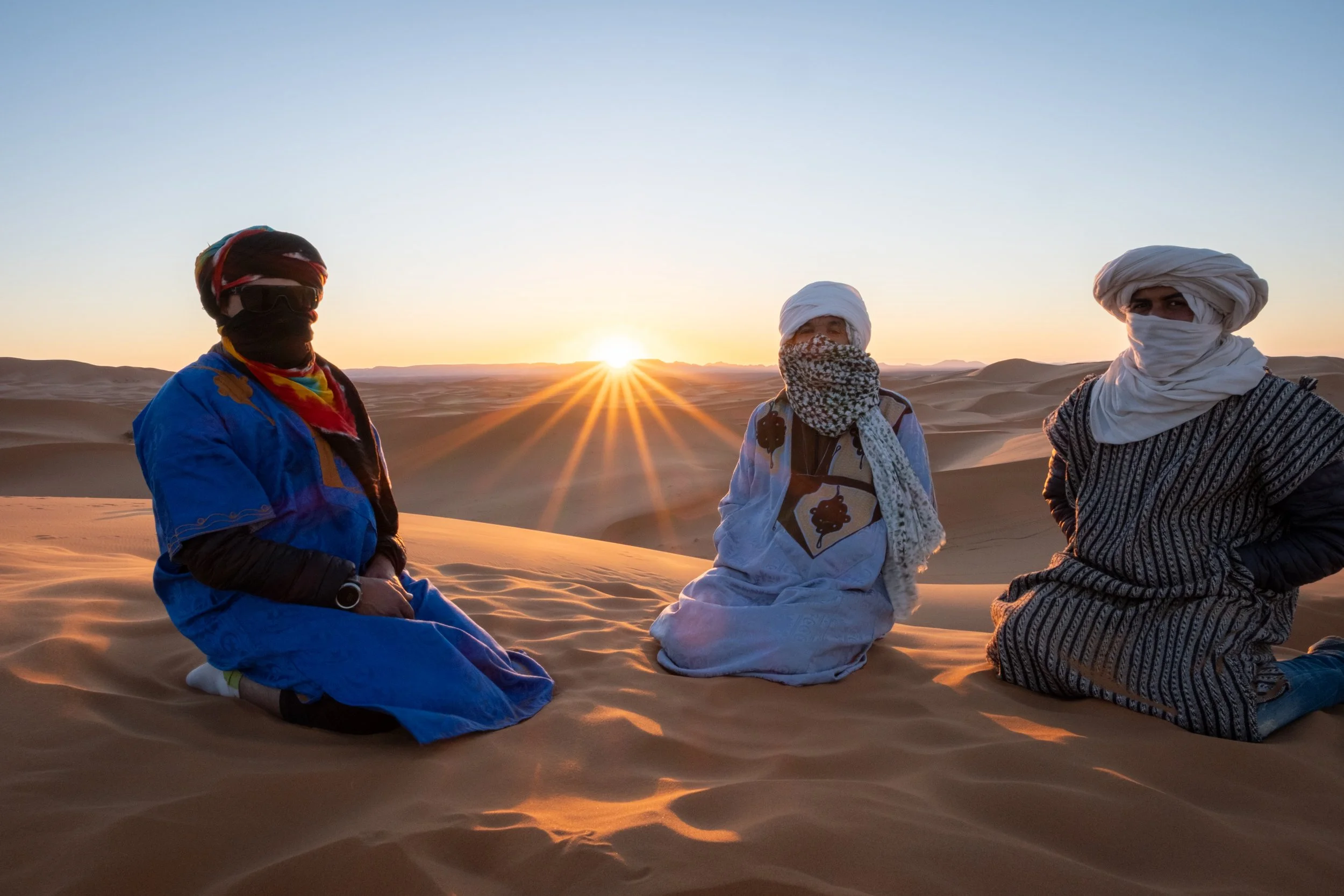
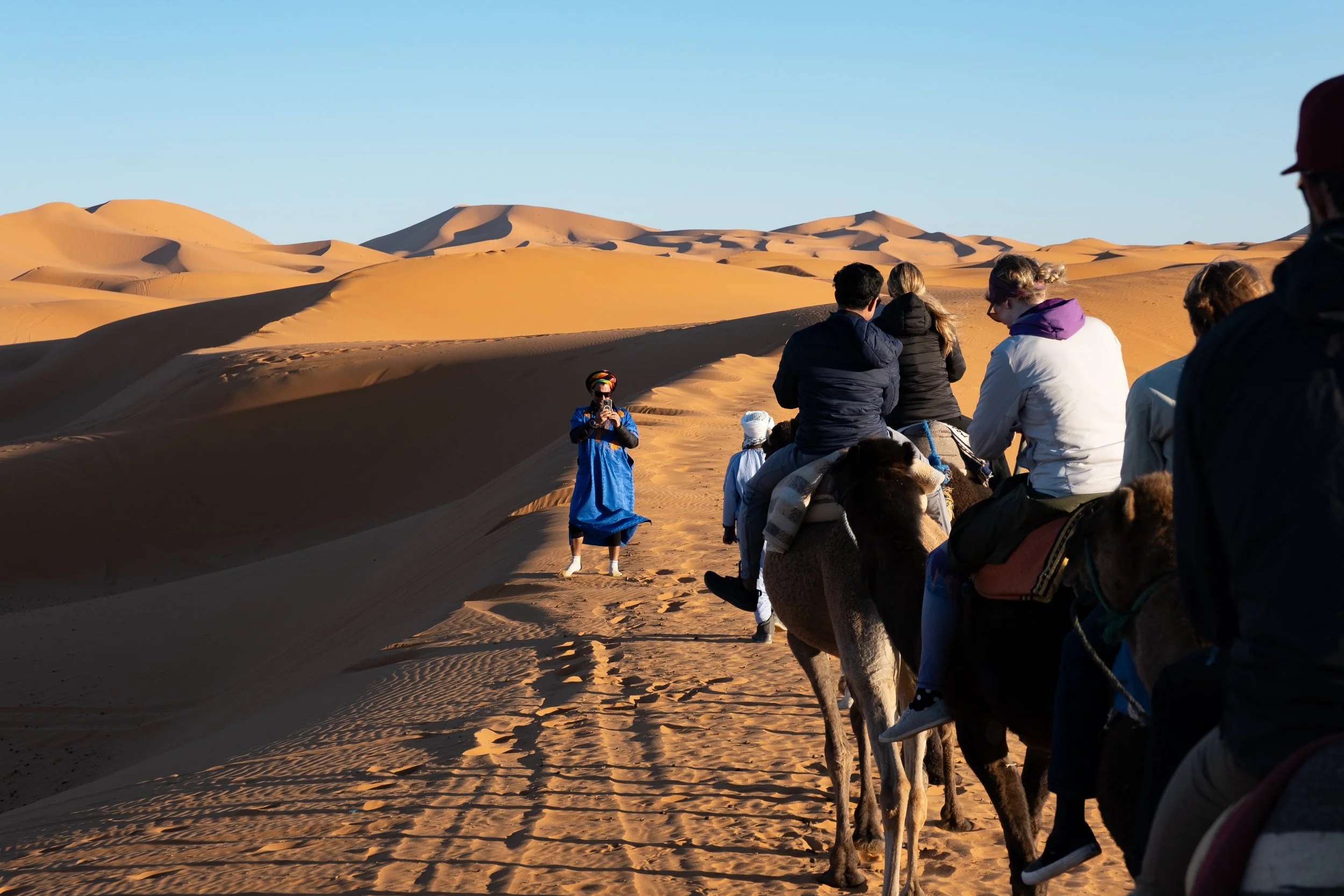
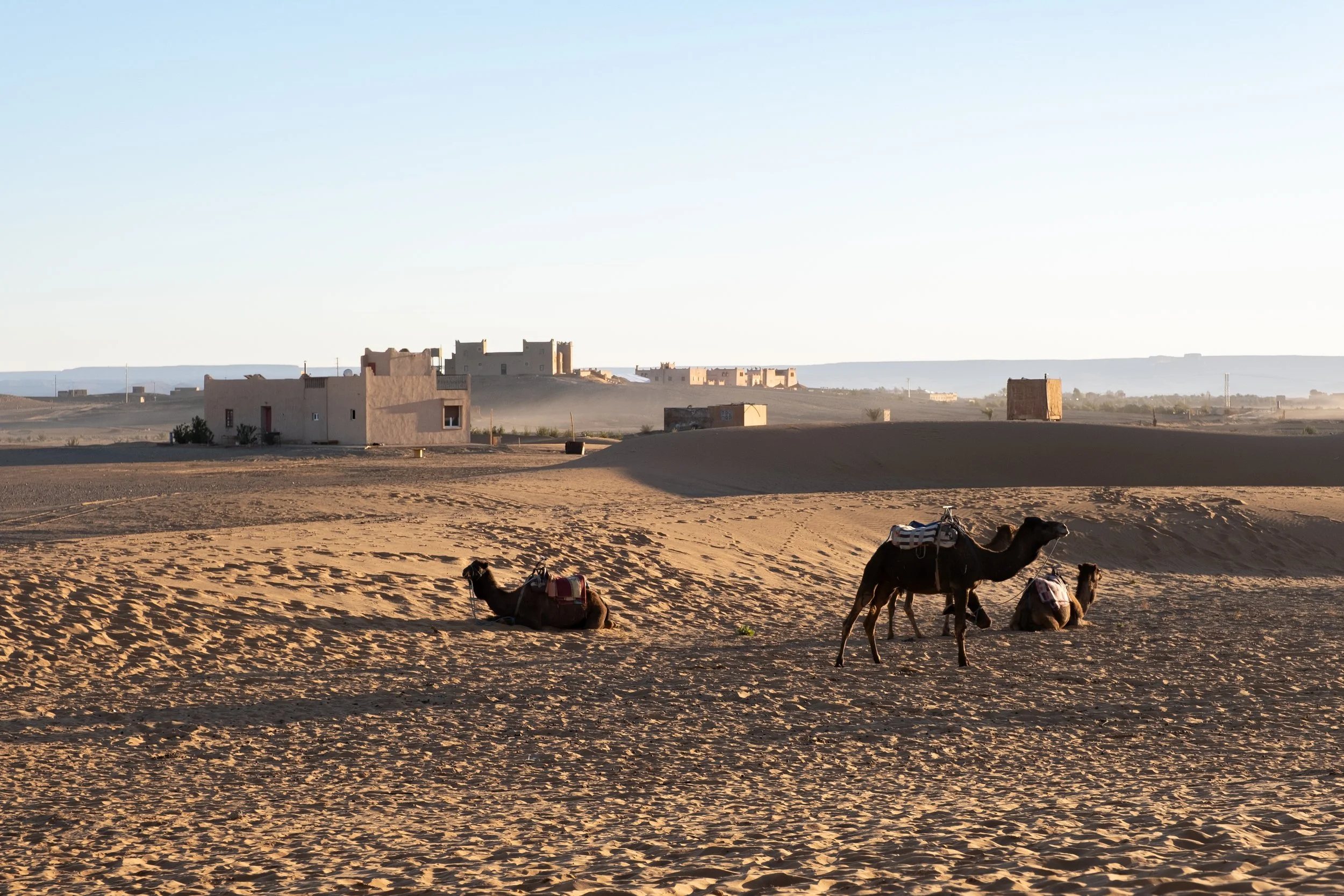
Having worked in travel publishing for many many years, there are many many places on my ‘to visit’ list. Merzouga has been on that list since I worked on the Rough Guides 25s mini series in 2005.

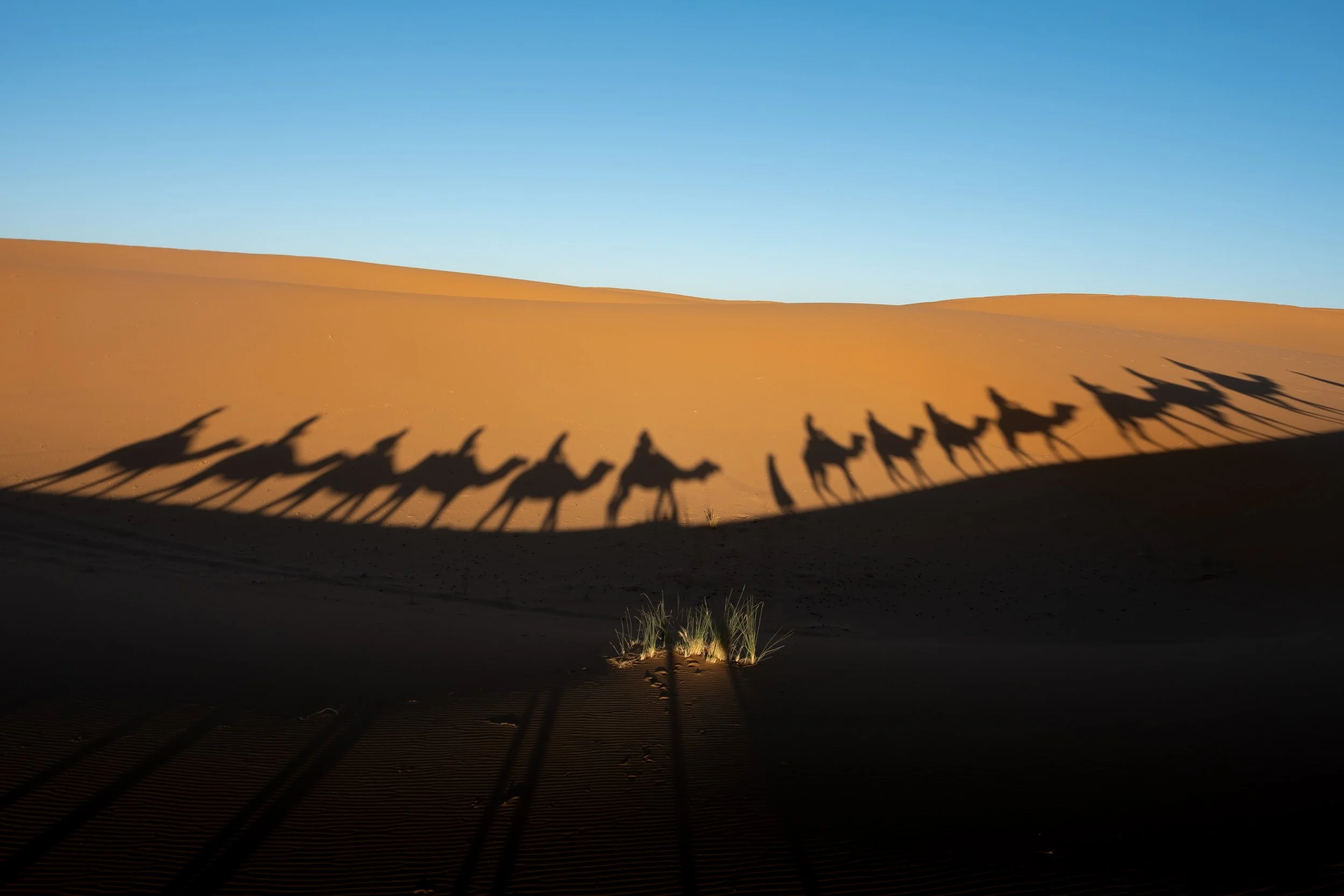
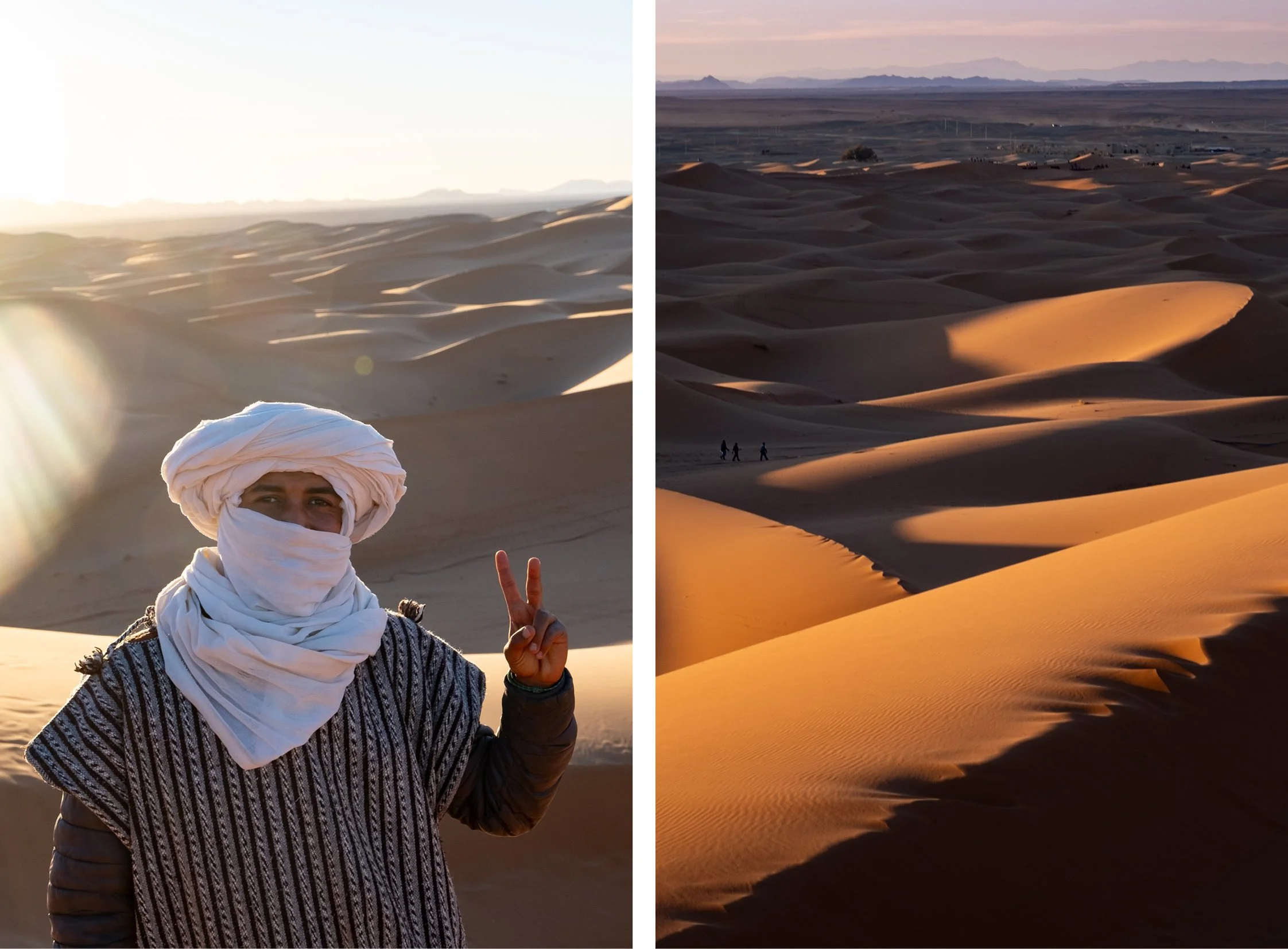
Perhaps back in 2005, Merzouga, deep in the Sahara desert, might have felt remote and faraway. It’s a bit of a tourist circus these days; camel rides, drumming with the ‘locals’, campfires, sleeping in a tent to the sounds of drunk tourists in the next camp over making more of night of it than you.

It wasn’t quite the peace and solitude I’d imagined, but it was still awe inspiring. I gave up on the tent, owing to someone snoring next to me, and slept out under the stars instead.

You can read more about my adventures in Morocco in this piece I wrote for Adventure.com.

MOROCCO-Merzouga-9775.jpg
Merzouga.jpg
MOROCCO-Merzouga-9764.jpg
MOROCCO-Merzouga-9763.jpg
MOROCCO-Merzouga-9769.jpg
MOROCCO-Merzouga-9778.jpg
MOROCCO-Merzouga-9825.jpg
MOROCCO-Merzouga-9786.jpg
MOROCCO-Merzouga-9795.jpg
Merzouga2.jpg
MOROCCO-Merzouga-9806.jpg
MOROCCO-Merzouga-9819.jpg
MOROCCO-Merzouga-9831.jpg
MOROCCO-Merzouga-9882.jpg
MOROCCO-Merzouga-9898.jpg

MOROCCO Chefchaouen

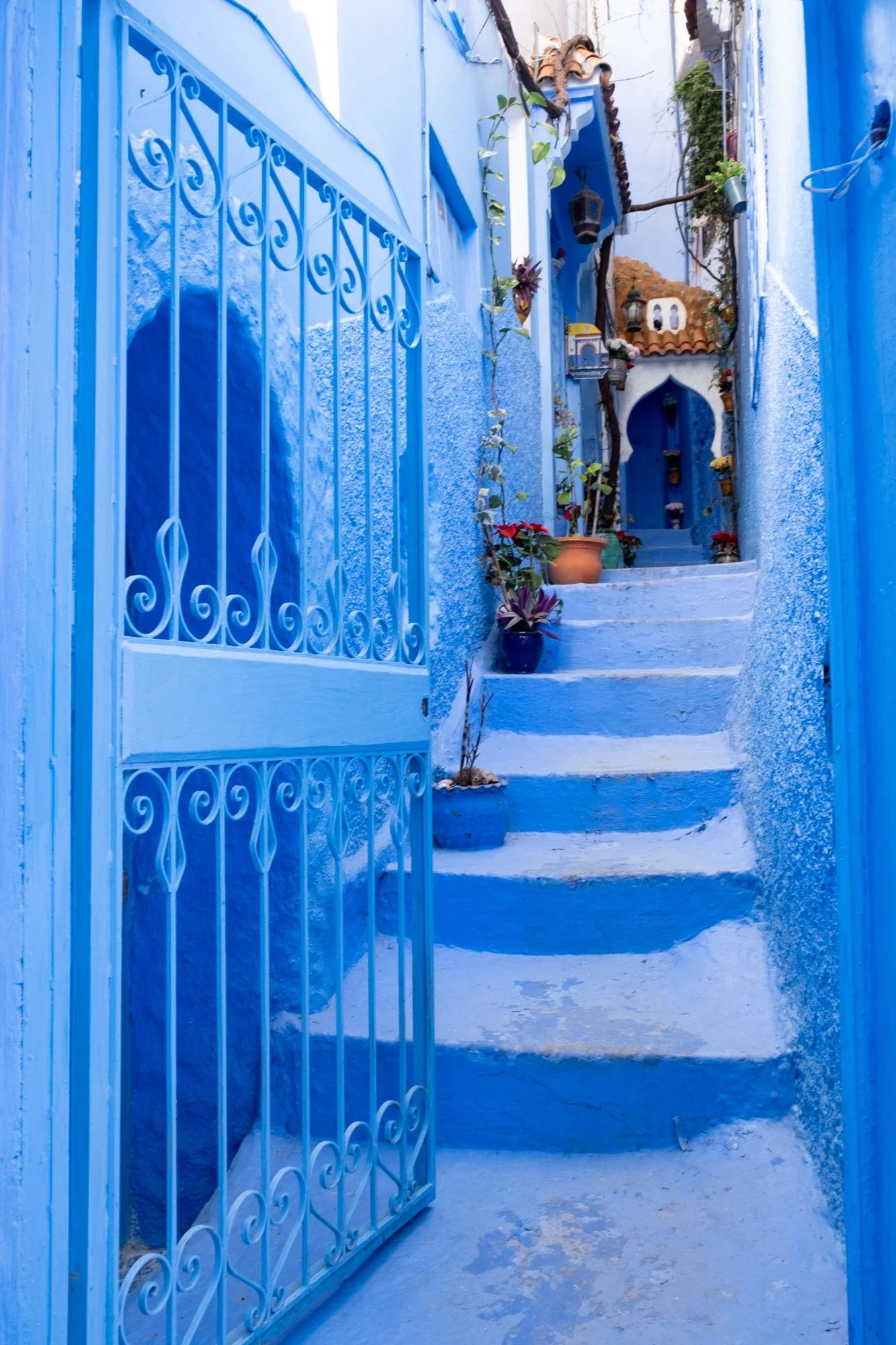
Chefchaouen in the Rif Mountains of northern Morocco is a relative newcomer to Moroccan itineraries but it’s now a firm fixture on many a country tour.

It’s also a photographers’ favourite owing to the delectable blue hues of many of the buildings.

I wrote about its insta-fame and the pitfalls of it for Eye for the Light.

Morocco-Chefchaouen-9403.jpg
Morocco-Chefchaouen-9492-3.jpg
Morocco-Chefchaouen-9367.jpg
Morocco-Chefchaouen-9397.jpg
Morocco-Chefchaouen-9393.jpg
Morocco-Chefchaouen-9455-2.jpg
Morocco-Chefchaouen-9524-2.jpg
Morocco-Chefchaouen-9498.jpg
Morocco-Chefchaouen-9375.jpg
Morocco-Chefchaouen-9512.jpg
Morocco-Chefchaouen-9475.jpg
Morocco-Chefchaouen-9515.jpg
Morocco-Chefchaouen-9368.jpg
Morocco-Chefchaouen-9448.jpg
Morocco-Chefchaouen-9460.jpg
Morocco-Chefchaouen-9539.jpg
Morocco-Chefchaouen-9462.jpg
Morocco-Chefchaouen-9505-2.jpg
Morocco-Chefchaouen-9378.jpg

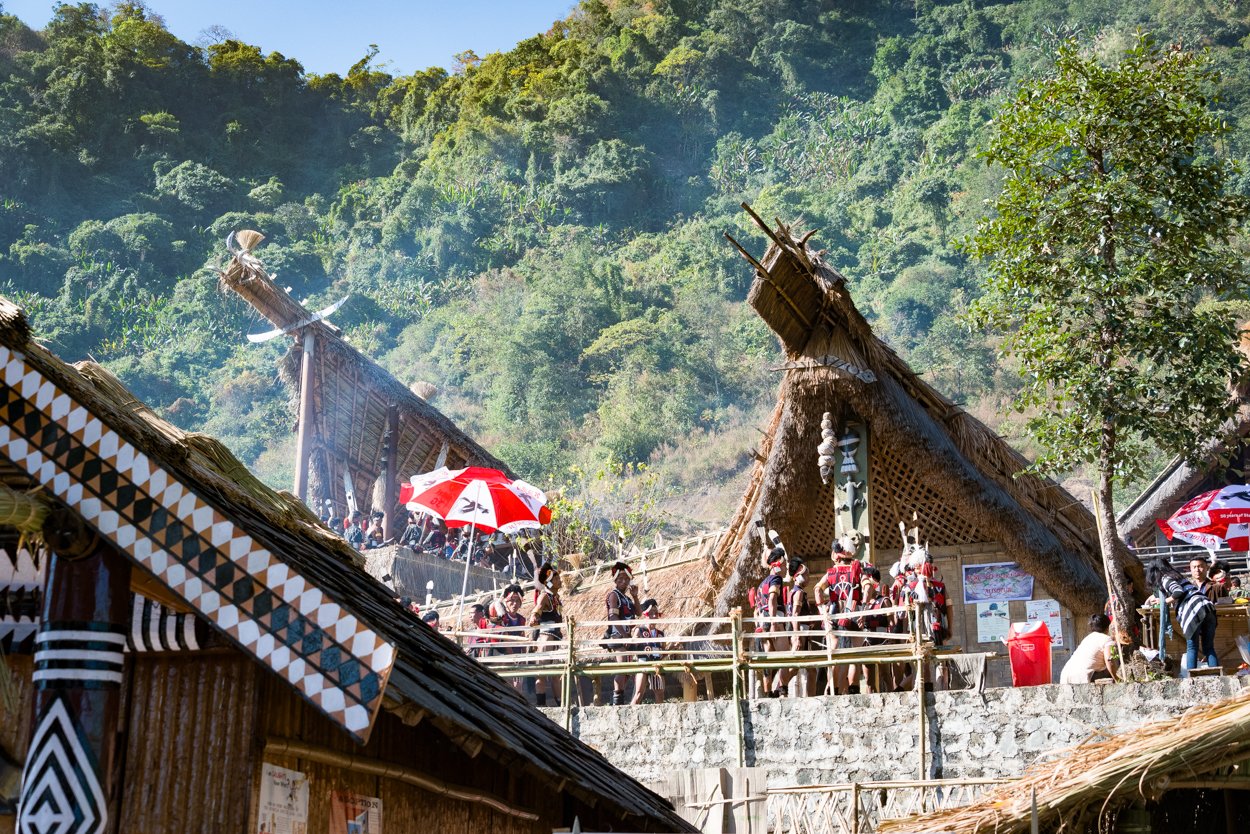
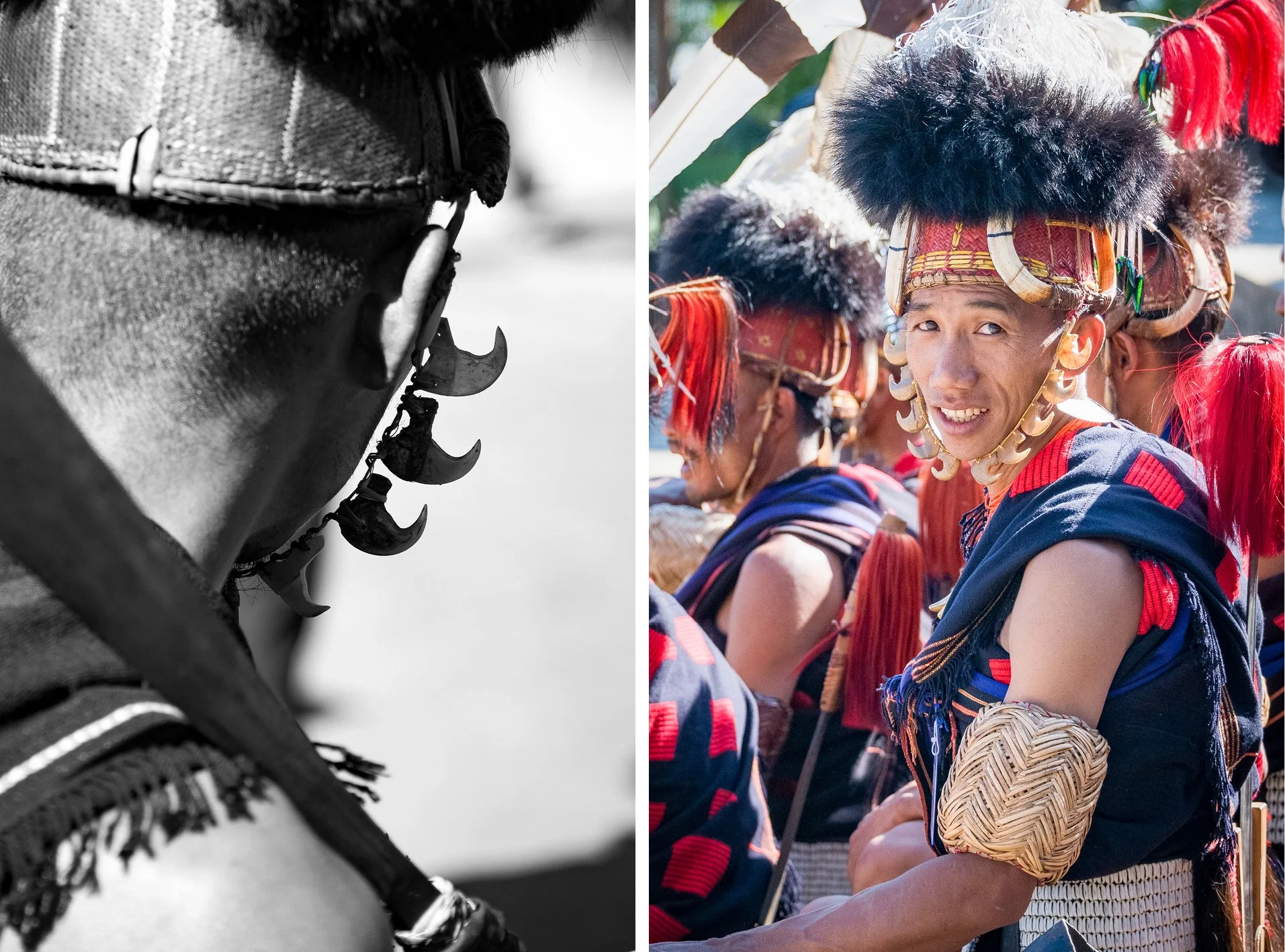
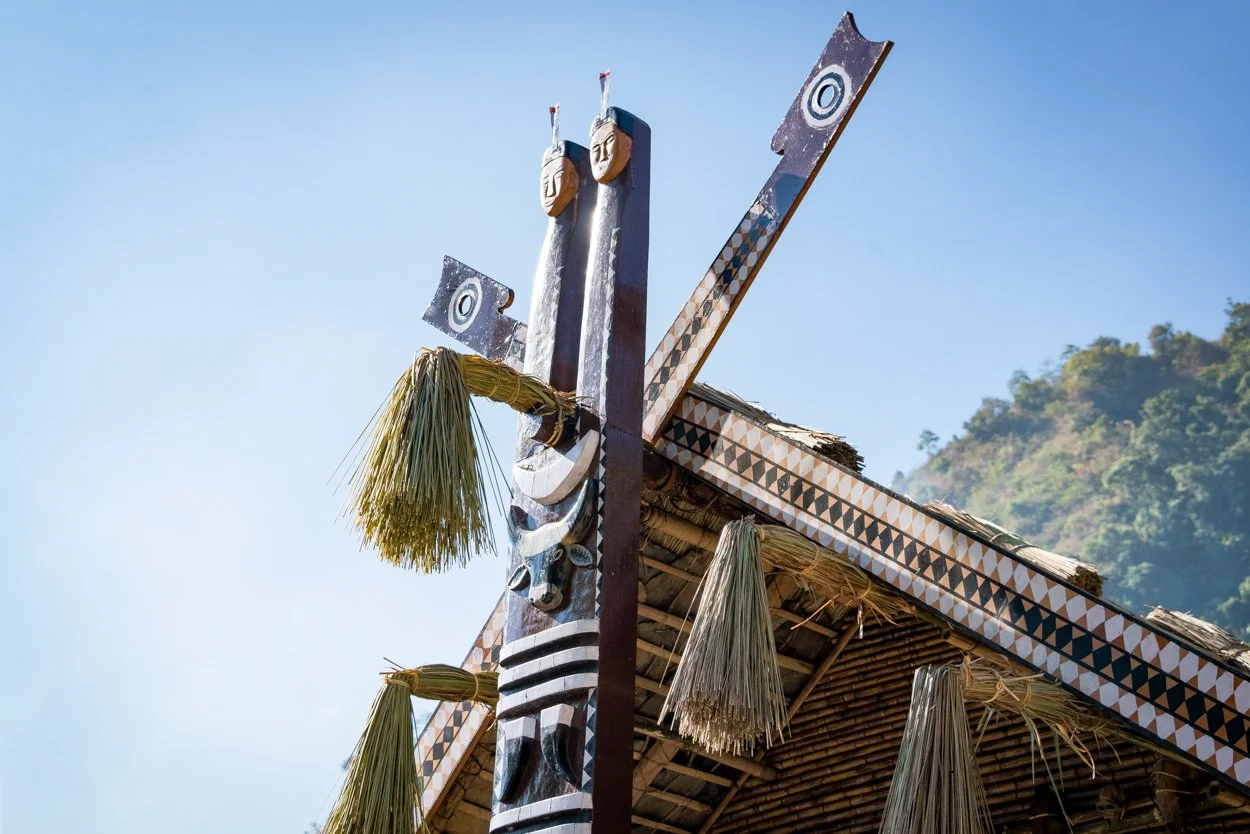
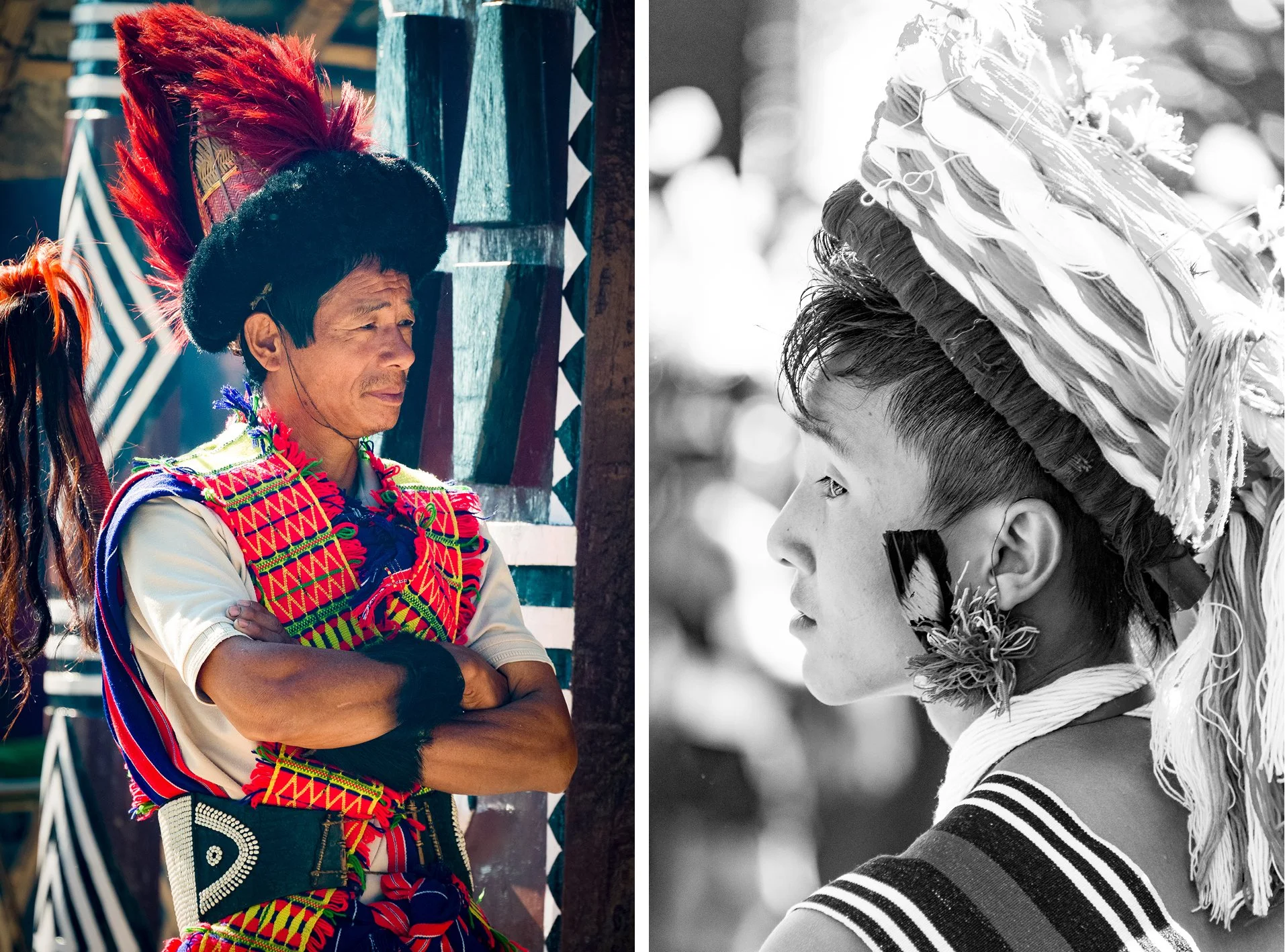
INDIA Hornbill Festival, Nagaland

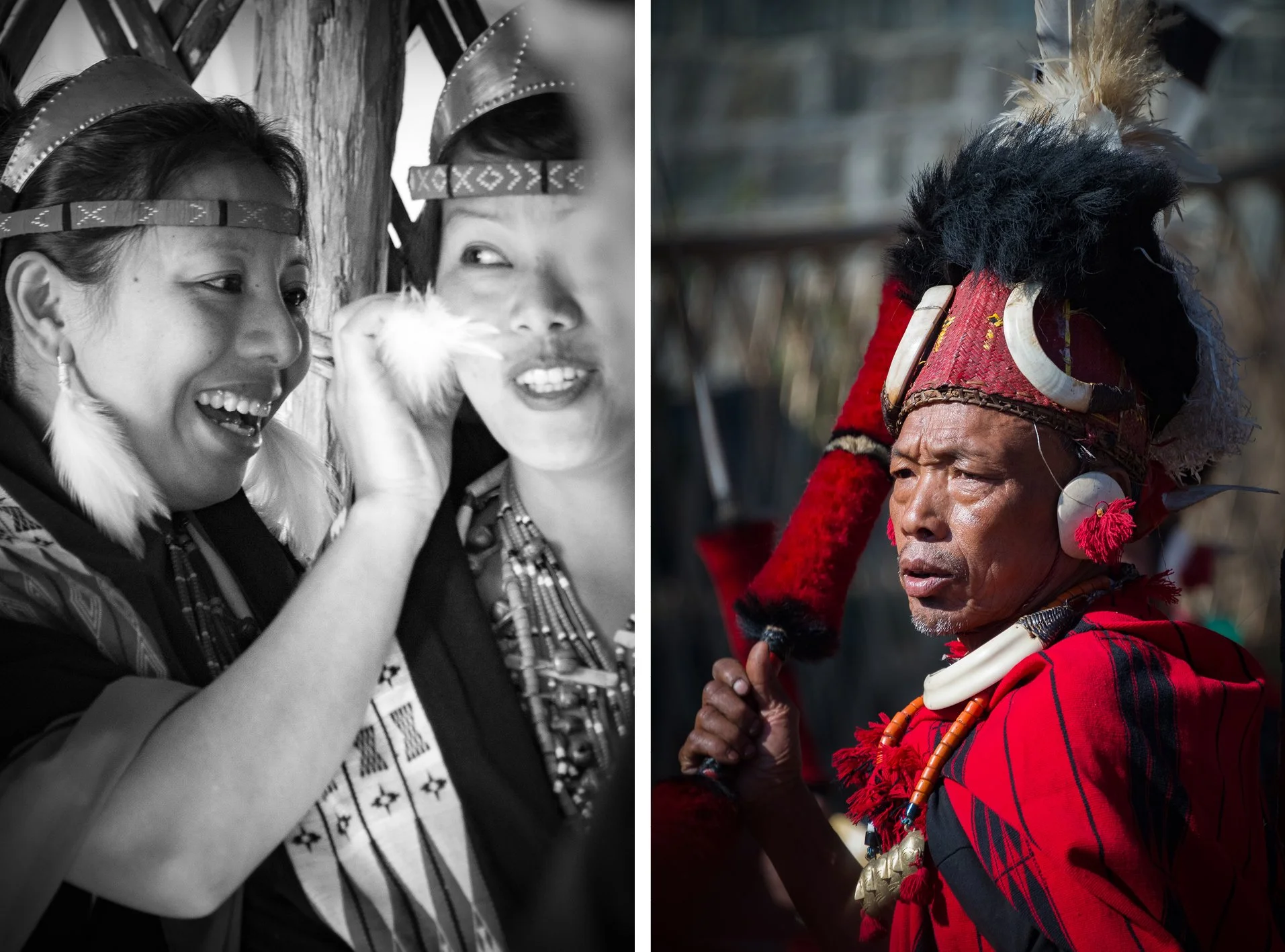
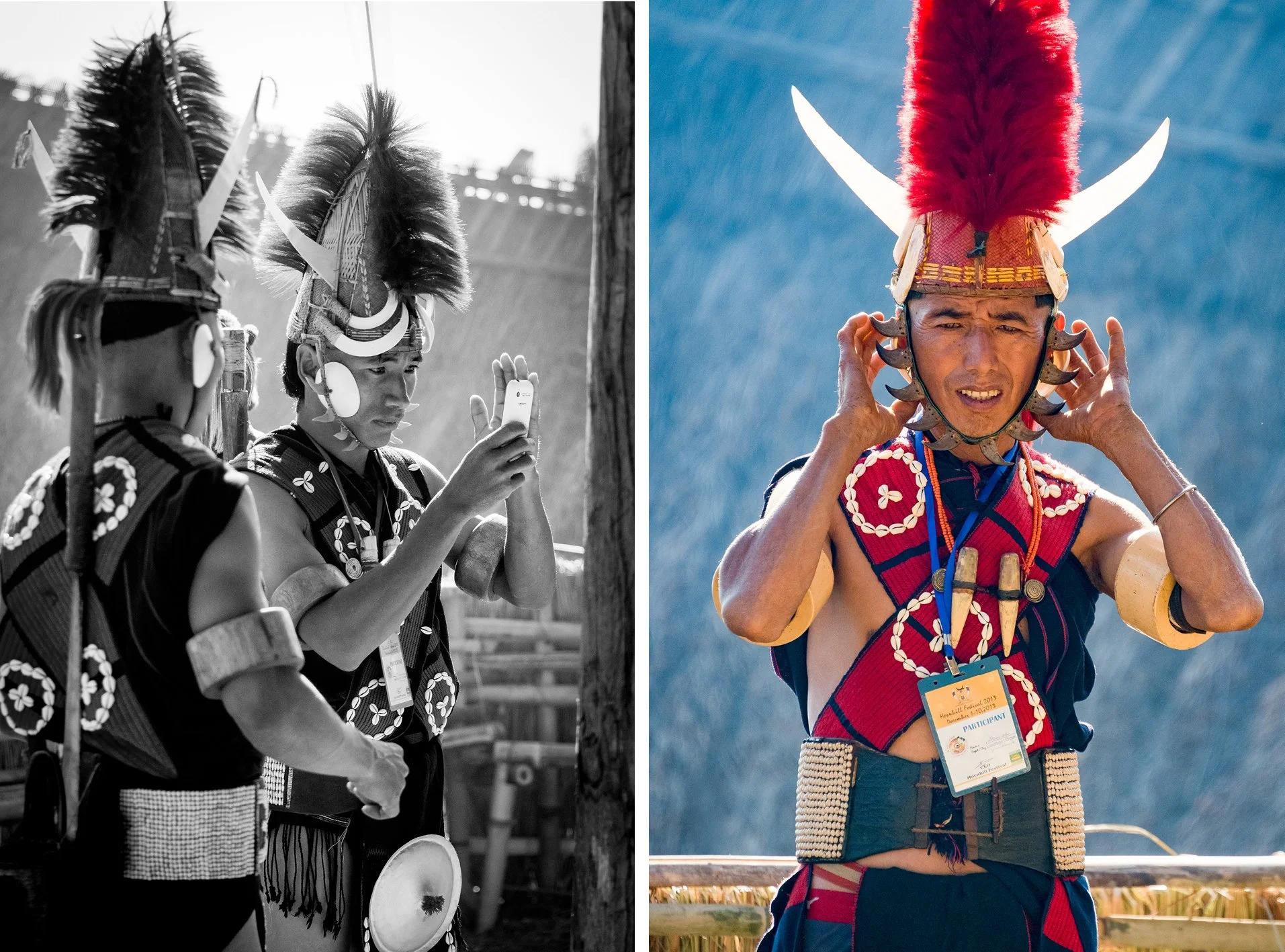
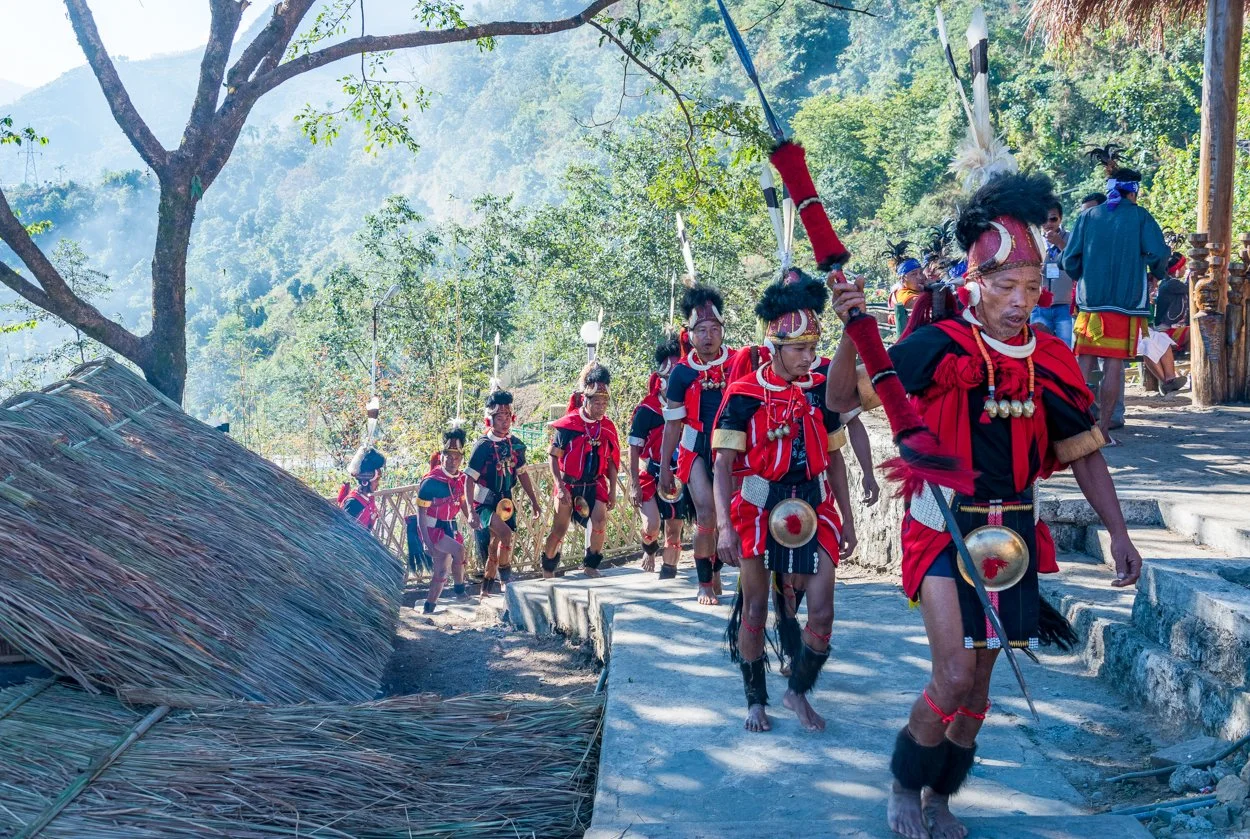
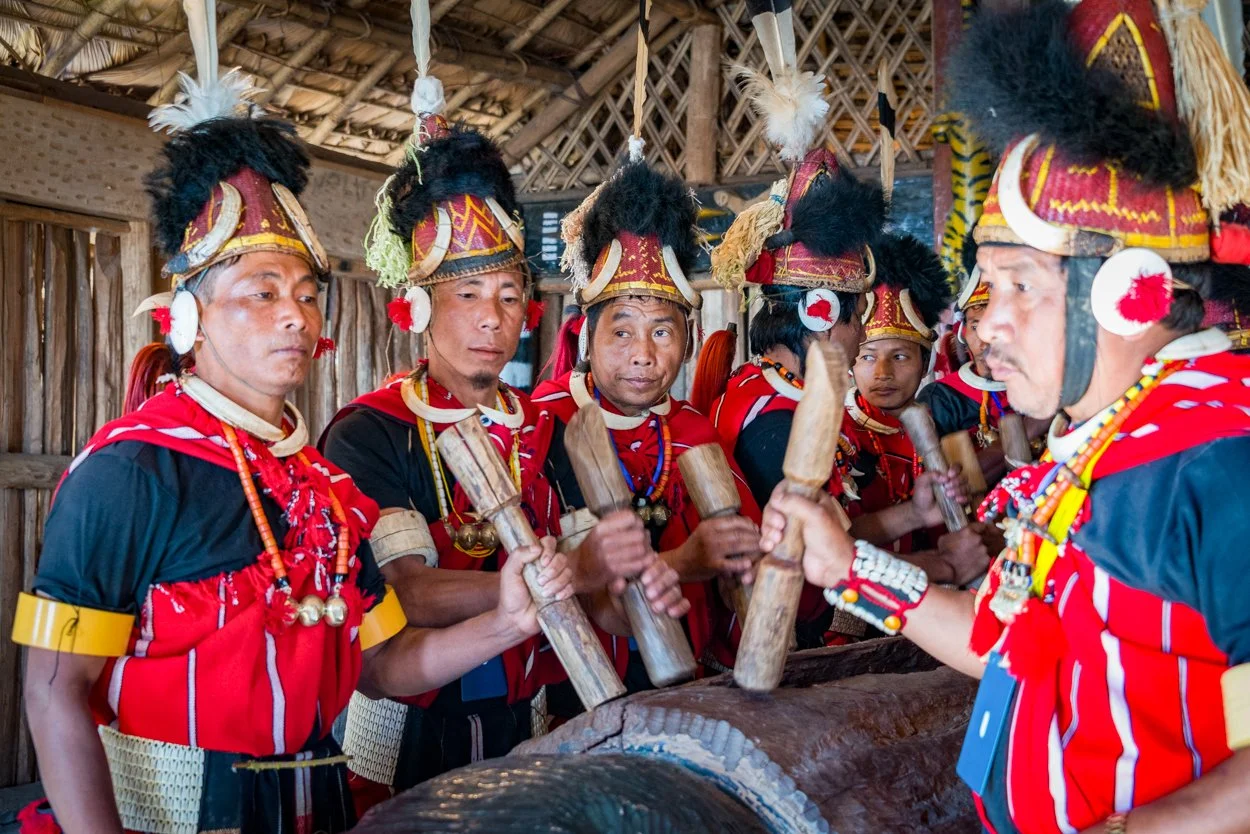
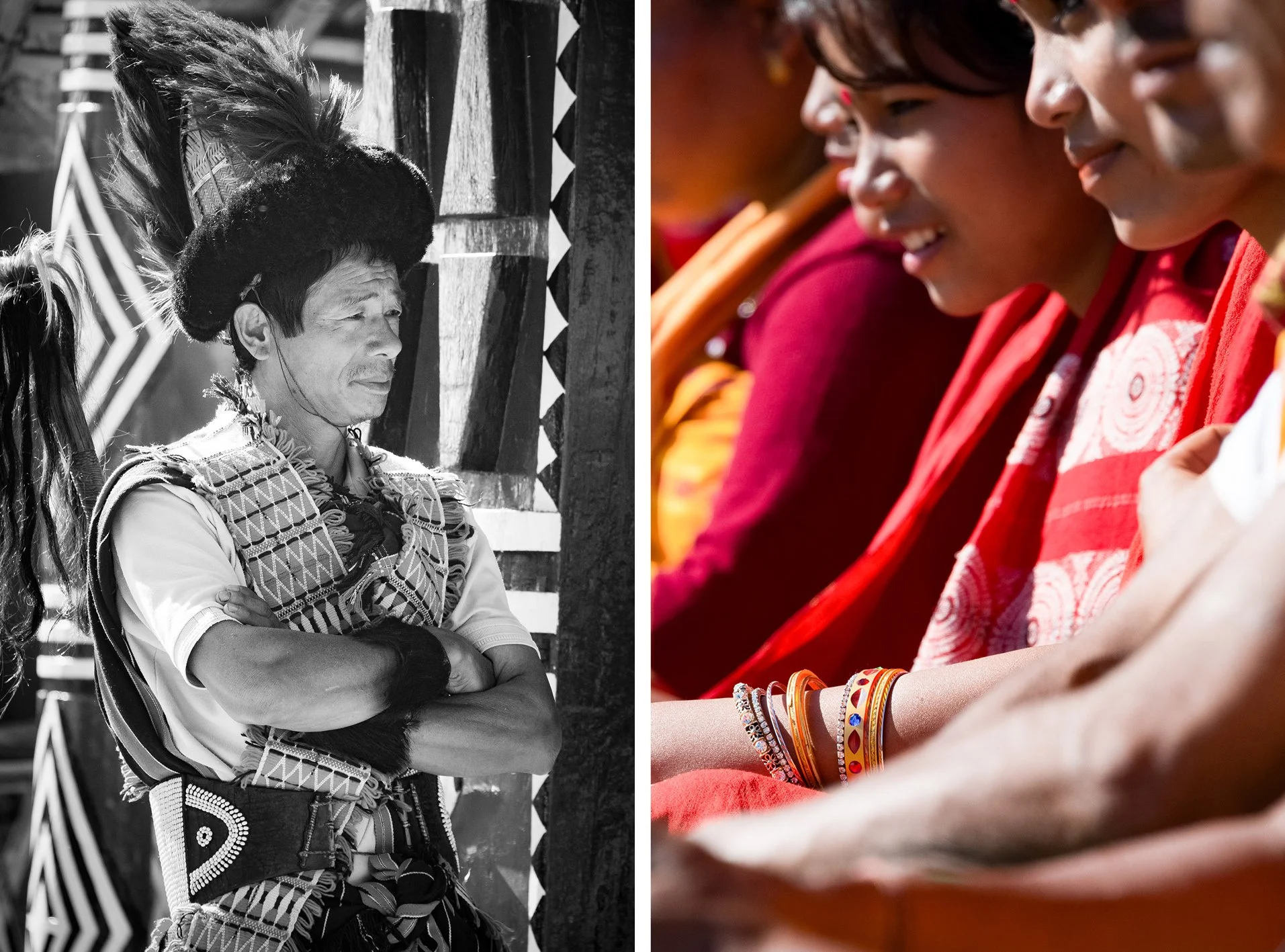
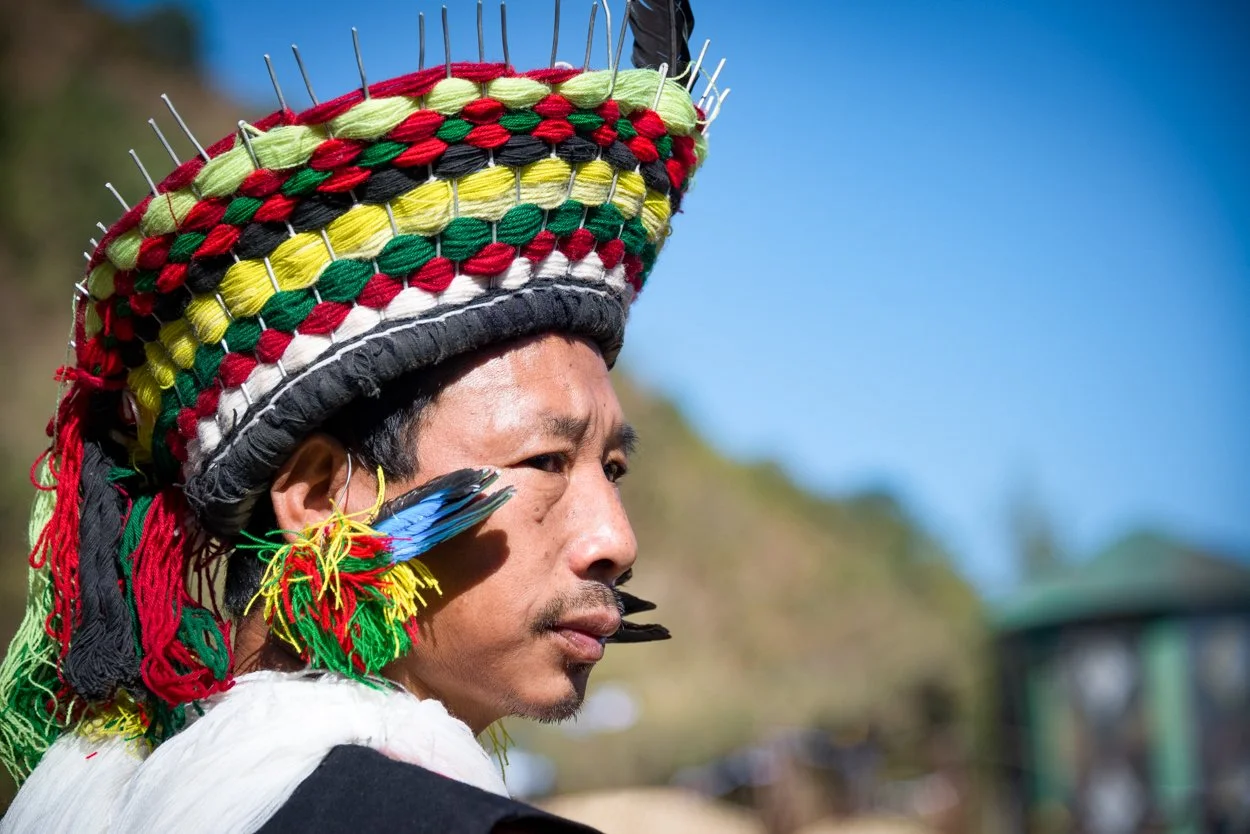
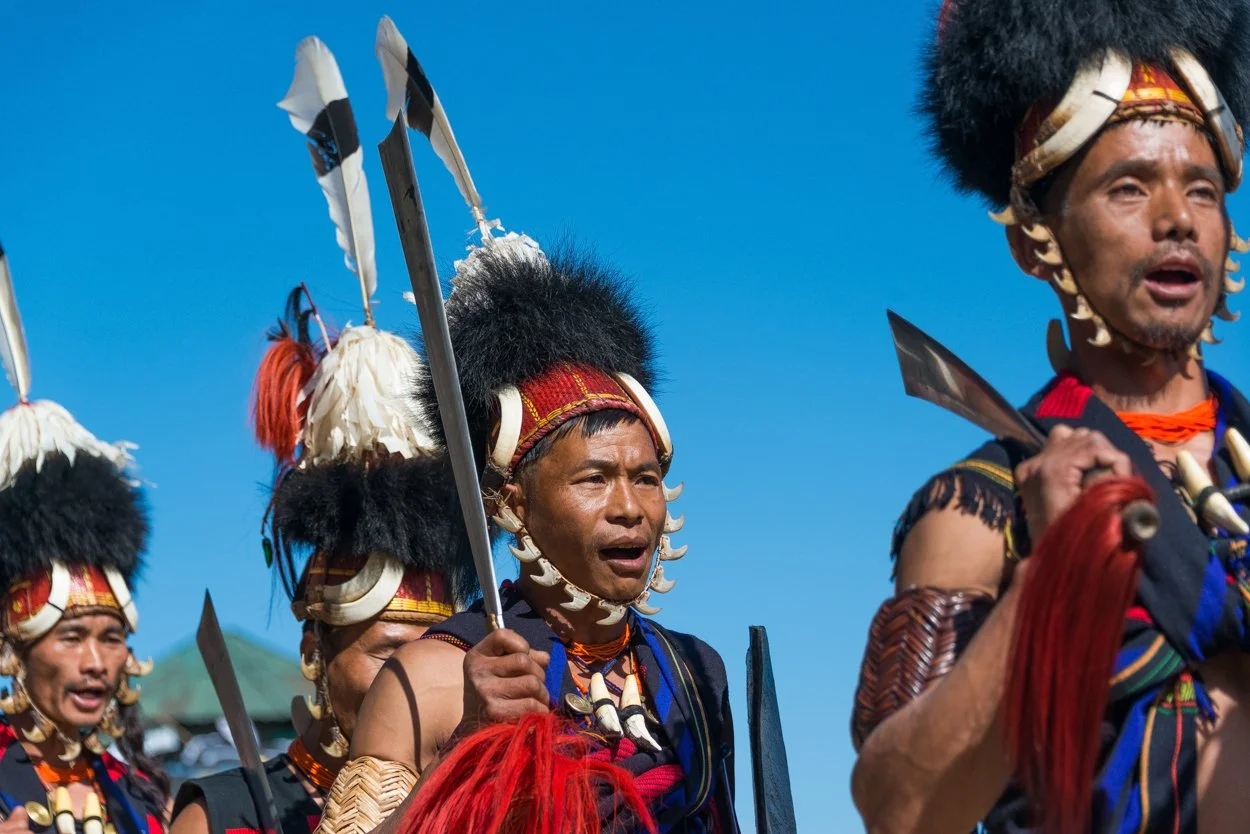
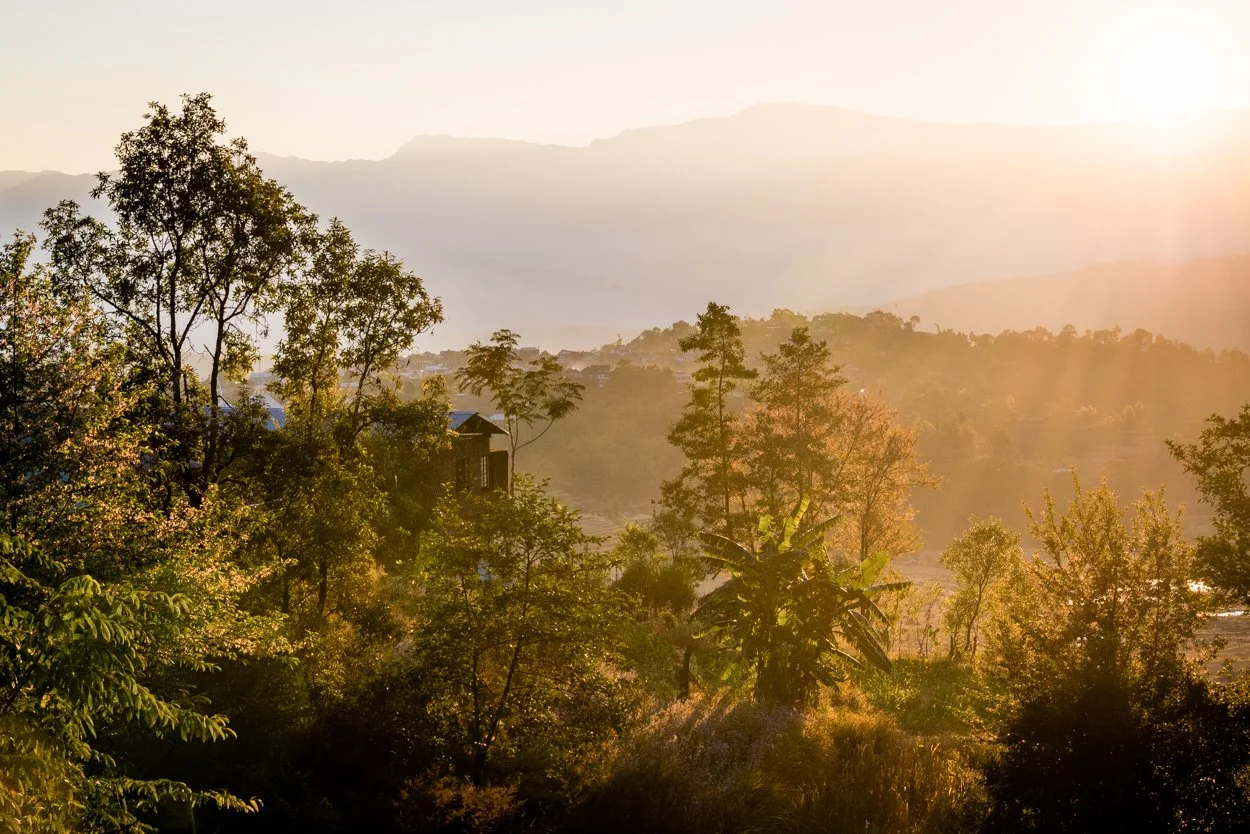
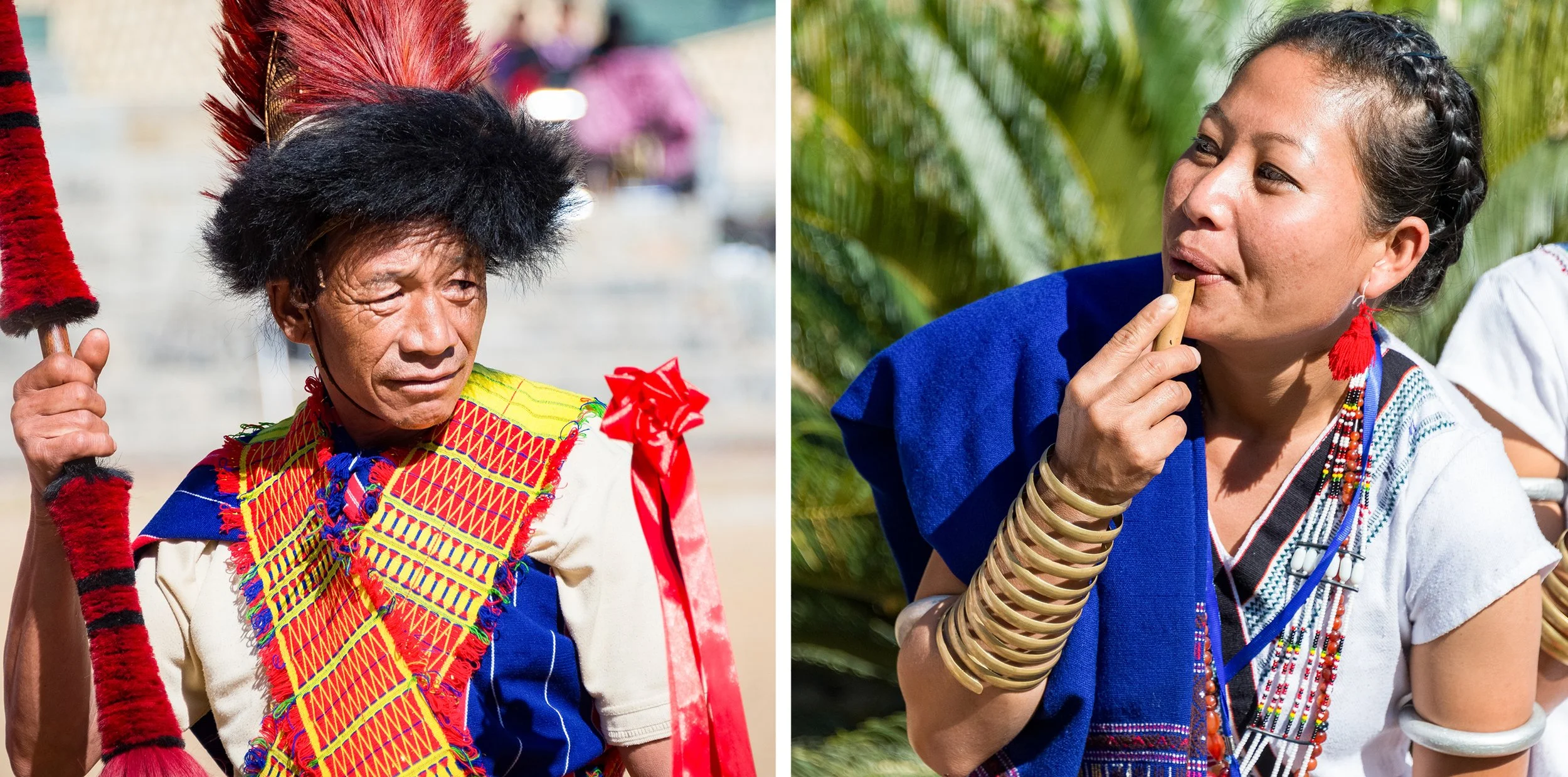
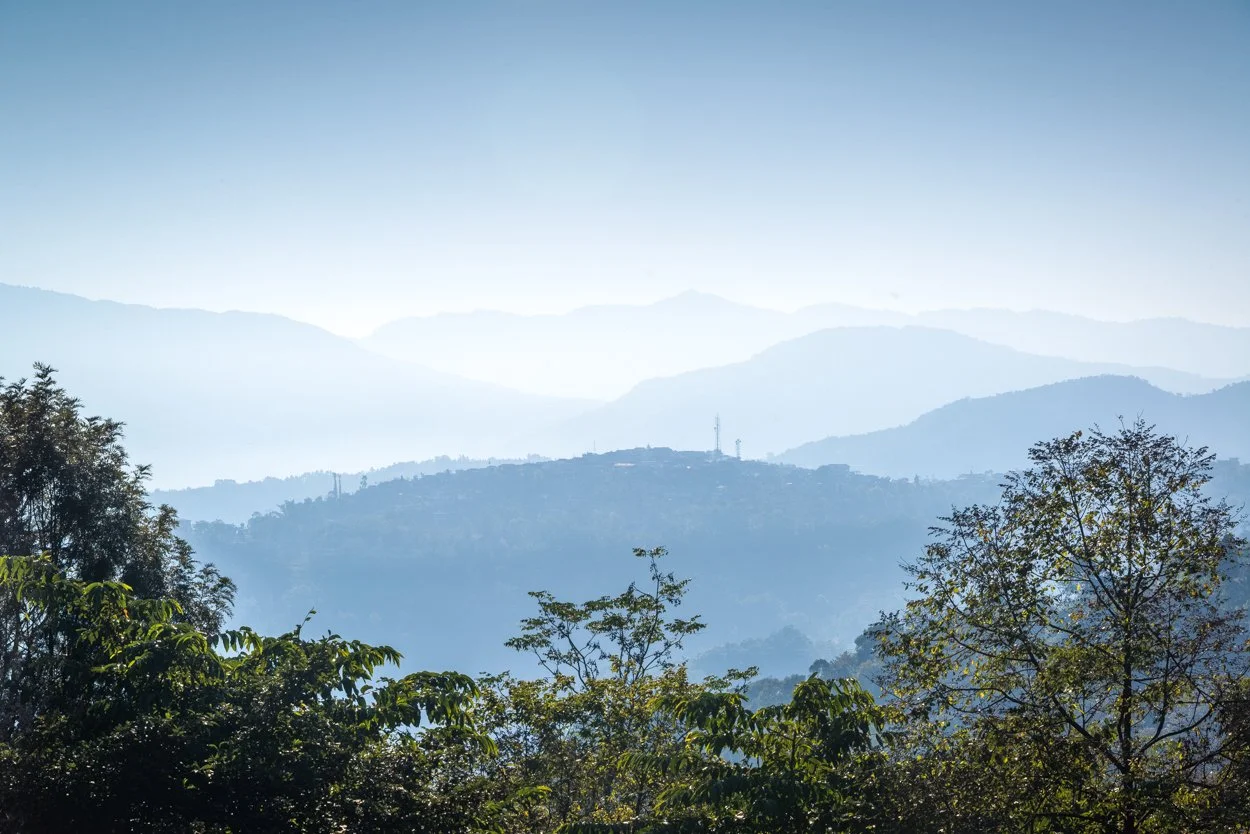
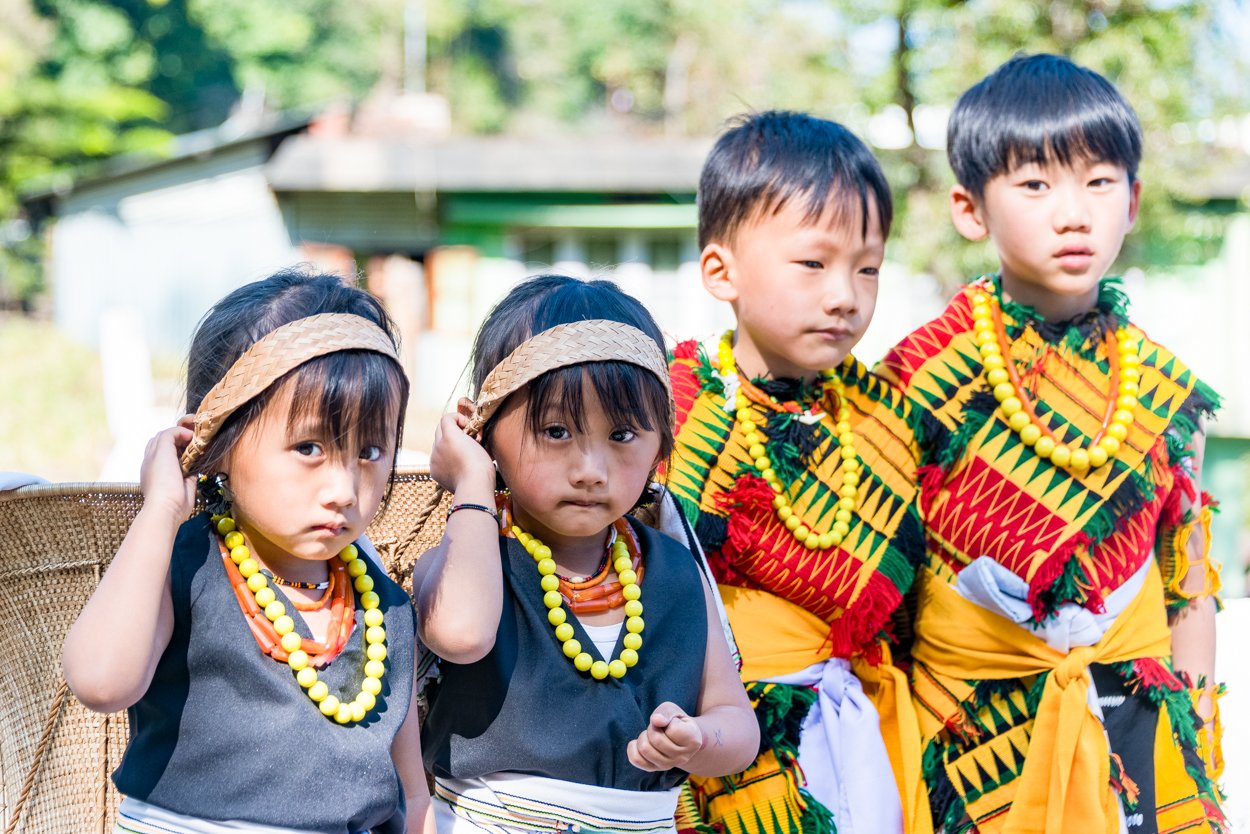
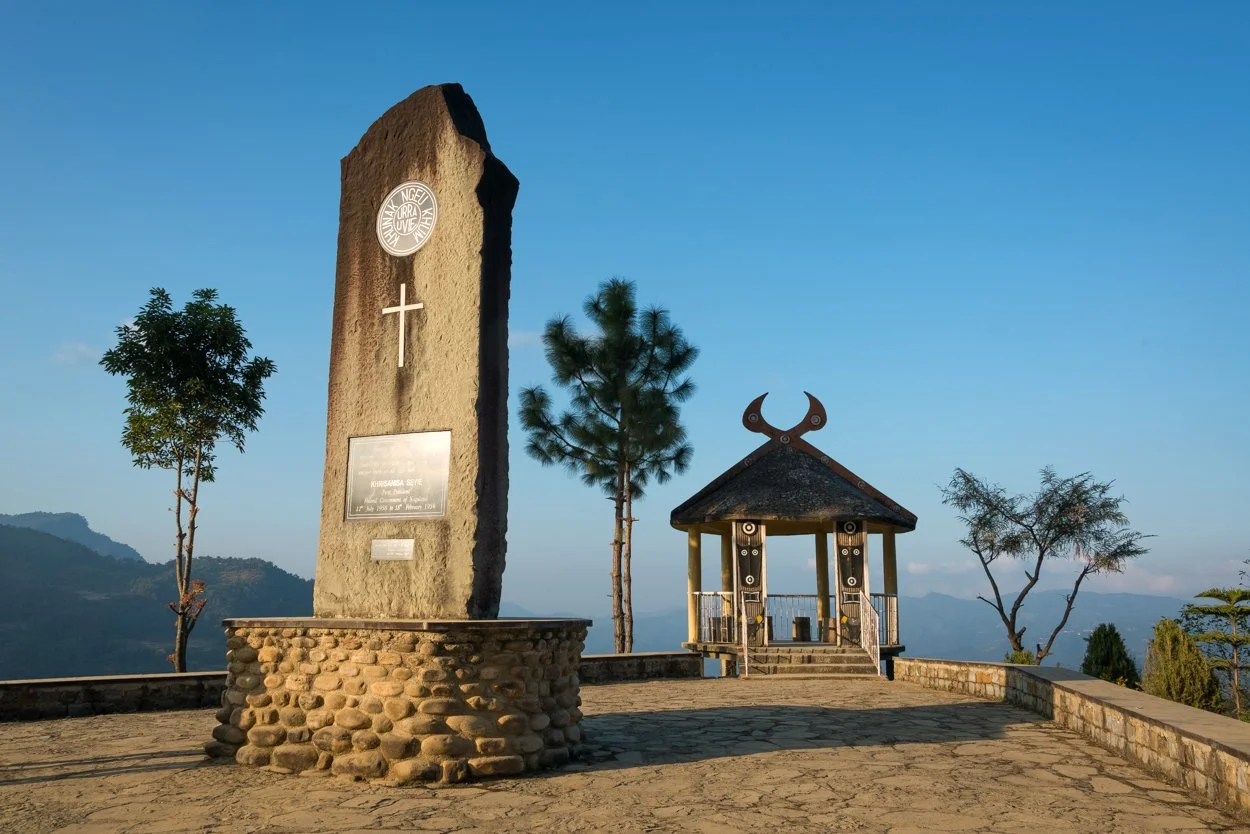
“Nagaland, what is that? Some kind of theme park?” said one of my friends when quizzing me about my next trip. No, it’s not a theme park – though there’s enough colour, excitement and liveliness to be found that you might be forgiven for likening it to Disneyland in parts. It is, in fact, one of the more north-easterly of India’s states that borders Myanmar.

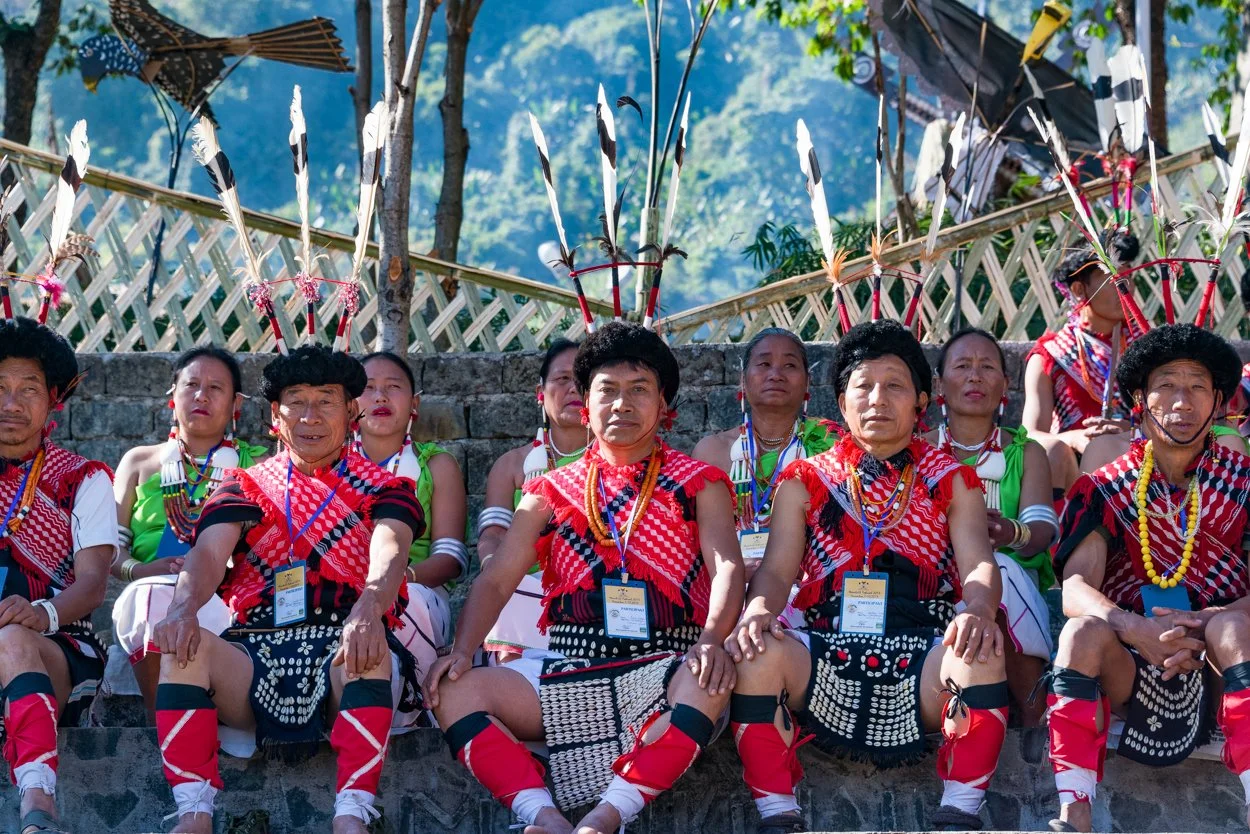
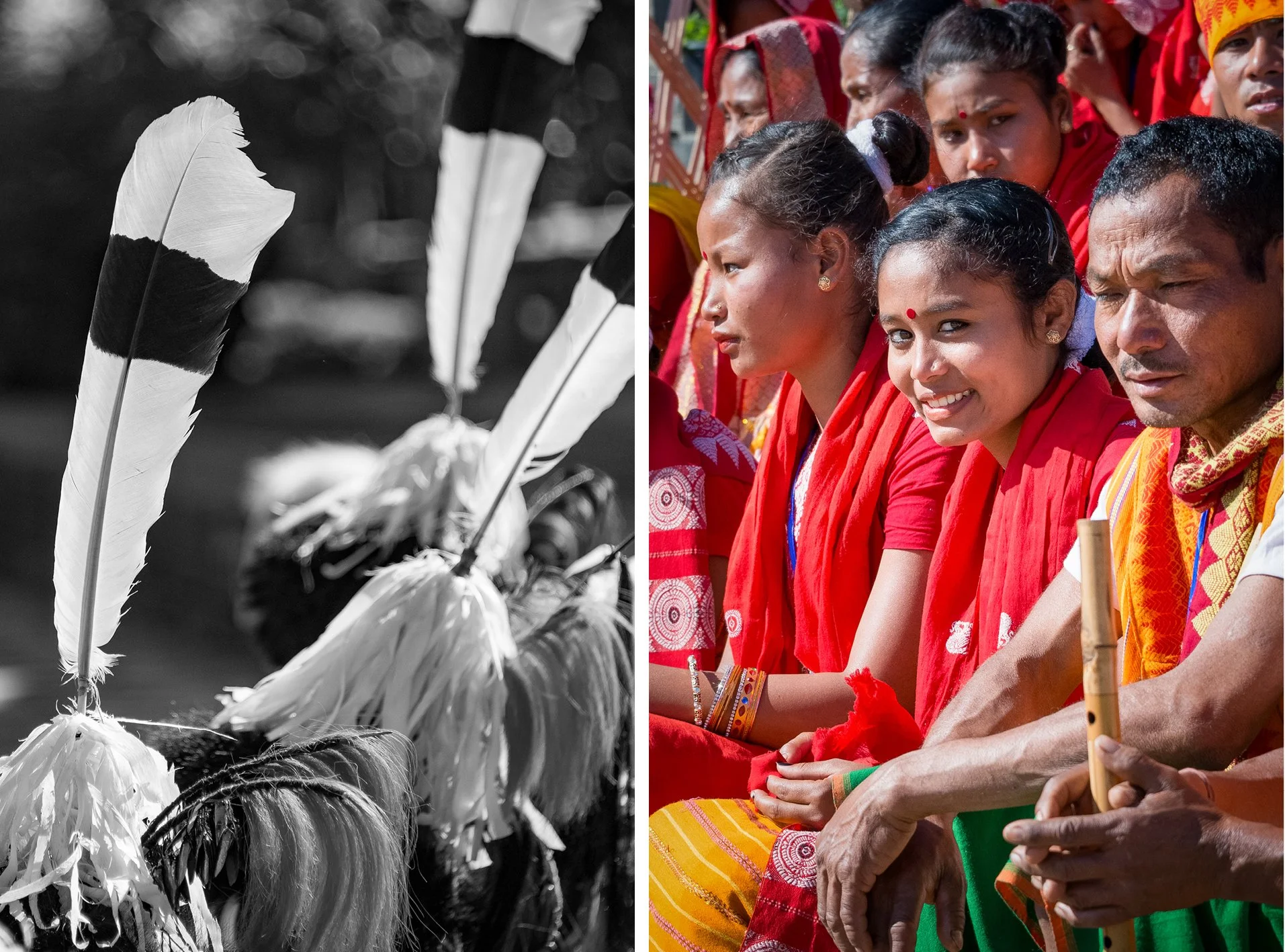
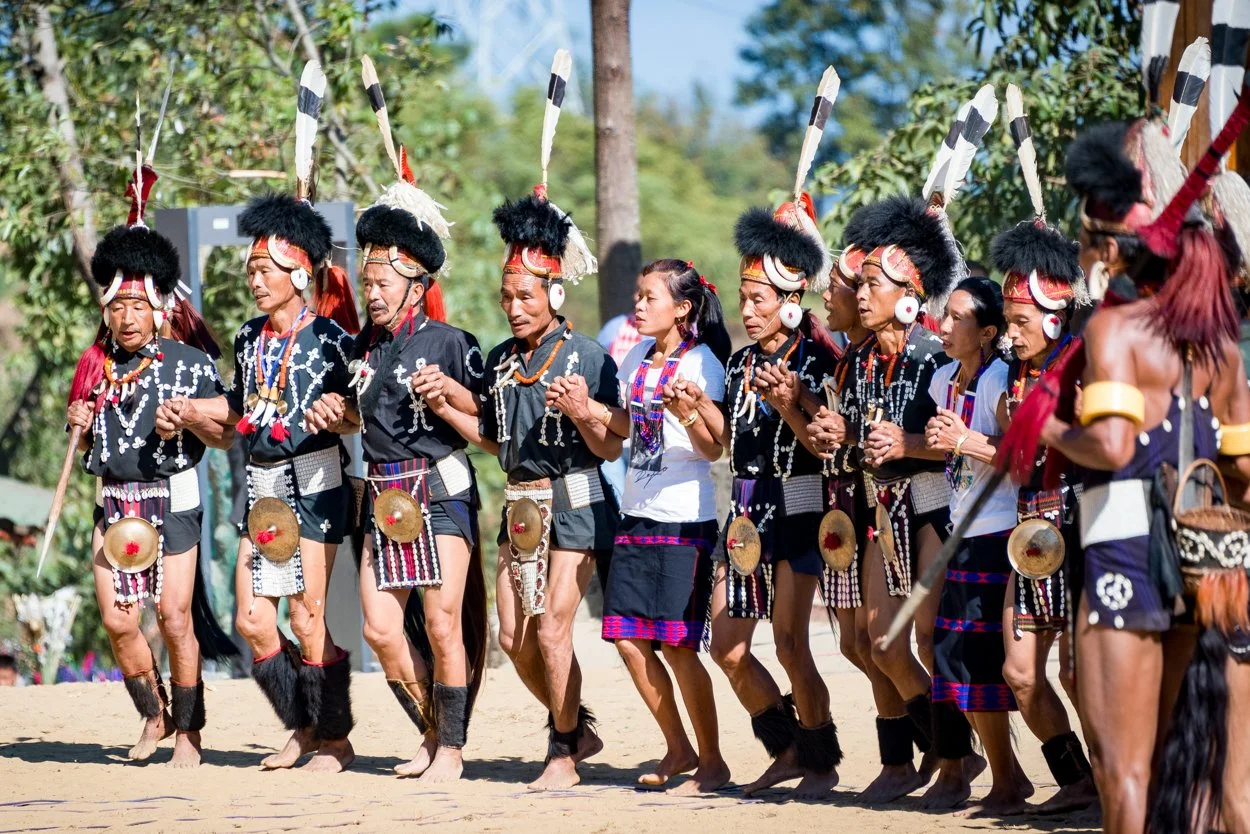
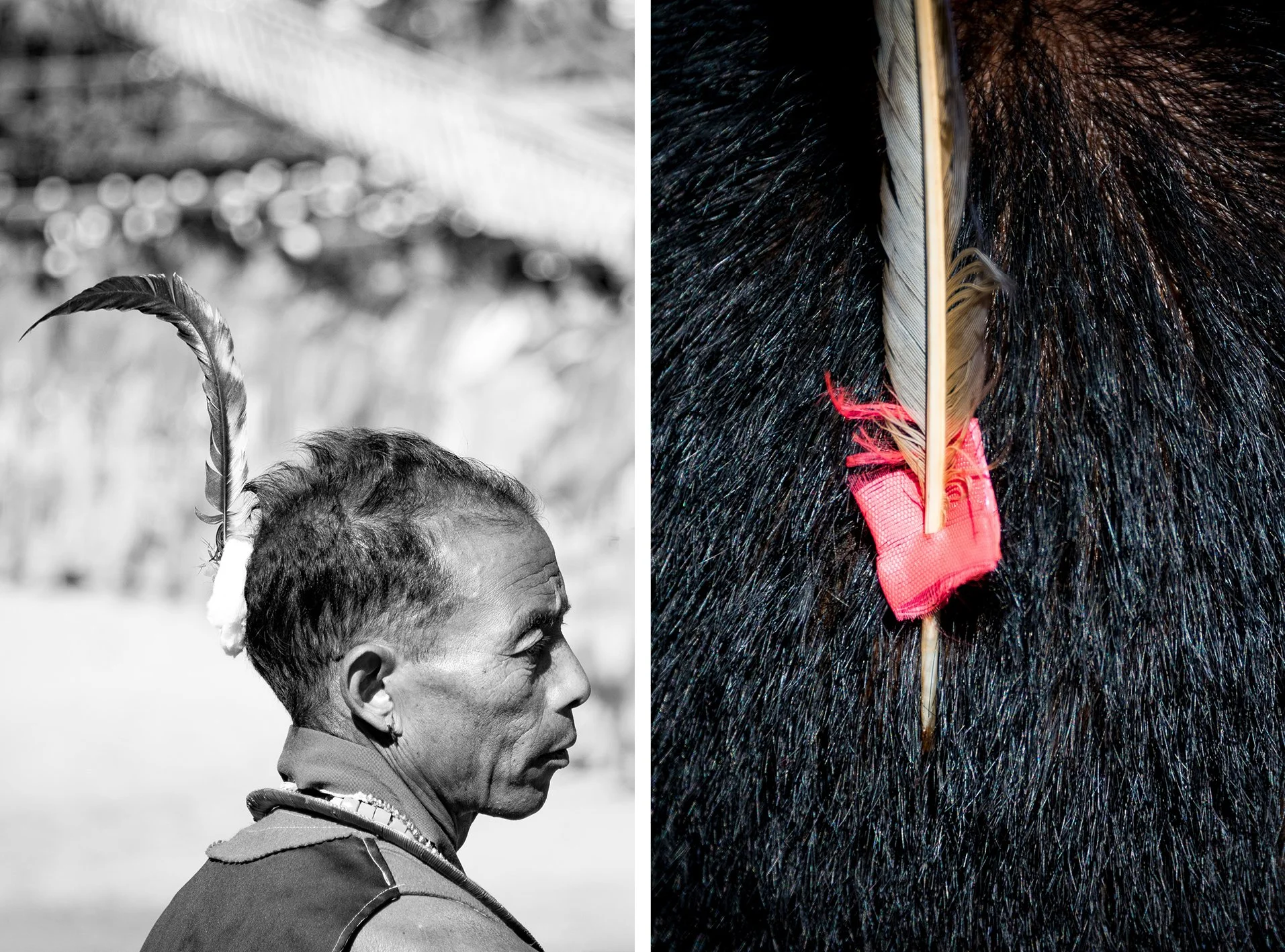
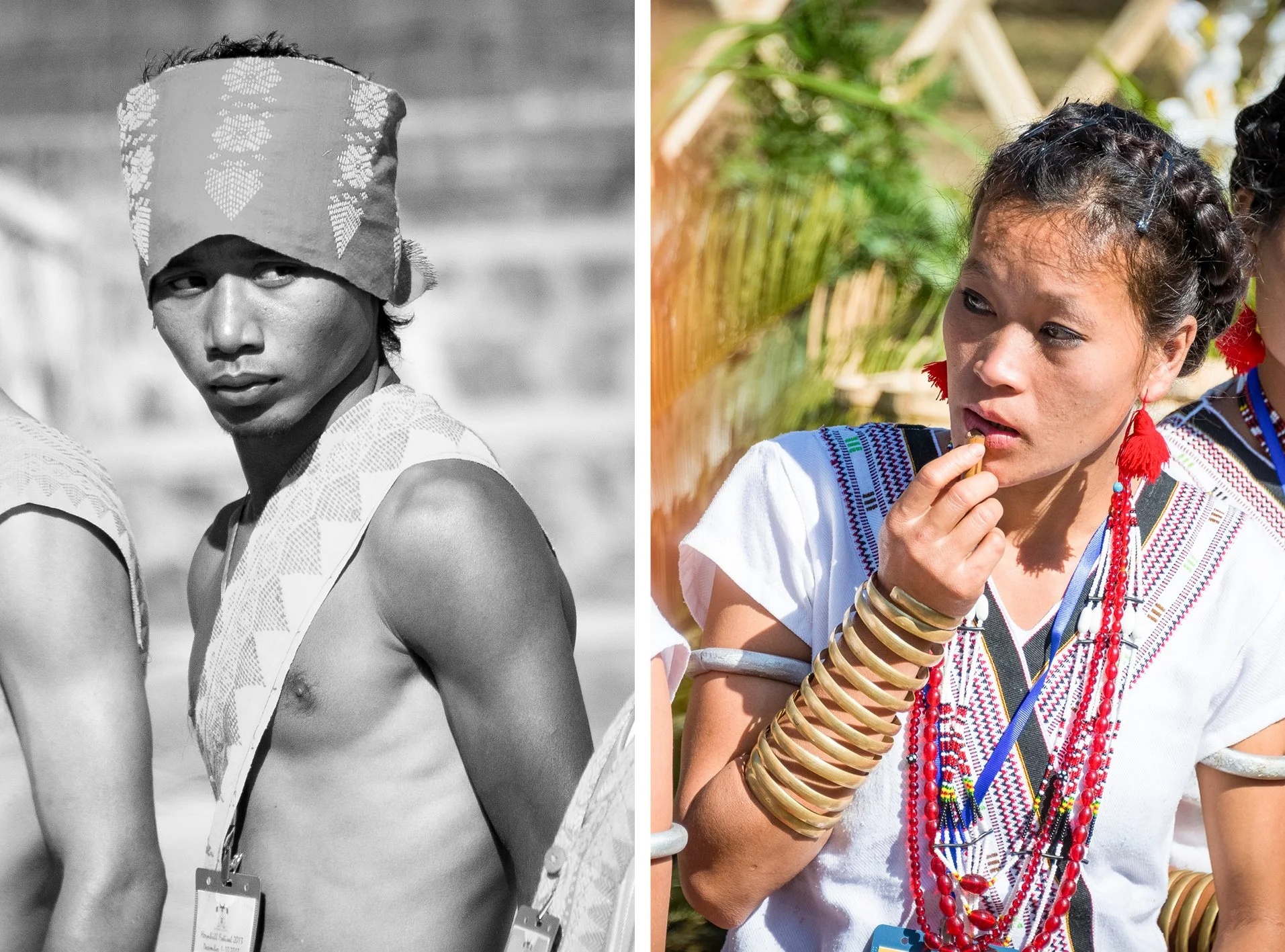
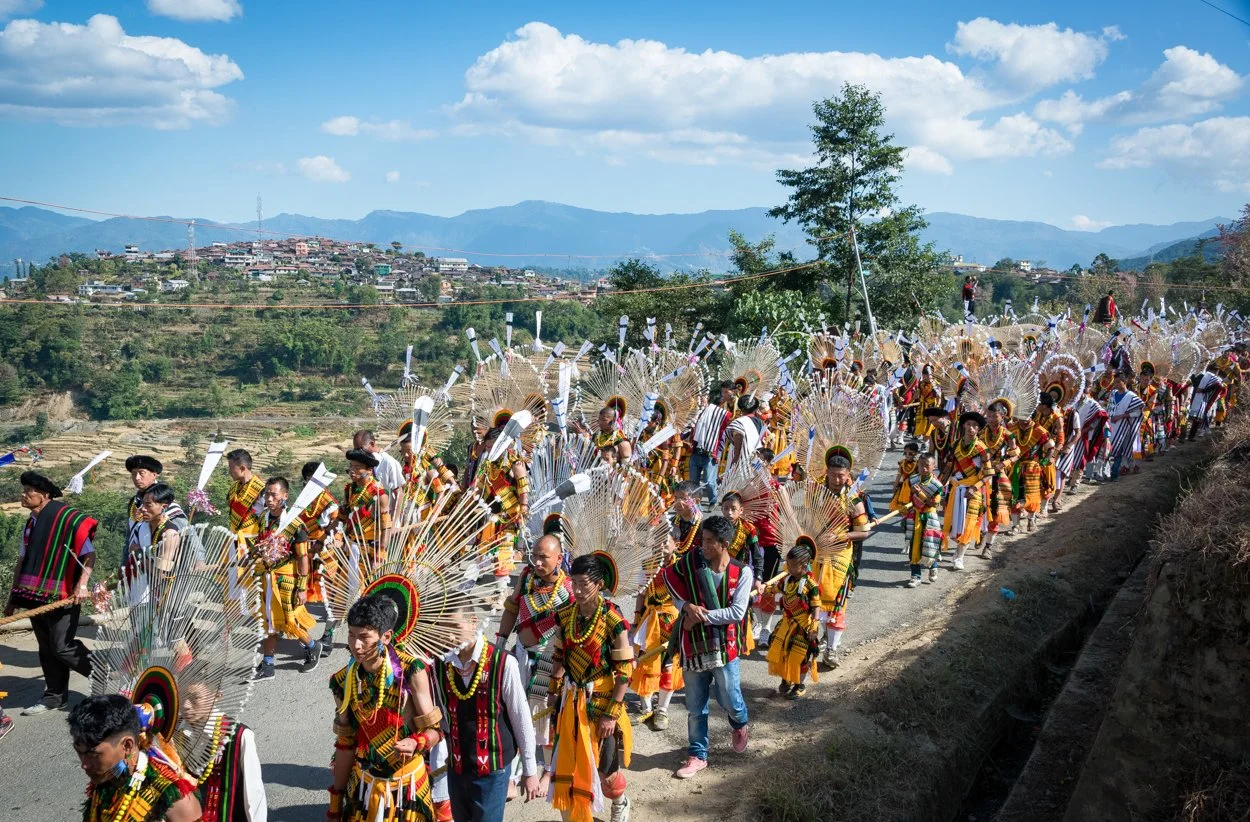
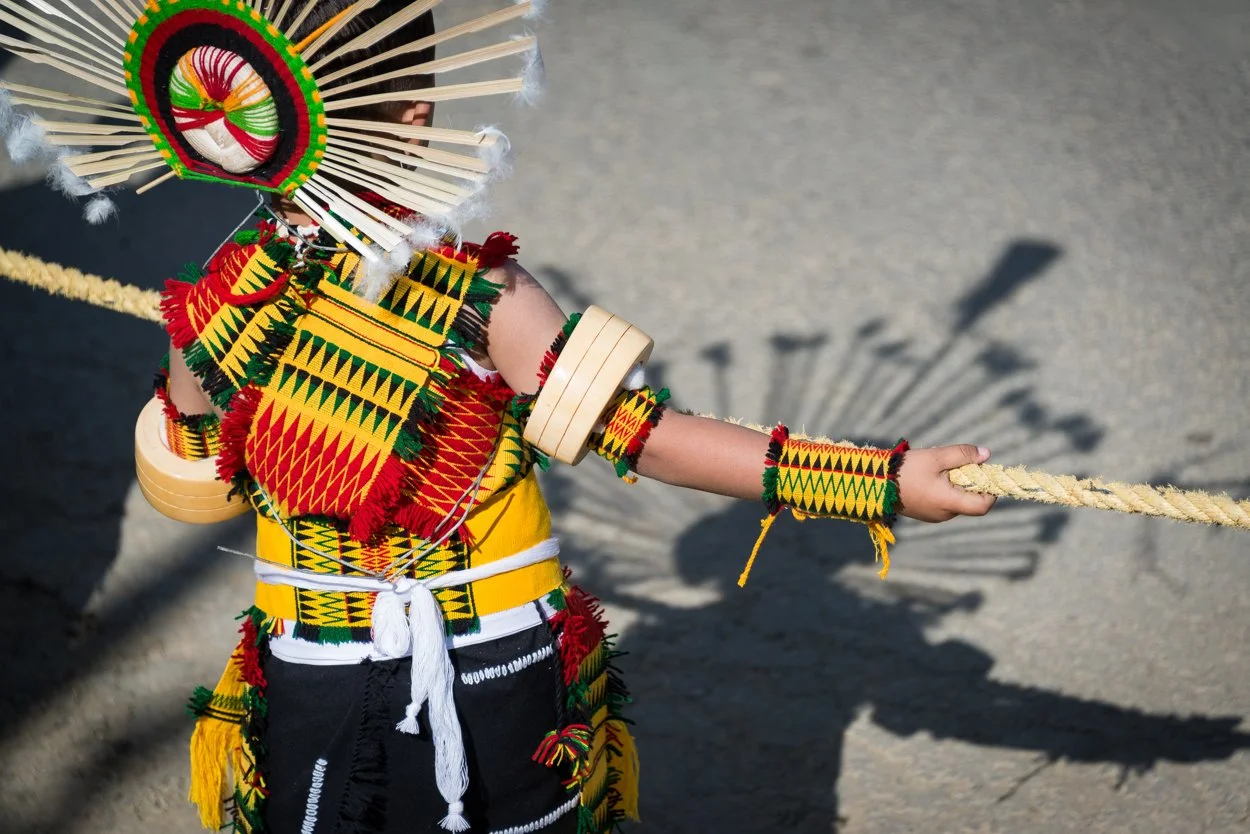
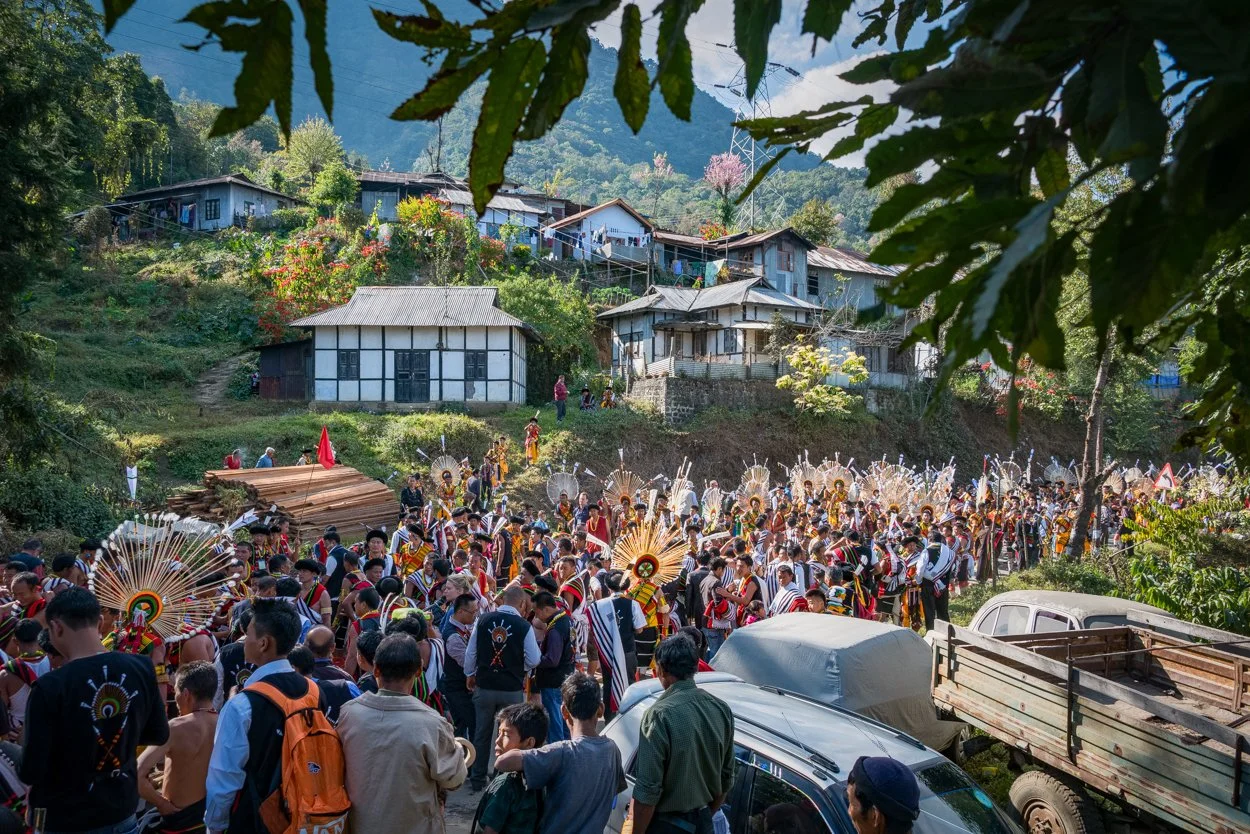
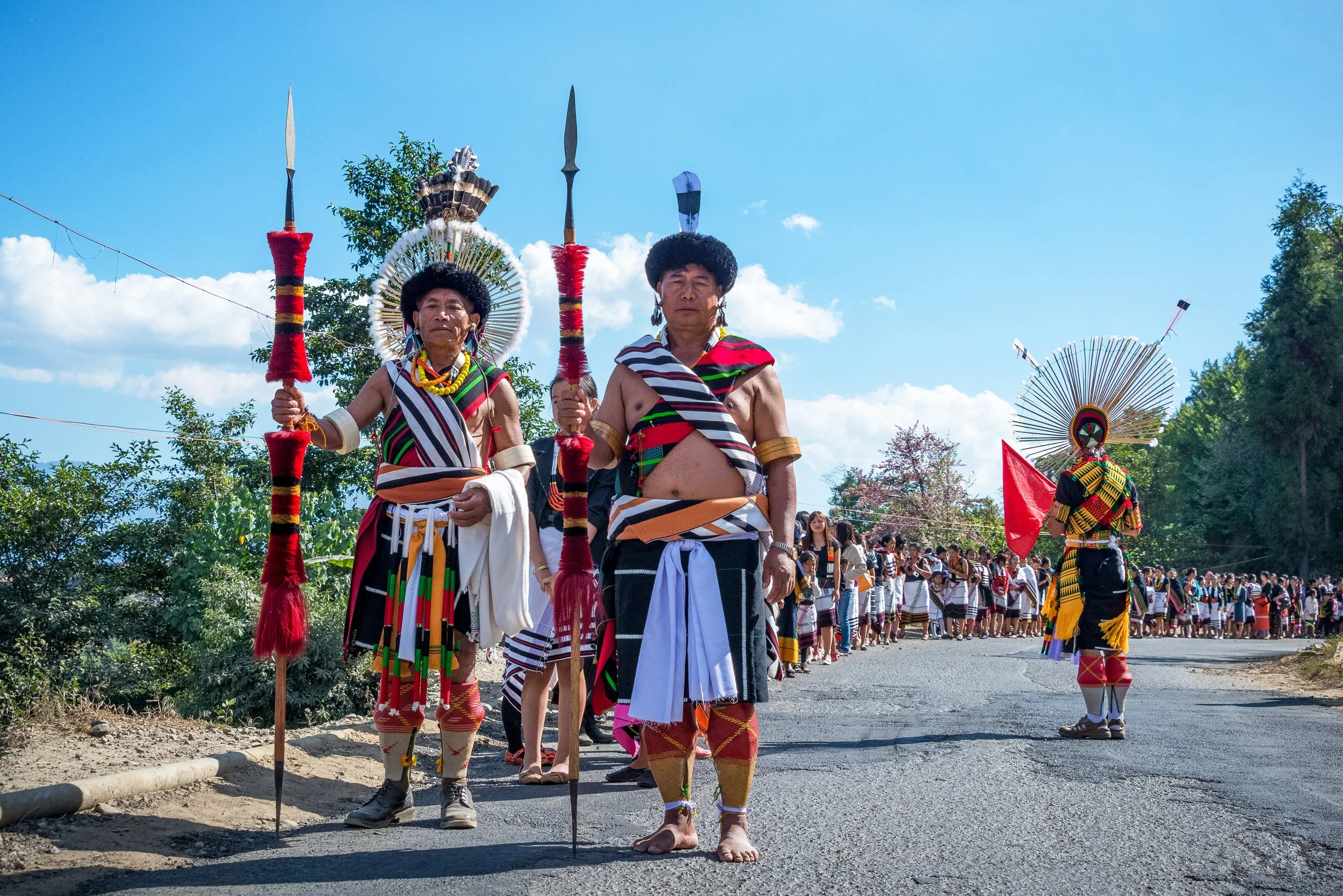
Every December, the village of Kisama, on the edge of state capital, Kohima, hosts the annual Hornbill Festival. It’s a colourful extravaganza celebrating the living culture and heritage of the 60+ Naga tribes in a 10-day expo that’s a cross between the Olympics and a folk festival.

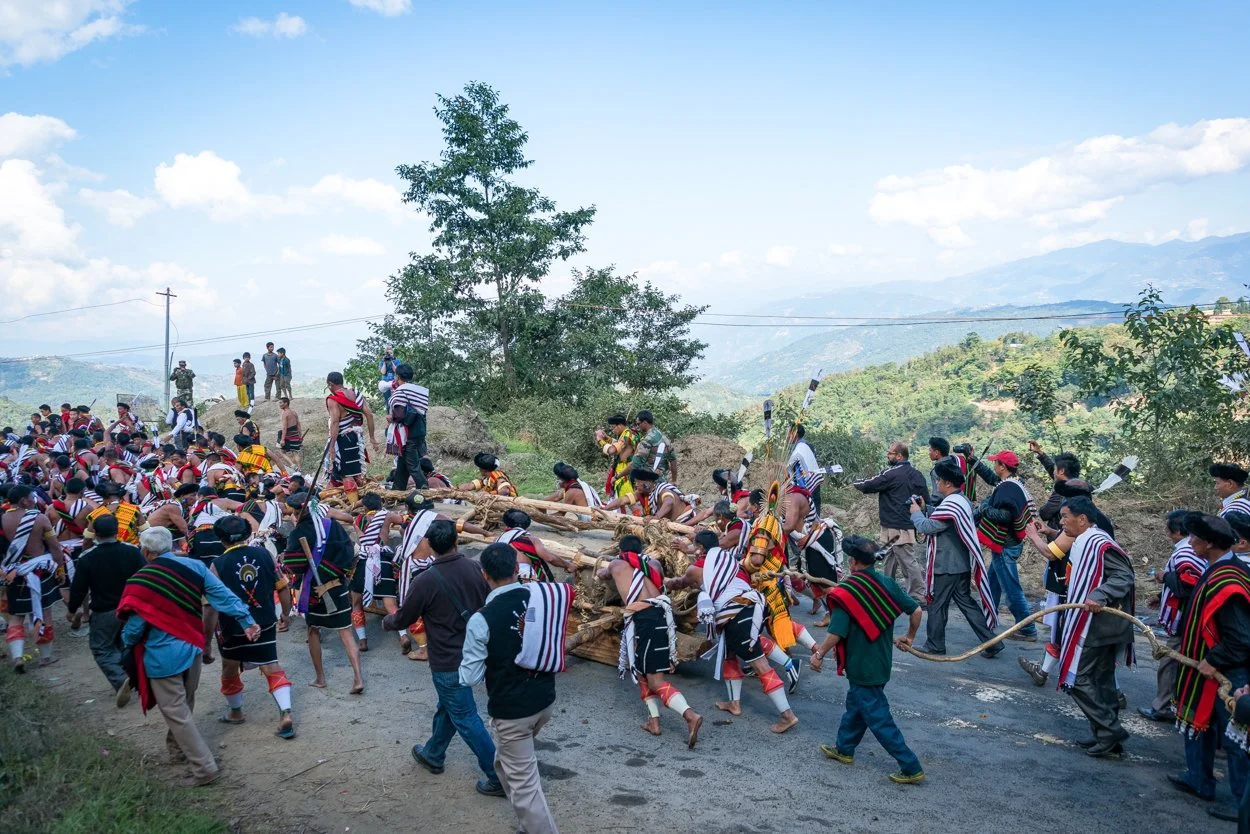
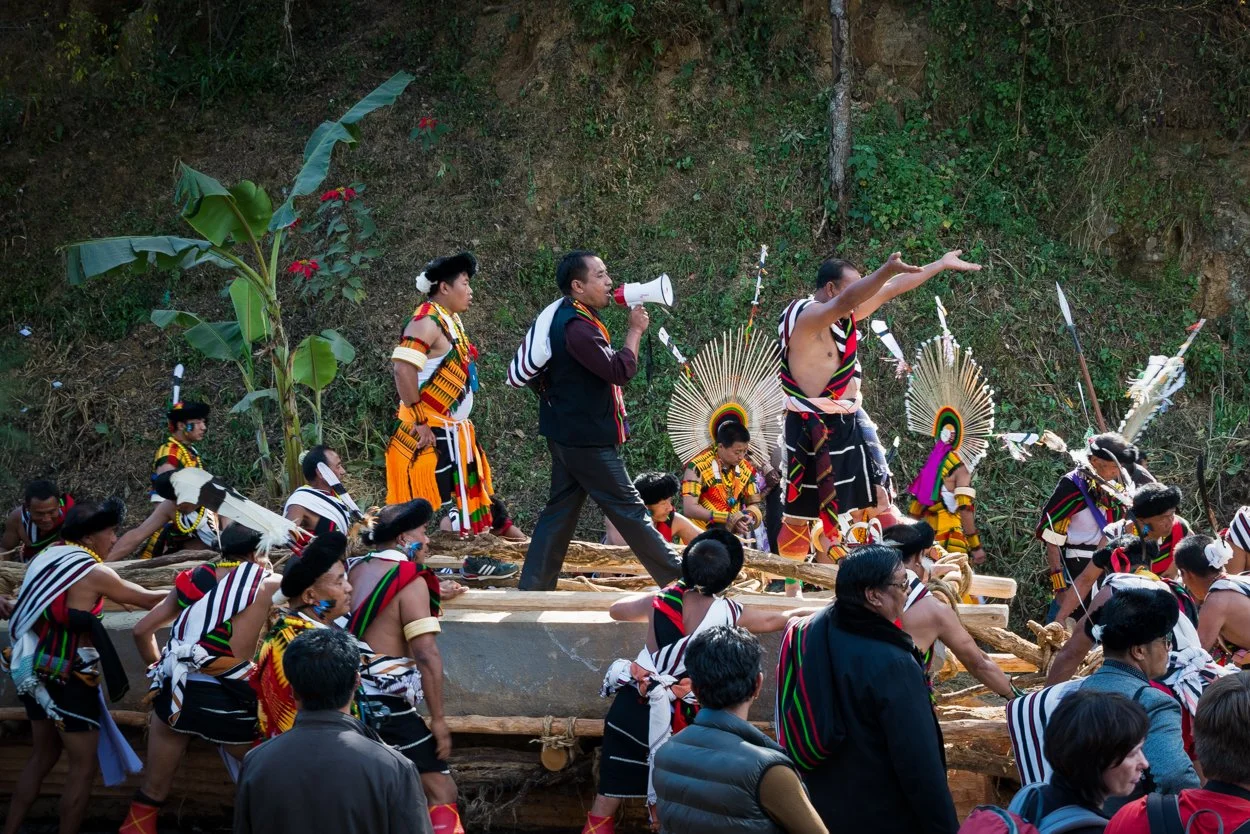
The highlight was watching the stone pulling. Hundreds and thousands of tribespeople in traditional dress held onto ropes dragging a many-tonned slab of granite up a hill. Why? It took us a while to discover this, amid the spectacle. It’s done to commemorate and immortalise important community milestones (pun intended). In this instance it was to celebrate the building of a new scout hut.

INDIA-Nagaland-Hornbill-Festival-1181-2.jpg
Nagaland-2x2.jpg
INDIA-Nagaland-Hornbill-Festival-1049.jpg
Nagaland-2x22.jpg
INDIA-Nagaland-Hornbill-Festival-0974.jpg
INDIA-Nagaland-Hornbill-Festival-1008.jpg
Nagaland-2x24.jpg
INDIA-Nagaland-Hornbill-Festival-1039.jpg
Nagaland-2x27.jpg
INDIA-Nagaland-Hornbill-Festival-1040.jpg
Nagaland-2x28.jpg
INDIA-Nagaland-Hornbill-Festival-1066-2.jpg
Nagaland-2x23.jpg
INDIA-Nagaland-Hornbill-Festival-1119.jpg
Nagaland-2x25.jpg
INDIA-Nagaland-Hornbill-Festival-1157.jpg
INDIA-Nagaland-Hornbill-Festival-0957.jpg
Nagaland-2x26.jpg
INDIA-Nagaland-Hornbill-Festival-1247.jpg
Nagaland-squares.jpg
INDIA-Nagaland-Hornbill-Festival-0962.jpg
INDIA-Nagaland-Hornbill-Festival-1162.jpg
INDIA-Nagaland-Hornbill-Festival-1228.jpg
INDIA-Nagaland-Hornbill-Festival-1499.jpg
INDIA-Nagaland-Hornbill-Festival-1257.jpg
INDIA-Nagaland-Hornbill-Festival-1260.jpg
INDIA-Nagaland-Hornbill-Festival-1261.jpg

Iceland

 The northern lights seen over Jokulsarlon glacier lake, Iceland

The northern lights seen over Jokulsarlon glacier lake, Iceland

 The black beach and mountains at Vestrahorn in Iceland

The black beach and mountains at Vestrahorn in Iceland

Iceland landscape
Iceland landscape

An icy landscape in Heinabergslón in Vatnajökull National Park, Iceland

 Glacier detail, near Jokulsarlon glacier lake, Iceland

Glacier detail, near Jokulsarlon glacier lake, Iceland

 An ice block on the beach at Jokulsarlon, Iceland at sunrise

An ice block on the beach at Jokulsarlon, Iceland at sunrise

 The northern lights seen near Eystrahorn, Iceland

The northern lights seen near Eystrahorn, Iceland

 A water droplet on the solid volcanic rocks near Jokulsarlon glacier lake, Iceland

A water droplet on the solid volcanic rocks near Jokulsarlon glacier lake, Iceland

 Jokulsarlon glacier lake, Iceland

Jokulsarlon glacier lake, Iceland

 Whale bones on the black-sand beach at Eystrahorn, Iceland

Whale bones on the black-sand beach at Eystrahorn, Iceland

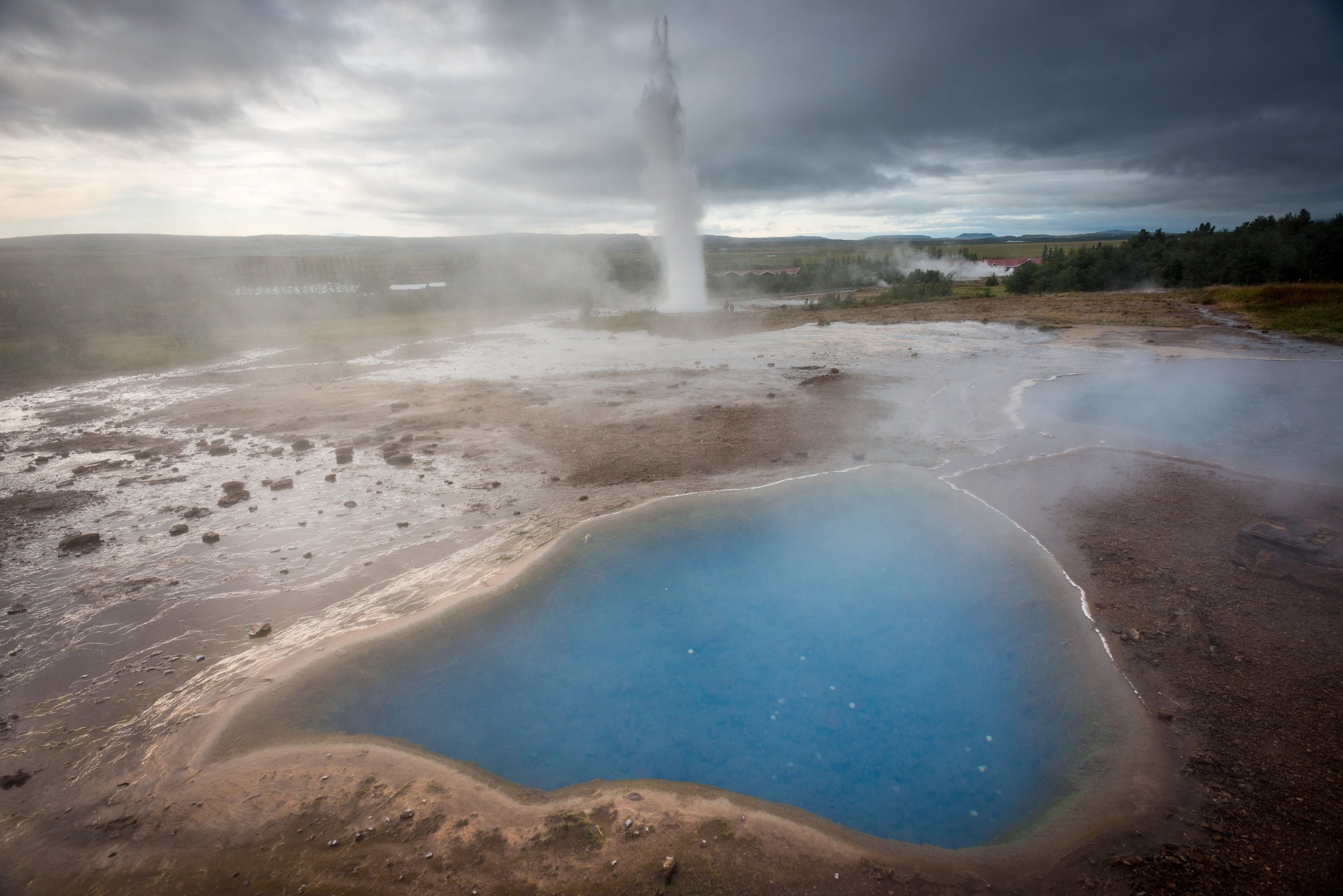
 The geyser at Geysir in Iceland

The geyser at Geysir in Iceland

ZAMBIA South Luangwa

 A leopard hides in the undergrowth at night in South Luangwa National Park, Zambia, Africa

A leopard hides in the undergrowth at night in South Luangwa National Park, Zambia, Africa

 Two zebras  in open plains, with trees in the background, in South Luangwa National Park, Zambia, Africa.

Two zebras in open plains, with trees in the background, in South Luangwa National Park, Zambia, Africa.

 An elephant in South Luangwa National in Zambia, Africa.

An elephant in South Luangwa National in Zambia, Africa.

 A zebra on the pains at South Luangwa National Park, Zambia, Africa.

A zebra on the pains at South Luangwa National Park, Zambia, Africa.

 Monkeys in a tree in South Luangwa, Zambia, Africa.

Monkeys in a tree in South Luangwa, Zambia, Africa.

 Elephants in South Luangwa National Park, Zambia, Africa

Elephants in South Luangwa National Park, Zambia, Africa

 Giraffes in South Luangwa National Park, Zambia, Africa.

Giraffes in South Luangwa National Park, Zambia, Africa.

 A lion in South Luangwa National Park, Zambia, Africa.

A lion in South Luangwa National Park, Zambia, Africa.

 A European Roller in Zambia, Africa.

A European Roller in Zambia, Africa.

Nightscapes

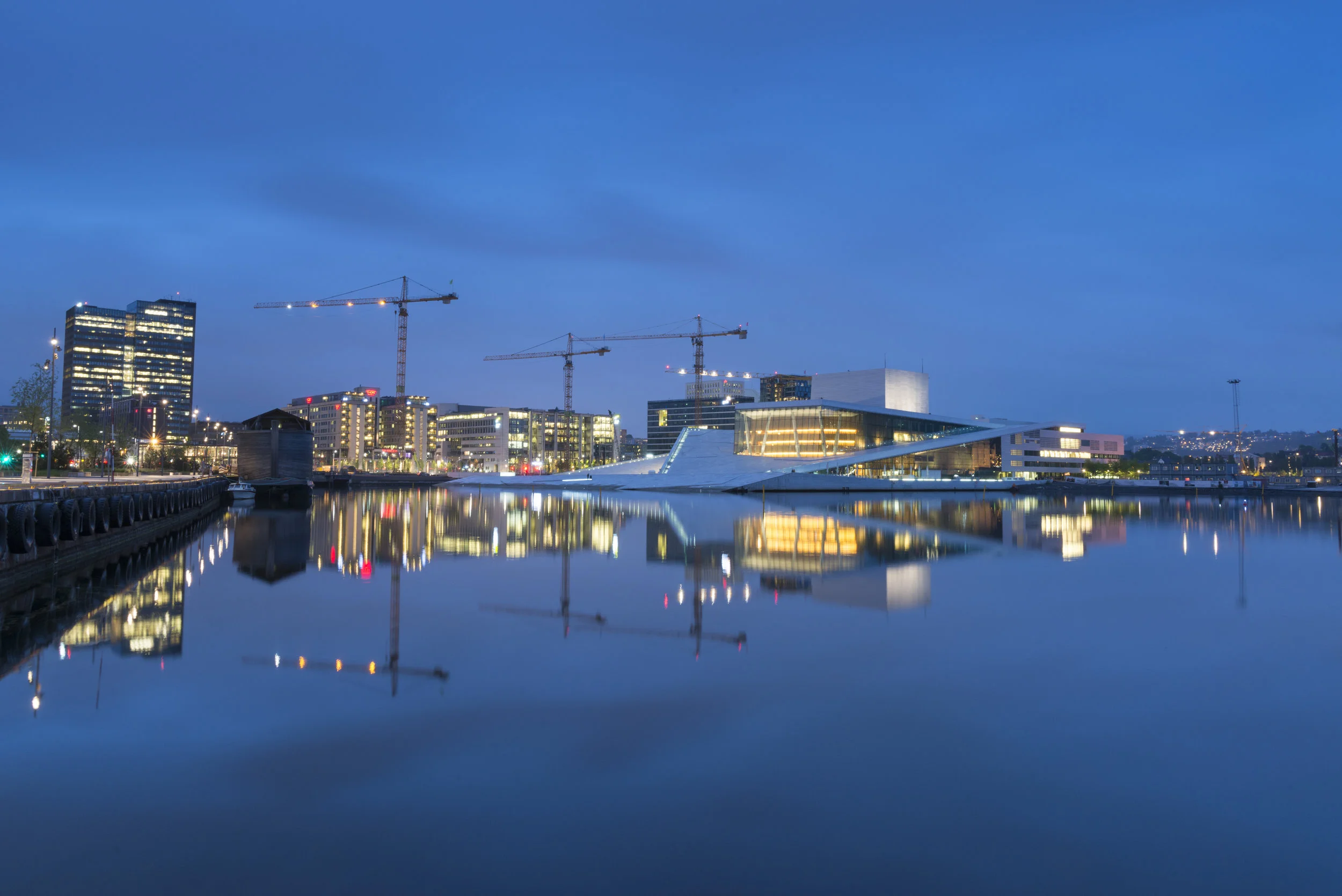
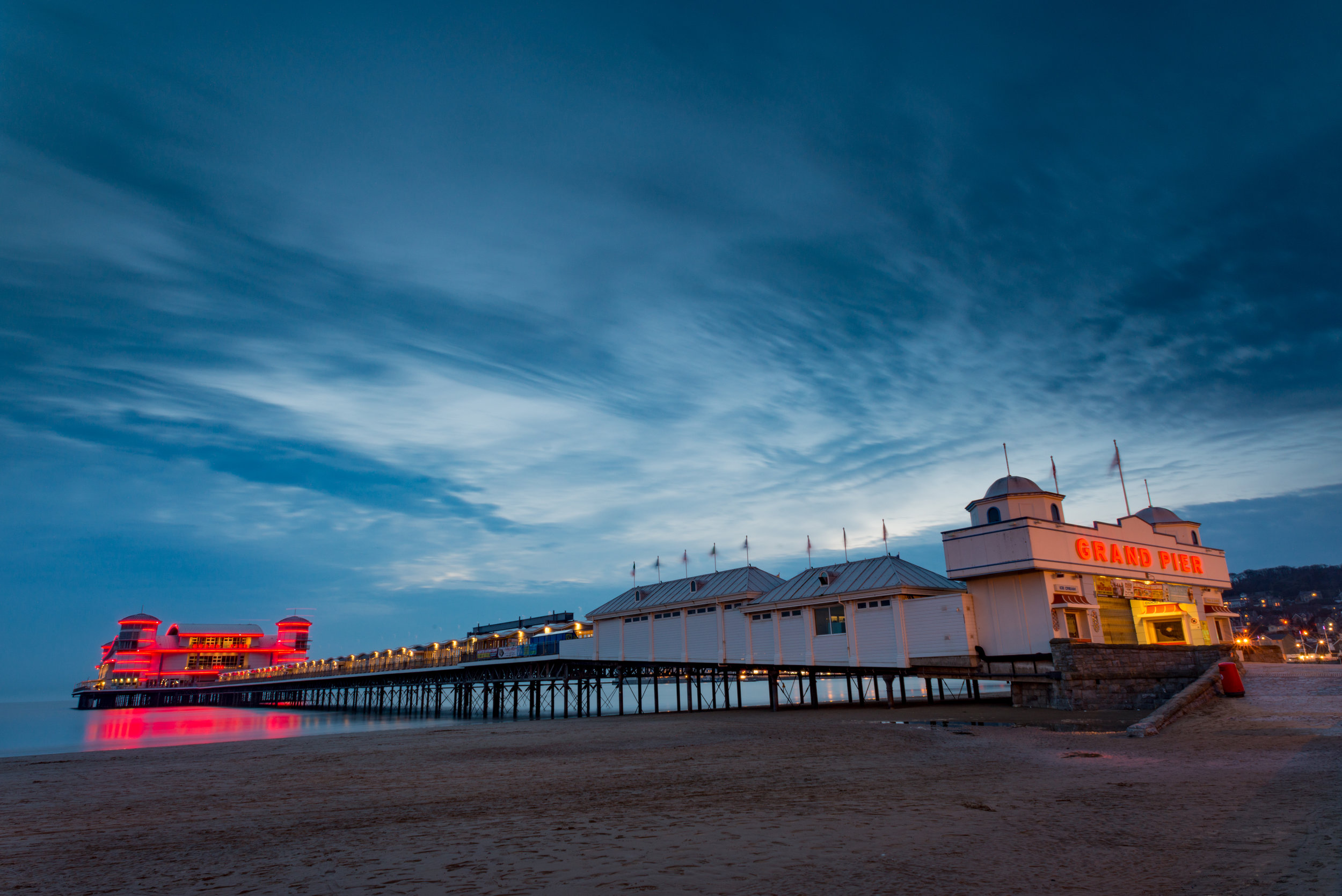
Dusk and the so-called ‘blue hour’ is my favourite time of day to photograph cities and urban centres. There’s something so calming and relaxing about choosing a spot and waiting to see how the light changes subtly from day to night. I love the compositional possibilities with colour and shape and the way the different temporal perspective of long exposures reveals details the naked eye can’t see.

 Bell's Bridge and the SECC, Glasgow, Scotland, UK

Bell's Bridge and the SECC, Glasgow, Scotland, UK

 Oslo skyline, Norway

Oslo skyline, Norway

 Pont Alexandre III Bridge at night with the Eiffel tower in the distance, Paris, France

Pont Alexandre III Bridge at night with the Eiffel tower in the distance, Paris, France

 Oslo Opera House at night, Norway

Oslo Opera House at night, Norway

 A weir on the river Nith running through Dumfries in Scotland, UK

A weir on the river Nith running through Dumfries in Scotland, UK

 The BBC Scotland building in Glasgow on the banks of the River Clyde.

The BBC Scotland building in Glasgow on the banks of the River Clyde.

 The pier in Cromer at night, Norfolk, UK

The pier in Cromer at night, Norfolk, UK

 Westminster Abbey in London lit up for the Lumiere Festival

Westminster Abbey in London lit up for the Lumiere Festival

 Weston-Super-Mare pier at night, Somerset, UK

Weston-Super-Mare pier at night, Somerset, UK

 The castle in Oslo, Norway, lit up at night

The castle in Oslo, Norway, lit up at night

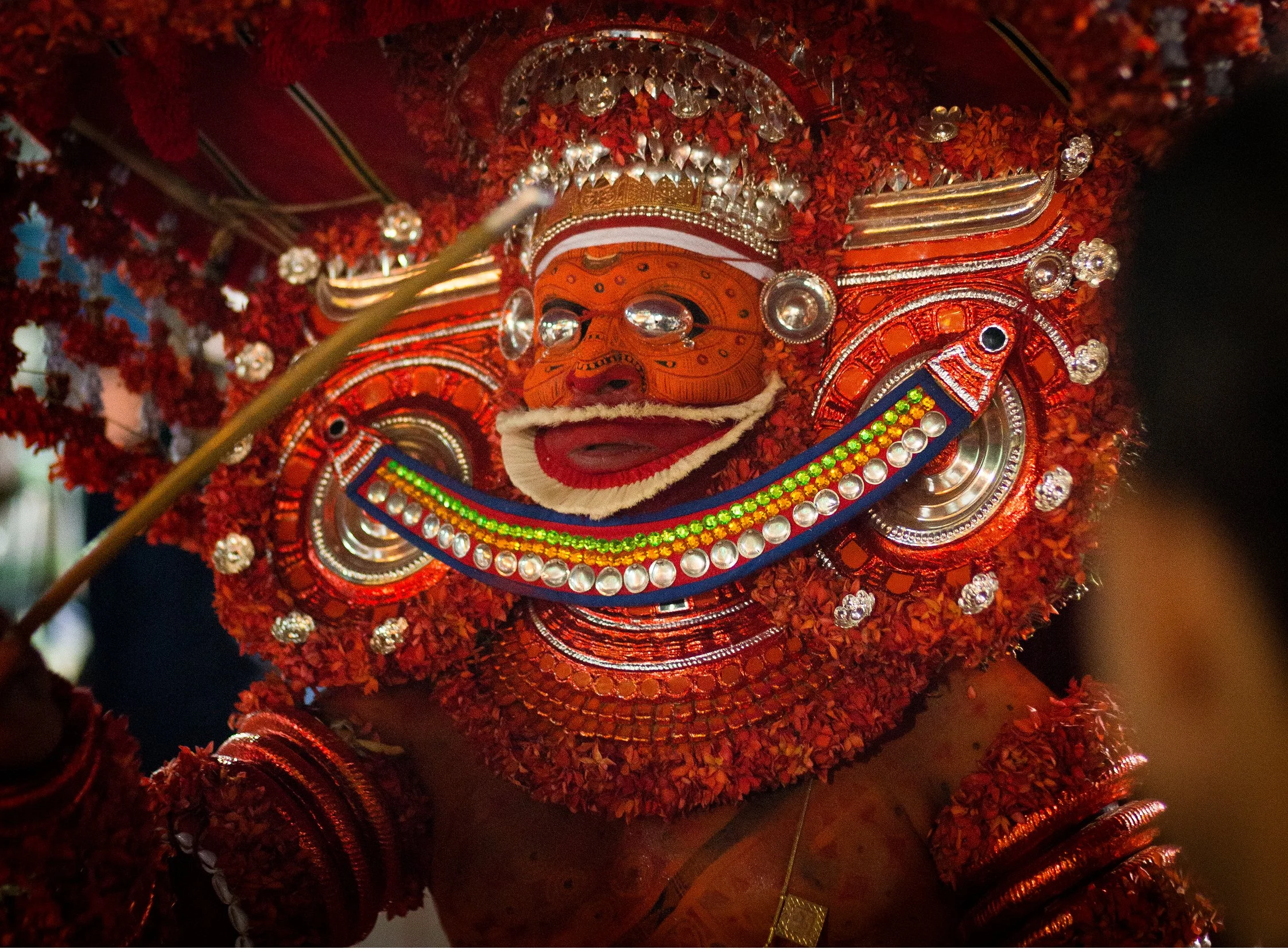
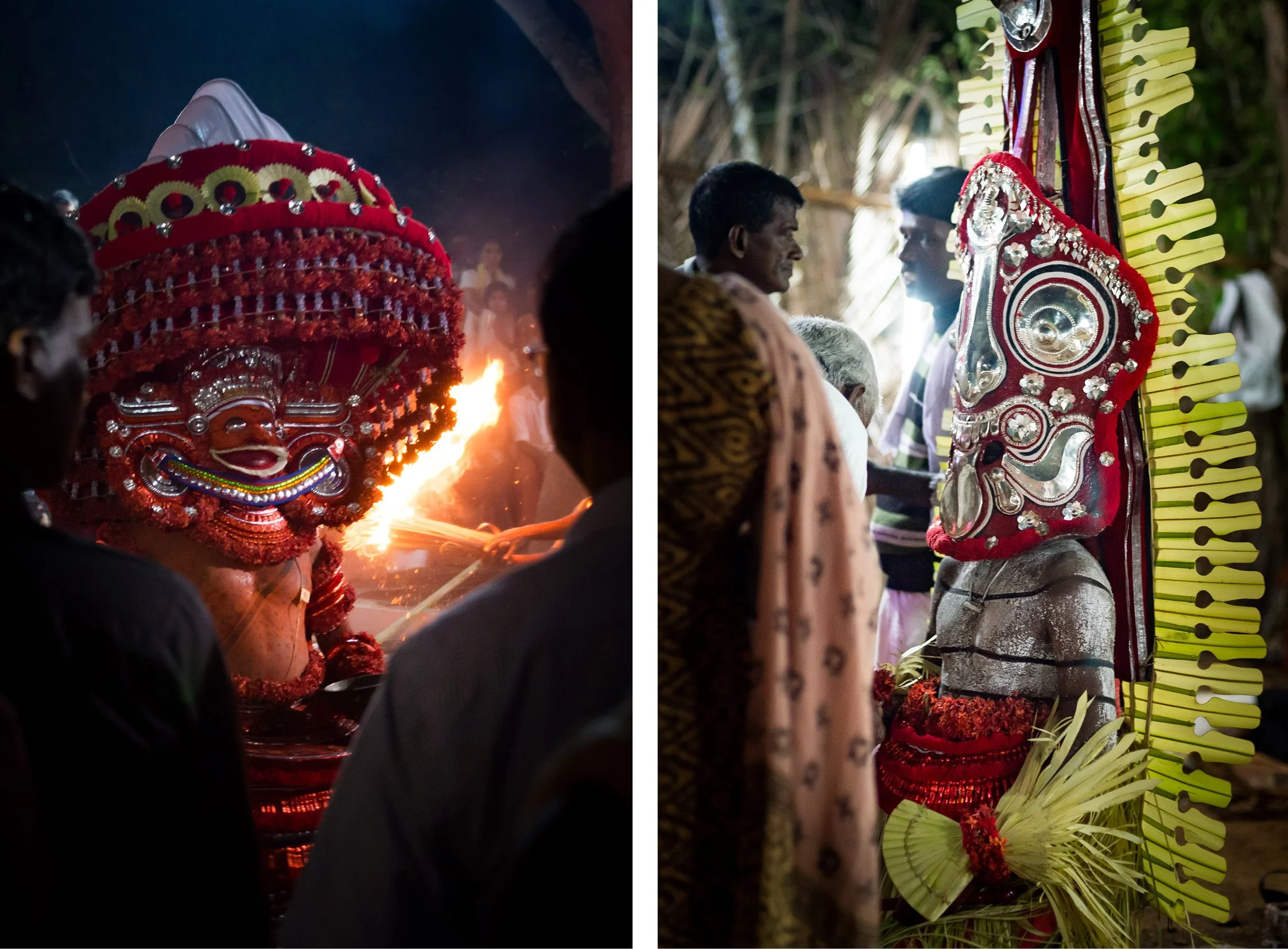
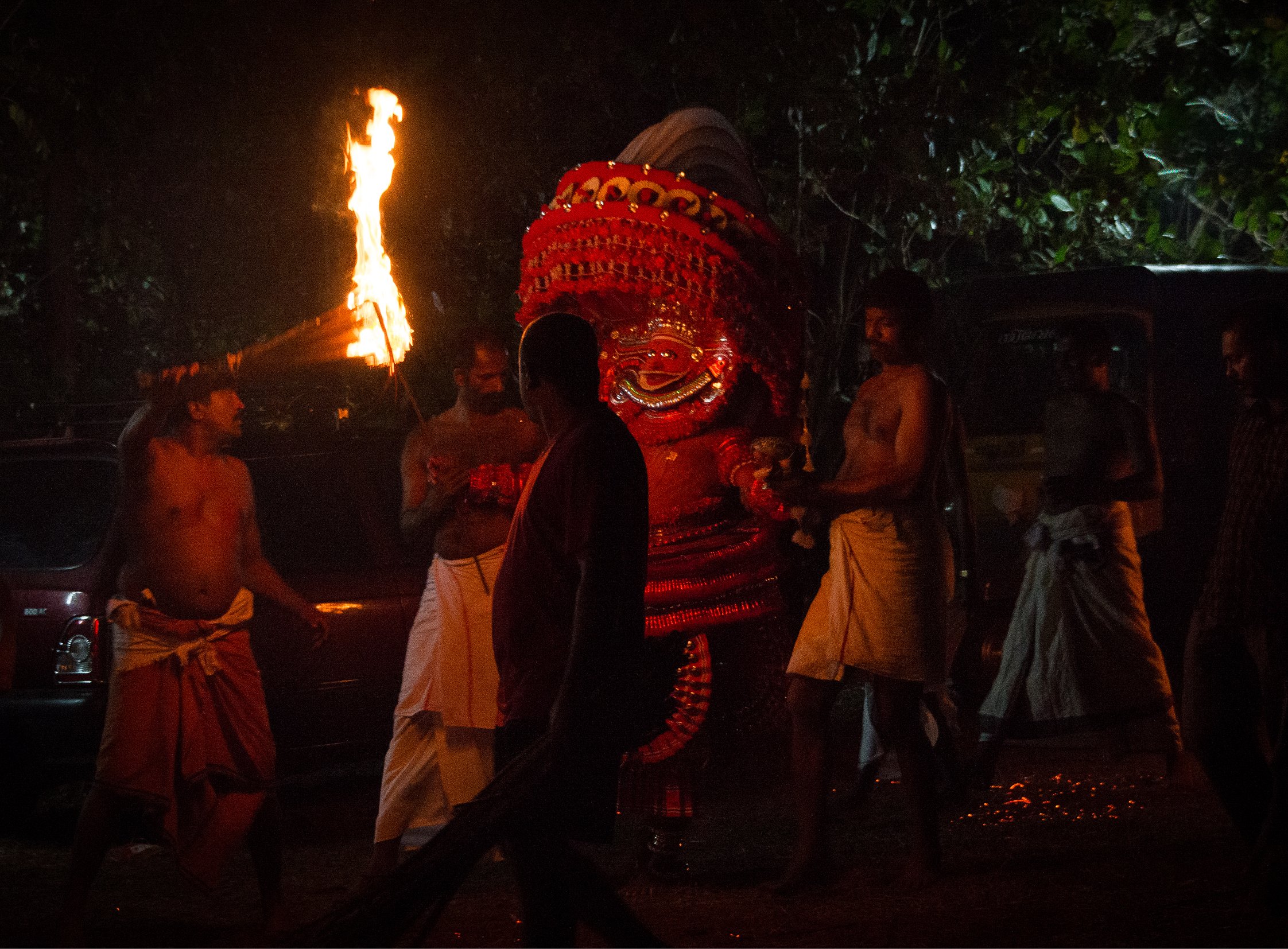
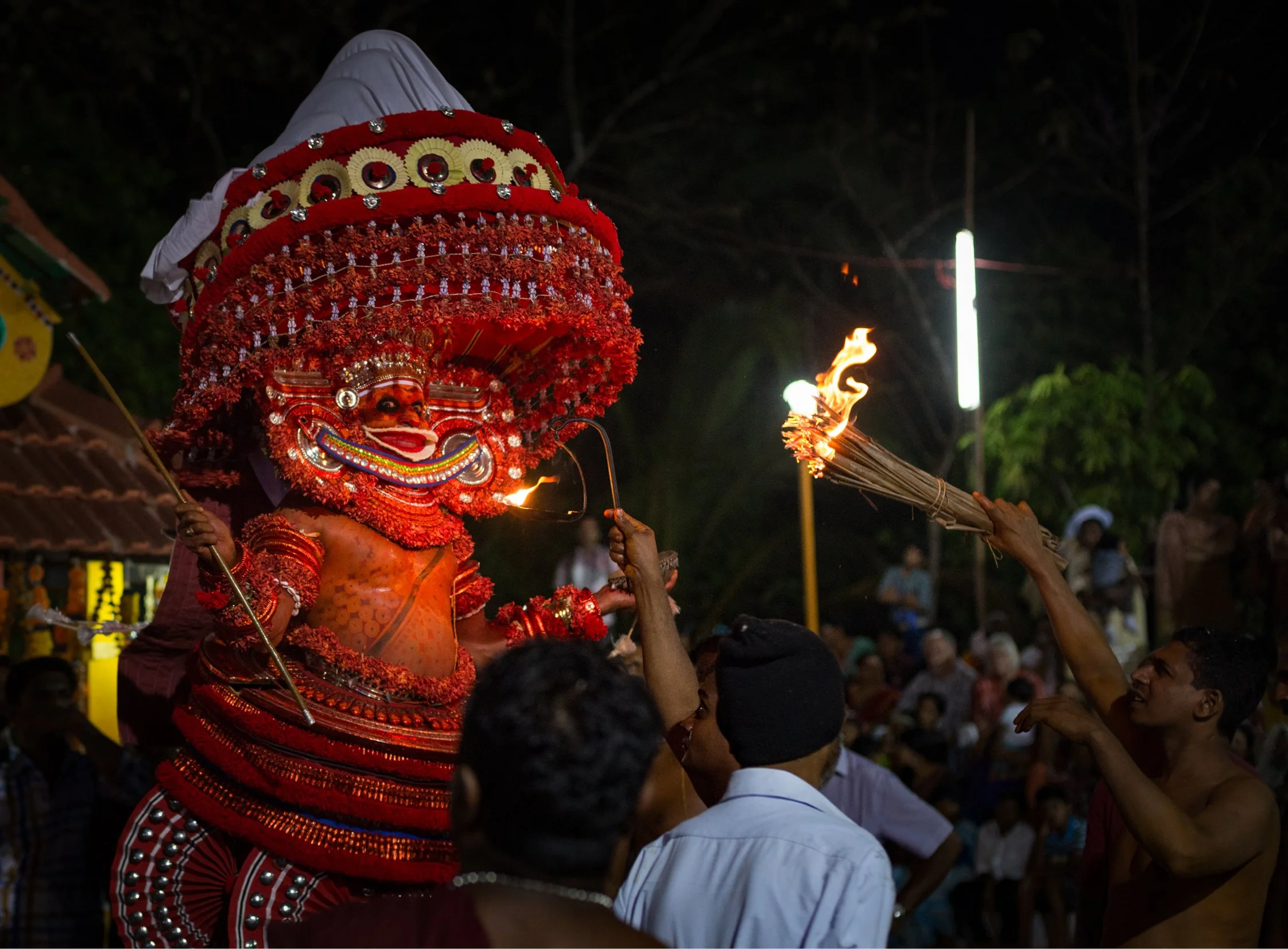
INDIA Kerala Theyyam

India-Theyyam4.jpg
India-Theyyam3.jpg
IND_4795.jpg
India-Theyyam8.jpg
India-Theyyam2.jpg
India-Theyyam.jpg
India-Theyyam5.jpg
IND_4946.jpg
India-Theyyam6.jpg
India-Theyyam7.jpg
prev / next
Back to Travel Photography
17
SHETLAND Islands
15
INDIA Sundarban safari
12
SHETLAND Up Helly Aa
34
USA Nevada Cowboy Corridor
22
DEVON Tar Barrels
33
KENYA Taita Hills Conservancy
15
KENYA Kazuri Beads
18
SWEDEN Vrångö Island
23
TUNISIA Kairouan
15
TUNISIA Sidi Bou Saïd
10
ST HELENA Landscapes
11
ST HELENA Jamestown
14
ALBANIA Tragjas mountains
21
ALBANIA Karavasta lagoon and National Park
17
ALBANIA Lake Komani
14
ALBANIA Old Tirana
8
ALBANIA Berat
10
ALBANIA Adriatik
27
ALBANIA Vlorë
13
ALBANIA Tirana
9
ALBANIA Durrës
22
MOROCCO Oualidia
7
GUINEA-BISSAU João Veira Biosphere Reserve
6
SENEGAL Toubab Dialao
Tea picking at the Kolukkumalai estate, Kerala, India
7
INDIA Kolukkumalai
7
INDIA Kaziranga National Park
View from the crumbling pillbox, Popenguine Natural Park
8
SENEGAL Popenguine
6
GUINEA-BISSAU Vaca Bruto
13
UK Norfolk grey seals
10
UK Heath Fritillary butterflies in West Blean and Thornden Woods, Kent
14
SENEGAL Goree Island
15
MOROCCO Merzouga
19
MOROCCO Chefchaouen
27
INDIA Hornbill Festival, Nagaland
 The northern lights seen over Jokulsarlon glacier lake, Iceland
10
Iceland
 A leopard hides in the undergrowth at night in South Luangwa National Park, Zambia, Africa
9
ZAMBIA South Luangwa
 Bell's Bridge and the SECC, Glasgow, Scotland, UK
10
Nightscapes
10
INDIA Kerala Theyyam

Powered by Squarespace